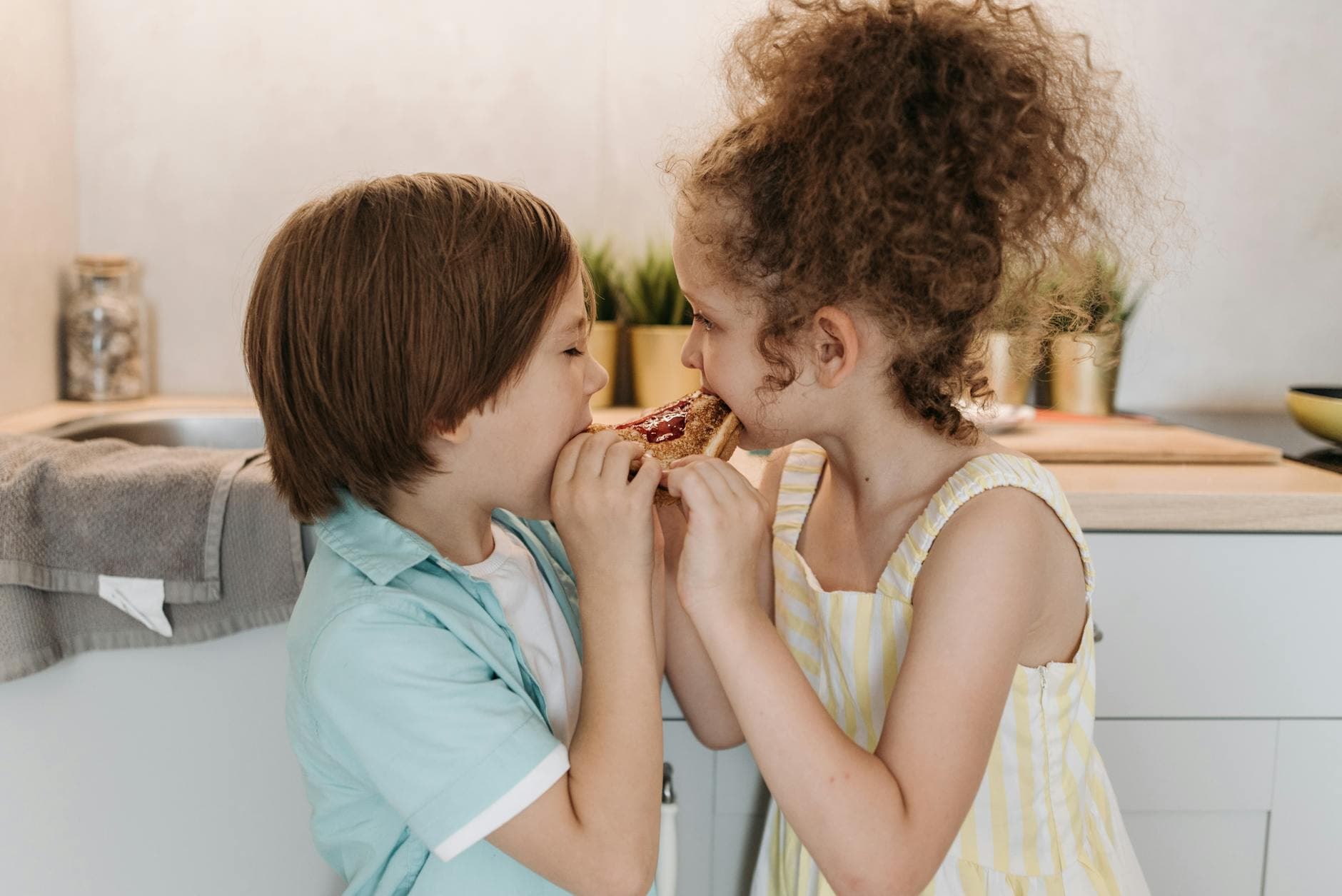
Did you know that most parents and caregivers get the foundational approach to teaching toddlers sharing completely wrong? It’s true. We often jump straight to demanding, “Share your toy!” before our little ones even grasp the concept of possession, let alone the nuanced social dance of reciprocity. This isn't about blame; it's about understanding the developmental stage of toddlers and reframing our expectations and strategies for teaching toddlers sharing. It’s a journey, not a quick fix, and one that requires immense patience, empathy, and a deep dive into child psychology.
The Toddler Brain: A Different Kind of Sharing
Understanding how a toddler’s brain works is paramount when we talk about teaching toddlers sharing. At this age, typically between 18 months and 3 years, children are just beginning to develop a sense of self and ownership. The concept of "mine" is incredibly strong. Their world is very concrete; if they are holding it or playing with it, it belongs to them. This isn't selfishness; it's a crucial developmental milestone. They are learning about boundaries and their own identity.
Possession is Key
Think about it: for them, a toy is an extension of themselves. When you ask them to "share," it can feel like you're asking them to give away a part of themselves. This is why forcing sharing often backfires, leading to meltdowns and a stronger resistance to the very behavior we want to encourage. We need to acknowledge and validate their feelings of ownership first.
Empathy is a Learned Skill
Empathy, the ability to understand and share the feelings of another, is not innate in toddlers. It’s a skill that needs to be nurtured and modeled over time. They don't naturally understand that another child might feel sad or left out if they don't get a turn. This is a complex social-emotional skill that develops gradually throughout the preschool years and beyond.
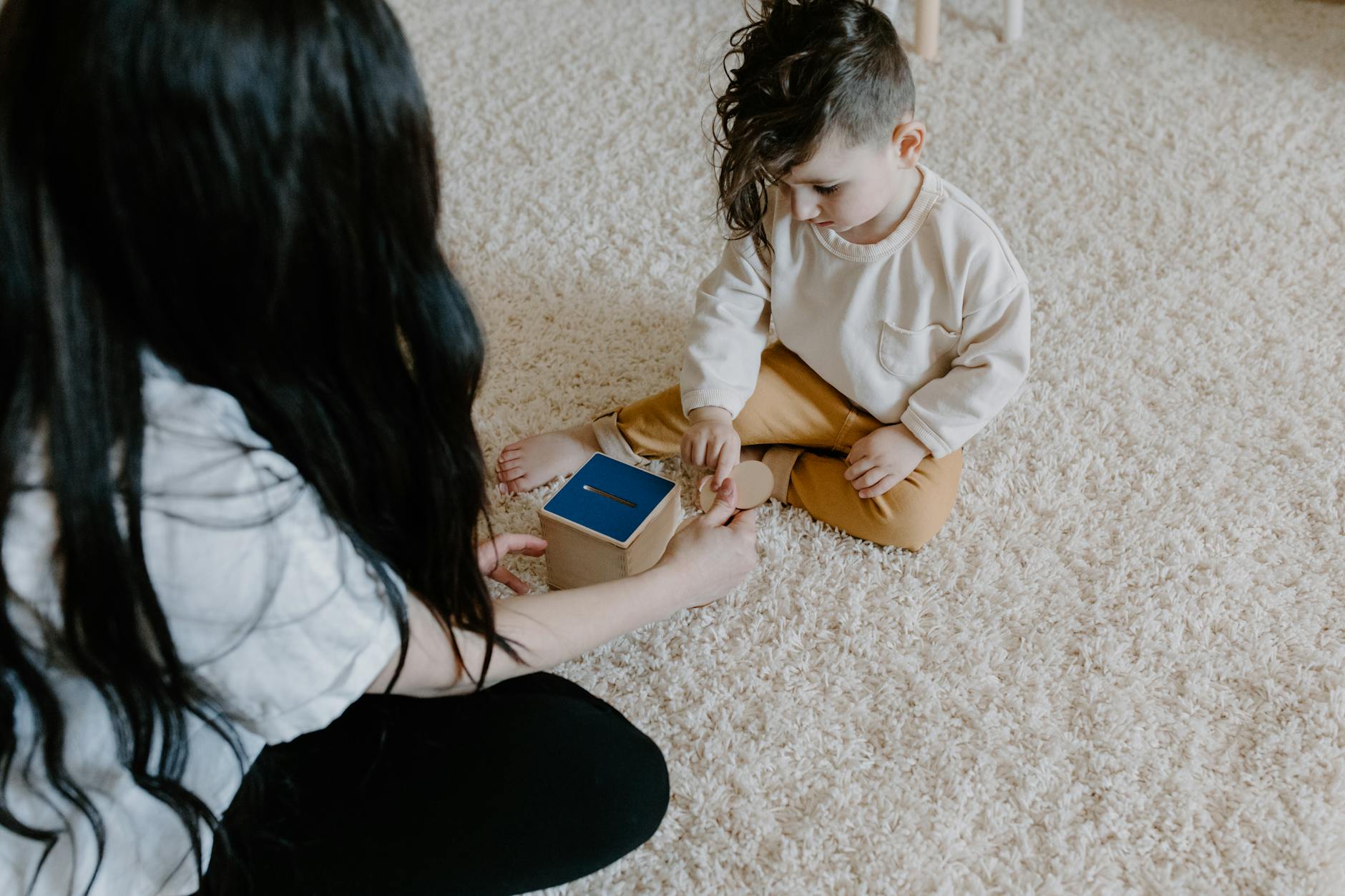
Shifting Our Strategy: From Demands to Development
Instead of demanding sharing, which often creates more conflict, we need to focus on building the foundational skills that make sharing possible. This involves creating a supportive environment and using gentle, consistent guidance. Teaching toddlers sharing isn't about immediate compliance; it's about long-term social skill development.
Modeling and Narrating
One of the most powerful tools we have is our own behavior. Children learn by watching us. When you’re playing with your toddler, narrate your own sharing. "Mommy is going to share her apple slices with you. See? I'm giving you some of mine." Or, during playdates, model sharing with another adult: "Would you like to try this block? I'm happy to share it with you." This makes the concept tangible and less intimidating.
Using "Turn-Taking" as a Stepping Stone
For many toddlers, true sharing is too abstract. "Turn-taking" is a much more concrete concept they can grasp. Instead of saying, "Share the car," try, "It’s Leo’s turn with the car now. You can have it after him." This introduces the idea of waiting and knowing that the coveted item will eventually return. It’s a crucial step in developing patience and understanding the flow of social interaction. This is a core component of effective teaching toddlers sharing.
Creating "Sharing-Friendly" Environments
When setting up playdates or choosing toys, consider the environment. If you know a particular toy is a high-value item and likely to cause conflict, perhaps it’s best kept out of reach or used only when you can closely supervise and facilitate turn-taking. Having duplicate toys can also be a lifesaver. If two children want the same red car, having two red cars can diffuse the situation instantly. This is a practical strategy from early childhood education best practices.
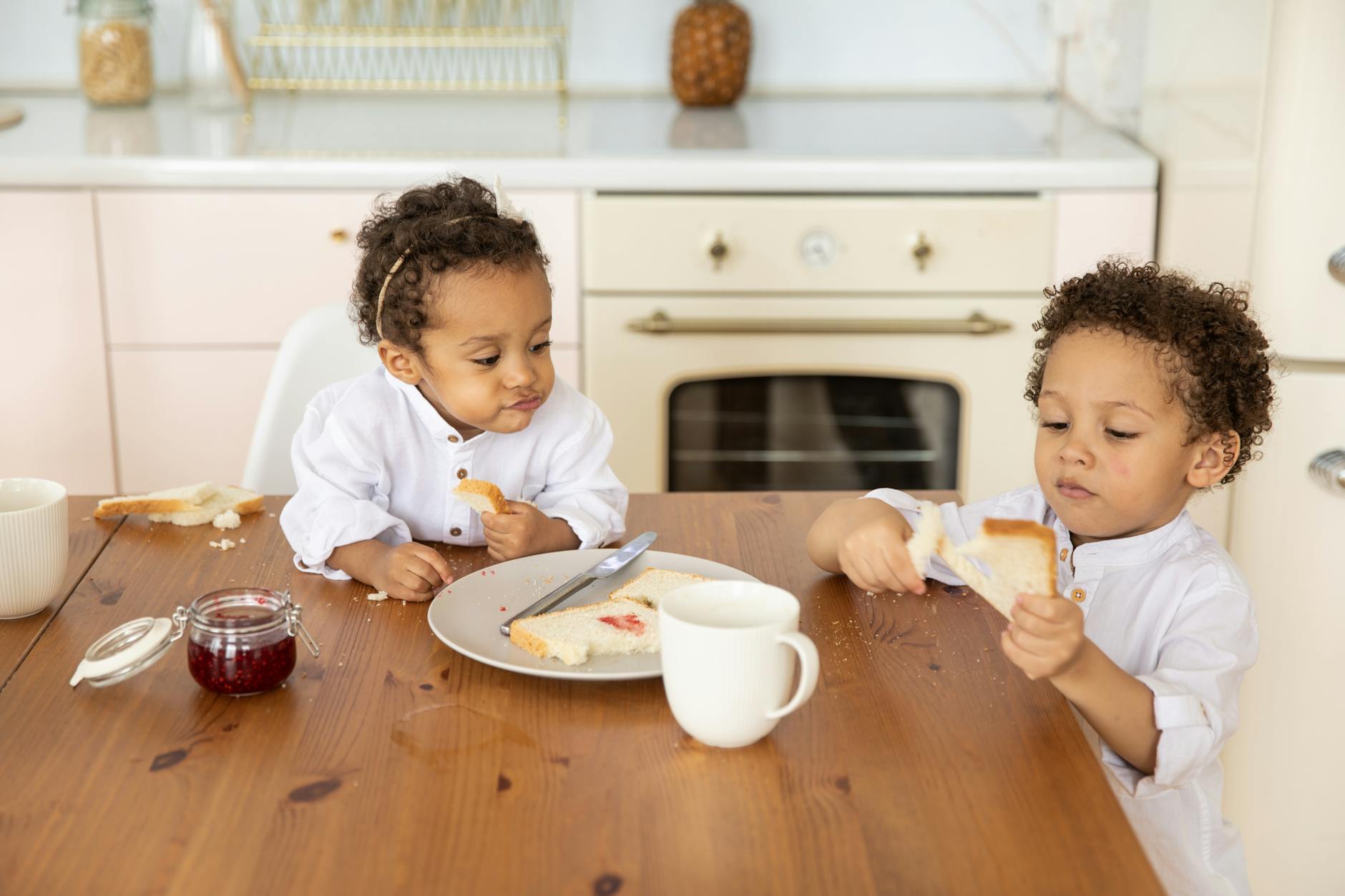
Toddler Sharing Activities: Playful Pathways to Cooperation
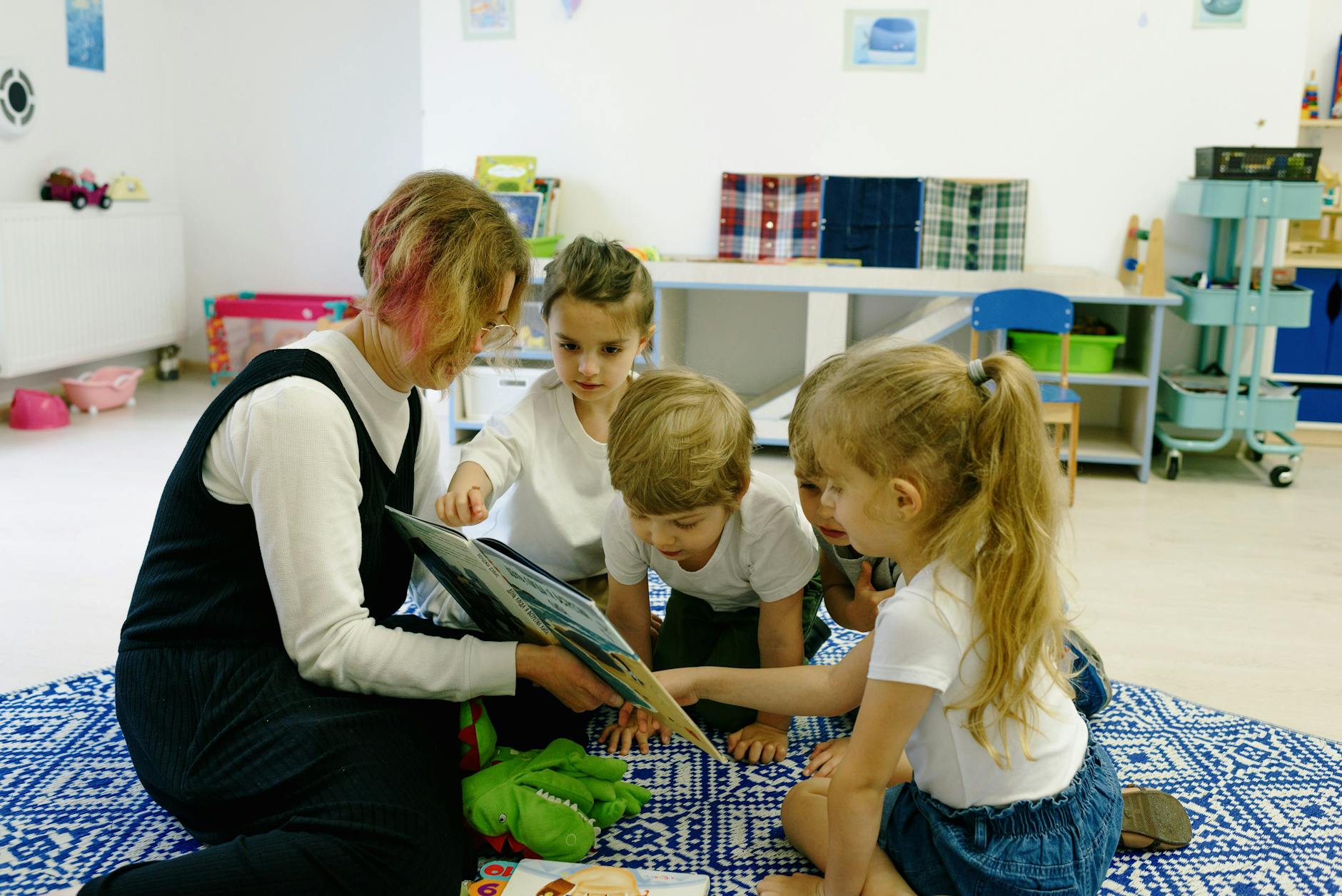
The best way to teach toddlers sharing is through play. When children are engaged and having fun, they are more open to learning and experimenting with new social behaviors. These toddler sharing activities aren't about drills; they're about organic learning experiences.
The "My Turn, Your Turn" Game
This simple game is incredibly effective. Use a toy that one child is playing with. Say, "Okay, [child's name], it's my turn to roll the ball!" Take a turn, then immediately say, "Now it's your turn again!" This reinforces the concept of taking turns and shows that giving up a toy doesn't mean losing it forever. You can adapt this for blocks, cars, or any other toy.
Cooperative Building Projects
Engage your toddler in building something together. Whether it’s a block tower, a playdough sculpture, or a train track, working towards a shared goal encourages collaboration. You can say, "Let's both put a block on top to make it taller!" This naturally involves handing toys back and forth and negotiating ideas, all vital sharing skills for toddlers.
Doll or Stuffed Animal Scenarios
Use dolls or stuffed animals to act out sharing scenarios. Have one doll "give" a toy to another doll. Talk through the feelings: "Dolly is happy because her friend shared the teddy bear." You can also act out scenarios where a doll is sad because no one will share, and then show how sharing makes everyone happy. This is a gentle way to introduce the emotional aspects of sharing.
Sensory Bin Exploration
Sensory bins filled with rice, beans, water beads, or sand can be a wonderful way for toddlers to practice sharing space and materials. When multiple children are exploring the same bin, they naturally learn to navigate around each other and share the tools (scoops, cups, etc.). This type of play-based learning is incredibly beneficial for developing social skills for preschoolers.
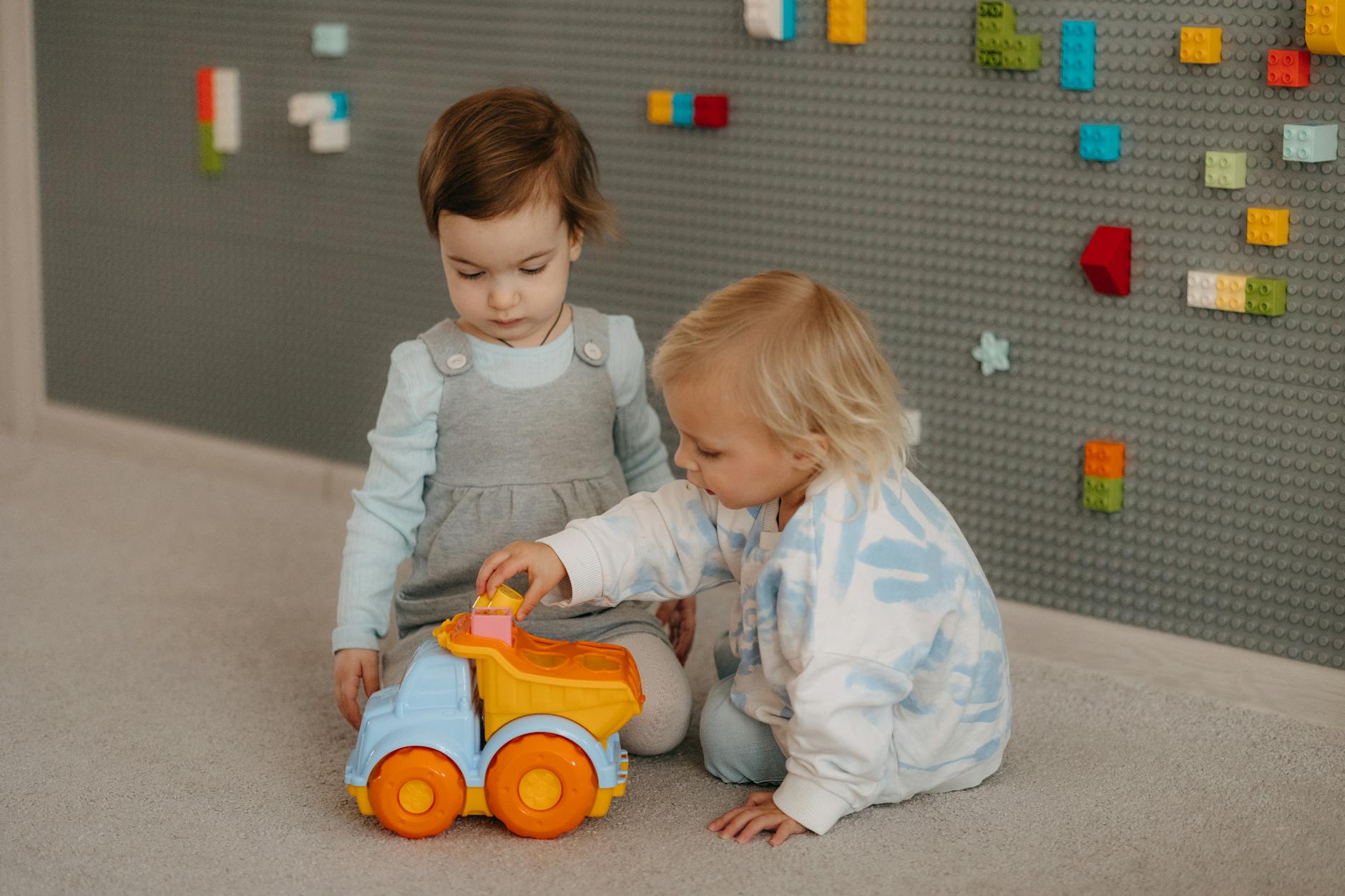
Navigating Toddler Sharing Problems: When Things Get Tough
Even with the best strategies, toddler sharing problems are inevitable. There will be tears, frustration, and moments when you feel like you're banging your head against a wall. This is normal. The key is how you respond to these challenges.
The Power of "I See..." Statements
When conflict arises, avoid immediately jumping in to fix it or assign blame. Instead, use descriptive "I see..." statements. "I see you're both reaching for the same truck," or "I see Leo is crying because Maya has the ball." This validates their feelings without taking sides and opens the door for problem-solving.
Teaching Problem-Solving Together
Once you've acknowledged the feelings, guide them towards a solution. Ask open-ended questions: "What could we do so you both get a chance to play?" or "How can we solve this?" Sometimes, the solution might be as simple as setting a timer for turns. Other times, it might involve finding a different toy. This is where positive discipline comes into play, empowering children to find solutions rather than just following orders.
Managing Toddler Tantrums Around Sharing
Tantrums are often a sign of overwhelm or frustration. If a child is having a meltdown because they don't want to share, don't try to reason with them in the heat of the moment. Ensure they are safe, and offer comfort. Once they've calmed down, you can revisit the situation. "I know you were really upset about not getting a turn. Let's try to remember to use our words next time, or ask for help." This is a critical part of parenting toddlers and managing toddler tantrums effectively.
When to Step In and When to Let Them Figure It Out
It’s a delicate balance. If the situation involves aggression or potential harm, you must intervene immediately. However, for minor squabbles over toys, sometimes allowing them to work it out (with close supervision) can be more beneficial. They learn negotiation, compromise, and resilience. The National Alliance on Mental Illness research on teaching toddlers sharing highlights the importance of allowing children to experience natural consequences within safe boundaries.
The Long Game: Building a Foundation for Future Relationships
Teaching toddlers sharing is not just about getting through playdates without tears. It’s about laying the groundwork for crucial social skills that will benefit them throughout their lives. Children who learn to share, cooperate, and empathize are more likely to form strong friendships, succeed in school, and navigate complex social situations with confidence.
Developing Social Skills for Preschoolers and Beyond
The sharing skills for toddlers we cultivate now directly impact their social skills for preschoolers and beyond. Learning to take turns, negotiate, and consider others' feelings are foundational for understanding fairness, building trust, and becoming a good friend. The American Psychological Association research on teaching toddlers sharing consistently points to early social-emotional learning as a predictor of long-term well-being.
Fostering a Sense of Community
When children learn to share, they learn to be part of a community. They understand that their needs can be met, but so can the needs of others. This fosters a sense of belonging and cooperation, which are essential for healthy development. This is a key aspect of early childhood education that extends far beyond academic learning.
The Unexpected Benefit: Independence
Here's something that might surprise you: teaching toddlers sharing can actually foster independence. When children feel secure in their ability to negotiate and resolve social conflicts, they become more confident in social settings. They don't always need an adult to mediate every little interaction. They learn to trust their own problem-solving skills, which is a huge step towards independence. It's a curious paradox, but a true one.
So, take a deep breath. Be patient with yourself and your toddler. Remember that teaching toddlers sharing is a marathon, not a sprint. Celebrate the small victories – the moment your child offers a toy, the successful turn-taking, the shared giggle over a building project. These moments are the building blocks of a compassionate, cooperative, and socially adept human being. You’re not just teaching them to share a toy; you’re teaching them how to connect with the world around them. And that, my friends, is a gift that keeps on giving.