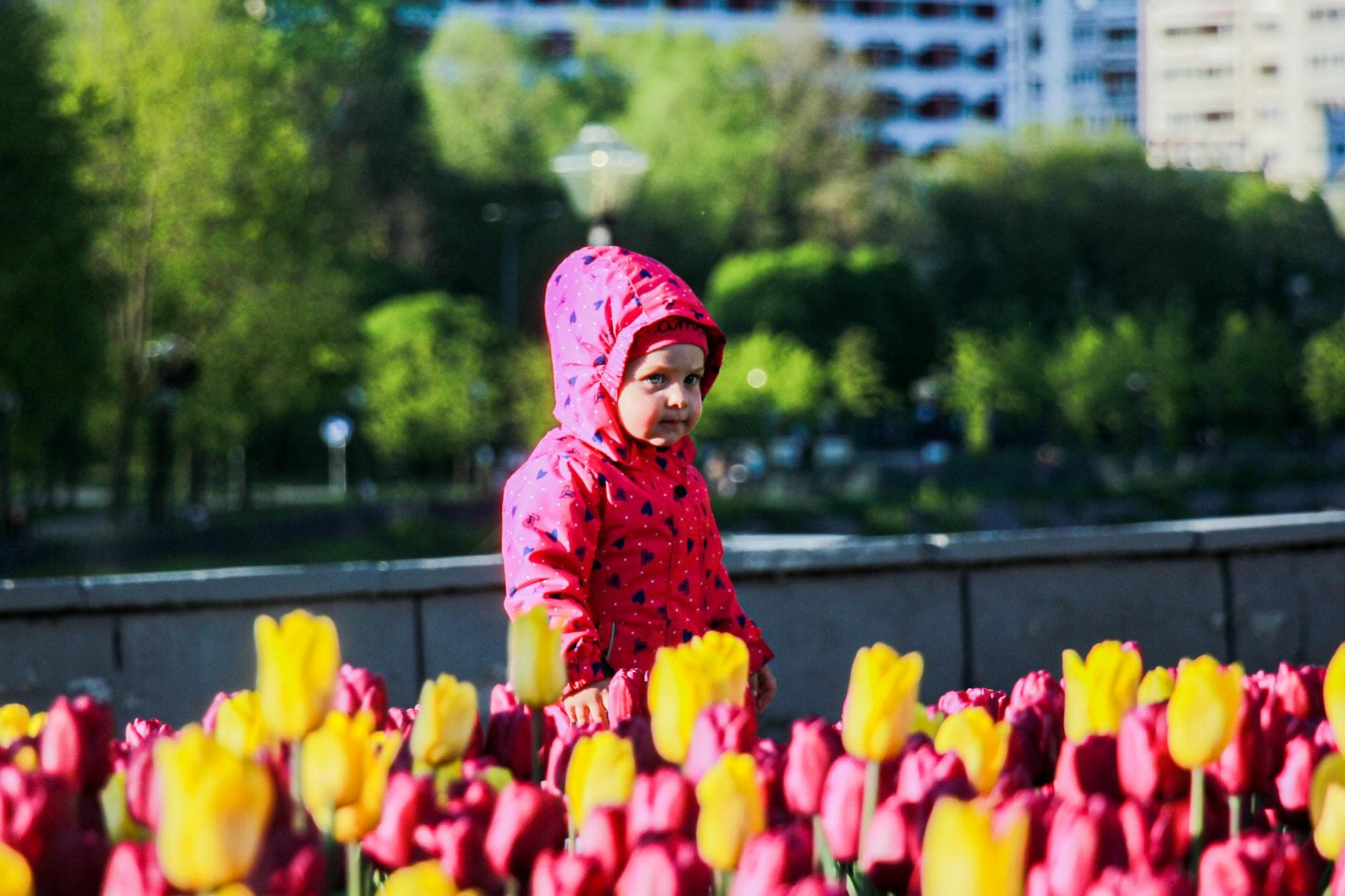
Remember that sheer joy on a toddler's face when they discover a wiggly worm or a smooth, grey stone? That unadulterated wonder is the heart of toddler outdoor exploration. It’s more than just playing outside; it’s a fundamental part of their early childhood development, shaping their understanding of the world around them. But with that joy comes the inherent need for us, as caregivers, to ensure their adventures are both enriching and safe. You've probably noticed how much more engaged and curious your little one becomes when they’re given the freedom to explore the natural world.
The Unfolding Wonders of Toddler Outdoor Exploration
Why Nature is the Ultimate Classroom
Honestly, there's no better playground than the great outdoors for a toddler. It’s a dynamic, ever-changing environment that stimulates all their senses. Think about it: the rough texture of bark, the cool dampness of soil, the sweet scent of blossoms, the chirping of birds – it’s a symphony for their developing minds and bodies. This kind of sensory play for toddlers is crucial for cognitive growth, building connections in their brains that structured indoor activities often can't replicate. It’s where their childhood curiosity truly takes flight.
Beyond the Backyard: Safe Toddler Adventures
Many parents worry about safety, and that's completely understandable. But setting boundaries doesn't mean limiting opportunities. It's about smart planning and supervision. We need to create an environment where they can push their boundaries a little, learn about cause and effect, and develop their gross motor skills development without us hovering constantly. The goal is to foster independence children, not stifle it with fear.
Spring Activities for Toddlers: Embracing the Season
Spring, in particular, is a magical time for toddler outdoor exploration. Everything is coming back to life, offering a fresh perspective. From tiny buds unfurling on trees to the return of buzzing bees, there’s so much to observe and interact with. These spring activities for toddlers can be as simple as visiting a local park or as involved as a nature scavenger hunt in your own garden. The key is to be present and follow their lead.
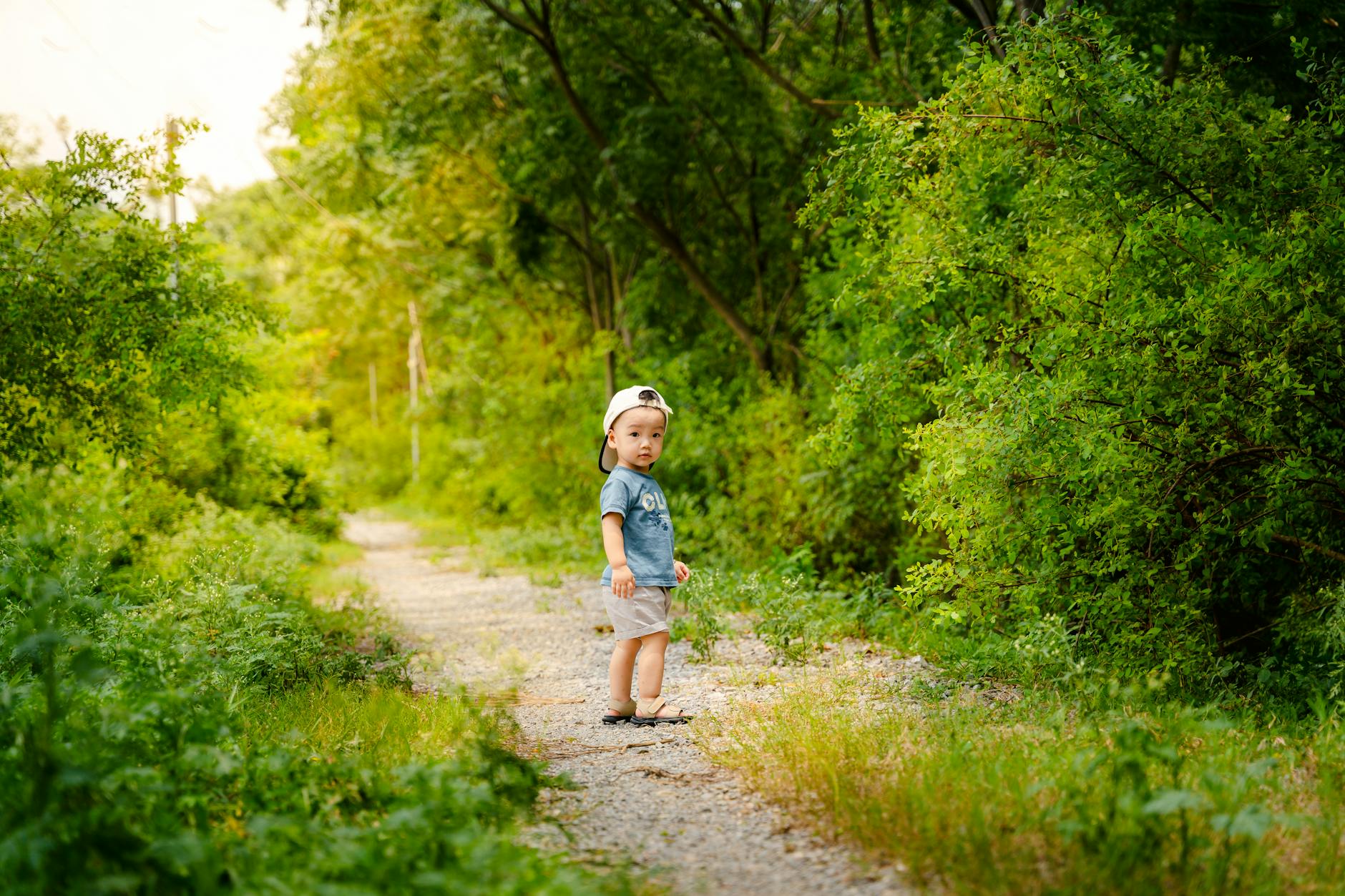
Navigating the Landscape: Child Exploration Safety
Setting the Stage for Secure Discoveries
When we talk about child safety outdoors, it’s not about erecting fences around every blade of grass. It's about understanding potential hazards and mitigating them. This means checking the playground equipment for splinters or rust, ensuring there are no poisonous plants within reach, and always being aware of water sources. It’s about proactive parenting tips toddlers will benefit from, not reactive panic.
The Art of Supervision: Present, Not Overbearing
I'll be real with you, finding that balance between allowing freedom and ensuring safety can feel like walking a tightrope. But here's the thing: effective supervision isn't about having eyes on them every single second. It's about being close enough to intervene if needed, but far enough away to let them problem-solve on their own. When you’re engaged in toddler outdoor exploration with them, you're not just a guardian; you're a fellow explorer, modeling curiosity and respect for the environment.
When to Introduce New Environments
Think about the last time you visited a new park or nature trail with your little one. It can be a bit overwhelming at first, right? For toddlers, it’s the same. Start with familiar spaces and gradually introduce new ones. This helps them build confidence and reduces anxiety. A trip to a local botanical garden, for instance, can be a wonderful way to experience new sights and smells in a controlled setting. It’s also a great way to prepare your child for spring playdates and broader social interactions, enhancing their child social skills.
The Toddler Outdoor Play Idea Bonanza
Sensory Bin Adventures, Naturally
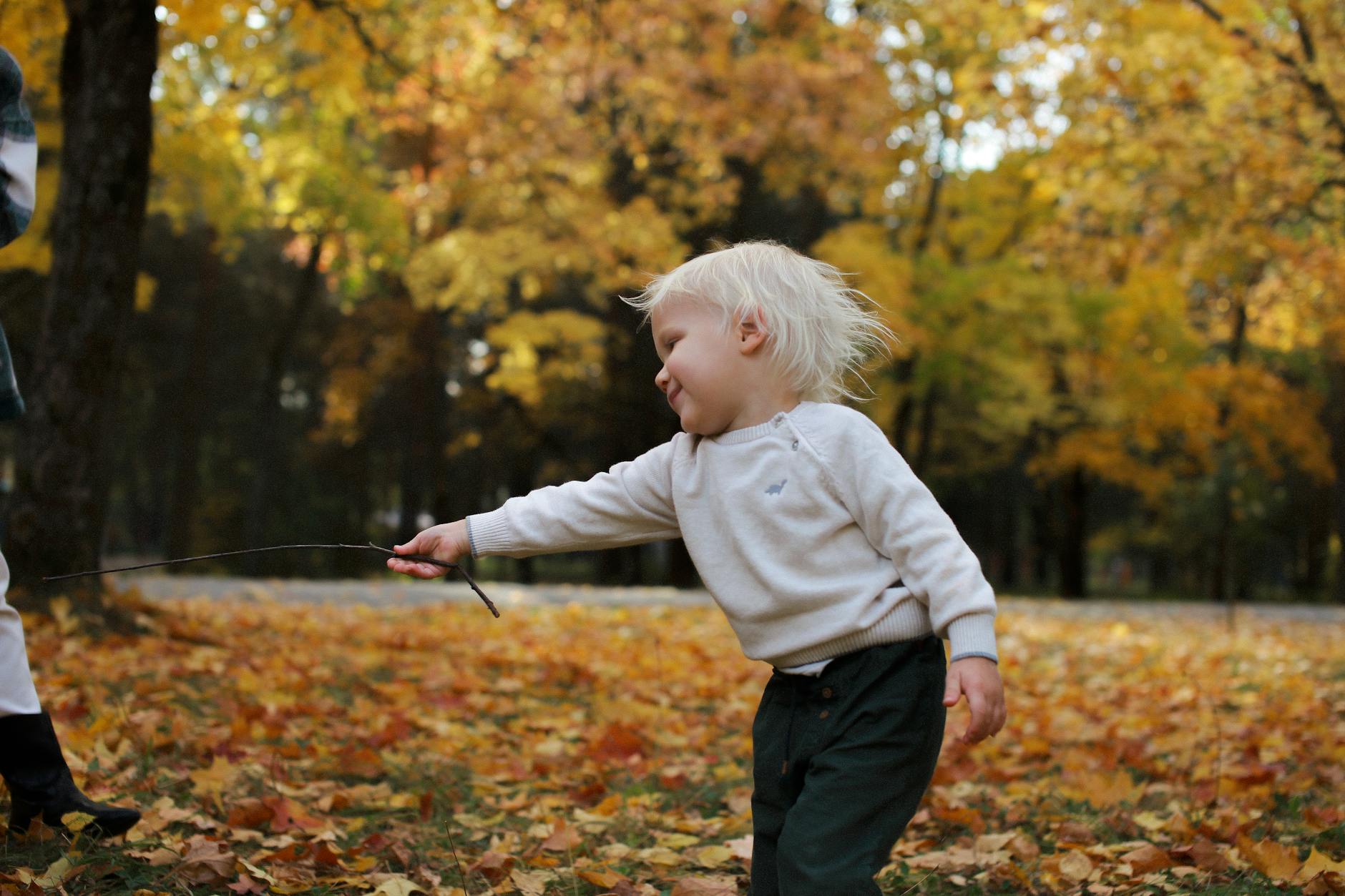
You don't need fancy store-bought toys for amazing toddler outdoor play. Grab a few buckets, some natural materials like leaves, pinecones, and pebbles, and let them go to town. This is sensory play for toddlers at its finest. They can sort, stack, pour, and discover textures. It’s amazing how long a simple collection of sticks can keep a toddler entertained, fostering creativity and fine motor skills.
Mud Pies and Masterpieces
If you can embrace a little mess, mud play is pure gold. It’s messy, it’s tactile, and it’s incredibly satisfying for little hands. Provide some old pots, pans, and spoons, and let them create their own earthy concoctions. This kind of tactile exploration is deeply grounding and helps build resilience. It's also a fantastic way to engage with nature exploration for kids on a primal level.
Nature Walks with a Purpose
A simple walk can become an adventure with a little planning. Give them a small bag to collect treasures – a pretty leaf, a smooth stone, a fallen feather. This turns a passive stroll into an active scavenger hunt. You could even create a simple picture checklist for them to find things, like a ladybug or a dandelion. This type of toddler learning activities makes the experience more engaging and memorable.
The Deeper Impact: Toddler Outdoor Exploration and Development
Boosting Physical Prowess
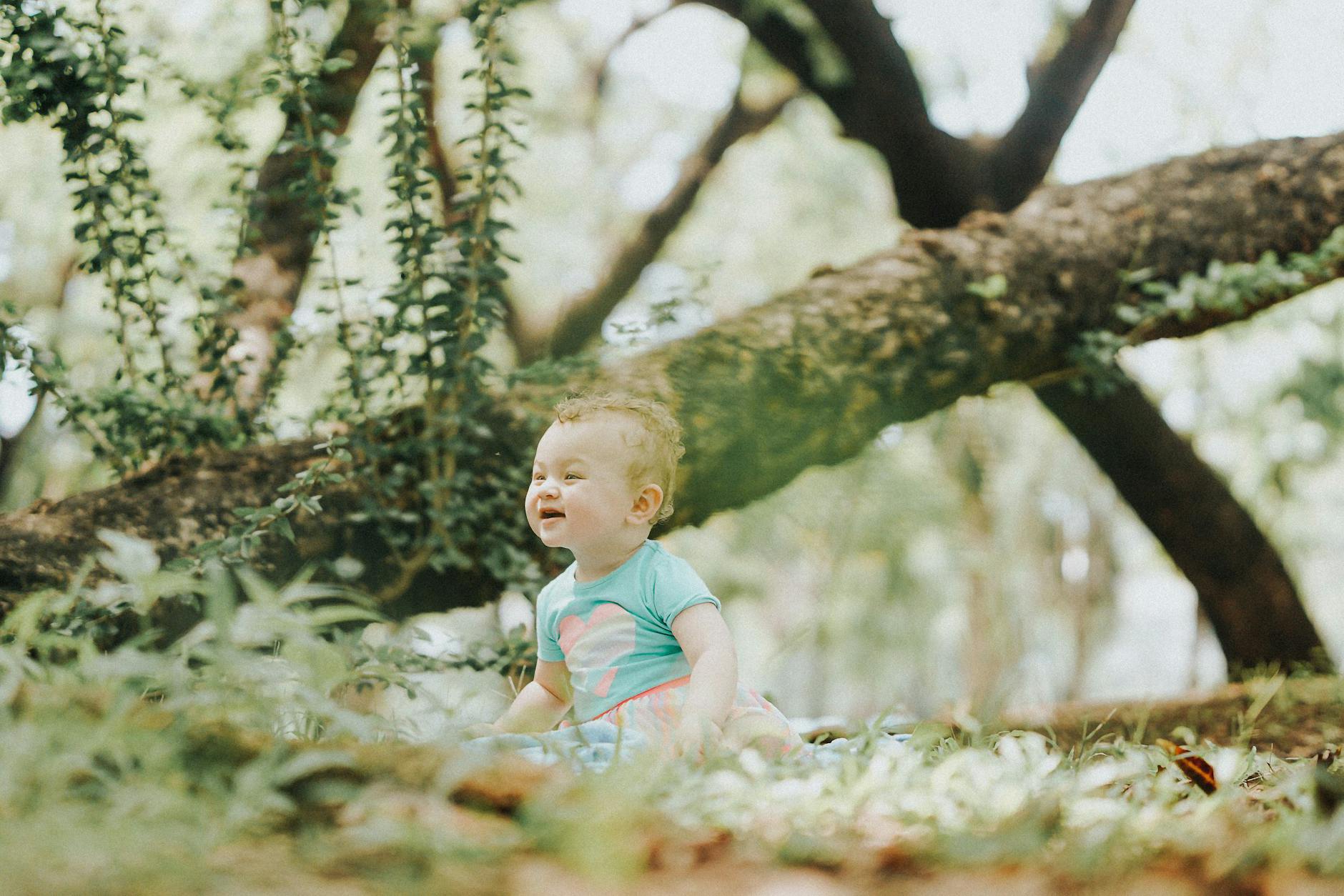
Running, jumping, climbing, crawling – these are the building blocks of gross motor skills development. Outdoors, there are endless opportunities for this. Uneven terrain challenges their balance, hills encourage climbing, and open spaces invite running. This physical activity is not just fun; it's essential for building strong muscles and bones, and for developing coordination and spatial awareness. It also helps them burn off that boundless toddler energy!
Nurturing Cognitive Growth
When a toddler is faced with a pile of leaves, they might try to push them, throw them, or hide in them. These are all experiments. They are learning about physics, cause and effect, and object permanence. Nature exploration for kids provides constant opportunities for problem-solving and critical thinking. The American Psychological Association research on toddler outdoor exploration consistently highlights the link between outdoor engagement and enhanced cognitive functions like attention and memory.
Fostering Emotional Well-being
There's a calming effect that nature has on children, and adults too, for that matter. Being outdoors can reduce stress and anxiety, promoting a sense of peace. It also provides an outlet for expressing emotions. A child who is frustrated might stomp through puddles, releasing that energy in a healthy way. This connection to the natural world can also foster a sense of wonder and awe, contributing to a more positive outlook on life. The National Institutes of Health research on toddler outdoor exploration points to significant benefits for mental health and emotional regulation.

Your Role: The Guiding Star in Toddler Outdoor Exploration
Modeling Curiosity and Respect
Your enthusiasm is contagious. When you get down on your hands and knees to examine a fascinating bug or express wonder at a vibrant flower, you’re teaching your child that learning is exciting and that nature is something to be cherished. This modeling is far more powerful than any lecture on environmentalism. It’s about showing them how to be curious and respectful observers.
Embracing the Mess
Look, I used to be a bit of a neat freak. But with toddlers and the outdoors, you have to let go a little. Muddy hands, grass stains, a few stray leaves in their hair – it’s all part of the process. These are the badges of a well-explored adventure. Embrace the chaos, and you’ll find that the joy and learning far outweigh the cleanup. This is where fostering independence children really begins – by letting them engage fully without constant worry about perfection.
Trusting the Process
Toddler outdoor exploration is a journey, not a destination. There will be days when they are fascinated by a single pebble for twenty minutes, and days when they run themselves ragged. Trust that they are learning and growing with every experience. The skills they develop – from problem-solving to physical coordination – are invaluable. Psychology Today research on toddler outdoor exploration often emphasizes the long-term developmental benefits of consistent, unstructured outdoor time. It’s about building a foundation for a lifelong love of learning and discovery.