Beyond the Mess: Understanding Toddler Sensory Play
There's a common misconception that toddler sensory play is just about making a mess, a chaotic free-for-all of water and paint that parents dread. Honestly, I used to think that too, before I truly understood the profound impact it has on a child's development. The truth is, engaging in toddler sensory play is one of the most fundamental and powerful ways young children learn about the world around them. It’s not just about fun; it’s about building the very foundations of their cognitive, emotional, and physical selves. When we embrace sensory exploration, we’re opening up a universe of learning for our little ones.
The Foundation of Learning: Why Sensory Matters
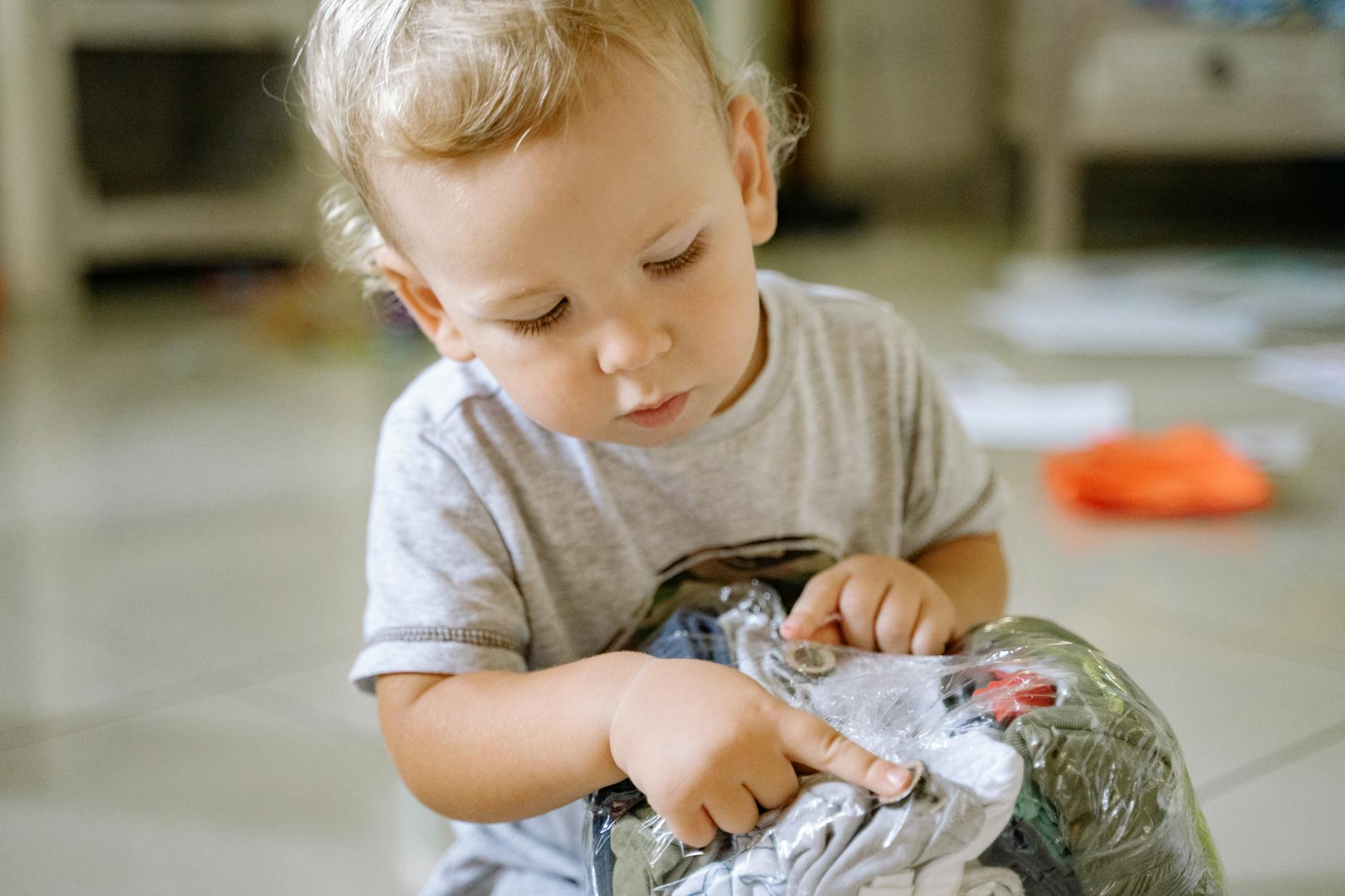
Think about how babies explore the world. They put everything in their mouths, they touch, they listen, they smell. This is their innate way of gathering information. Toddlers, though more mobile and communicative, still rely heavily on their senses to make sense of their environment. Toddler sensory play provides structured, yet open-ended, opportunities for this vital exploration. It's through these experiences that connections are formed in their developing brains, laying the groundwork for everything from language acquisition to problem-solving skills.
Building Brain Architecture
The Role of the Senses
Unlocking Developmental Milestones with Toddler Sensory Play
The benefits of toddler sensory play extend far beyond simple enjoyment. It’s a powerhouse for developing a wide range of crucial skills that will serve your child throughout their life. You might be wondering how a bucket of rice can contribute to their future success, but the answer is significant.
Boosting Cognitive Growth
Enhancing Emotional Regulation
Fostering Physical Development
Embracing the Outdoors: Toddler Outdoor Sensory Play Adventures
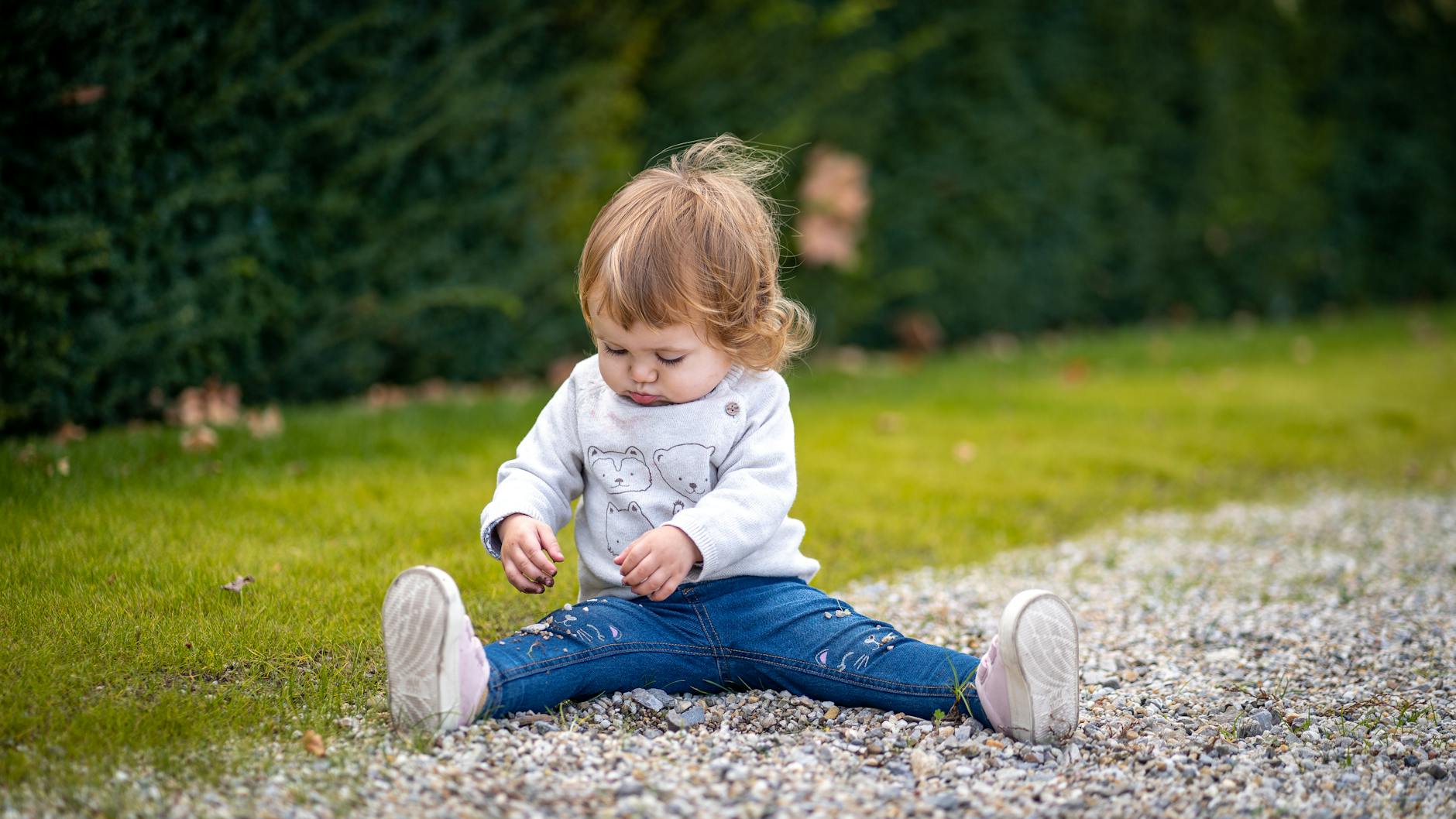
One of the most enriching environments for toddler sensory play is, without a doubt, the great outdoors. Nature offers an endless buffet of sensory experiences that are both stimulating and calming. Incorporating outdoor sensory play toddlers into your routine can transform ordinary days into extraordinary learning opportunities. Think about a simple walk in the park; it's a treasure trove waiting to be discovered.
The Magic of Nature's Palette
Seasonal Sensations: Spring Sensory Activities
Adventures in the Backyard
Creating Engaging Sensory Experiences at Home
You don't need elaborate setups or expensive toys to provide fantastic toddler sensory play opportunities. Often, the simplest materials lead to the most imaginative discoveries. The key is to offer variety and observe your child's interests, guiding them without dictating their exploration.
Sensory Bins: A World in a Tub
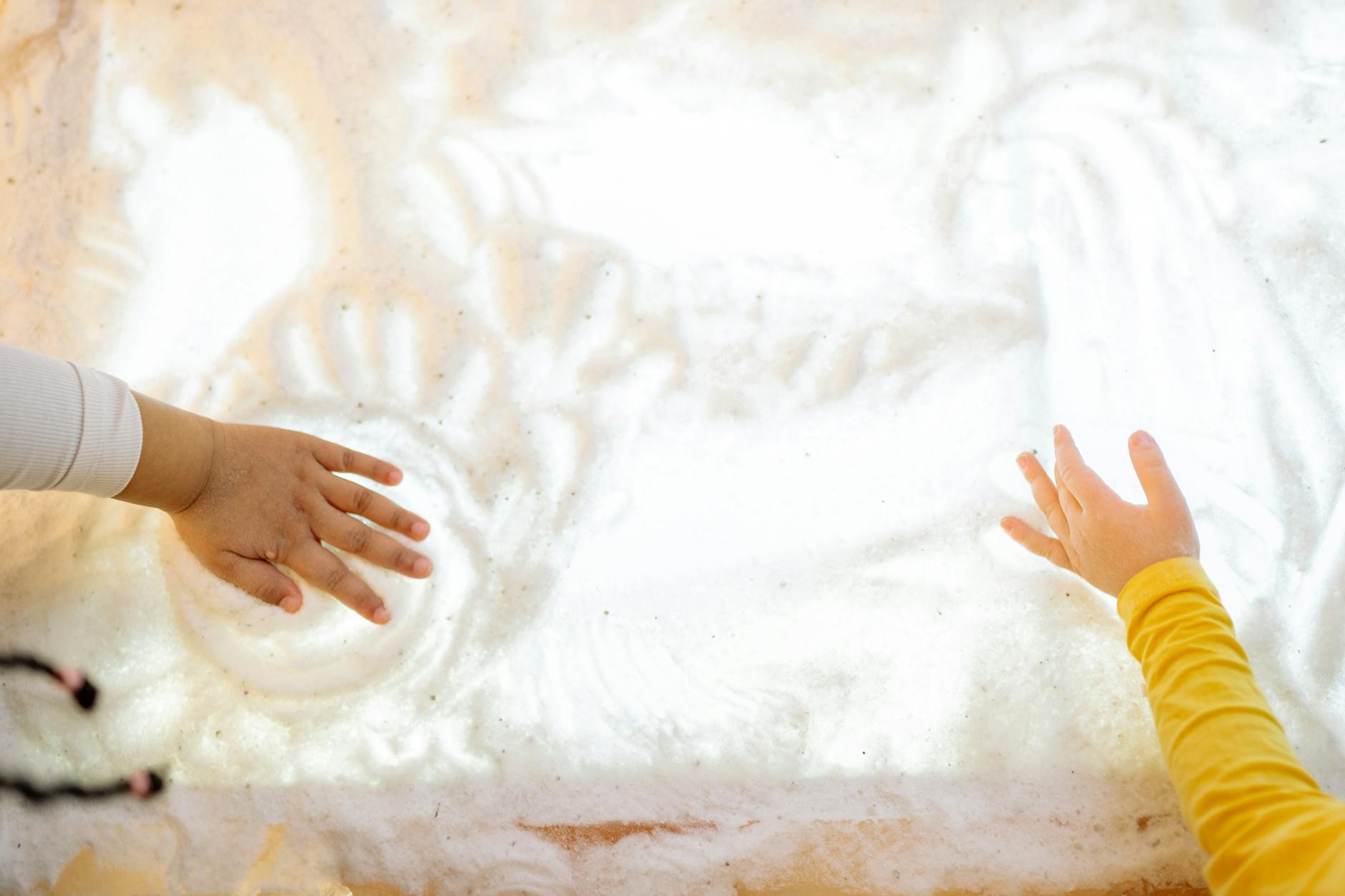
Water and Sand Play: Timeless Classics
Edible Sensory Fun
Navigating the Sensory Landscape: Tips for Parents
As a parent, your role in toddler sensory play is crucial, but it’s not about being the entertainment director. It’s about being a facilitator, a safe observer, and an enthusiastic participant when invited. Here's the truth: your child is the expert on their own sensory experience.
Safety First, Fun Always
Embrace the Mess (Within Reason!)
Observe and Adapt
The Long-Term Impact of Sensory Exploration
The experiences you provide now, through dedicated toddler sensory play and general sensory exploration, have a ripple effect throughout your child's development. Research from organizations like the National Alliance on Mental Illness research on toddler sensory play highlights how early sensory engagement can positively influence mental well-being and emotional resilience later in life. Similarly, The Gottman Institute research on toddler sensory play points to the importance of shared experiences in building strong parent-child bonds, which often begin with playful interaction.
Building a Foundation for Lifelong Learning
Nurturing a Curious and Confident Child
Ultimately, toddler sensory play is an investment in your child’s future. It’s about providing them with the tools and experiences they need to understand themselves and the world around them. So, the next time you see a pile of dirt or a tub of pasta, don't just see a mess. See an opportunity. See a building block for a brilliant mind. See a moment of pure, unadulterated childhood joy.