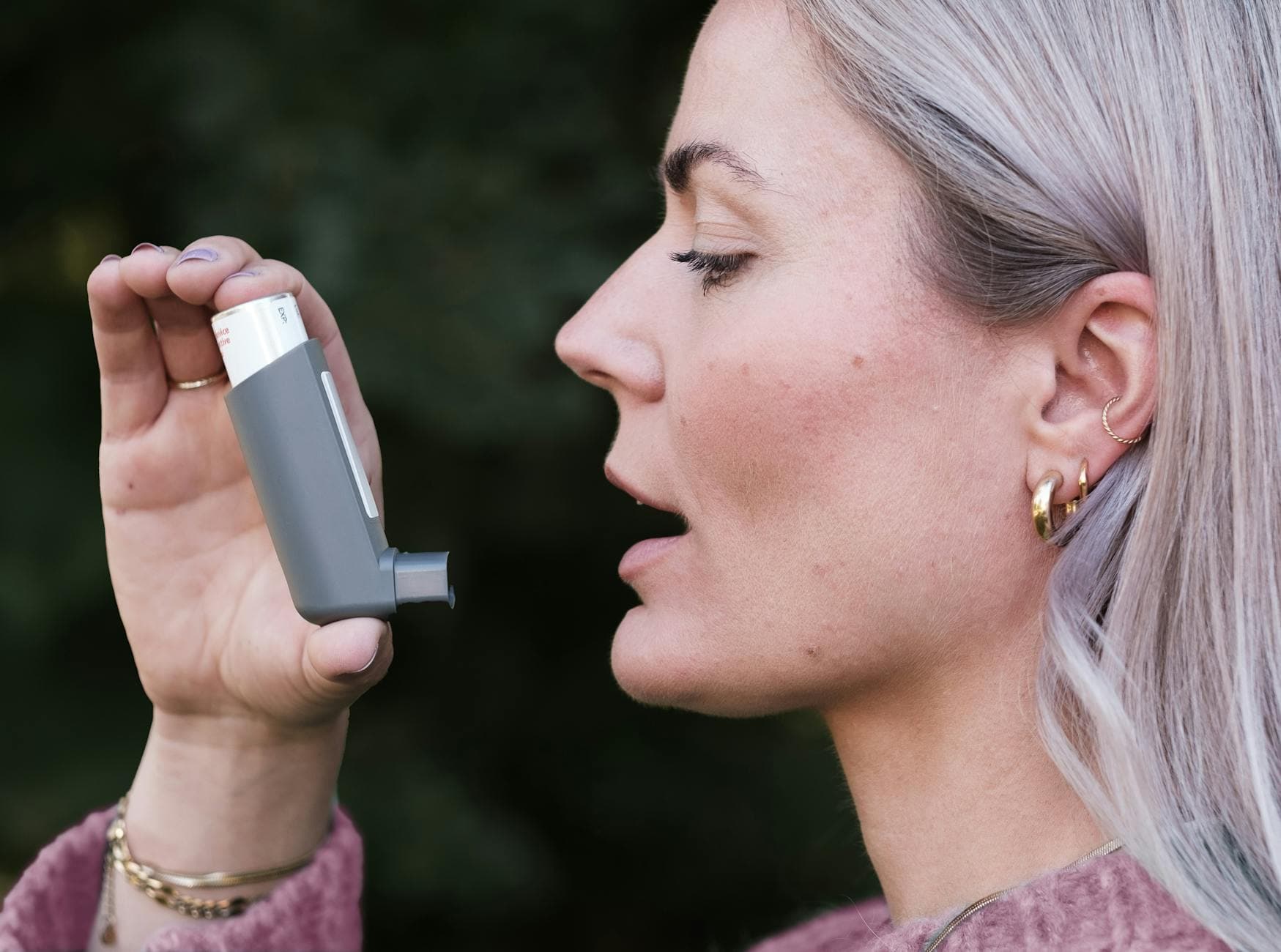
Have you ever found yourself feeling inexplicably on edge, a little more down, or just plain *off* when the flowers start blooming and the pollen count spikes? You're not alone, and it's not just in your head. The connection between our physical and mental well-being is profound, and the often-overlooked impact of allergies on our emotional state is a significant piece of the puzzle when we talk about overall allergy mental health.
The Hidden Toll of Allergy Symptoms on Your Mood
For years, I chalked up those dreary, foggy days during peak allergy season to just being tired, or maybe a bit stressed from work. I'd grab another cup of coffee, push through, and assume the feeling would pass. But here's the thing: it rarely did, not until the pollen count dropped. The itchy eyes, the constant sneezing, the clogged sinuses – these aren't just physical annoyances. They're signals from your body, and they can absolutely wreak havoc on your mental state.
Physical Discomfort Fuels Emotional Distress
Think about the last time you had a really bad head cold. You were probably irritable, unfocused, and just generally miserable. Allergies can create a similar, albeit often more chronic, state of physical discomfort. When your body is constantly fighting off perceived invaders (like pollen), it releases inflammatory chemicals called cytokines. These same chemicals have been linked to mood disorders like depression and anxiety.
It's a vicious cycle. The physical symptoms of allergies make you feel bad, and feeling bad can amplify your perception of those symptoms. An ache feels worse when you're already feeling low. A sneeze can feel like the last straw when you're teetering on the edge of overwhelm. This is a core aspect of allergy mental health that many people miss.
Sleep Disruption and Its Mental Fallout
Trying to sleep with a stuffy nose or the urge to cough all night is a special kind of torture. Poor sleep quality is a direct highway to mental distress. When you're sleep-deprived, your ability to regulate emotions plummets. You become more reactive, less patient, and more prone to anxious thoughts. The National Institutes of Health research on allergy mental health highlights how sleep disturbances are a major contributor to worsened mood.
When Spring Allergies Trigger Anxiety
The arrival of spring should, in theory, lift our spirits. Longer days, warmer weather, the promise of renewal. But for many, it heralds the onset of spring allergies anxiety. The very things that signal beauty can become triggers for a heightened sense of unease. You might start to dread opening the windows, or feel a pang of worry every time you step outside.
The Anticipation of Symptoms
Sometimes, the anxiety isn't even about the current symptoms, but the anticipation of them. You know what's coming. You remember the itchy throat, the watery eyes, the feeling of being unable to catch your breath. This foreknowledge can create a baseline level of worry that colors your entire experience of the season. You might find yourself constantly checking the pollen count, which only feeds the anxiety.
Allergic Reactions Mimicking Panic Attacks
This one surprised me. I've heard from many people, and experienced myself to a lesser degree, how certain allergy symptoms can eerily mimic the physical sensations of a panic attack. The feeling of shortness of breath, a racing heart, dizziness – these can all be triggered by an allergic response. When you're not aware of the connection, it's easy to spiral into a full-blown panic, believing something much more serious is happening.
Seasonal Allergies and the Specter of Depression
While anxiety might be the more overt emotional response for some, others find themselves sinking into a deeper gloom. Seasonal allergies depression is a real phenomenon, and it can be particularly insidious because it often gets mistaken for just a general case of the winter blues lingering too long, or simply a bad mood.
The Impact of Pollen on Mood
Research is increasingly pointing to the direct impact of pollen on mood. Some studies suggest that higher pollen counts are associated with increased rates of depression and suicidal ideation. While the exact mechanisms are still being explored, it's believed that the inflammatory response and the disruption of neurotransmitters play a significant role. It's not just about feeling physically unwell; it's about a biological shift that can affect your emotional landscape. This is a critical area of allergy mental health.
Reduced Outdoor Activity and Social Isolation
When you're battling severe allergies, the thought of spending time outdoors can be daunting. This means missing out on the mood-boosting benefits of sunshine and nature. For some, this can lead to social isolation. If you're avoiding gatherings because you're afraid of triggering your allergies, or because you don't want to be sneezing and sniffling in front of others, it can exacerbate feelings of loneliness and sadness.
I remember one year, my allergies were so bad in May that I declined three invitations to outdoor barbecues. I just couldn't face the idea of being miserable, itchy, and congested while everyone else was enjoying themselves. The isolation, I'll be real with you, felt worse than the physical symptoms themselves.
Understanding How Allergies Affect Mental Health
It's easy to dismiss the mental health impacts of allergies, but the evidence is mounting. The interplay between our physical and emotional states is complex, and allergies are a significant factor in this equation. Understanding how allergies affect mental health is the first step toward managing it effectively.
Inflammation's Role in Brain Function
As mentioned, the inflammatory response triggered by allergies isn't confined to your nasal passages. Cytokines can cross the blood-brain barrier and influence brain function, including areas responsible for mood regulation. This can lead to symptoms like fatigue, irritability, and a general lack of motivation, all of which are hallmarks of depression. Healthline research on allergy mental health delves into these biological pathways.
Histamine's Double Life
Histamine is famously known for its role in allergic reactions, causing itching and swelling. But histamine also acts as a neurotransmitter in the brain, playing a role in wakefulness, alertness, and even mood. When your body releases large amounts of histamine due to an allergen, it can disrupt the delicate balance of neurotransmitters, potentially contributing to anxiety and sleep disturbances. This is a fascinating, and often overlooked, aspect of allergy mental health.

Strategies for Allergy Relief and Mental Health Support
So, what can you do when you're caught in this cycle? The good news is that addressing your allergies can have a profound positive impact on your mental well-being. It's about finding effective allergy relief mental health support.
Optimizing Allergy Management
This might sound obvious, but truly optimizing your allergy management is key. Don't just suffer through it. Consult with an allergist to identify your triggers and discuss the best treatment plan for you. This could involve a combination of:
- Antihistamines: While effective, be mindful of potential side effects. Some can cause drowsiness or brain fog, which can negatively impact mood.
- Nasal corticosteroids: These are often very effective and have fewer systemic side effects.
- Allergy shots (immunotherapy): For severe or persistent allergies, this can be a long-term solution.
- Lifestyle changes: Keeping windows closed during peak pollen times, showering after being outdoors, and using air purifiers can make a significant difference.
Prioritizing Sleep Hygiene
When your allergies are under control, focus on improving your sleep. This means creating a consistent sleep schedule, making your bedroom dark and quiet, and avoiding screens before bed. Better sleep directly translates to better mood regulation and increased resilience to stress. If you find yourself struggling with sleep, consider exploring resources on how to manage overwhelm with CBT, as sleep issues are often intertwined with anxiety.
Embracing Nature Mindfully
Don't let allergies completely deter you from the outdoors. The benefits of connecting with nature for mental health are immense. Consider timing your outdoor excursions for times when pollen counts are lower (often early morning or after rain). Explore enclosed gardens or shaded areas where pollen may be less concentrated. Practicing self-compassion outdoors can also help you enjoy these moments without self-criticism if symptoms flare up.
Mindfulness and Stress Reduction Techniques
When you're feeling physically unwell and emotionally drained, stress can amplify everything. Incorporating mindfulness practices, meditation, or deep breathing exercises can help calm your nervous system. Even a few minutes a day can make a difference. If you're struggling with persistent anxiety, exploring techniques for spring mental clarity can be beneficial.
When to Seek Professional Help
It's crucial to recognize when your allergy symptoms are significantly impacting your mental health and require professional intervention. If you're experiencing persistent low mood, overwhelming anxiety, or thoughts of self-harm, please reach out for help.
Consulting Your Doctor
Your primary care physician or an allergist can help manage your physical symptoms. Don't hesitate to discuss your mental health concerns with them as well. They can rule out other medical conditions and provide referrals if necessary. The Gottman Institute research on allergy mental health often touches on the importance of open communication within relationships about health challenges, and this extends to your doctor.
The Role of Mental Health Professionals
A therapist or counselor can provide invaluable support. They can help you develop coping mechanisms for anxiety and depression, explore the root causes of your distress, and offer strategies for building resilience. Techniques like Cognitive Behavioral Therapy (CBT) can be particularly effective in managing both allergy-related anxiety and depressive symptoms. Remember, seeking help is a sign of strength, not weakness. You might find comfort in trauma healing quotes as you navigate your journey, but professional guidance is often essential for lasting change.
The connection between our physical health, particularly something as common as allergies, and our mental state is undeniable. By understanding how allergies affect mental health and taking proactive steps to manage both our physical symptoms and emotional well-being, we can navigate allergy season with greater peace and resilience. It’s about treating the whole you, not just the sniffles.