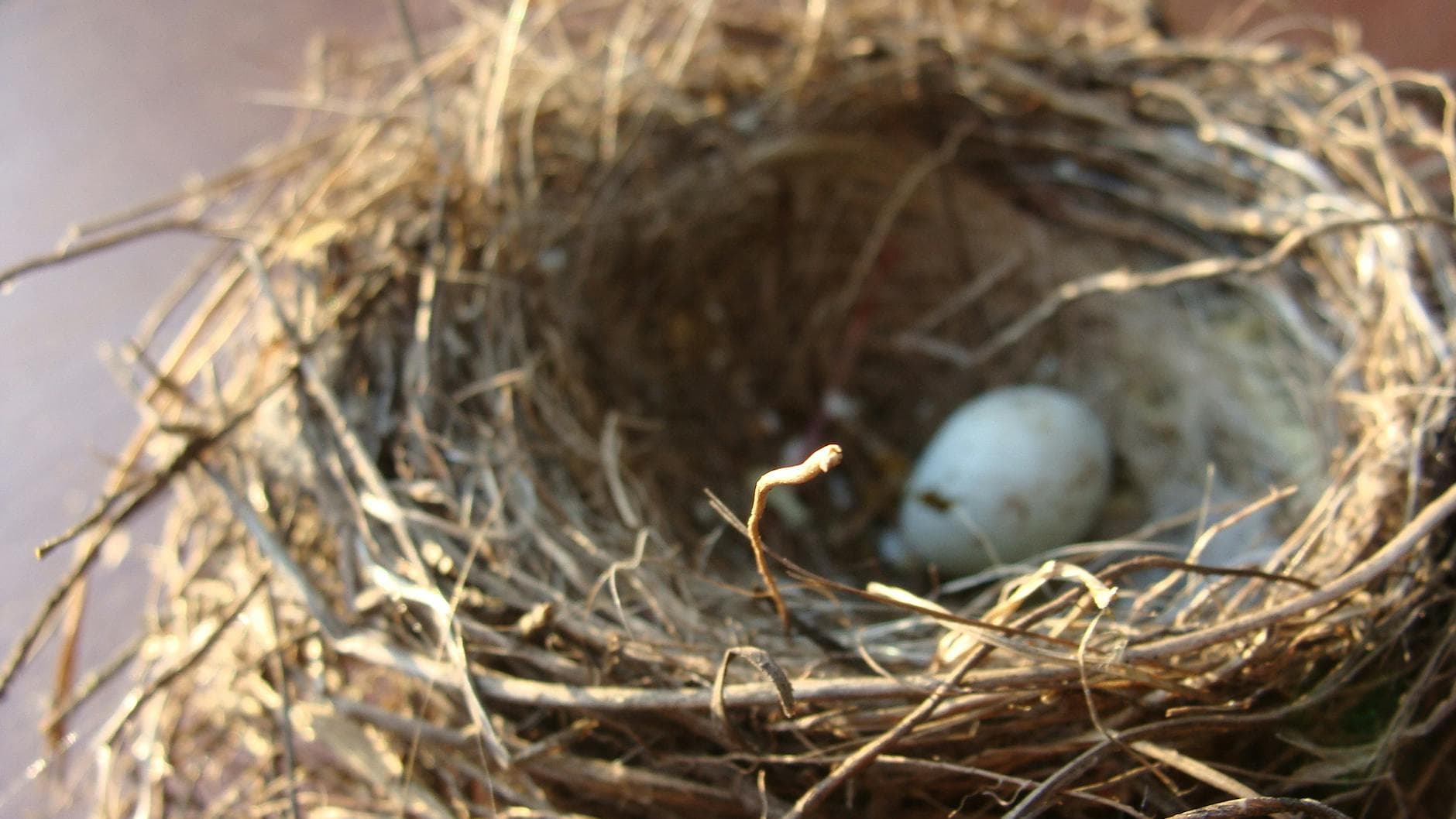
I used to think that when my kids flew the coop, it would be a relief. A quiet house, more time for myself, a chance to finally pursue those hobbies I’d put on the back burner. I was so wrong. The silence wasn't peaceful; it was deafening. The freedom felt like a void. This profound shift, this emotional adjustment, is what we often refer to as empty nest psychology, and it hit me harder than I ever anticipated.
The Unseen Weight of Empty Nest Psychology
For years, my identity was inextricably linked to being a parent. My days, my thoughts, my energy – they were all filtered through the lens of raising children. Then, almost overnight, that constant hum of activity, the demands, the joys, and even the frustrations, simply stopped. It wasn't just a change in routine; it was a fundamental shift in my sense of purpose. This is where the core of empty nest psychology lies: in the sudden absence of a primary role that has defined you for decades.
When the Nest Empties
The moment of departure is often marked by a mix of pride and sorrow. You’ve done your job, launched them into the world, and that’s a monumental achievement. But the subsequent quiet can feel like a betrayal of sorts, a stark reminder of what’s no longer present. This isn't about regret over your children leaving; it's about grappling with the void left behind in your own life.
The Definition of Parental Grief
Some experts even describe this feeling as a form of parental grief. It’s a loss, not of the child themselves, but of the daily presence, the intimate connection, the very structure that dictated your life. Think about the last time you were solely responsible for another human’s well-being, their every need. Now, imagine that responsibility vanishing. It leaves a vacuum that can be incredibly disorienting.
Beyond the Clichés
Many people imagine empty nest syndrome as simply feeling a bit sad. They picture parents crying into their tea. While sadness is certainly a component, the reality is far more complex. It can manifest as anxiety, a loss of motivation, or even a feeling of being invisible. It’s a multifaceted emotional adjustment that requires real understanding and intentional effort to navigate.
Unpacking the Empty Nest Syndrome Causes
Understanding why this happens is the first step toward healing. It’s not a sign of weakness or a failure to adapt; it’s a natural, albeit difficult, human response to significant life transitions. The empty nest syndrome causes are deeply rooted in our roles and our sense of self.
Identity Tied to Parenthood
For many, especially mothers, their identity becomes deeply intertwined with their role as a parent. This isn't inherently bad, but when children leave, that primary identifier can feel like it’s been stripped away. You might ask yourself, "Who am I now, if not 'Mom' or 'Dad' in the constant, active sense?" This existential question can be a significant driver of distress.
Loss of Daily Structure and Purpose
Our lives become structured around school runs, homework help, mealtimes, and extracurricular activities. When those disappear, the predictable rhythm of life is disrupted. The constant engagement that parenting provides offers a clear purpose. Its absence can leave individuals feeling adrift, unsure of how to fill their days meaningfully.
The Shift in the Parent-Child Relationship
The relationship with your children naturally evolves. From being their primary caregiver, you transition to a more advisory, supportive role. This shift can be challenging, especially if the previous dynamic was the main source of social interaction and emotional connection for the parent. The distance, both physical and emotional, can be jarring.
Midlife Changes Coinciding
Often, the empty nest phase overlaps with other significant midlife changes. This can include career shifts, aging parents, or a re-evaluation of one's own life and mortality. The confluence of these transitions can amplify the feelings associated with an empty nest, making the overall experience more overwhelming.

Recognizing the Empty Nest Syndrome Symptoms
The way empty nest syndrome symptoms manifest can vary greatly from person to person. Some experience them intensely, while others notice more subtle shifts. Being aware of these signs is crucial for addressing them proactively.
Emotional Turmoil
This is perhaps the most obvious category. Feelings of sadness, loneliness, and even depression are common. You might find yourself experiencing unexplained bouts of crying, a persistent sense of longing, or a general feeling of emptiness. It’s important to distinguish between sadness and clinical depression, and to seek professional help if symptoms are severe or prolonged. Some research by the National Alliance on Mental Illness research on empty nest psychology highlights the spectrum of emotional responses.
Physical Manifestations
The mind and body are connected. Stress and emotional distress can manifest physically. This might include changes in appetite, difficulty sleeping (insomnia or sleeping too much), fatigue, headaches, or a general lack of energy. These physical symptoms can further impact your ability to cope with the emotional challenges.
Behavioral Changes
You might notice yourself withdrawing from social activities you once enjoyed, or conversely, becoming overly clingy with your children. Some individuals might engage in excessive worrying about their children's well-being, constantly checking in. Others might find themselves over-focusing on their partner or other relationships to fill the void. You've probably noticed this tendency to overcompensate in some way.
Loss of Interest and Motivation
Hobbies and interests that once brought joy may suddenly feel unappealing. There can be a significant dip in motivation to engage in daily tasks or long-term goals. This can feel like a pervasive apathy, making it hard to find pleasure in anything. This is a key area where understanding how allergy mood changes or even seasonal shifts like spring sadness relief can impact our overall wellbeing, though empty nest syndrome is a distinct psychological phenomenon.

Dealing with Empty Nest: Strategies for Reclaiming Your Life
This is where the hard work begins, but also where the greatest rewards lie. Dealing with empty nest syndrome isn't about getting over it quickly; it's about actively engaging with this new phase of life and rediscovering yourself. It’s about embracing the post-parenting phase with intention.
Rediscovering Self: The Core of Healing
This is your opportunity to reconnect with the person you were before you became a full-time parent, and to discover who you are now. What did you love to do? What dreams did you set aside? This is the time to explore those passions. For me, it meant finally learning to play the guitar, something I’d always wanted to do but never had the time for. It was clumsy at first, but incredibly rewarding.
Nurturing Existing Relationships
Your relationship with your partner can either deepen or suffer during this time. It’s a chance to reconnect on a different level, to become partners again rather than just co-parents. If you're single, focus on strengthening friendships and family ties. Consider reaching out to old friends you've lost touch with; social media can be surprisingly helpful for this, though it's important to manage its impact on your mental health, as noted in discussions on social media mental health.
Establishing New Routines and Pursuits
Create a new structure for your days that brings you joy and fulfillment. This could involve volunteering, taking a class, pursuing a new career, or focusing on physical fitness. The key is to fill your time with activities that give you a sense of purpose and accomplishment. Think about what energizes you, not just what fills the time.
Seeking Support When Needed
Don't hesitate to reach out for help. Talking to a therapist or counselor can provide invaluable tools and perspectives for navigating this transition. Joining a support group for parents experiencing the empty nest can also be incredibly beneficial, reminding you that you're not alone. The American Psychological Association research on empty nest psychology consistently points to the importance of social support.

Empty Nest Syndrome in Adults: A New Chapter
It’s important to remember that empty nest syndrome in adults is not an ending, but a transition. It’s a doorway to a new chapter of life, one that can be filled with its own unique joys and opportunities. This phase of life, the post-parenting phase, can be incredibly rich if approached with the right mindset.
Embracing Autonomy and Freedom
While it initially feels like a loss, the newfound autonomy can be liberating. You have more control over your time, your finances, and your decisions than you’ve had in years. This freedom can be a powerful catalyst for personal growth and exploration. It’s a chance to live more intentionally for yourself.
Redefining Family Connections
Your relationship with your children will continue to evolve into adulthood. You’ll build new kinds of connections based on mutual respect and shared experiences as adults. The parent-child relationship doesn't end; it transforms. This can lead to deeper, more mature bonds.
The Potential for Personal Growth
This period can be one of immense personal growth. Facing the challenges of the empty nest can build resilience and self-awareness. It forces you to confront your own needs and desires, leading to a stronger sense of self. This is where you can truly blossom. As Psychology Today research on empty nest psychology suggests, individuals who actively engage with this transition often report higher levels of life satisfaction.
This journey through empty nest psychology is unique for everyone. For some, it’s a gentle recalibration. For others, it’s a seismic shift that requires significant emotional adjustment. But here’s the thing: it’s a universal experience for parents. The silence doesn't have to be lonely. It can be an invitation. An invitation to listen to yourself, to nurture your own growth, and to build a life that is deeply fulfilling, independent of your role as a parent. It’s your time now. Embrace it.