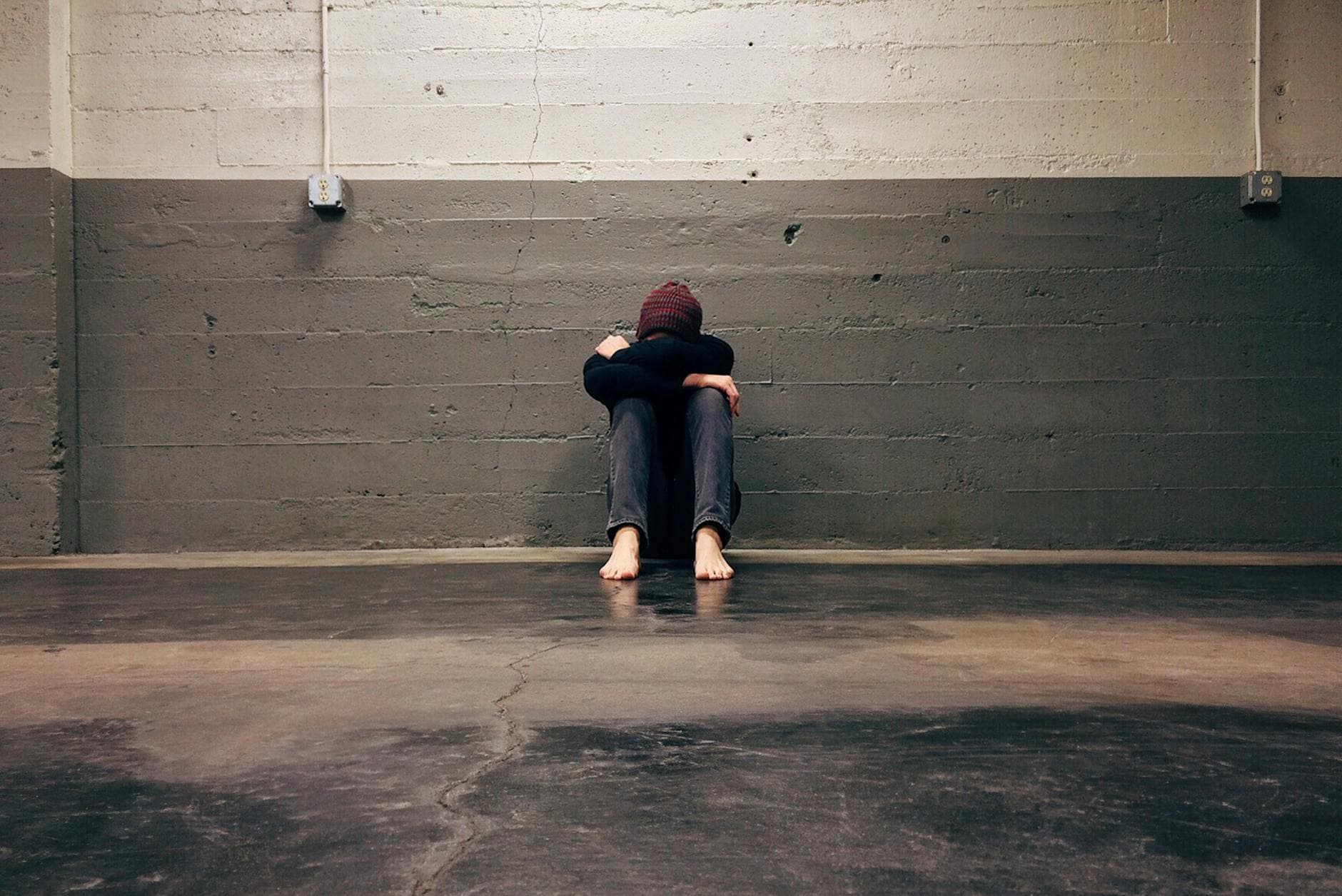
I'll be real with you. For years, I championed social media as a powerful connector, a digital town square where we could share, learn, and grow. I genuinely believed it was a net positive for most people. Then I started seeing the patterns, the quiet desperation behind the curated smiles, the gnawing anxiety that crept in after endless scrolling. I realized I'd been missing a crucial piece of the puzzle: the profound impact of social media on our mental health. It’s not just about connecting anymore; it’s about navigating a minefield for our minds.
The Double-Edged Sword: Social Media Mental Health
The Illusion of Connection
We crave belonging, a fundamental human need. Social media platforms tap into this, offering an almost instantaneous feeling of being "in the loop." But this digital connection often lacks the depth and authenticity of real-world relationships, leaving us feeling paradoxically more isolated.
The Highlight Reel Effect
Think about the last time you scrolled through your feed. What did you see? Likely a parade of perfect vacations, career triumphs, and seemingly effortless happiness. This constant exposure to others' curated best moments fuels social comparison theory, making us feel inadequate about our own, often messier, realities. It’s like comparing your behind-the-scenes footage to everyone else’s blockbuster trailer.
Fear of Missing Out (FOMO)
This pervasive anxiety, the fear of missing out on exciting events, opportunities, or even just a trending conversation, is a direct byproduct of constant digital visibility. The relentless stream of what others are doing can trigger feelings of restlessness and dissatisfaction with our current lives, contributing significantly to social media anxiety.
Unpacking Social Media Anxiety and Depression
The Cycle of Comparison
When we constantly see idealized versions of others, it's natural to feel a pang of envy or inadequacy. This feeling can snowball, leading to a persistent sense of not being good enough. This is a major driver of social media depression, where the comparison game leaves us feeling defeated.
Cyberbullying's Invisible Scars
The anonymity and distance afforded by online platforms can embolden some individuals to engage in hurtful behavior. The cyberbullying impact can be devastating, leading to severe emotional distress, anxiety, and even suicidal ideation for its victims. Unlike traditional bullying, it can follow you home, invading your personal space 24/7.
The Dopamine Hit and Its Downside
Likes, comments, and notifications trigger a release of dopamine, a neurotransmitter associated with pleasure and reward. This creates a feedback loop that can lead to social media addiction. We find ourselves compulsively checking our phones, seeking that next hit, even when it’s making us feel worse.
Navigating the Labyrinth: Strategies for Digital Well-being
Mindful Scrolling
This isn't about going completely offline, but about approaching your social media use with intention. Ask yourself: "Why am I picking up my phone right now?" and "What do I hope to gain from this interaction?" This simple shift in perspective can dramatically alter your experience and improve your social media mental health.
Curating Your Feed for Positivity
You have control over what you see. Unfollow accounts that make you feel bad about yourself or promote unrealistic standards. Actively seek out content that inspires you, educates you, or brings you joy. This is about intentional consumption, not passive absorption. Consider following accounts that promote genuine mental health awareness social media campaigns.
Setting Boundaries is Key
This is perhaps the most crucial step. Establish specific times for checking social media and stick to them. Designate "phone-free" zones or times, like during meals or an hour before bed. This helps to reclaim your time and mental space, reducing screen time effects that can disrupt sleep and increase anxiety.
The "Digital Sunset" Approach
Implement a "digital sunset" an hour or two before you plan to sleep. This means putting away all screens. The blue light emitted from devices can interfere with melatonin production, making it harder to fall asleep and impacting your overall mood. This practice is vital for good spring mental clarity and overall well-being.
Scheduled Check-Ins
Instead of constant, reactive checking, schedule specific times to engage with social media. Perhaps 15 minutes in the morning and 15 minutes in the afternoon. This prevents the mindless scrolling that often leads to negative social media effects.
The Unexpected Angle: Social Media as a Tool for Healing
Finding Your Tribe Online
While social media can foster isolation, it can also be a lifeline for those who feel alone in their experiences. Online support groups for specific mental health conditions, chronic illnesses, or shared life challenges can provide invaluable community, understanding, and validation. I’ve seen firsthand how connecting with others who truly "get it" can be incredibly healing.
Raising Awareness and Reducing Stigma
Social media platforms have become powerful tools for mental health advocacy. Individuals sharing their personal stories, experts disseminating information, and campaigns promoting mental health awareness social media efforts are breaking down stigma and encouraging open conversations. This has a ripple effect, making it easier for others to seek help.
Access to Resources and Support
Many mental health organizations and professionals utilize social media to share resources, coping strategies, and information about accessing care. For someone struggling to find help, stumbling upon a helpful post or a link to a support hotline can be the first step towards recovery. This is especially true for issues like trauma, where finding trauma healing quotes can offer a moment of solace.
Reclaiming Your Mental Space
The Power of Offline Experiences
I cannot stress enough the importance of disconnecting to reconnect with yourself and the world around you. Spending time in nature, engaging in hobbies, and nurturing face-to-face relationships are vital for building resilience and fostering genuine happiness. Consider the benefits of self compassion outdoors, where the natural world offers a balm for the soul.
Cultivating Genuine Self-Esteem
Online self-esteem is often fragile, built on external validation. True self-esteem comes from within, from self-acceptance and recognizing your inherent worth, independent of likes or followers. This is a journey that requires consistent effort, especially when battling the pressures of online comparison.
Seeking Professional Help
If you find yourself struggling with social media anxiety, depression, or addiction, please know that you don't have to go through it alone. Reaching out to a mental health professional can provide you with the tools and support you need to navigate these challenges. Resources from the National Institutes of Health research on social media mental health and countless other experts can guide you.
The digital world is here to stay, and social media will continue to be a part of our lives. The key isn't to abandon it entirely, but to approach it with a critical, conscious mindset. It’s about using these tools to enhance our lives, not detract from them. Be mindful of the Healthline research on social media mental health and remember that your well-being is paramount. Prioritize your mental health above the endless scroll. The real connections, the genuine joys, and the lasting peace are found when you look up from the screen.