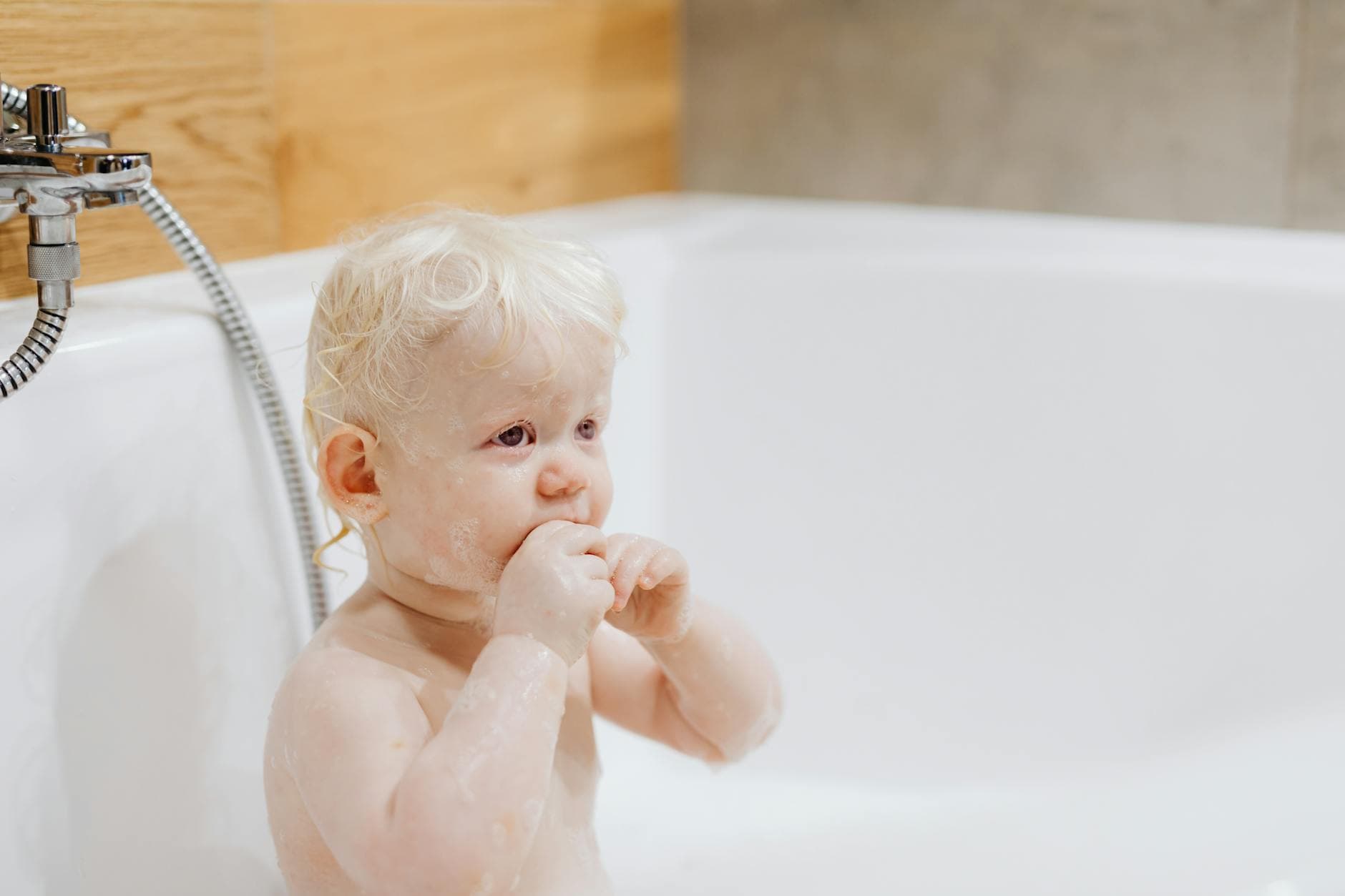
Have you ever watched your toddler proudly button their own shirt, even if it's upside down? It’s a tiny moment, but it’s HUGE. It's the spark of independence, the first flicker of self-reliance, and it’s at the heart of what we call toddler self care. It’s so much more than just teaching them to brush their teeth (though that’s a big part of it!). It’s about nurturing their growing sense of self, their ability to navigate their world, and their confidence in their own capabilities. Honestly, I used to think of "self-care" as something for adults – bubble baths and quiet evenings. But then I saw it in action with little ones, and it completely changed my perspective.
The Incredible Journey of Toddler Independence
Watching a toddler learn to do things for themselves is like witnessing a tiny explorer charting new territory. Every mastered skill, no matter how small, builds a foundation for future confidence and resilience. It's a fascinating stage of child development, where curiosity meets capability, and the desire to "do it myself!" becomes a constant refrain.
Why "Me Do It!" is More Than Just a Phrase
That insistent cry of "Me do it!" is a powerful signal. It’s a declaration of their emerging autonomy. It means they're ready to engage with the world on their own terms, to test their physical and cognitive skills, and to feel a sense of accomplishment. This drive is crucial for their emotional and social growth.
Building Blocks for a Lifetime
The skills toddlers begin to develop in self-care are the building blocks for so much more. Learning to feed themselves, even with messy results, teaches coordination and decision-making. Practicing dressing skills fosters fine motor development and problem-solving. These aren't just daily routines; they are foundational experiences that shape how they approach challenges throughout their lives.
The Role of Patience and Encouragement
Here's the thing: this journey requires immense patience from us, the caregivers. It’s easy to get caught up in the rush of getting ready in the morning and just do it for them. But resisting that urge, and offering gentle encouragement, is where the magic happens. Every small success, every wobbly step towards independence, is a victory worth celebrating.
Mastering the Art of Getting Dressed
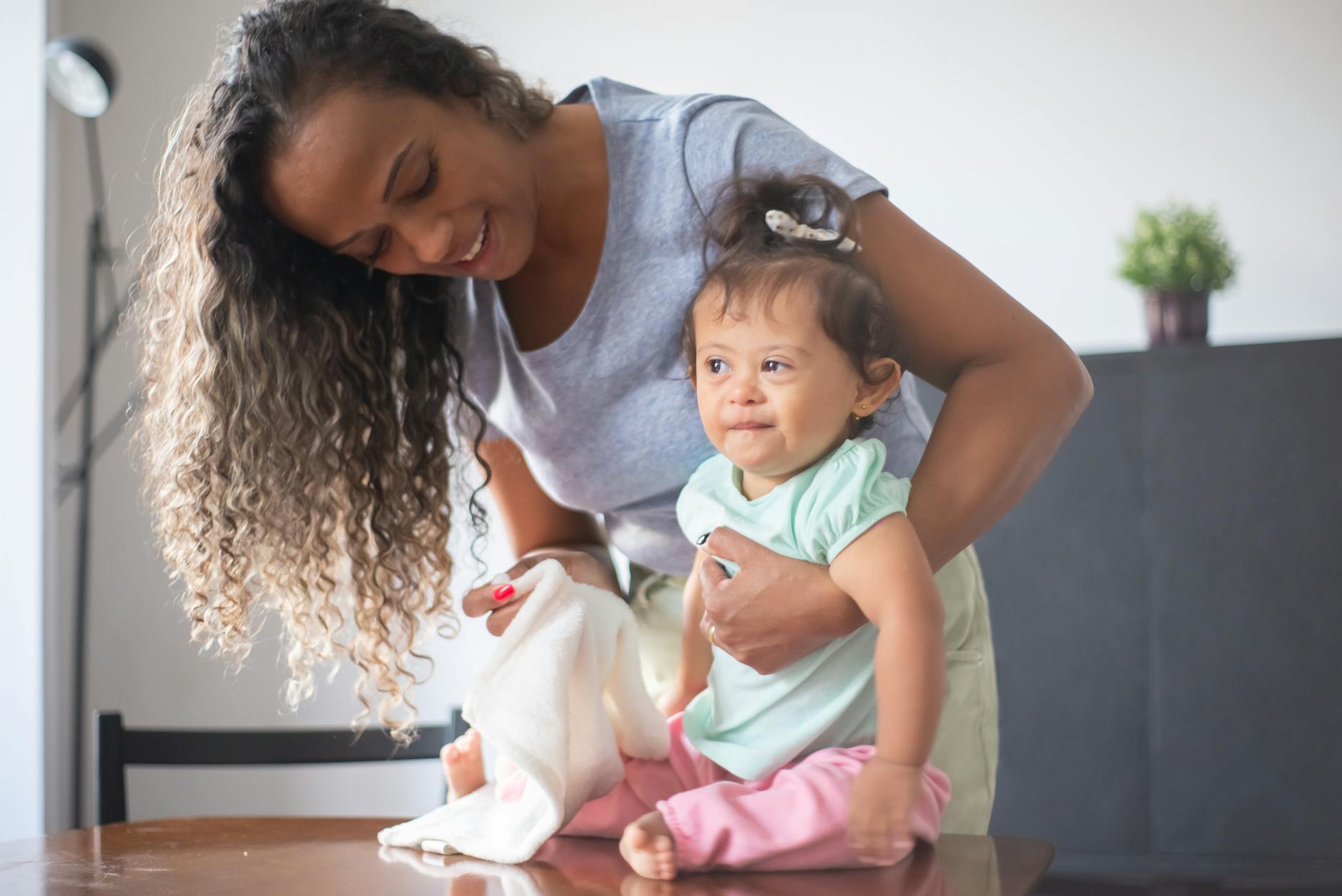
The daily battle of getting dressed can feel like a wrestling match sometimes, can't it? But with a little strategy and a lot of patience, toddlers can become surprisingly adept at dressing themselves. It’s a fantastic way to encourage toddler self care and build those essential fine motor skills.
Breaking Down Complex Tasks
For a toddler, a shirt with buttons can look like an insurmountable puzzle. The key is to break down the process into smaller, manageable steps. For example, when teaching them to put on a shirt, start with just getting their head through the neck hole. Then, focus on getting one arm in, and so on. Celebrate each successful step!
Dressing Skills Toddlers Can Master
Even before they can manage buttons or zippers, toddlers can learn to pull up their pants once they’re over their toes, or put their arms through sleeves. Loose-fitting clothing with elastic waistbands are perfect for this stage. You might be surprised at how quickly they pick up on these skills when given the opportunity and encouragement.
The Joy of Choice
Offering limited choices can also be a game-changer. Instead of asking "What do you want to wear?", try "Do you want to wear the blue shirt or the red shirt?" This gives them a sense of control and makes the process feel less like a chore and more like an exciting decision. It’s a simple yet effective way of teaching self care skills.
Embracing the Imperfect
Look, the shirt might be inside out, or the socks might be mismatched. That’s okay! For now, the goal is participation and effort, not perfection. We can gently guide them towards better choices later, but in these early stages, celebrating their attempt is paramount. This fosters a positive attitude towards toddler self care.
Fueling Independence at Mealtime
Mealtimes are prime opportunities for fostering toddler self care. It’s a sensory experience, a learning opportunity, and a chance for them to practice vital skills. Messes are inevitable, but the gains in independence and confidence are well worth it.
The Spoon is Mightier Than the Bib (Sometimes!)
Learning to use utensils is a major milestone. Start with chunky spoons and forks designed for little hands. Encourage them to scoop food themselves, even if it means more ends up on the floor or their tray than in their mouth. This is a key part of eating independently toddler development.
From Purees to Finger Foods
As they progress, introduce a variety of textures and finger foods. This allows them to practice pincer grasp and develop their chewing skills. Offering a plate of soft, bite-sized fruits, vegetables, and proteins empowers them to make choices about what and how much they eat, promoting a healthier relationship with food.
Encouraging Healthy Habits
Beyond just eating, mealtimes are also about establishing good hygiene habits. Teach them to wash their hands before and after eating. Model polite table manners, even if they can't replicate them perfectly yet. These are foundational elements of hygiene habits for toddlers that will serve them well.
The Power of Participation
Involving toddlers in simple meal preparation can also boost their engagement and sense of ownership. Let them help wash vegetables, stir ingredients (with supervision, of course!), or set the table with unbreakable items. This hands-on involvement makes them feel like an important part of the family routine and encourages their interest in healthy eating.
Hygiene Habits: More Than Just Scrubbing Up
When we talk about toddler self care, hygiene is a huge component. It’s not just about preventing germs; it’s about teaching respect for their bodies and establishing routines that promote health and well-being. And yes, it can be fun!
Bath Time as a Learning Adventure
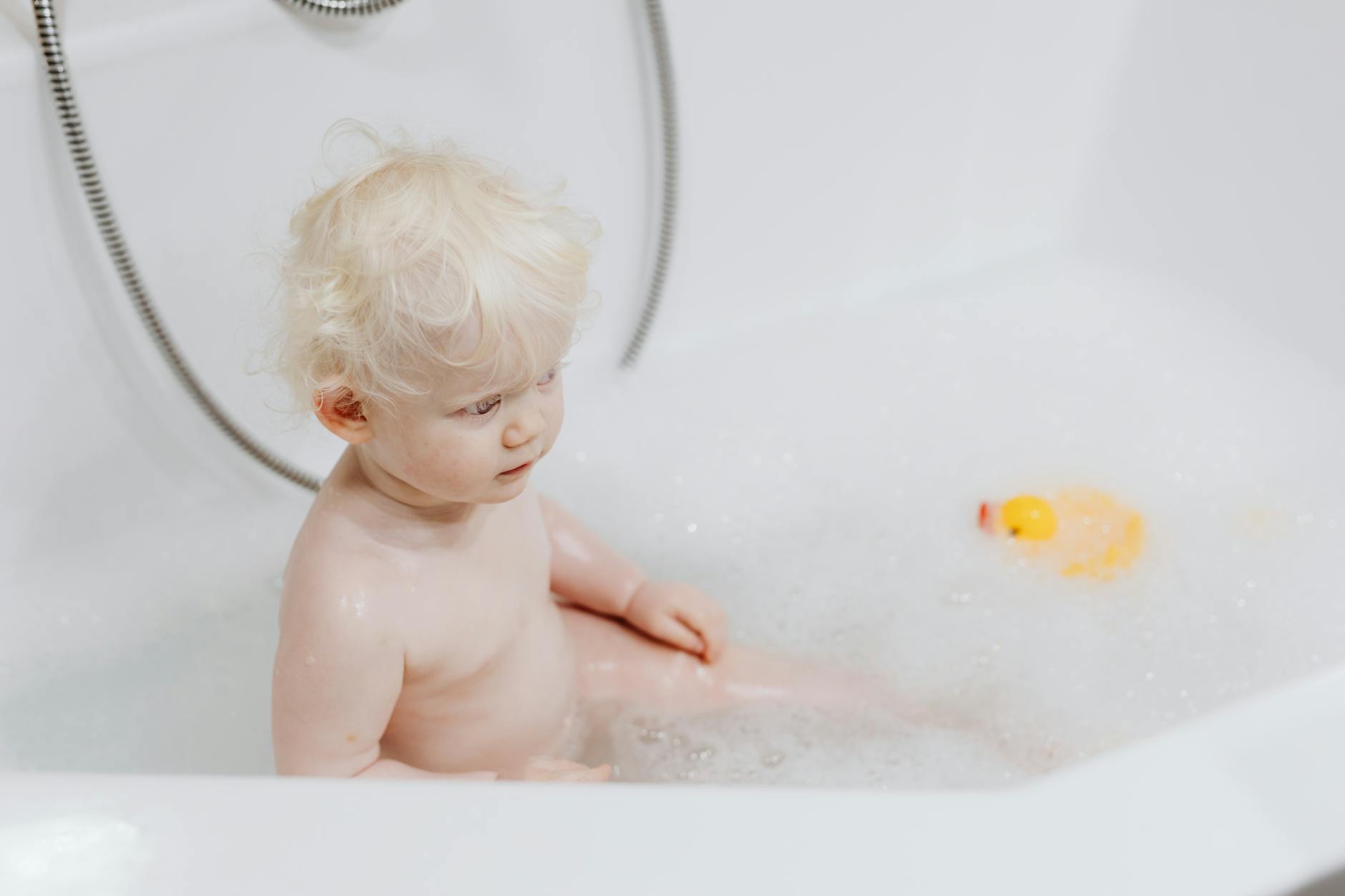
Bath time is a fantastic opportunity to introduce washing. Let them explore the soap and water, and guide them in washing their arms, legs, and tummy. Use bath-friendly sponges or washcloths for them to hold and use. This makes the process engaging rather than a chore.
The Toothbrush Tango
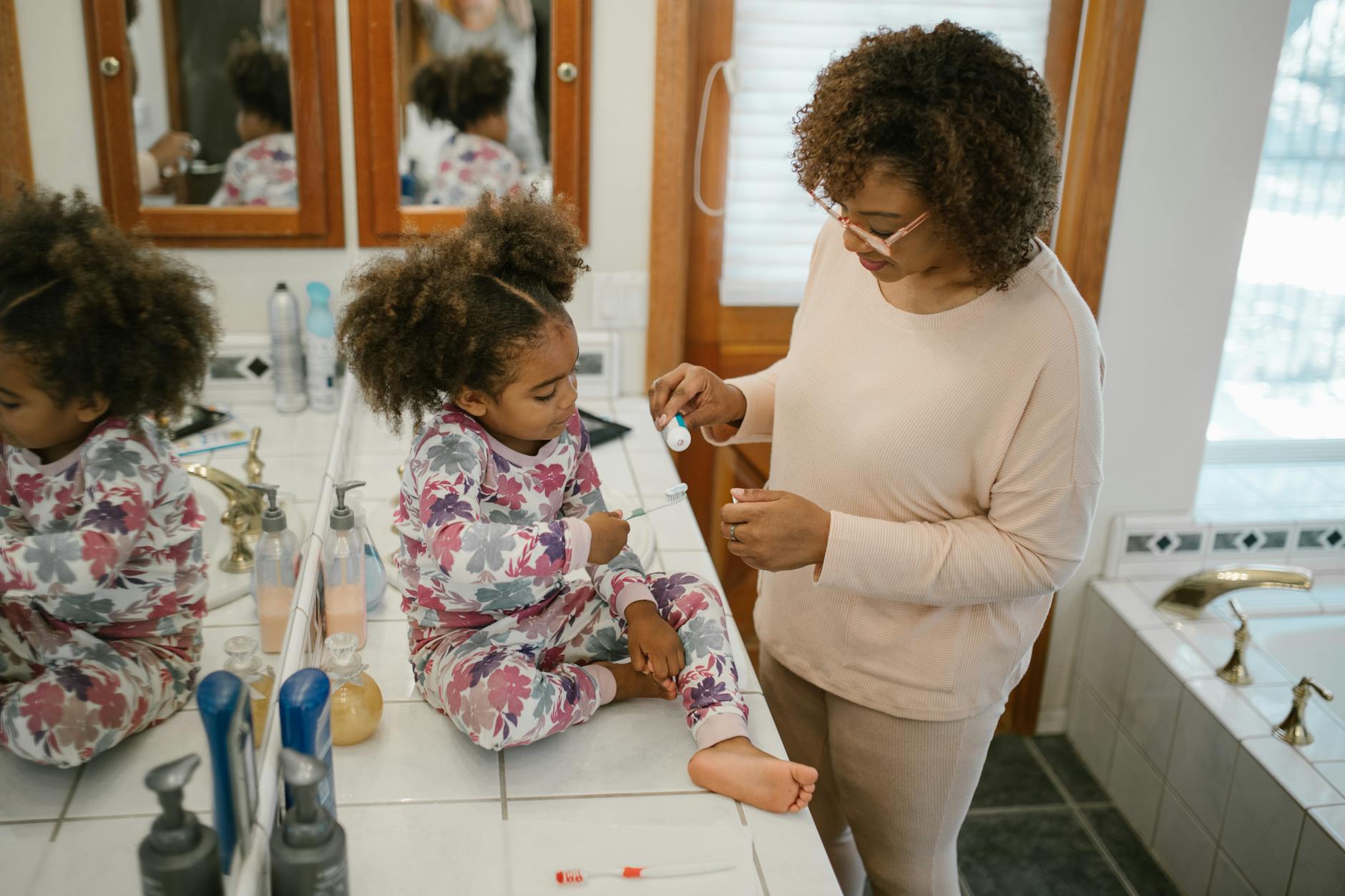
Brushing teeth can be a dance! Make it a game. Sing songs about brushing, or let them "brush" your teeth first. While you’ll still need to do the thorough brushing for them until they have better dexterity, encouraging their participation is key to developing lifelong hygiene habits for toddlers.
Potty Training: A Milestone of Self-Control
Potty training is a significant step in toddler self care, requiring a huge amount of self-control and awareness. Celebrate every success, no matter how small. Some families even find success with potty training outdoors, especially during warmer months, as it can reduce the stress of accidents inside the house and allow for more freedom of movement.
Handwashing: A Simple but Vital Skill
Regular handwashing is paramount. Make it a habit before meals, after playing outside, and after using the potty. Use a step stool so they can reach the sink and a fun soap dispenser. Sing a short song while they wash to ensure they’re scrubbing for long enough – about 20 seconds is ideal.

Embracing the Outdoors for Self-Care Growth
The arrival of spring signals a wonderful time to expand toddler self care beyond the four walls of our homes. Outdoor play offers a rich environment for learning, exploration, and developing a sense of competence and connection with nature. This is where self care toddler spring truly blossoms.
Nature as a Classroom
The natural world is an incredible teacher. From feeling the texture of grass to digging in the dirt, outdoor toddler activities provide sensory-rich experiences that stimulate development. Exploring a garden, for instance, can be a fantastic way to introduce them to where food comes from, fostering an early appreciation for healthy eating and a connection to the earth. You might even consider some preschool garden activities to make it even more engaging.
The Joy of Movement and Exploration
Running, jumping, climbing – these are all essential for gross motor skill development. Outdoor play for toddlers allows them the freedom to move their bodies in ways that indoor spaces often restrict. This physical exertion also contributes to their overall well-being and can lead to better sleep. Always remember to prioritize safety, and familiarize yourself with Spring Outdoor Safety: Essential Tips for Kids.
Encouraging Independence in Nature
Let them lead the way on a walk, pointing out interesting bugs or flowers. Give them a small trowel and bucket to dig in a safe patch of soil. These simple acts of exploration build confidence and a sense of agency. It’s about allowing them to discover and interact with their environment at their own pace, which is a key aspect of encouraging toddler independence.
Seasonal Fun and Learning
Spring brings a fresh palette of colors and activities. Mud pies, puddle jumping, and collecting leaves can all be part of the fun. You can also incorporate simple crafts, like making nature collages with found items, tapping into the creativity of Preschool Spring Crafts: Fun & Creative Projects for Kids. The open-ended nature of outdoor play naturally lends itself to developing problem-solving skills and fostering a sense of wonder.
The Long-Term Impact of Nurturing Self-Care
It might seem like a lot of effort to let your toddler struggle with zipping their own jacket or to clean up a food-covered floor. But I’ll be real with you, the investment in toddler self care pays dividends far beyond those initial messy moments. It’s about cultivating capable, confident, and resilient human beings. Research from institutions like National Institutes of Health research on toddler self care and The Gottman Institute research on toddler self care consistently highlights the long-term benefits of fostering independence and self-efficacy from a young age.
A Foundation for Emotional Well-being
When children are given opportunities to practice self-care skills and experience success, their self-esteem soars. This sense of competence is fundamental to their emotional well-being. They learn to trust their own abilities and are better equipped to handle challenges and setbacks. This is a core principle explored in Psychology Today research on toddler self care.
Developing Problem-Solvers
Every time a toddler figures out how to put on a shoe or pour their own drink, they are engaging in problem-solving. These small victories build their confidence in tackling more complex issues as they grow. They learn that they have the capacity to figure things out for themselves, a crucial life skill.
Fostering Social Skills
While self-care is about independence, it also lays the groundwork for healthy social interactions. Children who feel secure in their own abilities are often more open to sharing and cooperating with others. Learning to manage their own needs can make them more aware and considerate of the needs of others, which is vital for developing skills like teaching toddlers sharing and participating in preschool sharing activities.
So, the next time your toddler insists on doing it themselves, take a deep breath, offer a supportive smile, and let them try. You’re not just teaching them to tie a shoe; you’re teaching them they can conquer the world, one small, independent step at a time.