
What if you could peek into the future, not to see lottery numbers, but to understand what amazing things your child will be able to do next? Imagine knowing the general roadmap for their growth, the incredible leaps they're poised to make. That's essentially what understanding child developmental milestones offers us as parents and caregivers. It’s not about rigid timelines or ticking boxes, but about appreciating the beautiful, intricate journey of child growth and development.
The Big Picture: What Are Child Developmental Milestones?
Honestly, the term "milestones" can sometimes feel a bit clinical, right? Like we're supposed to be comparing our kids to some perfect, pre-programmed robot. But here's the thing: child developmental milestones are simply a set of functional abilities or physical skills expected to be attained by children within a certain age range. They are markers, guideposts, helping us understand the typical progression of a child's growth across several key areas. Think of them as exciting signposts on the road of childhood, showing us what's generally coming next.
Understanding the "Why" Behind Milestones
Why do we even talk about these things? It's not to create parental anxiety, though I know it can sometimes feel that way. The primary reason is to support child development. When we have a general understanding of these developmental stages, we can better recognize when a child might need a little extra help or, conversely, when they're absolutely soaring and ready for new challenges. It’s about informed parenting, spotting potential concerns early, and celebrating every single victory, big or small. This knowledge empowers us to provide the right environment and opportunities for optimal child growth.
A Holistic View: Not Just One Path
It's crucial to remember that child development isn't a race. Every child is unique, with their own pace and personality. These milestones are averages, based on observations of large groups of children. Some kids might hit a certain milestone a bit earlier, others a bit later, and that’s perfectly okay. The key is the overall pattern of development and the presence of these skills emerging over time. We need to embrace the individuality of each child's journey through these developmental stages.
The Pillars of Development: Four Key Areas
When we discuss child developmental milestones, we're usually looking at four main domains. These areas are interconnected, influencing each other as a child grows. Think of them as four pillars supporting the magnificent structure of a child's emerging self.
Physical Development Milestones: From Crawling to Running
This is often the most visible area of child growth. It encompasses both gross motor skills (like walking, jumping, and throwing) and fine motor skills (like grasping small objects, using utensils, and drawing). I'll be real with you, watching a baby go from not being able to hold their head up to taking their first wobbly steps is pure magic. It's a testament to incredible physical development milestones.
Gross Motor Skills: Big Movements
From rolling over around 4-6 months, to sitting independently by 6-8 months, then crawling, pulling to stand, and eventually walking between 9-15 months, these are the big, exciting leaps. Then comes running, jumping, climbing stairs, and kicking a ball. Each of these physical development milestones signifies a growing understanding of their body in space and increasing coordination.
Fine Motor Skills: The Delicate Touch
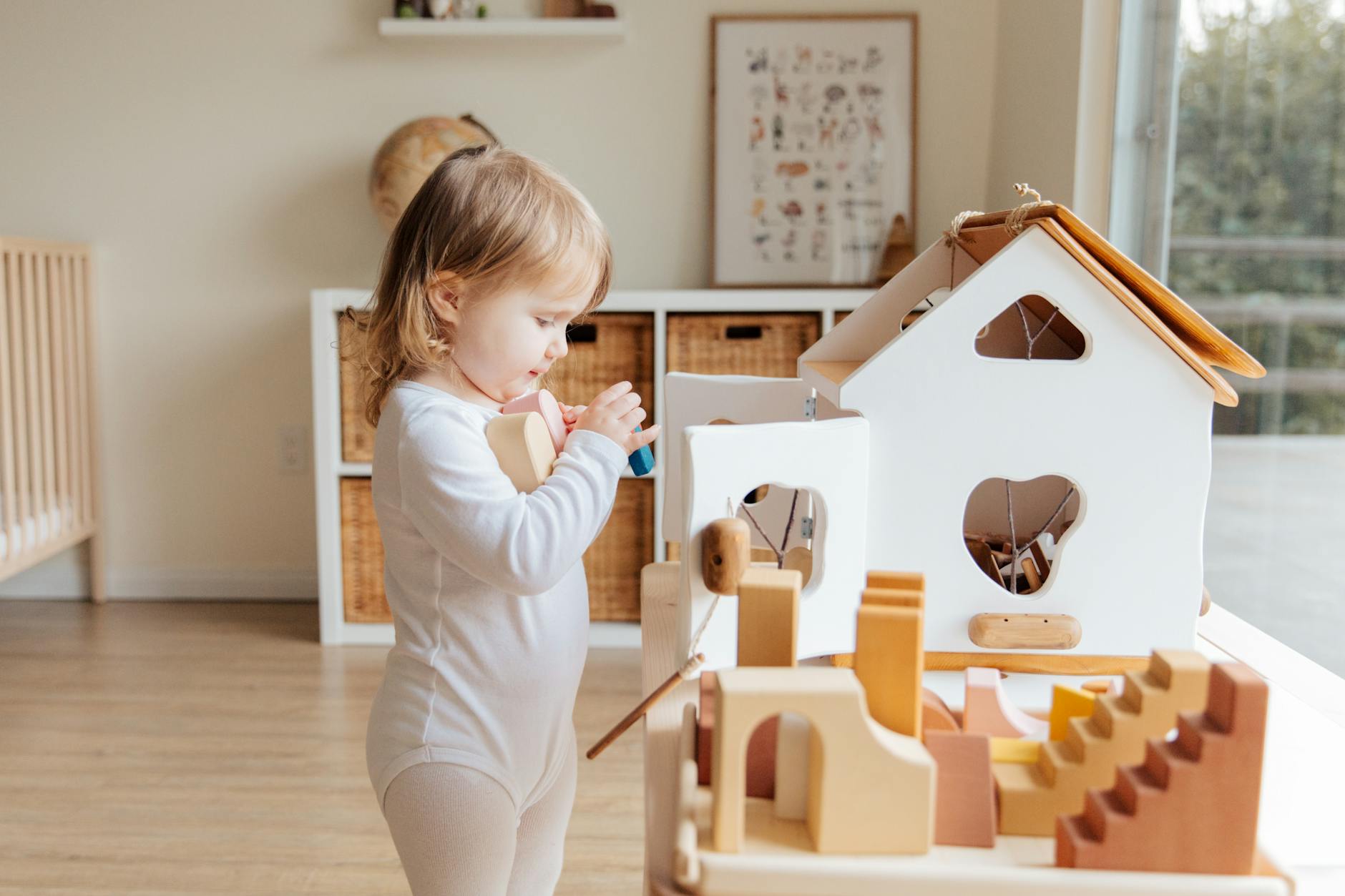
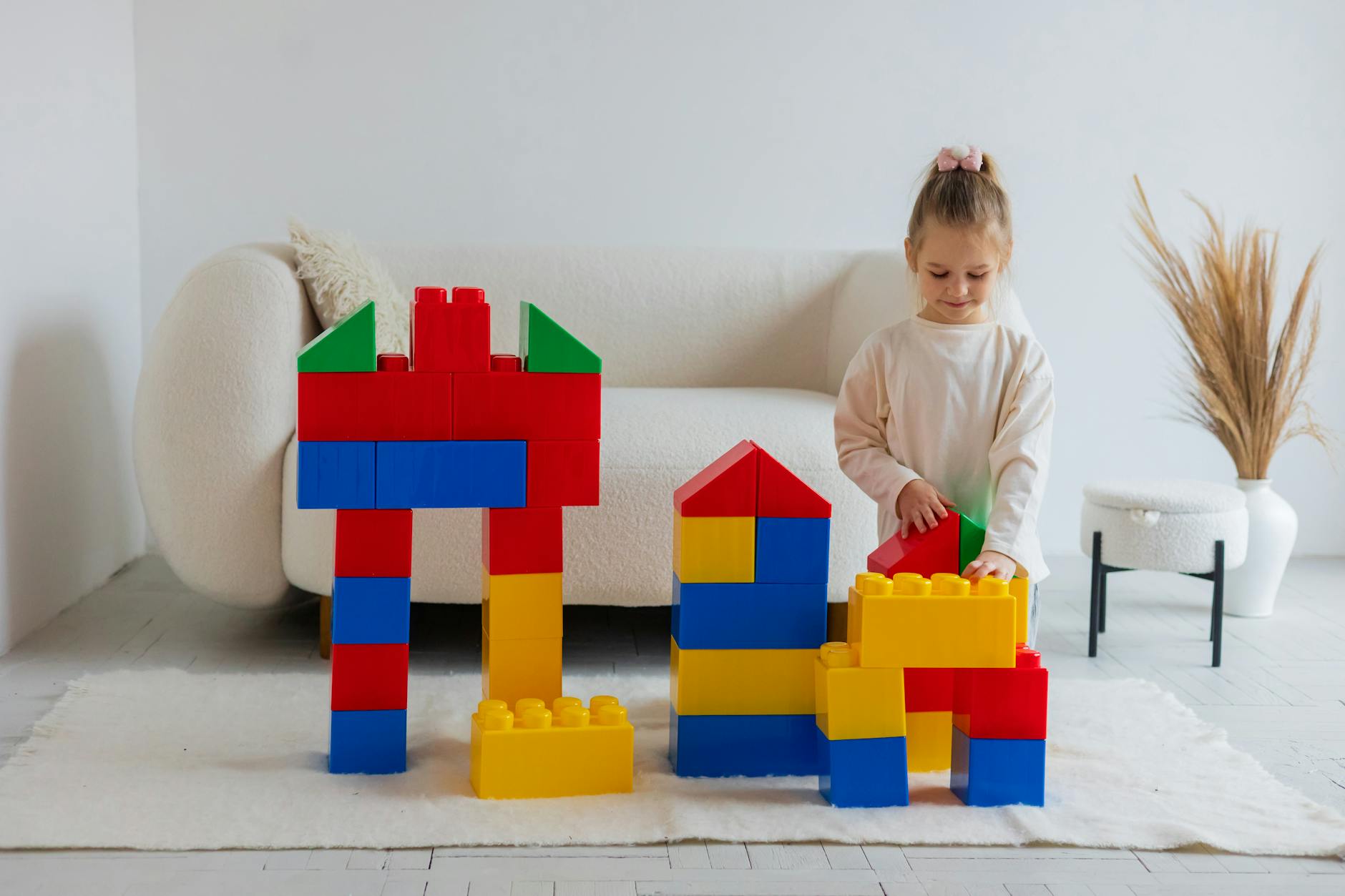
On the flip side, fine motor skills are about precision. Think about a baby learning to pick up a tiny cheerio between their thumb and forefinger (pincer grasp, usually around 9-12 months). Then comes scribbling, stacking blocks, turning pages of a book, and eventually holding a crayon with a proper grip. These early abilities lay the groundwork for later tasks like writing and dressing themselves.
Language Development Milestones: From Babbling to Conversations
This is another area where progress is often astonishing. Language development milestones cover everything from understanding spoken words to expressing thoughts and ideas. It’s not just about words; it’s about communication, connection, and cognitive development in children.
Understanding and Responding
Before they even speak, babies are absorbing language. They might turn their head towards a sound, recognize their name by 6-9 months, and respond to simple instructions like "come here" by 12 months. This receptive language is the foundation for expressive language.
Speaking and Expressing
The first "mama" or "dada" is usually around 6-12 months, though it might not be directed. By 18-24 months, toddlers often have a vocabulary of 50-200 words and can start putting two words together. By age 3, they're typically using short sentences and asking "why" questions incessantly! This phase of intense language development milestones is so rewarding to witness.
Cognitive Development Milestones: Thinking and Learning
Cognitive development in children is all about how they think, learn, explore, and problem-solve. It’s the development of their intellect and their understanding of the world around them. This is where we see curiosity blossom and learning truly take flight.
Exploring and Understanding
Think about how a baby learns object permanence – that things still exist even when they can't see them (around 8-12 months). Then comes pretend play, understanding cause and effect, and developing memory. By preschool age, children are beginning to understand concepts like sorting, matching, and simple problem-solving. These are crucial cognitive development milestones.
Problem-Solving and Reasoning
As children get older, their problem-solving skills become more sophisticated. They start to think logically, make predictions, and understand more complex instructions. This area of child growth milestones is deeply tied to their experiences and the opportunities they have to explore and experiment.
Social Emotional Development Milestones: Connecting with Others
This domain is all about how children learn to interact with others, understand their own emotions, and manage them. Social emotional development milestones are fundamental to building healthy relationships and a strong sense of self. This is an area that truly surprised me with its complexity and importance when I first started learning about child development.
Building Connections
From smiling at familiar faces around 2-3 months to showing preferences for certain people, engaging in back-and-forth interactions by 6-9 months, and developing friendships as they get older, these social milestones are vital. They learn empathy, sharing (eventually!), and how to navigate group dynamics.
Understanding and Managing Feelings
Toddlers often have big feelings! Learning to recognize emotions in themselves and others, expressing feelings appropriately, and developing coping strategies are key social emotional development milestones. This is where concepts like toddler emotional regulation become so important, especially during challenging phases. Supporting their emotional growth is as vital as supporting their physical or cognitive development.
Child Milestones by Age: A General Guide
While every child is different, having a general sense of child milestones by age can be incredibly helpful. It’s not about creating a rigid checklist, but about having a framework for understanding typical progression. I always tell parents to use these as a guide, not a gospel.
The First Year: Rapid Growth and Discovery
The first year is a whirlwind of development. You’ll see huge strides in physical development milestones, from holding their head up to sitting, crawling, and maybe even taking those first steps. Language development milestones might include babbling, responding to their name, and saying their first words. Socially, they'll be smiling, laughing, and showing recognition of familiar faces.
Toddlerhood (1-3 Years): Exploring Independence
This is the age of "me do it!" Toddlers are asserting their independence, which means big leaps in physical skills like running, jumping, and climbing. Language development milestones explode, with vocabulary growing rapidly and simple sentences emerging. Cognitively, they engage in pretend play and start to understand simple instructions. Socially, they begin to interact more with peers, though parallel play is still common. Navigating the emotional rollercoaster of toddlerhood is a major part of their social emotional development milestones during this time.
Preschool Years (3-5 Years): Social Butterflies and Curious Minds
Preschoolers are becoming more social, developing friendships, and learning to share (sometimes!). Their physical development milestones include improved coordination for activities like riding a tricycle or using scissors. Language development milestones see them telling stories and asking countless questions. Cognitively, they're developing more complex thinking skills, understanding concepts like time and numbers. This is a fantastic period for continued child learning and development, especially through play and exploration, like those wonderful Kids Nature Exploration: Boost Emotional Growth This Spring activities.
Supporting Child Development: Beyond Just Watching Milestones
Understanding child developmental milestones is only half the battle. The real magic happens when we actively support child development. This isn't about pushing kids beyond their limits; it's about creating an enriching environment that nurtures their natural growth.
Creating a Stimulating Environment
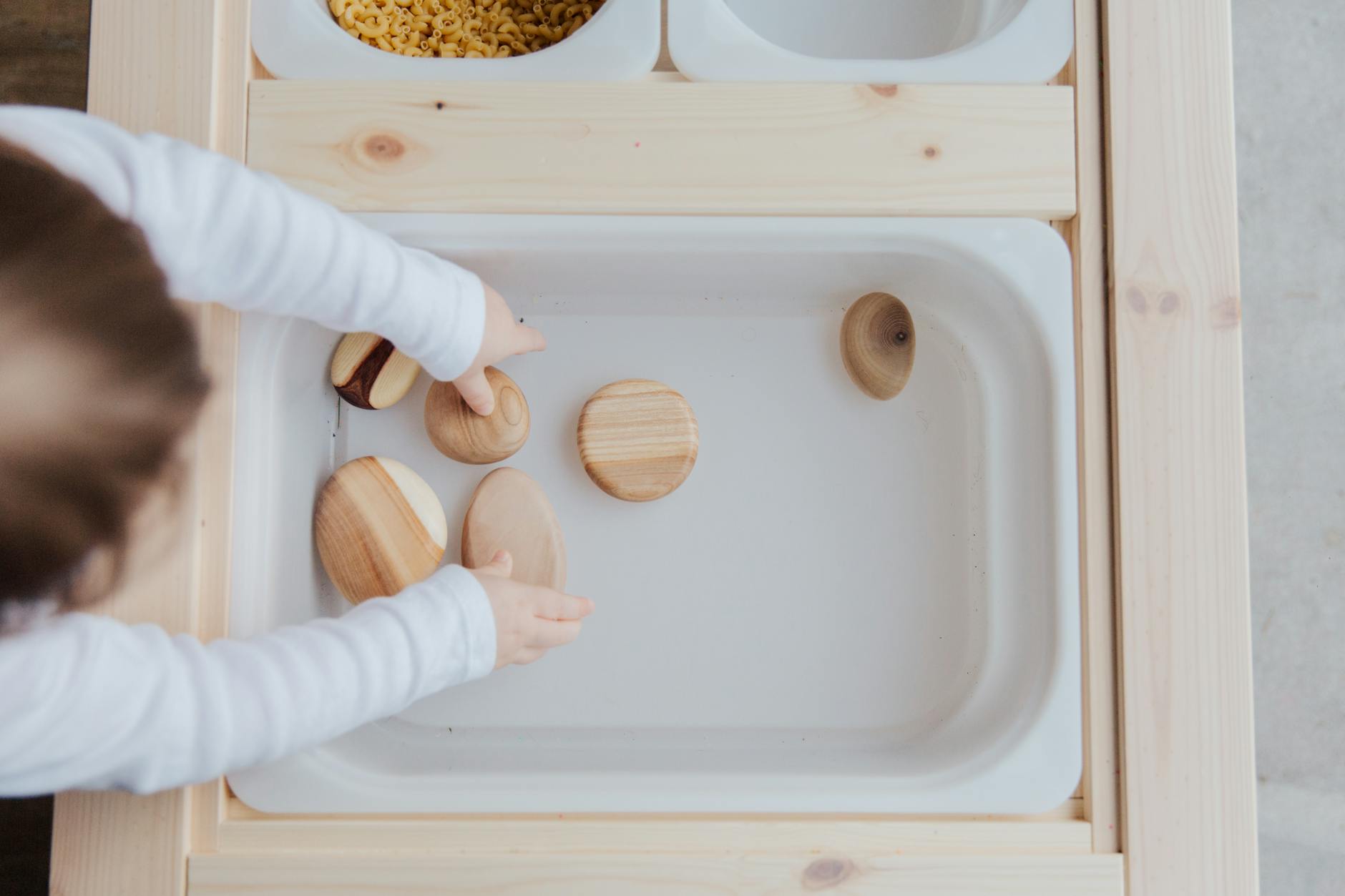
This means providing opportunities for exploration, play, and learning. For younger children, it might be age-appropriate toys that encourage fine motor skills or simple puzzles for cognitive development. For older kids, it could involve encouraging reading, providing art supplies, or engaging in activities that foster problem-solving. Think about the joy of seeing their faces light up during Spring Break Activities: Boost Kids' Development Off-Screen or the quiet focus during School Closure Activities: Fun & Easy Ideas for Kids.
The Power of Play
Play is not just fun; it’s how children learn! Through play, they develop physical skills, language, social-emotional skills, and cognitive abilities. Whether it's building a fort, engaging in dramatic play, or simply chasing a ball, play is a fundamental tool for supporting child growth milestones. It's where they experiment, take risks, and learn about the world and themselves.
Responsive and Nurturing Relationships
The most significant factor in supporting child development is having secure, loving relationships. When children feel safe and supported, they are more likely to explore, take risks, and develop their full potential. This means being present, listening actively, and responding to their needs with empathy. It’s about building that strong foundation that impacts everything from their social emotional development milestones to their overall well-being, as highlighted in Healthline research on child developmental milestones.

When to Seek Extra Support
It's completely normal for parents to have questions or concerns about their child's development. If you notice significant delays in multiple areas, or if something just doesn't feel quite right, it's always best to consult with your pediatrician. They can provide guidance, perform assessments, and refer you to specialists if needed. Remember, early intervention can make a huge difference. Organizations like the National Institutes of Health research on child developmental milestones offer valuable information on developmental pathways and when to seek professional advice.
Ultimately, focusing on child developmental milestones is about understanding and celebrating the incredible journey of childhood. It's about being an informed, supportive guide for your child as they navigate the amazing process of growing, learning, and becoming their unique selves. Embrace the journey, celebrate the small wins, and trust in your child’s incredible capacity for growth.