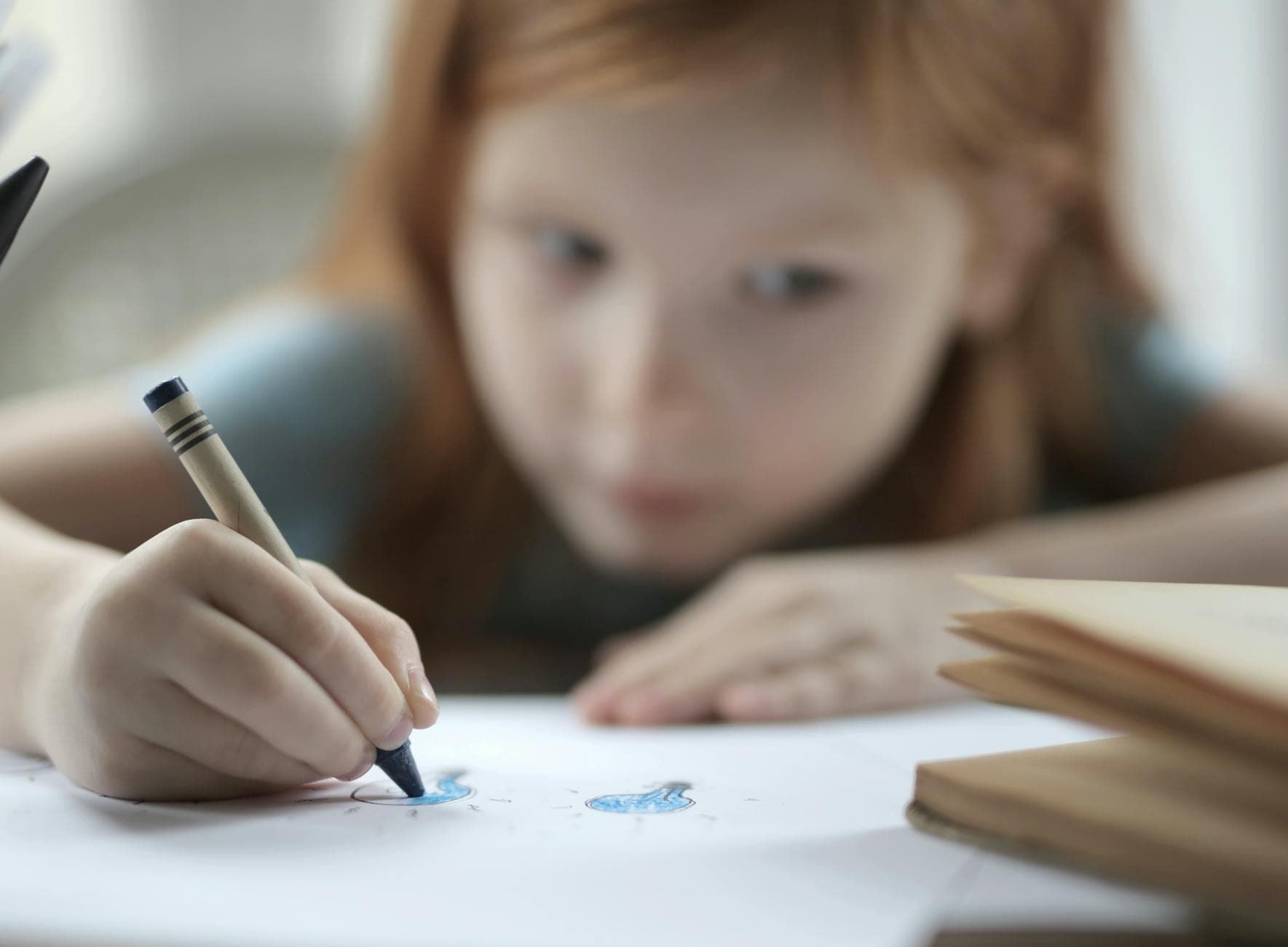
The wind howls, a relentless symphony against the windowpanes. Snowflakes, fat and lazy, begin to drift down, promising a day of white blanketed silence. Then, the ping of a phone notification – the dreaded, yet often welcomed, email: "School Closed." For parents, this sudden shift from structured routine to unexpected togetherness can feel like a jolt. Suddenly, you’re not just Mom or Dad; you’re the sole architect of engagement, entertainment, and education for the foreseeable future. Navigating a snow day, or any unexpected school closure, requires a blend of preparation, flexibility, and a healthy dose of creativity. These **school closure activities** aren't just about filling time; they're opportunities for connection and growth.
Embracing the Unexpected: The Parent's Mindset Shift
When the school doors shut unexpectedly, it’s easy to feel a surge of panic. The carefully curated schedule goes out the window, replaced by the urgent need to keep little ones occupied and happy. But this is precisely where the magic can happen. Think of it not as a disruption, but as an extended family adventure.
From Chaos to Calm: Setting the Tone
The Power of a Positive Outlook
Your own attitude is contagious. If you approach the situation with a sigh and a sense of dread, your children will pick up on that energy instantly. Instead, try to frame it as a special treat, a bonus day together. I remember one particularly brutal winter storm where school was out for three days straight. My initial thought was, "Oh no, how will I get any work done?" But then I saw my daughter’s eyes light up at the prospect of uninterrupted playtime. That shifted my perspective.
Communicating with Children About Changes
It’s vital to talk to your kids about what’s happening. Explain why school is closed in simple, age-appropriate terms. For younger children, it might be as simple as, "The snow is too deep for the buses to drive safely." For older ones, you can add a bit more detail about safety and the importance of staying warm. This open communication helps manage potential anxiety surrounding school closures.
The Importance of Routine (Even a Modified One)
Finding a Flexible Framework
While spontaneity is great, a complete lack of structure can lead to boredom and meltdowns. Try to establish a loose routine. This doesn’t mean adhering to a rigid timetable, but rather having anchor points in the day. Think about breakfast, a designated "quiet time," lunch, and an afternoon activity block. This predictability offers a sense of security, especially for children who thrive on routine. This is where the idea of **coping with school closures** really comes into play for both parents and kids.
Incorporating Downtime
Don't overschedule. Kids need unstructured time to simply *be*. This is where imagination flourishes. Resist the urge to fill every single minute. Downtime is crucial for developing problem-solving skills and fostering independent play.
Creative School Closure Activities: Beyond the Screen
The allure of screens is powerful, especially when you’re looking for an easy way to keep kids engaged. However, a balanced approach is key. These **school closure activities** aim to spark creativity and foster connection, offering alternatives that enrich the day.
Indoor Adventures for Winter Weather Kids
Fort Building Bonanza
Gather blankets, pillows, chairs, and anything else you can find to construct an epic fort. This is a classic for a reason! It encourages teamwork, spatial reasoning, and provides a cozy nook for reading or imaginative play. My son once spent an entire afternoon in a fort he built, complete with a "secret password" and a "snack delivery service."
Arts and Crafts Extravaganza
Pull out the craft supplies! Painting, drawing, playdough, collage – the possibilities are endless. If you're low on supplies, get creative with household items. Empty toilet paper rolls can become binoculars or rocket ships. Old magazines can be cut up for collages. This is a fantastic way to keep **kids home winter** days feeling productive.
Kitchen Creations
Baking or cooking together is a rewarding experience. From simple cookies to a more elaborate family meal, kids learn valuable life skills, practice following instructions, and enjoy the delicious results. Even just decorating pre-made cupcakes can be a hit.
Engaging Minds and Bodies: Active Learning
Science Experiments with Household Items
You don't need a lab coat to be a scientist! Simple experiments using baking soda, vinegar, food coloring, or even just water can be incredibly engaging. Think about making a volcano, creating a density tower, or exploring surface tension with pepper and soap. These hands-on experiences make learning fun and memorable.
Storytelling and Dramatic Play
Encourage your children to create their own stories. They can write them down, draw pictures, or act them out. Provide props and costumes to enhance the imaginative play. This helps develop language skills, creativity, and emotional expression.
Building Challenges
Whether it's with LEGOs, blocks, or even cardboard boxes, set building challenges. "Build the tallest tower," "Create a bridge that can hold this toy car," or "Design a futuristic city." These activities promote problem-solving, engineering skills, and fine motor development.

Managing Child Anxiety During School Closures
It's important to acknowledge that for some children, **school closures** can be a source of anxiety. Changes in routine, separation from friends and teachers, and the uncertainty of the situation can all contribute to stress. Providing emotional support is paramount.
Creating a Safe Space for Feelings
Open and Honest Conversations
Allow your children to express their feelings without judgment. Ask them how they’re feeling about being home from school. Listen actively and validate their emotions. Sometimes, just knowing they are heard can make a significant difference. This is a core aspect of Parental Emotional Support for Spring Growth Spurts, but it applies year-round.
Reassurance and Predictability
Reassure your children that this is a temporary situation and that you are there to support them. Reinforce the aspects of the routine that will remain the same, such as regular mealtimes or bedtime. This predictability helps to ground them.
Strategies for Calm and Connection
Mindfulness and Relaxation Techniques
Introduce simple mindfulness exercises. Deep breathing, guided imagery, or even just a quiet moment of observation can help calm frayed nerves. There are many resources online for age-appropriate mindfulness activities.
Shared Activities as a Buffer
Engaging in shared **family activities winter break** style, even when it's not a break, can be a powerful tool. Doing something enjoyable together – a board game, a movie marathon with popcorn, or a walk in the snow if safe – strengthens bonds and creates positive memories that can help buffer against stress.
The Unexpected Benefits of School Closure Activities
While the immediate focus is often on managing the disruption, there are often hidden gems of growth and connection that emerge from these unexpected days.
Deepening Family Bonds
Uninterrupted Family Time
In our busy lives, dedicated family time can be scarce. School closures, while challenging, offer an opportunity for uninterrupted connection. You can have longer conversations, share meals without rushing, and simply enjoy each other’s company. This is where you truly get to know your children outside the school context.
Discovering New Interests Together
You might find that your child has a hidden talent for drawing, a passion for baking, or a knack for building elaborate LEGO structures. These days provide the space to discover and nurture these emerging interests. Perhaps you'll discover a shared love for Outdoor Play Benefits: Boost Child Development This Spring, even if it's just a short walk in the snow.
Fostering Resilience and Adaptability
Learning to Navigate Change
Life is full of unexpected changes. Experiencing **school closure activities** teaches children valuable lessons in adaptability and resilience. They learn that routines can shift, and they can still find ways to be happy and engaged. This is a crucial life skill.
Developing Independence
While parents are there to guide, these days can also foster a sense of independence. Children might learn to entertain themselves for periods, problem-solve minor issues, and take initiative in their play. This is particularly important for fostering healthy **child development boredom** can lead to if not managed creatively.
Preparing for the Next Unexpected Day
While we can't predict when the next school closure will happen, a little bit of preparation can go a long way in making those days smoother and more enjoyable.
Creating a "Snow Day Survival Kit"
Stocking Up on Essentials
This doesn't need to be elaborate. A few new craft supplies, a fun board game, a new book, or ingredients for a special treat can be a great starting point. Having these items on hand means you can spring into action when the announcement comes.
Having a List of Go-To Activities
Keep a running list of **school closure activities** that your children enjoy. This can include everything from science experiments to movie marathons. When you're feeling overwhelmed, having a ready-made list can be a lifesaver.
The Role of Routine in Winter Sleep Children
Maintaining Sleep Schedules
Even with the disruption, try to maintain consistent sleep schedules. This is especially true during winter when the days are shorter and the temptation to stay up late is greater. Good sleep is fundamental for mood regulation and overall well-being, and this is a key aspect of Winter Sleep Children: Tips for Better Rest. Proper rest helps children cope with the changes and reduces irritability.
Embracing the Calm Before the Storm
Honestly, some of the best **school closure activities** are the simplest. A quiet afternoon reading together, a family game of cards, or even just watching the snow fall can be incredibly bonding. Don't feel pressured to constantly be "doing" something. Sometimes, just being together is enough. I'll be real with you, some of my favorite family memories have come from days when we were forced to slow down.
This unexpected time at home isn't just a pause; it's a unique opportunity. By embracing the change with a positive mindset and a few creative ideas, you can transform a day of cancelled classes into a cherished memory, fostering connection, learning, and resilience within your family.