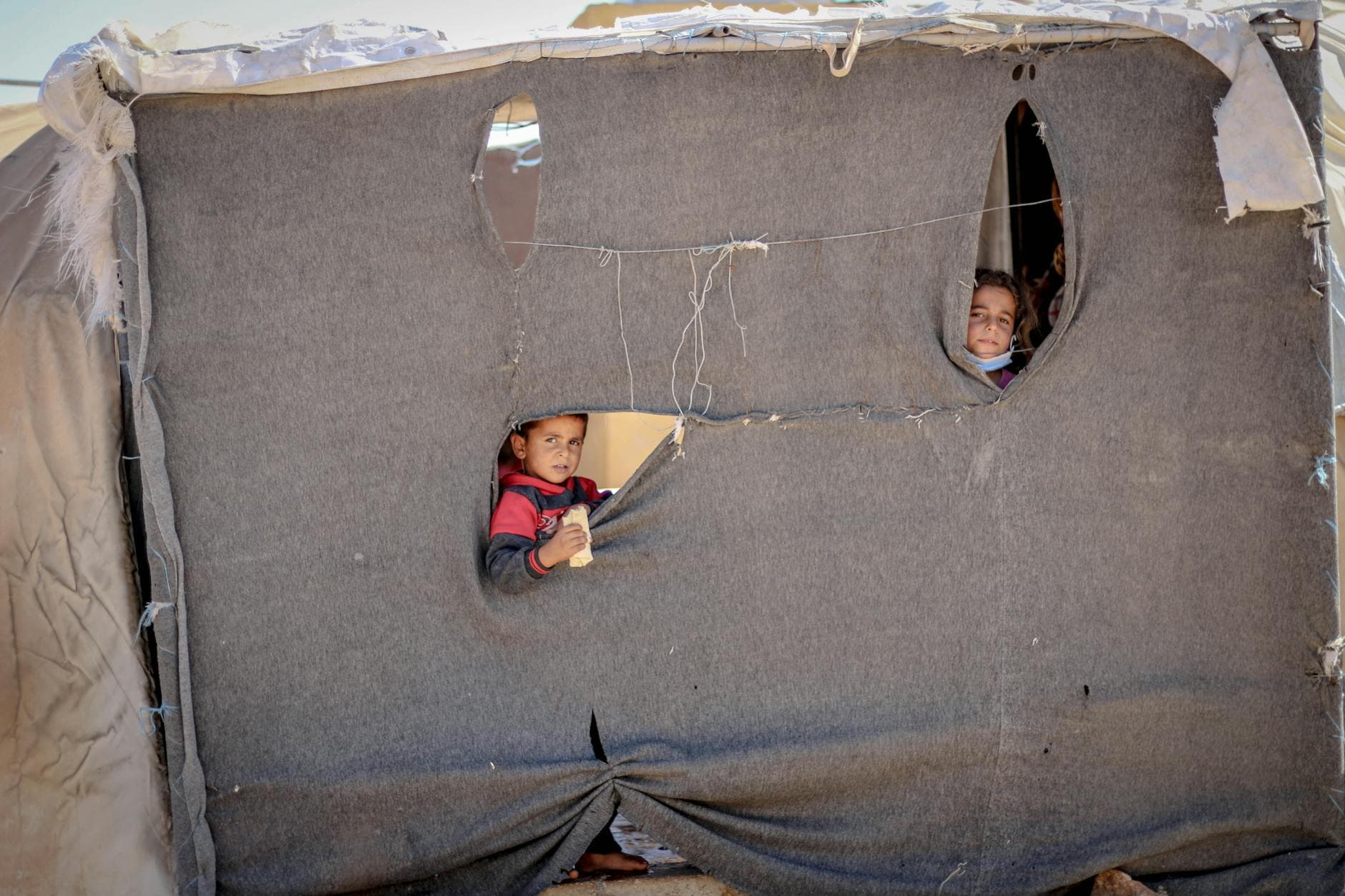
Have you ever watched a child stumble, fall, and then, almost immediately, pick themselves up, dust off their knees, and try again? It’s a beautiful, powerful thing to witness, isn't it? This innate ability, this spark of inner strength, is at the heart of what we call emotional resilience children. It’s not about shielding them from every bump and bruise life throws their way, but about equipping them with the tools to navigate those challenges, learn from them, and emerge even stronger.
The Astonishing Power of Emotional Resilience in Childhood
I’ll be real with you – when I first started digging into the science and stories behind fostering emotional resilience in kids, I was blown away. It’s not some abstract psychological concept; it’s the bedrock of a happy, fulfilling life. Think about the last time you faced a significant hurdle. How did you get through it? Chances are, it involved some degree of grit, a little bit of hope, and the ability to adapt. These are the very qualities we’re talking about when we discuss building resilience kids.
Why It Matters More Than Ever
Our world feels increasingly complex, doesn't it? From the constant hum of social media to the ever-present news cycle, children are exposed to more stressors than ever before. This makes developing strong child emotional strength absolutely critical. It's the invisible armor that helps them weather storms, both big and small.
More Than Just Bouncing Back
Resilience isn't simply about recovering from adversity. It's about growth. It’s about learning to manage difficult emotions, problem-solve effectively, and maintain a positive outlook even when things get tough. This is the essence of resilience in childhood.
The Foundation of Wellbeing
At its core, nurturing emotional resilience children is about fostering their overall child mental wellbeing. When kids feel capable of handling challenges, their confidence soars, their anxiety decreases, and their capacity for joy expands. It’s a win-win, and honestly, the most important investment we can make in their future.
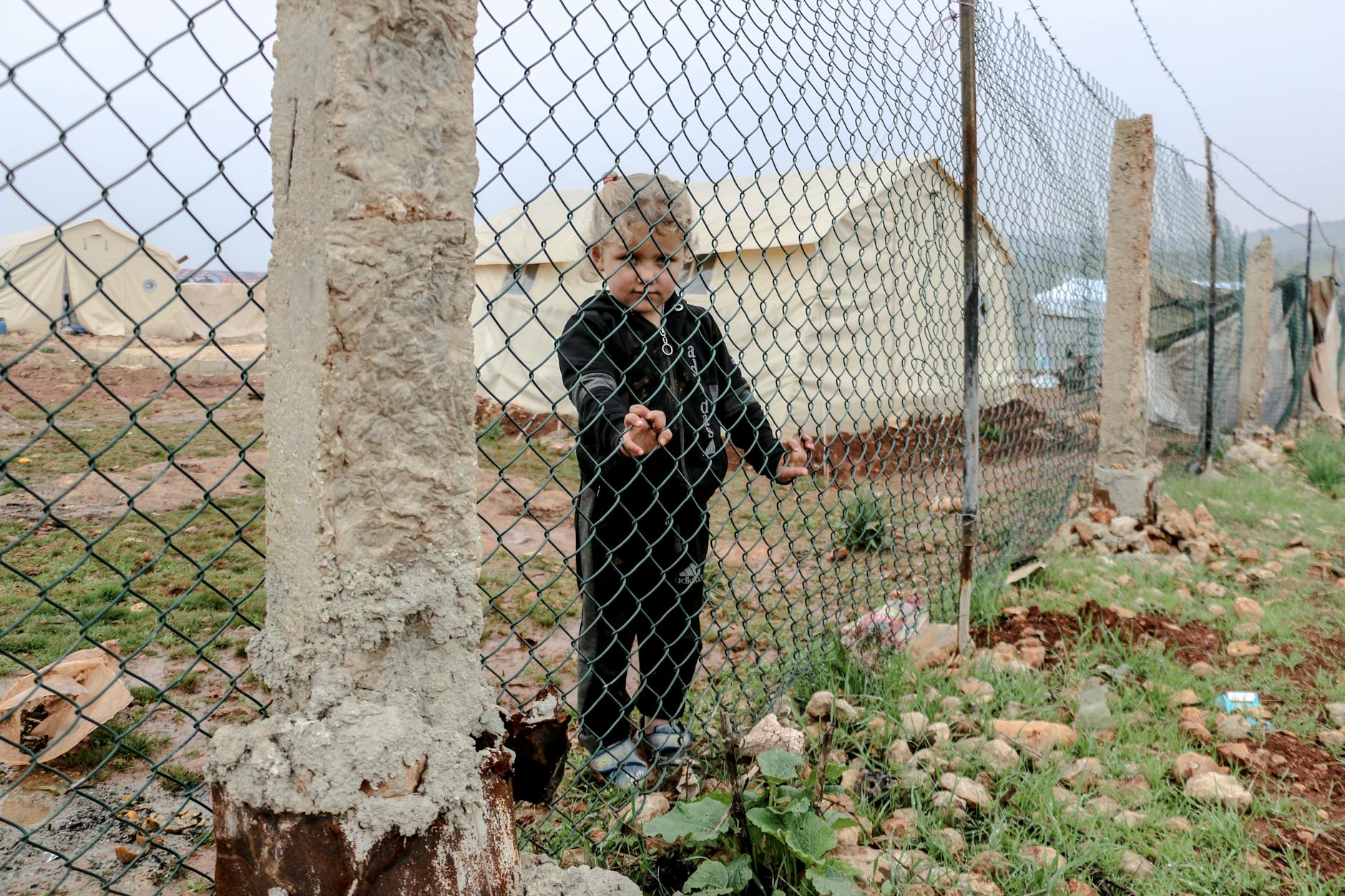
Unlocking the Secrets to Building Resilience in Kids
So, how do we actively cultivate this incredible trait? It’s not about giving kids a magic potion or a secret decoder ring. It’s about consistent, loving guidance and creating an environment where they feel safe to explore, to fail, and to learn. This is where the real work, and the real joy, of parenting for resilience comes in.
The Crucial Role of Secure Attachments
One of the most profound discoveries I’ve made is the absolute centrality of secure relationships. When children have a consistent, loving adult they can rely on, they have a safe harbor from which to explore the world and its challenges. This connection is the bedrock upon which all other coping skills for kids are built.
A Parent's Love as a Superpower
This one surprised me at first. I used to think resilience was about teaching kids specific strategies. While those are important, the research, like that from the National Alliance on Mental Illness research on emotional resilience children, consistently points to the power of a strong parent-child bond. It's the ultimate buffer.
Fostering a Growth Mindset
How we talk about challenges and failures significantly impacts how our children perceive them. Encouraging a growth mindset—the belief that abilities can be developed through dedication and hard work—is paramount for developing resilience.
Embracing Mistakes as Learning Opportunities
Instead of shaming a child for a mistake, frame it as a chance to learn. "Oh, that didn't quite work out. What can we try differently next time?" This simple shift in language can transform a moment of disappointment into a powerful lesson in overcoming setbacks children.
Celebrating Effort Over Outcome
When we praise effort, persistence, and learning, we teach children that the process of trying is valuable, regardless of the immediate result. This builds intrinsic motivation and a willingness to keep going.
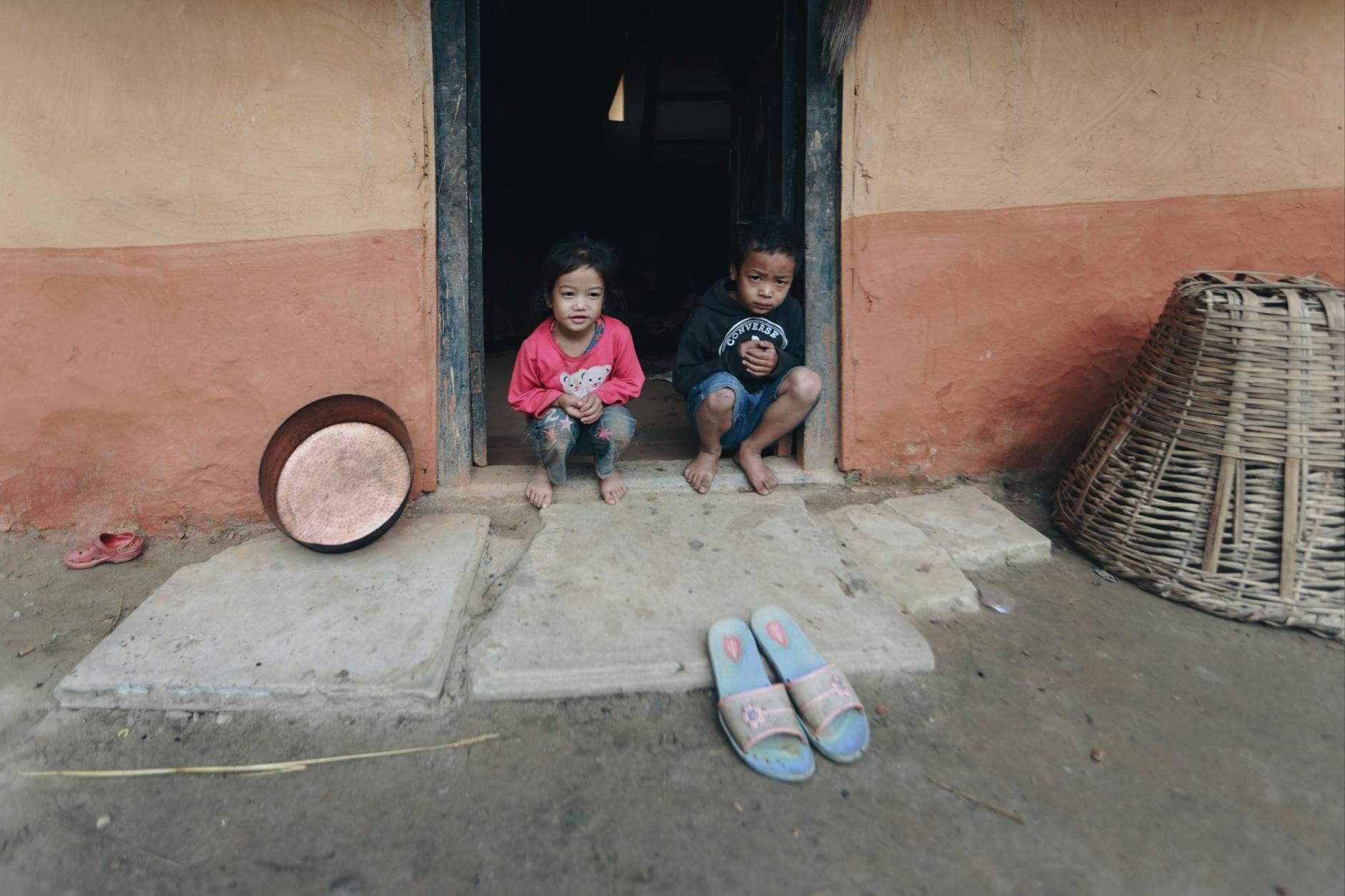
Teaching Children Emotional Regulation: The Cornerstone of Strength
Here's the thing: children aren't born with a fully developed emotional regulation toolkit. They need us to guide them, to help them understand the swirling emotions inside them and how to manage them constructively. This is a fundamental aspect of emotional resilience children.
Naming and Validating Feelings
The first step in managing emotions is understanding them. Help your child identify what they’re feeling. "It looks like you're feeling really frustrated right now because your tower fell down." Validating their emotions—acknowledging that their feelings are real and acceptable—is incredibly powerful.
The Power of a Label
Simply putting a name to an emotion can reduce its intensity. When a child can say, "I'm angry," they are taking a step towards controlling that anger, rather than being controlled by it. This is a vital part of teaching children emotional regulation.
Developing Healthy Coping Strategies
Once emotions are understood, we can help children develop healthy ways to cope. This looks different for every child and every situation.
From Tantrums to Deep Breaths
For a young child having a meltdown, it might be about learning to take deep breaths or finding a quiet corner to calm down. For an older child facing peer pressure, it might be about practicing assertive communication skills. These are all essential coping skills for kids.
When the Weather Turns Cold: Supportive Parenting in Winter
Even seasonal challenges can test a child's resilience. The shorter days, less outdoor play, and potential for cabin fever during winter can contribute to moodiness and frustration. This is where supportive parenting winter strategies come into play. Ensuring children have engaging Winter Kids Activities, maintaining routines, and acknowledging any Winter Anxiety Children may be experiencing are all vital for maintaining their emotional equilibrium.
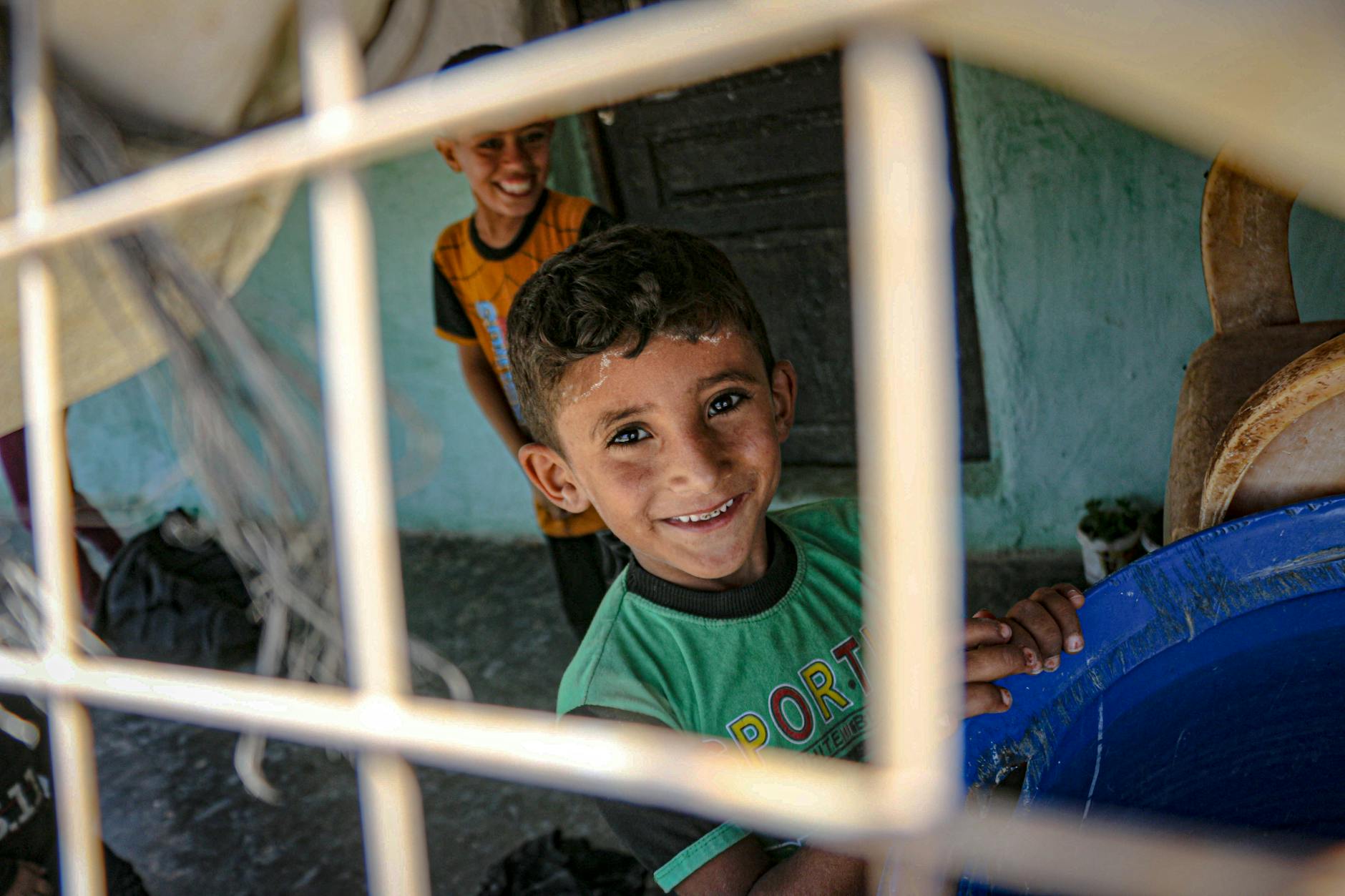
What Nobody Tells You About Overcoming Setbacks
We often present resilience as a smooth upward trajectory, but the truth is far more nuanced. Overcoming setbacks children face is rarely a straight line. There are dips, detours, and moments of doubt. And that's okay.
The Gift of Imperfection
Here’s a truth that can feel uncomfortable: we want our children to be happy all the time, and we sometimes try to prevent any discomfort. But here's the thing: constant comfort doesn't build strength. It’s in the struggle, in the moments of genuine difficulty, that true resilience is forged.
Failure as a Stepping Stone
I used to think failure was the opposite of success. Now, I see it as an indispensable part of the journey. When a child doesn't make the team, or gets a lower grade than they expected, it's an opportunity to teach them how to process disappointment and try again. This is crucial for building resilience.
The Science Behind the Bounce-Back
Research from institutions like the American Psychological Association research on emotional resilience children highlights that resilient individuals often possess a strong sense of self-efficacy – the belief in their ability to succeed in specific situations or accomplish a task. This belief is built through experiencing small victories and learning from challenges.
The Ripple Effect of Support
When children know they have a supportive network—parents, family, friends—their ability to face adversity increases dramatically. This isn't about solving their problems for them, but about offering a listening ear, encouragement, and a belief in their capacity to find solutions.
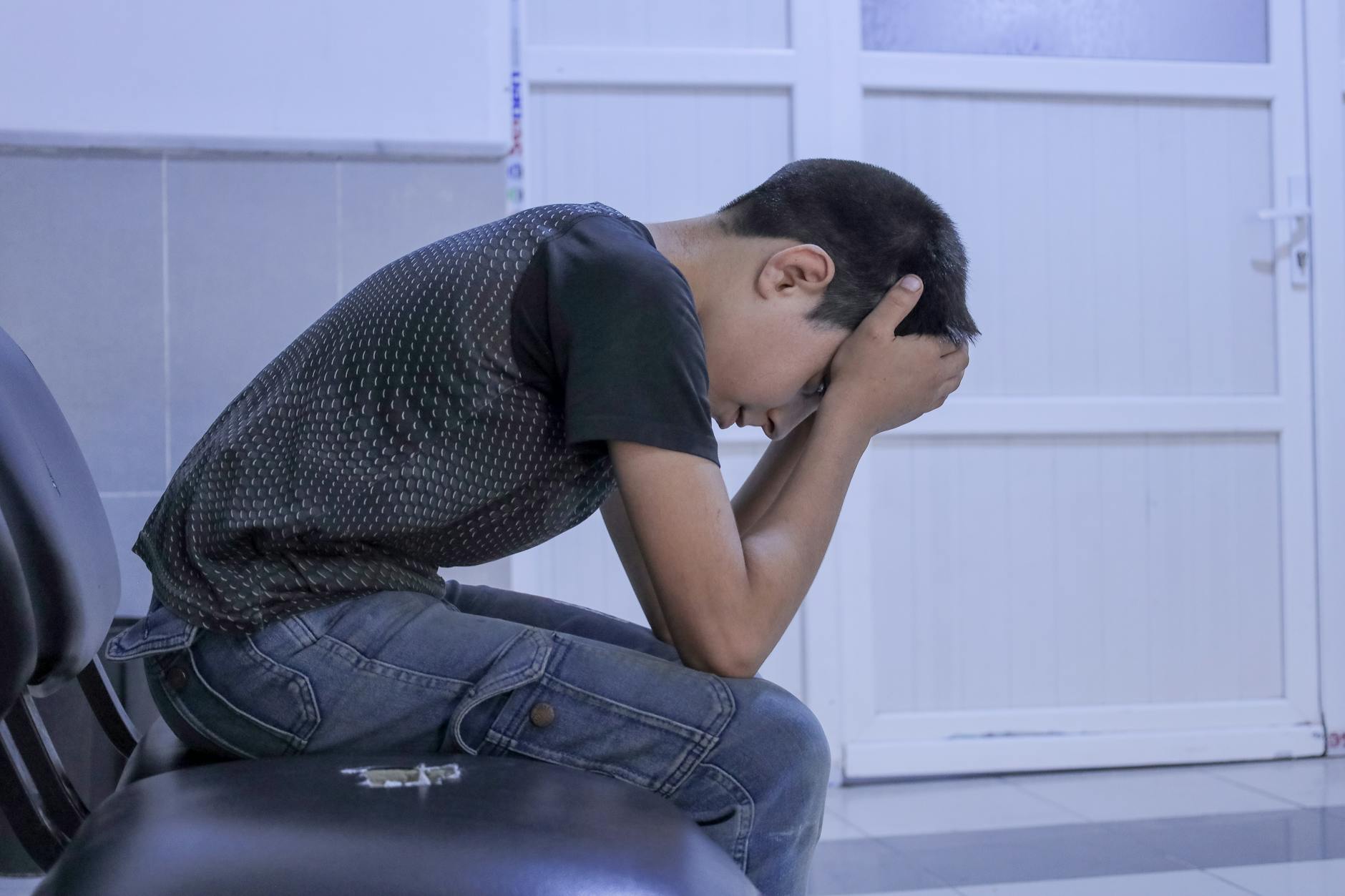
Parenting for Resilience: A Long-Term Vision
Building emotional resilience children is not a quick fix; it's a marathon, not a sprint. It requires patience, consistency, and a deep well of understanding. It’s about nurturing their whole child mental wellbeing, not just their academic or social achievements.
Modeling Resilient Behavior
Children are incredible mimics. How you handle your own frustrations, your own setbacks, your own moments of doubt, teaches them more than any lecture ever could. Be open about your own challenges and how you work through them.
Your Own Emotional Toolkit
Are you practicing good self-care? Are you managing your own stress effectively? Your own ability to cope and bounce back is a powerful lesson. Remember, you are their primary role model for navigating life's complexities.
Empowering Independence
Allowing children to make age-appropriate decisions and to experience the natural consequences of those decisions fosters a sense of agency and competence. This is key to developing their own problem-solving skills.
Letting Go (a Little!)
It can be hard to watch your child struggle, but sometimes, stepping back is the most supportive thing you can do. Resist the urge to swoop in and fix everything. Instead, offer support and guidance, and let them find their own way.
The Long Game of Child Growth
Just as children experience physical Child Growth Spurts, their emotional development is also a dynamic process. There will be periods of rapid growth and periods of seeming stagnation. Understanding this ebb and flow is part of the journey. Similarly, be mindful of other developmental transitions, like when dealing with Toddler Spring Allergies & Mood Swings: Expert Tips, as these can also impact a child's emotional state.
Ultimately, fostering emotional resilience children is about raising capable, confident, and happy human beings who are equipped to face whatever life throws their way. It's about giving them the wings to fly, knowing they have the strength to land, and even to soar again, no matter the circumstances. And that, to me, is one of the most rewarding aspects of being a parent and a lifelong learner in this incredible field.