
What if the cozy glow of a fireplace and the promise of snow days actually brought a shadow of unease to your child? You might be noticing a shift in your child's mood as the days shorten and the temperature drops. This isn't just about a case of the sniffles; it's about a deeper emotional response to the changing seasons. Understanding winter anxiety children face is the first step in helping them navigate this challenging time.
The Silent Chill: Recognizing Winter Anxiety in Kids
It's easy to dismiss a child's grumpiness in winter as just being bored or a bit under the weather. However, for some children, the shift from autumn's vibrant colors to winter's muted tones can trigger genuine anxiety. This seasonal shift can affect their mood, energy levels, and overall well-being. We often associate winter with holidays and fun, but for a child struggling with seasonal changes, it can feel like a prolonged period of gloom.
Beyond the Blues: What Winter Anxiety Looks Like
The term "winter blues" is common, but for some children, it goes beyond a temporary dip in spirits. This can manifest as increased irritability, difficulty concentrating, changes in sleep patterns (either sleeping too much or too little), and a loss of interest in activities they once enjoyed. Some kids might become more withdrawn, while others might experience more frequent meltdowns. It's crucial to differentiate between a typical mood swing and a pattern of behavior that persists throughout the winter months.
Seasonal Affective Disorder (SAD) in Children
In more pronounced cases, children can experience what's known as Seasonal Affective Disorder (SAD), a type of depression that's related to changes in seasons. The reduced sunlight in winter is thought to disrupt the body's internal clock and can lead to a drop in serotonin, a brain chemical that affects mood. While SAD is more commonly diagnosed in adults, it can and does affect children, too. Recognizing the signs early is vital for intervention and support. The American Psychological Association research on winter anxiety children highlights the biological and environmental factors at play.
When the Weather Affects the Mood
Think about the last time you felt a bit down when the sun disappeared for days on end. Now imagine that feeling amplified in a child who might not have the vocabulary to express it fully. This is where we need to be observant. Changes in behavior, even subtle ones, can be indicators. A child who was once eager to play outside might now cling to you, hesitant to leave the warmth and light of home. This reluctance is a signal worth listening to.
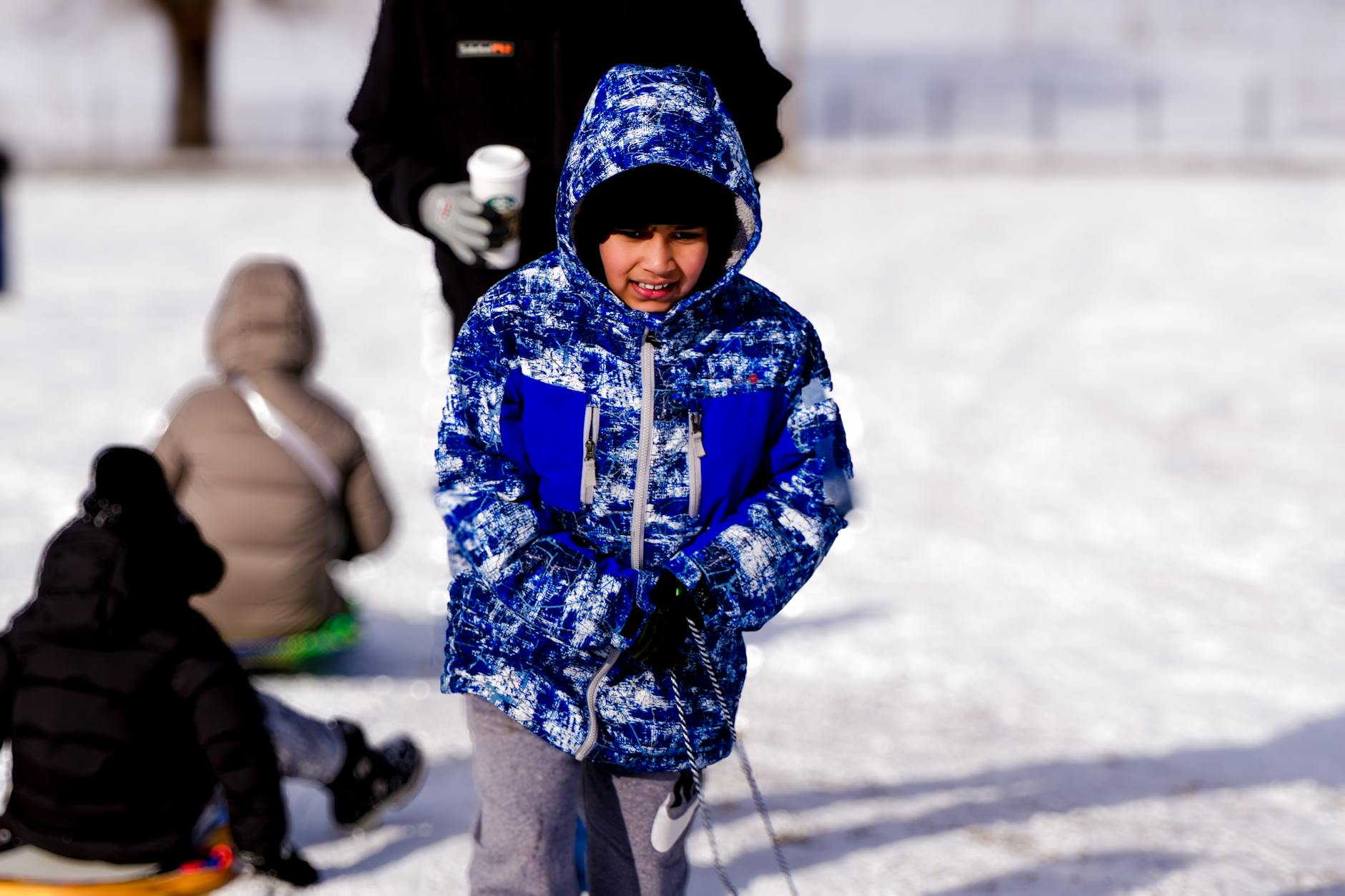
Navigating the Transition: Helping Kids Cope with Winter's Arrival
The transition into winter can be particularly jarring for children. The sudden shift from outdoor play and longer daylight hours to shorter days and colder weather requires significant adjustment. Our role as parents and caregivers is to ease this transition and provide a supportive environment. It’s not about eliminating winter, but about equipping our children with the tools to thrive within it.
Creating a Predictable Routine
Consistency is a powerful antidote to anxiety, and this is especially true during seasonal changes. Establishing and maintaining a predictable daily routine can provide a sense of security for children. This includes regular mealtimes, consistent sleep schedules, and dedicated times for homework and play. When the external world feels uncertain or less stimulating, an internal sense of order becomes even more important. This predictability helps with Toddler Emotional Regulation: Winter Coping Skills for Kids, giving them a framework to understand their day.
Encouraging Indoor Engagement
While outdoor activity is important, winter often necessitates more time spent indoors. This doesn't have to mean screen time overload. Think about creative indoor activities that engage their minds and bodies. Building forts, engaging in arts and crafts, playing board games, or even simple imaginative play can be incredibly beneficial. The key is to make indoor time stimulating and fun, rather than a passive experience. This helps combat the feeling of being cooped up.
The Power of Light
Sunlight plays a crucial role in regulating our moods. Even on cloudy days, spending time near windows can make a difference. For children experiencing winter blues, light therapy boxes (also known as SAD lamps) can be a helpful tool. These lamps mimic natural daylight and can help reset the body's internal clock. It’s a simple yet effective way to combat the effects of reduced sunlight exposure, and many families find them surprisingly effective. The American Psychological Association research on winter anxiety children often points to light exposure as a key factor.

When Winter Moods Deepen: Addressing Seasonal Anxiety in Kids
Sometimes, the "winter blues" can feel more like a persistent cloud that doesn't lift. If you're observing a significant and ongoing change in your child's mood and behavior, it's time to look deeper into managing this seasonal anxiety. This isn't about overreacting; it's about being proactive in supporting your child's mental health.
Open Communication is Key
Create a safe space for your child to talk about their feelings, even if they struggle to articulate them. Ask open-ended questions like, "How has your body been feeling lately?" or "What's been on your mind when you feel a bit down?" Sometimes, just having a listening ear can make a world of difference. Validate their feelings, letting them know that it's okay to feel sad, tired, or anxious. This open dialogue is fundamental to building resilience and trust.
The Role of Physical Activity
Even in cold weather, physical activity is incredibly important for mood regulation. Encourage your child to get outside for short bursts of activity whenever possible. A brisk walk, playing in the snow, or even just running around the yard can release endorphins that boost mood. If outdoor play isn't feasible, indoor exercise like dancing, yoga, or obstacle courses can provide a similar benefit. The Gottman Institute research on winter anxiety children often emphasizes the link between physical health and emotional well-being.
Mindfulness and Relaxation Techniques
Teaching children simple mindfulness and relaxation techniques can equip them with valuable coping mechanisms. Deep breathing exercises, guided imagery, or progressive muscle relaxation can help calm their nervous system when they feel overwhelmed. These are skills that will serve them well not just during winter but throughout their lives. Learning to manage their emotional state is a core component of Toddler Emotional Regulation: Winter Coping Skills for Kids.

An Unexpected Angle: The Gifts of Winter for Children
While we’re focused on the challenges of winter anxiety children can experience, it's also worth considering the unique opportunities this season offers. Sometimes, a shift in perspective can unlock new ways of supporting our kids. Instead of just trying to "get through" winter, we can actively look for its positive aspects and leverage them.
Embracing the Slowdown
Winter naturally encourages a slower pace. This can be a gift. It's a time for introspection, for deeper connection within the family, and for enjoying quieter activities. While constant stimulation can be the norm in other seasons, winter invites us to appreciate stillness. This can be incredibly beneficial for children who might be overscheduled or overwhelmed by the demands of other parts of the year. It’s a chance to recharge.
The Magic of Indoor Worlds
Winter is the perfect season for building imaginative indoor worlds. Think of the cozy stories read by lamplight, the intricate Lego creations built on the living room floor, or the elaborate pretend play scenarios that unfold. These activities foster creativity, problem-solving, and a sense of agency. They provide a rich internal landscape that can be a powerful buffer against external gloom. This can be a fantastic way to engage children and counter the effects of winter mood dips.
Appreciating Nature's Winter Beauty
Even in winter, nature offers beauty. The stark elegance of bare trees, the intricate patterns of frost, the quiet hush of snowfall – these can be profound experiences for children. Encourage them to observe these changes. Perhaps a nature walk to collect interesting twigs or stones, or simply sitting by the window to watch the birds. These moments connect them to the natural world and can be incredibly grounding. This is where Kids Nature Exploration: Boost Emotional Growth This Spring can be planned, but the seeds of appreciation are sown in winter.

When to Seek Professional Help for Winter Anxiety
As parents, we are often our children's first and best advocates. However, there are times when professional support is necessary. If your child's symptoms are severe, persistent, or significantly impacting their daily life, reaching out to a pediatrician or a mental health professional is a sign of strength, not weakness.
Signs That Warrant Professional Attention
Persistent sadness or irritability that lasts for more than two weeks is a key indicator. Significant changes in appetite or weight, withdrawal from friends and family, frequent tearfulness, or expressions of hopelessness are also red flags. If your child is experiencing difficulty functioning at school or home due to their mood, it’s time to seek expert advice. Psychology Today research on winter anxiety children often details these critical signs.
Understanding Treatment Options
For children experiencing SAD or significant seasonal anxiety, treatment options can include light therapy, psychotherapy (talk therapy), and, in some cases, medication. A mental health professional can assess your child's specific needs and recommend the most appropriate course of action. Remember, seeking help is a proactive step towards ensuring your child's well-being and resilience. Early intervention can make a significant difference in their long-term mental health.
Winter can be a magical time, filled with unique joys and opportunities for connection. However, for many children, the shorter days and colder weather bring a unique set of challenges. By understanding the signs of winter anxiety children may experience, and by implementing practical strategies for support, we can help our kids navigate this season with greater ease and resilience. It's about fostering an environment where they feel seen, heard, and empowered to embrace the quiet beauty of winter, rather than succumbing to its shadows.