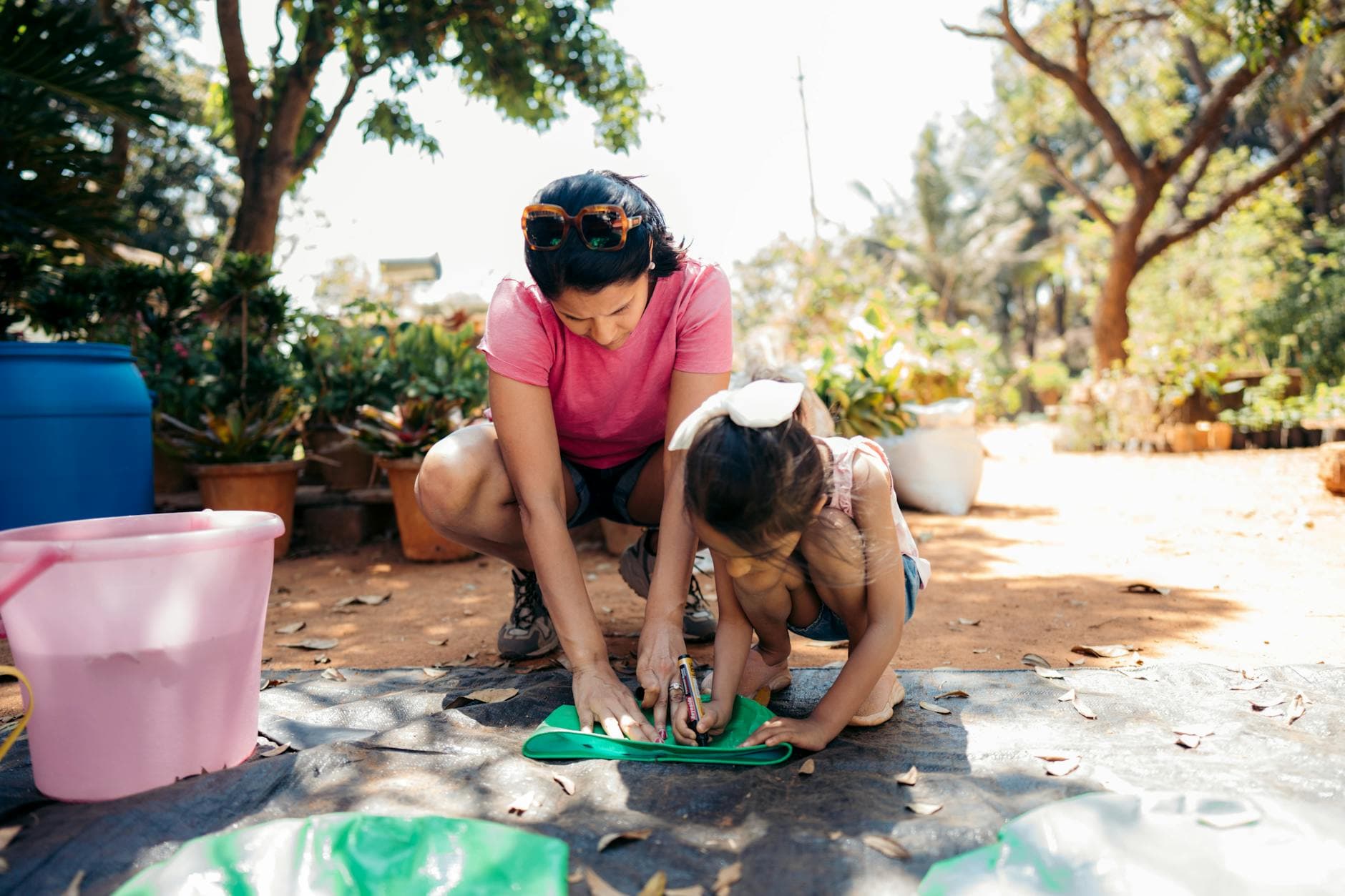
When did you first realize your child could do something all by themselves? Was it the moment they finally managed to buckle their own shoe, or perhaps when they proudly presented a lopsided drawing they'd created without a single prompt? Those small victories, those sparks of self-sufficiency, are the very essence of fostering independence in children. It's not just about teaching them life skills; it's about nurturing their confidence, resilience, and belief in their own capabilities. We're talking about building little humans who can navigate the world with a secure inner compass, and honestly, it's one of the most profoundly rewarding aspects of parenting.
The Astonishing Power of Letting Go
Why Early Childhood Independence Matters So Much
You know, I used to think that the faster I could do things for my kids, the more efficient I was being. If they were struggling to put on their coat, I'd just swoop in and do it. It seemed like the path of least resistance. But then I started seeing the glazed-over look in their eyes when a task was simply handed to them, and I realized I was robbing them of something vital. Early childhood independence isn't just a cute phase; it's a foundational building block for everything that comes next. It’s about allowing them to experience the natural consequences of their actions, good or bad, in a safe environment. This is where the real learning happens, far beyond any worksheet or lecture.
The Ripple Effect of Self-Reliance
When we actively engage in fostering independence children, we're not just creating capable individuals for today. We're setting them up for a lifetime of self-reliance. Think about it: a child who learns to manage their own small tasks is more likely to approach larger challenges with a "can-do" attitude. They develop problem-solving skills organically, and this builds a powerful sense of agency. It's a beautiful, cascading effect that touches every area of their development. The National Alliance on Mental Illness research on fostering independence children actually highlights the link between early autonomy and later mental well-being, which I found particularly fascinating.
More Than Just Skills: Building Confidence
This is the part that really lights me up. Fostering independence children is fundamentally about building confidence. Each time a child successfully completes a task they set out to do, their belief in themselves grows. This isn't about ego; it's about a deep-seated understanding that they are capable. It's the quiet hum of self-assurance that allows them to try new things, to speak up when they have an idea, and to recover from setbacks with grace. This intrinsic confidence is a superpower that will serve them in every facet of their lives.
Navigating the Age-Appropriate Path
Toddler Independence: Small Steps, Big Leaps
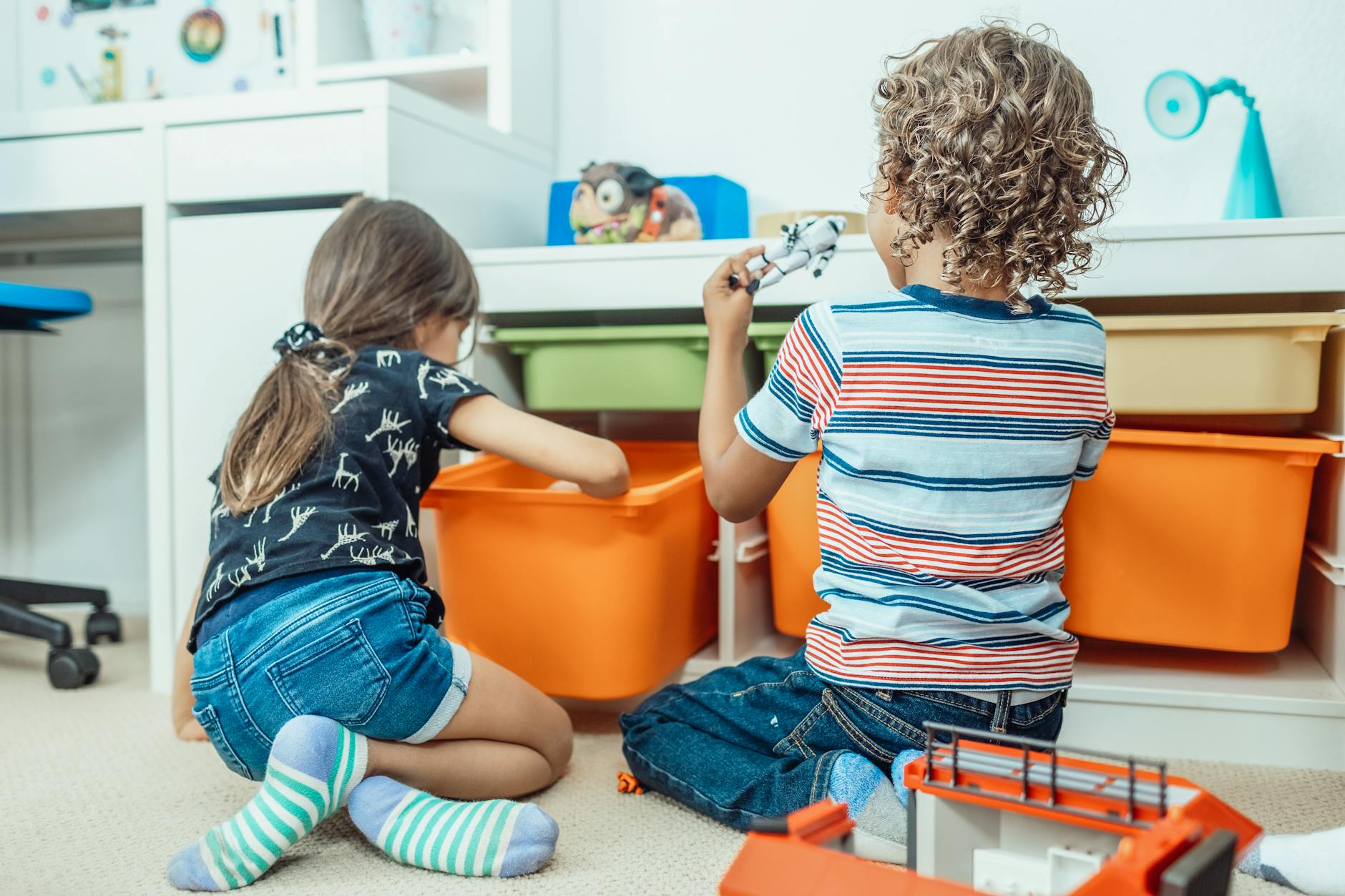
Let's talk toddlers. These little explorers are bursting with a desire to do things *themselves*. From attempting to feed themselves (and yes, it will be messy!) to wanting to choose their own outfits (even if it means mismatched socks), their drive for independence is palpable. For this age group, fostering independence children looks like offering choices within safe boundaries. Can they choose between the red cup or the blue cup? Can they help put their toys in the bin? These seemingly tiny actions are monumental for developing independence kids. You can find some fantastic toddler independence activities for spring exploration that are perfect for this stage.
The Magic of "Me Do It!"
Embrace the "me do it!" phase. It's a sign of healthy development. Offer opportunities for them to participate in daily routines. Let them help set the table with unbreakable items, or let them "help" you fold laundry by handing you items. It might take longer, and it might not be perfect, but the learning and satisfaction they gain are invaluable.
Mess is Part of the Process
Here's a tough one for many parents: accepting mess. When you're fostering independence children, especially toddlers, in areas like feeding or art, a certain level of mess is inevitable. Lay down a mat, put on old clothes, and let them explore. The sensory experience and the feeling of accomplishment far outweigh the cleanup effort.
Preschooler Independence: Growing Autonomy
As children enter the preschool years, their capacity for independence expands dramatically. They can follow more complex instructions, manage more intricate tasks, and are developing a stronger sense of personal preference. Encouraging autonomy preschoolers means giving them more responsibility for their own care and belongings. This could involve dressing themselves completely, packing their own snack bag for a playdate, or tidying up their own room (with some guidance, of course). The National Institutes of Health research on fostering independence children shows how crucial these years are for developing self-regulation.
Self-Care Skills Bloom
Focus on self-care. Can they brush their teeth with minimal supervision? Can they pour their own drink from a small pitcher? These are all significant milestones in developing independence kids. Celebrate these successes, no matter how small they seem.
Problem-Solving Adventures
When they encounter a small problem, resist the urge to jump in immediately. Ask them, "What do you think you could do about that?" This prompts them to think critically and find their own solutions, a core component of fostering independence children.
School-Aged Independence: Building Competence
For school-aged children, fostering independence children shifts towards managing their academic responsibilities, social interactions, and personal time. They can learn to manage their homework schedule, pack their own school bag, and make responsible choices about how they spend their free time. This is also a critical time for developing self-advocacy skills. Healthline research on fostering independence children points to the importance of allowing them to voice their needs and concerns.
Time Management Skills
Teach them basic time management. Help them break down larger tasks into smaller, manageable steps. This could be as simple as a visual schedule for their homework or chores.
Navigating Social Landscapes
Allow them to navigate peer relationships with less direct intervention. While it's important to be there for support, let them work through minor disagreements or social challenges themselves first. This builds resilience and conflict-resolution skills.
Practical Strategies for Fostering Independence Children
The Art of "Doing Less"
This one surprised me when I first heard it. The concept of "doing less" as a parent might sound counterintuitive, but it’s central to fostering independence children. It means consciously stepping back and allowing your child the space to try, to fail, and to learn. It’s about resisting the urge to rescue them from every minor inconvenience. Think about the last time you saw a child struggling with a puzzle. Your instinct might be to show them where the piece goes, but what if you just sat quietly nearby, offering a reassuring smile? That small act of restraint empowers them to keep trying.
Creating Opportunities for Choice
Choice is a powerful motivator and a key driver of independence. When we offer children age-appropriate choices, we are acknowledging their preferences and giving them a sense of control. This doesn't mean chaos; it means structured choices. For a preschooler, it might be choosing between two outfits or two healthy snacks. For a school-aged child, it could be deciding which project to tackle first or how to organize their study time. This is a fundamental aspect of developing independence kids.
Daily Decision-Making Moments
Integrate choice into daily routines. "Would you like to wear the blue shirt or the green shirt today?" "Do you want to brush your teeth before or after your story?" These small decisions build a habit of self-direction.
Empowering with Responsibility
Assigning age-appropriate chores and responsibilities is another excellent way to foster independence children. Even very young children can help with simple tasks like putting away toys or helping to set the table. As they grow, these responsibilities can become more complex, like helping with meal preparation or taking care of a pet.
Embracing Mistakes as Learning Tools
Here's the thing: mistakes are not failures. They are invaluable learning opportunities. When we foster independence children, we must create an environment where it's safe to make mistakes. If a child spills their milk while trying to pour it themselves, instead of getting upset, calmly help them clean it up and encourage them to try again. This teaches resilience and problem-solving, rather than fear of error. The National Alliance on Mental Illness research on fostering independence children often emphasizes the role of a supportive, non-judgmental environment in healthy development.
The "Oops" Moment
When an "oops" moment happens, approach it with patience. Frame it as a learning experience. "Oh, that spilled! What can we do to clean it up?" This shifts the focus from blame to solution.
Encouraging Persistence
When a child faces a challenge and doesn't succeed immediately, encourage them to keep trying. Celebrate their effort, not just the outcome. This builds a growth mindset, which is crucial for long-term success and independence.
The Long-Term Payoff: Raising Confident, Resilient Individuals
Beyond Basic Chores: The Foundation for Life
It’s easy to think of fostering independence children as just teaching them to tie their shoes or make their own breakfast. But it’s so much more profound than that. We are laying the groundwork for their future well-being, their ability to handle adversity, and their capacity for self-advocacy. When they’ve had years of practice making small decisions and solving minor problems, they are far better equipped to handle the larger, more complex challenges that life inevitably throws their way. This really resonates with the findings from the National Institutes of Health research on fostering independence children.
The Joy of Watching Them Thrive
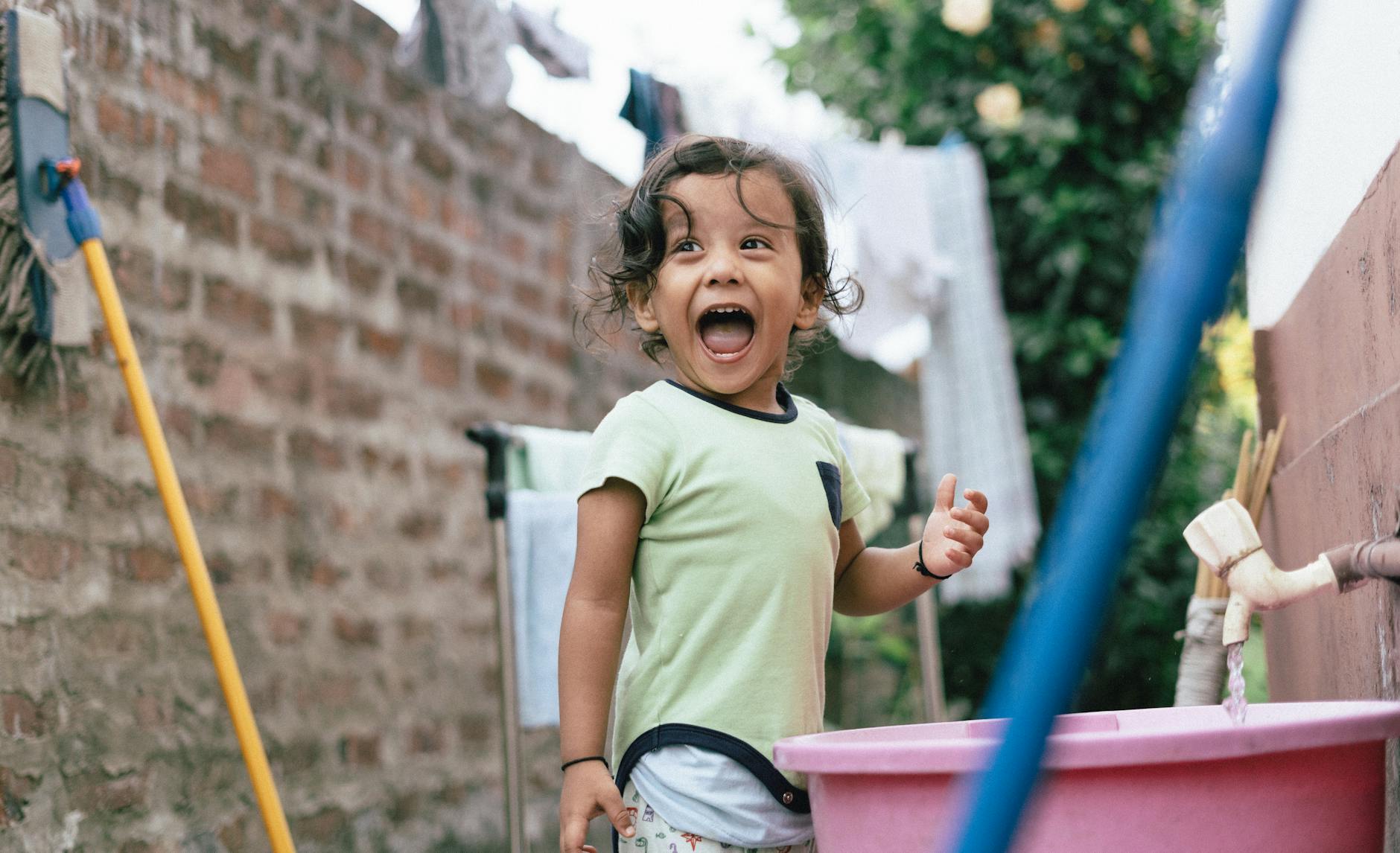
Honestly, there’s nothing quite like the feeling of watching your child confidently tackle something new, something they've learned to do themselves. It’s a moment of pure pride, not just for them, but for you too, knowing you’ve nurtured that spark of capability. This journey of fostering independence children is a marathon, not a sprint, and every small step is a victory worth celebrating. It's about building a strong foundation for child development milestones independence.
A Legacy of Self-Sufficiency
Ultimately, how to raise independent children is about equipping them with the tools they need to live fulfilling, self-directed lives. It's about instilling in them a belief that they are capable, resourceful, and resilient. This isn't just about them; it's about the kind of adults they will become and the positive impact they will have on the world. It’s a gift that keeps on giving, long after they’ve left the nest.