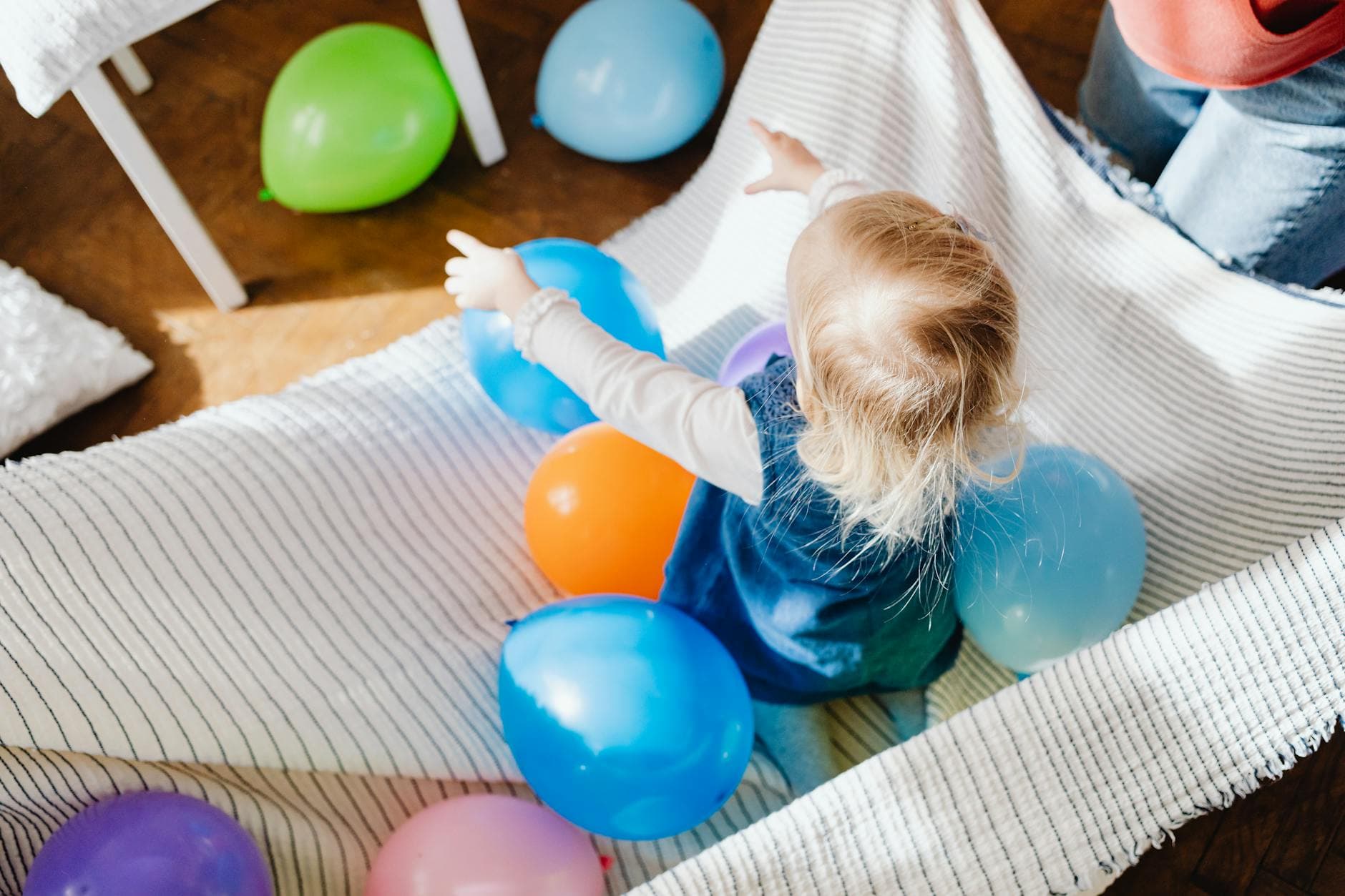
Have you ever watched your toddler attempt to do something completely on their own, only to feel that familiar tug between wanting to help them and knowing you *should* let them try?
That feeling is the heart of fostering toddler independence. It's a delicate dance, isn't it? We want them to be safe and successful, but we also want them to grow into capable, confident little humans. If you're looking for ways to encourage this vital stage, you're in the right place. Exploring toddler independence activities isn't just about keeping them busy; it's about laying the groundwork for their future self-reliance.
The 'Why' Behind Toddler Independence Activities
It's easy to see independence as just a cute phase, but honestly, it's so much more. This is when children begin to understand their own capabilities and limitations. It builds their confidence, their problem-solving skills, and their sense of agency in the world.
Building Confidence Through Competence
When a toddler successfully puts on their own shoe, even if it's backward, they feel a surge of accomplishment. This feeling of "I did it!" is foundational. It tells them they can tackle challenges and that their efforts lead to results. This self-efficacy is a cornerstone of healthy development, as noted by American Psychological Association research on toddler independence activities.
Developing Problem-Solving Skills
Think about it: how does a toddler figure out how to stack blocks without them toppling? Or how to get that stubborn sock onto their foot? They experiment, they fail, they adjust, and they try again. These are the very essence of problem-solving, practiced in real-time. These skills are crucial for their academic and social futures.
Fostering Self-Reliance and Resilience
Allowing toddlers to attempt tasks independently, even if it takes longer or isn't perfect, teaches them to rely on themselves. This isn't about abandoning them; it's about providing a safe space to learn and grow. When they encounter a small setback, like dropping a toy, and can figure out how to pick it up, they build resilience. This concept is explored in Psychology Today research on toddler independence activities.
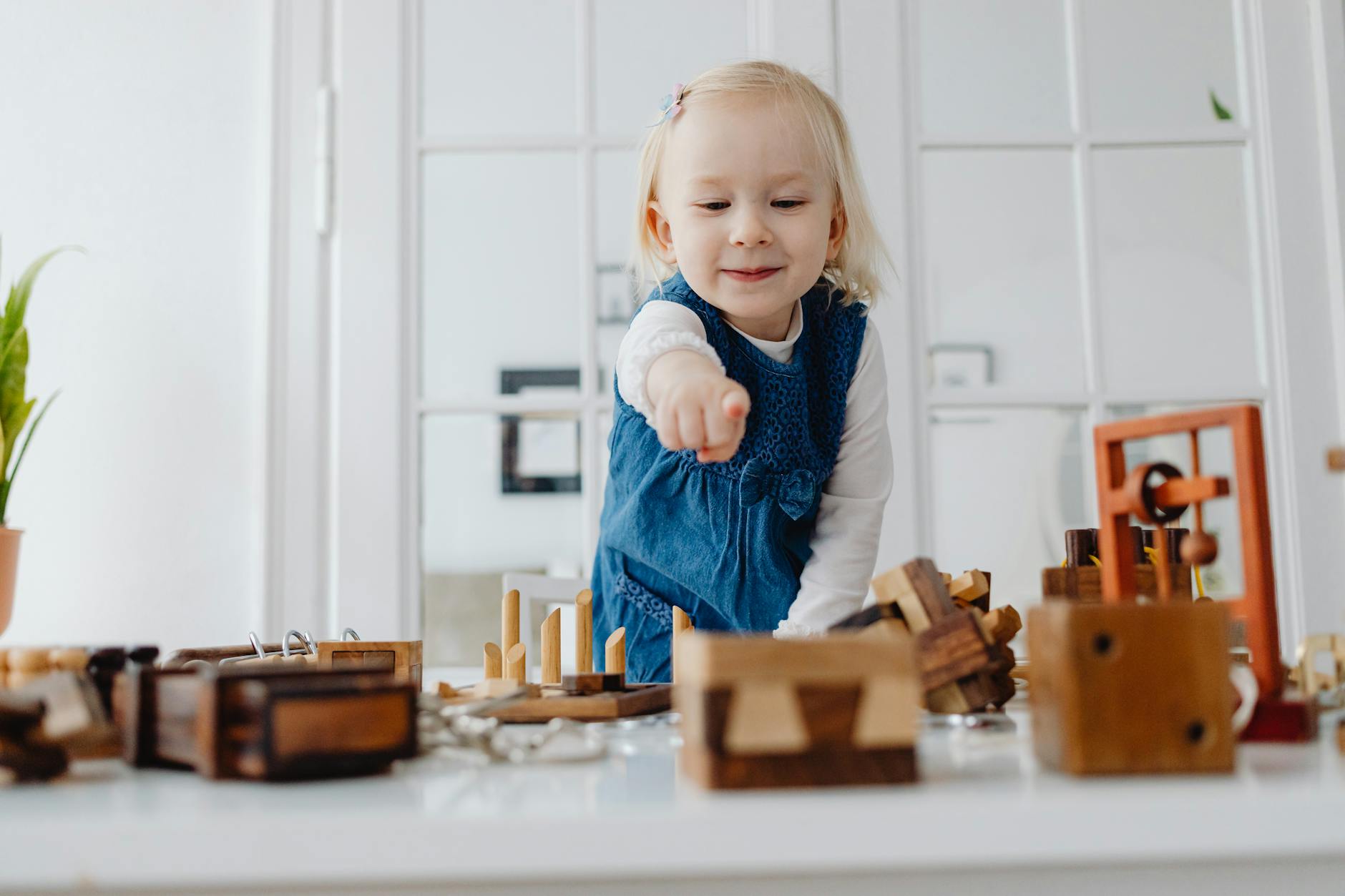
Practical Toddler Independence Activities for Everyday Life
The beauty of fostering independence is that it doesn't require elaborate setups or special equipment. Many of the most effective toddler independence activities are woven into the fabric of your daily routine.
Self-Care Skills: The First Frontier
These are the everyday tasks that give toddlers a huge sense of accomplishment. Think about dressing, eating, and hygiene. It might take longer, and there will be mess, but the payoff is immense.
Dressing Themselves
Offer oversized buttons, elastic-waist pants, and slip-on shoes. Let them choose their outfit (within reason, of course!). Even just putting on their own socks or pulling up their pants is a win. This is a fantastic way to build fine motor skills and body awareness.
Feeding Themselves
Provide child-sized utensils and plates. Encourage them to scoop their own food, even if some lands on the floor. Offer healthy snacks they can easily grasp, like fruit slices or cheese cubes. The mess is a temporary hurdle; the independence gained is lasting.
Washing Hands
Set up a sturdy stool so they can reach the sink. Let them pump their own soap and rub their hands together. Supervise, of course, but let them lead the washing process. This is a critical hygiene habit they can master early.
Household Chores: Little Helpers, Big Impact
Toddlers genuinely want to help! Assigning them simple, age-appropriate "chores" can be incredibly empowering. It makes them feel like a valued member of the family.
Putting Away Toys
Designate specific bins or baskets for different types of toys. Make it a game: "Can you put all the red blocks in the red bin?" or "Let's race to see who can put their books away first!" Clean-up time can actually become enjoyable.
"Helping" with Meal Prep
Allow them to wash fruits and vegetables (with supervision), stir ingredients in a bowl (with a sturdy spoon), or set out placemats. These small tasks make them feel involved and important in the family's meal routine. This is a great opportunity to practice early language skills too, as you talk about the different foods and actions involved – a key part of toddler language development.
Wiping Up Spills
Keep a small sponge or cloth accessible. When a spill happens, hand them the cloth and show them how to wipe. It might not be perfect, but it teaches responsibility and problem-solving.
Outdoor Toddler Independence Activities: Spring into Action!
Spring is a wonderful time to encourage independence outdoors. The weather is (usually!) cooperative, and the world is full of new textures, sights, and sounds to explore. Embracing toddler outdoor independence is brilliant for their development.
Exploring Nature's Playground
The natural world offers endless opportunities for self-directed exploration and learning. Think about the simple joy of digging in the dirt or collecting interesting leaves.
Gardening Together
Give them their own small trowel and watering can. Let them dig in a designated patch of soil, plant seeds (even if they just push them in!), or water the plants. This connects them with nature and teaches patience as they watch things grow. It’s a perfect example of toddler outdoor play: fun spring activities for little ones.
Nature Scavenger Hunts
Create simple picture lists of things to find: a smooth stone, a green leaf, a feather, a flower. Let them search and collect items. This encourages observation skills and a sense of accomplishment as they tick items off their list.
Sensory Play in the Garden
A mud kitchen, a water table, or even just a large bin filled with sand and water can provide hours of independent, creative play. They can mix, pour, scoop, and build, all while developing their senses and fine motor skills.
Active Exploration and Movement
Getting their bodies moving is crucial for toddlers, and doing so independently builds confidence and coordination.
Climbing and Balancing
Provide safe, age-appropriate climbing structures like small slides or low balance beams. Encourage them to try climbing up and sliding down, or walking across the beam. Always supervise, but let them attempt it at their own pace. This supports the development you'll see continue into preschooler independence: spring outdoor fun & learning.
Riding a Tricycle or Scooter
With a helmet and supervision, let them practice pedaling or pushing themselves around. It takes practice, but the feeling of self-propulsion is incredibly empowering for them. This is a great activity for a sunny afternoon during spring break kids: easy family talk secrets.
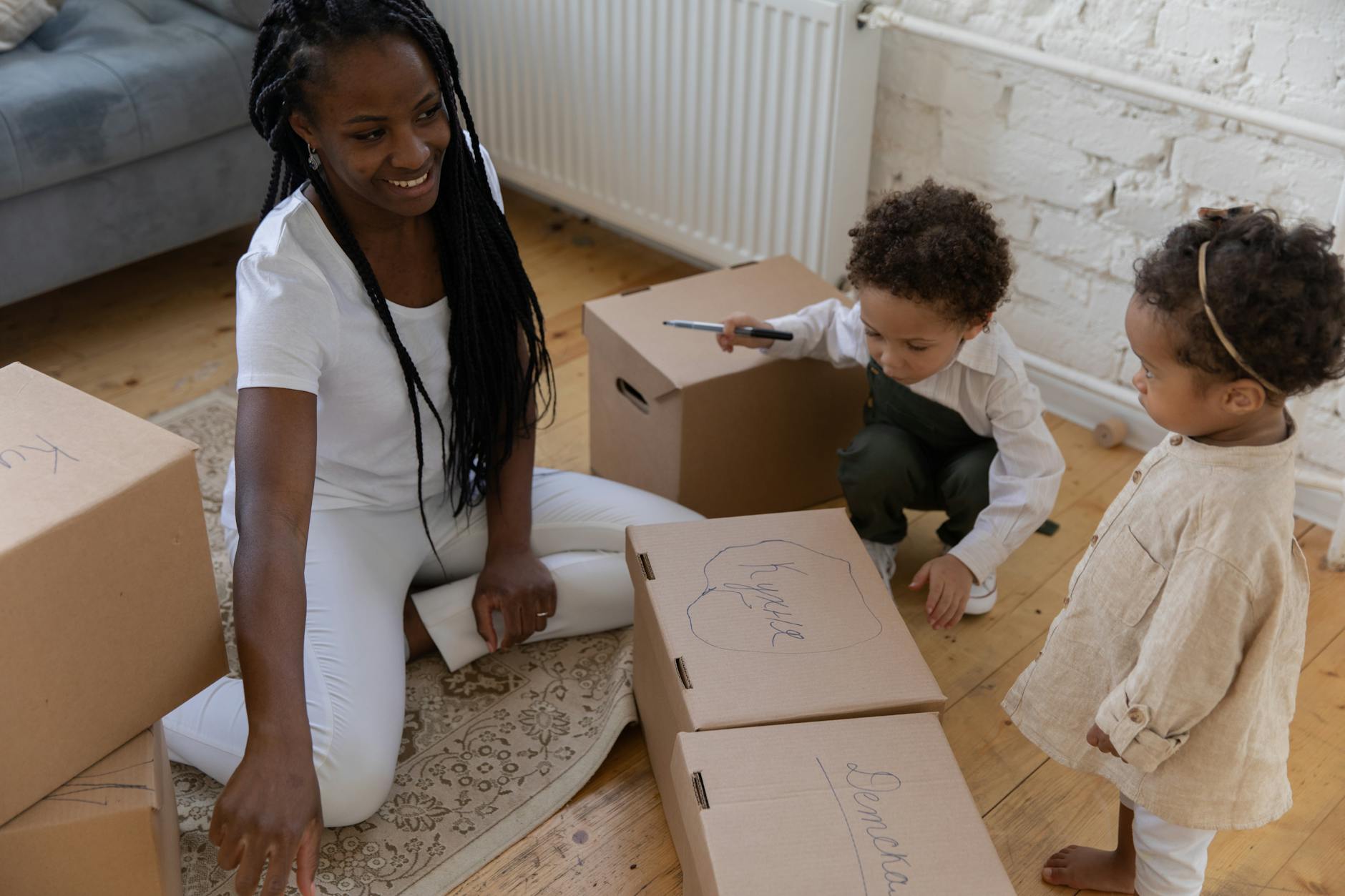
Child-Led Play: The Ultimate Independence Builder
Child-led play is more than just letting kids do what they want; it's about observing their interests and providing the environment and materials for them to explore those interests independently. This is where true learning and independence blossom.
Creating an Enabling Environment
The way you set up their play space can significantly impact their ability to play independently. Think about accessibility and choice.
Accessible Toy Storage
Low shelves, open bins, and clearly labeled containers allow toddlers to choose their own toys and put them away without constant adult intervention. This empowers them to direct their own play.
Dedicated "Maker" Spaces
Even a small corner with art supplies (crayons, chunky paper, washable paint) or building blocks can become a hub for independent creation. Let them explore textures and colors without a prescribed outcome.
The Power of Observation
Sometimes, the most supportive thing we can do is simply step back and watch. Resist the urge to jump in and "fix" or direct every moment.
Allowing for Mess and Mistakes
This is a tough one for many parents, myself included! But allowing toddlers to make a mess during play or to struggle a bit with a task is essential for learning. It's okay if paint gets on the table or if a block tower falls. These are learning opportunities, not failures. Research from the National Alliance on Mental Illness research on toddler independence activities highlights the importance of a supportive, yet not overly intrusive, environment for emotional development.
Following Their Lead
If your toddler is fascinated by the way water flows down a drain, provide them with various containers and let them experiment. If they are captivated by the texture of sand, give them tools to dig and sift. This intrinsic motivation is the engine of self-directed learning.
Navigating the Challenges: When Independence Gets Tricky
Let’s be real: fostering independence isn’t always a smooth ride. There will be meltdowns, frustrations, and moments where you question everything. That's normal.
The "I Can Do It Myself!" Battle
You've probably seen this play out. Your toddler insists on doing something they aren't quite capable of yet, leading to tears. The key here is validation and redirection.
Acknowledge Their Feelings
Instead of dismissing their desire, say something like, "I see you really want to put on your own coat, and that's wonderful! It's a bit tricky, isn't it?" This validates their effort and their frustration.
Break Down the Task
If they can't do the whole thing, help them with one part and let them do the rest. "I'll help you get your arm in, and you can pull the sleeve down." Gradually, they'll master more steps.
Safety First, Always
Independence does not mean recklessness. Setting clear boundaries and ensuring a safe environment is paramount.
Age-Appropriate Boundaries
Not every activity is safe for every toddler. Understand their capabilities and supervise accordingly. For example, giving a toddler a sharp knife for meal prep is not appropriate, but a child-safe plastic knife for spreading is.
Constant (But Not Intrusive) Supervision
Be present and aware, but try not to hover. This allows them the space to explore and problem-solve while ensuring their safety. It’s about being a secure base, not a constant director.
Building toddler independence is a marathon, not a sprint. Each small step they take towards doing something on their own is a monumental achievement. Celebrate these moments, be patient through the struggles, and remember that you are nurturing a confident, capable, and resilient human being. The joy you see on their face when they accomplish something independently is truly one of parenting's greatest rewards.