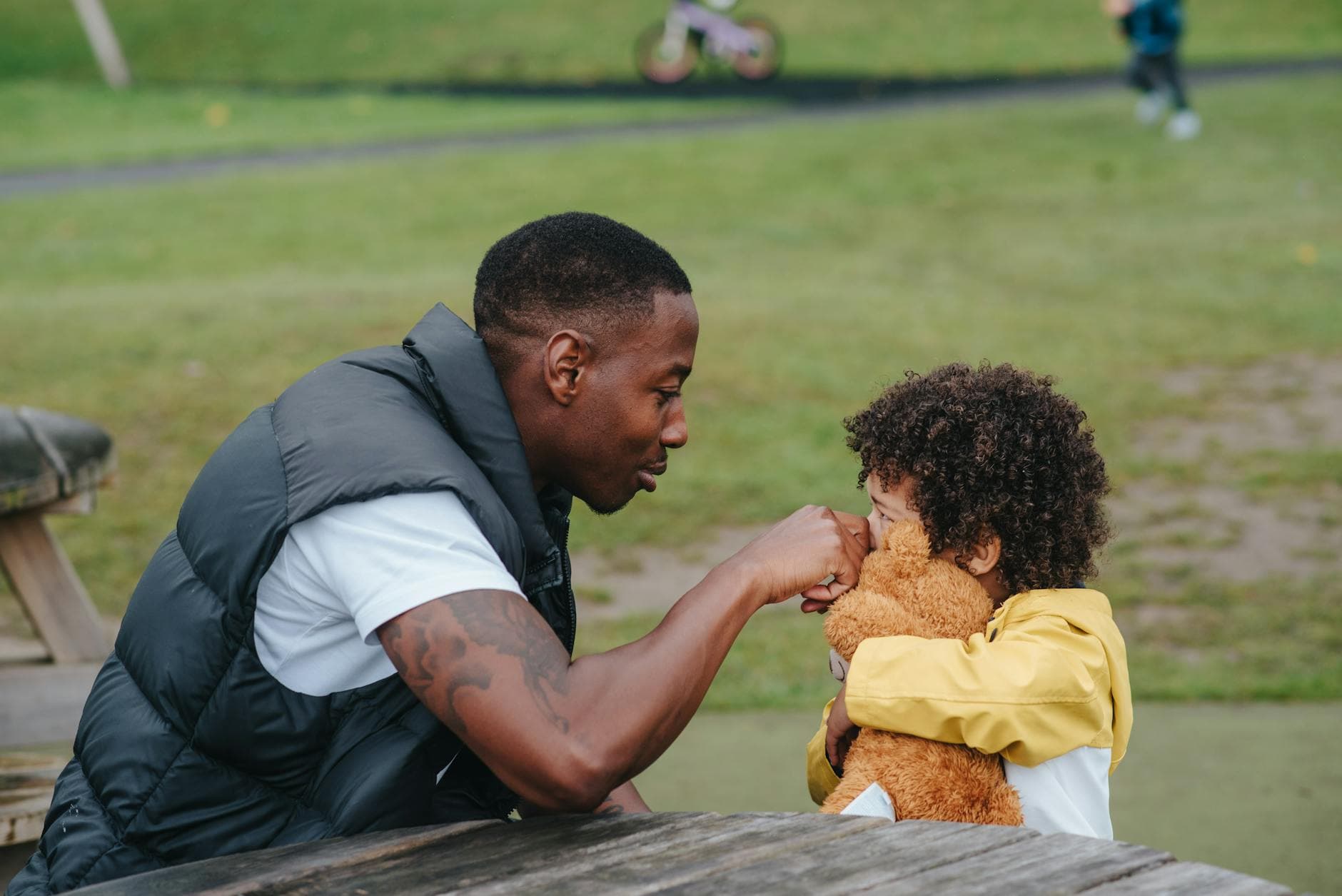
Have you ever watched a little one navigate a playground squabble, or witnessed their sheer delight at a tiny ladybug, and thought, "Wow, they're really figuring things out"? That's the magic of early emotional development at play, and understanding **preschool emotional intelligence** is key to nurturing these blossoming humans. It's not just about being "nice" or "polite"; it's about building a foundational skill set that will serve them their entire lives. Honestly, it's one of the most important gifts we can give our kids.
Why Preschool Emotional Intelligence Matters So Much
Think about it. Before they can master reading or complex math, children are already learning how to understand themselves and the world around them, emotionally speaking. This early stage is crucial for developing core **kids emotional skills** that impact everything from friendships to learning.
The Building Blocks of Emotional Literacy
At its heart, **preschool emotional intelligence** is about a child's ability to recognize, understand, and manage their own emotions, and to understand and respond to the emotions of others. This isn't something that just happens; it's cultivated. We're talking about the seeds of empathy, self-control, and healthy social interaction.
Long-Term Impact on Well-being
Research consistently shows that children with stronger emotional intelligence tend to have better academic performance, healthier relationships, and are less prone to mental health challenges later in life. The National Alliance on Mental Illness research on preschool emotional intelligence highlights the protective factors these skills build. It's a powerful predictor of overall life satisfaction.
Beyond the ABCs: Essential Life Skills
While we focus on letters and numbers, we can't forget the fundamental **children's emotional growth**. These skills are the bedrock upon which all other learning and social success are built. It’s like building a house – you need a solid foundation before you can add the walls and roof.
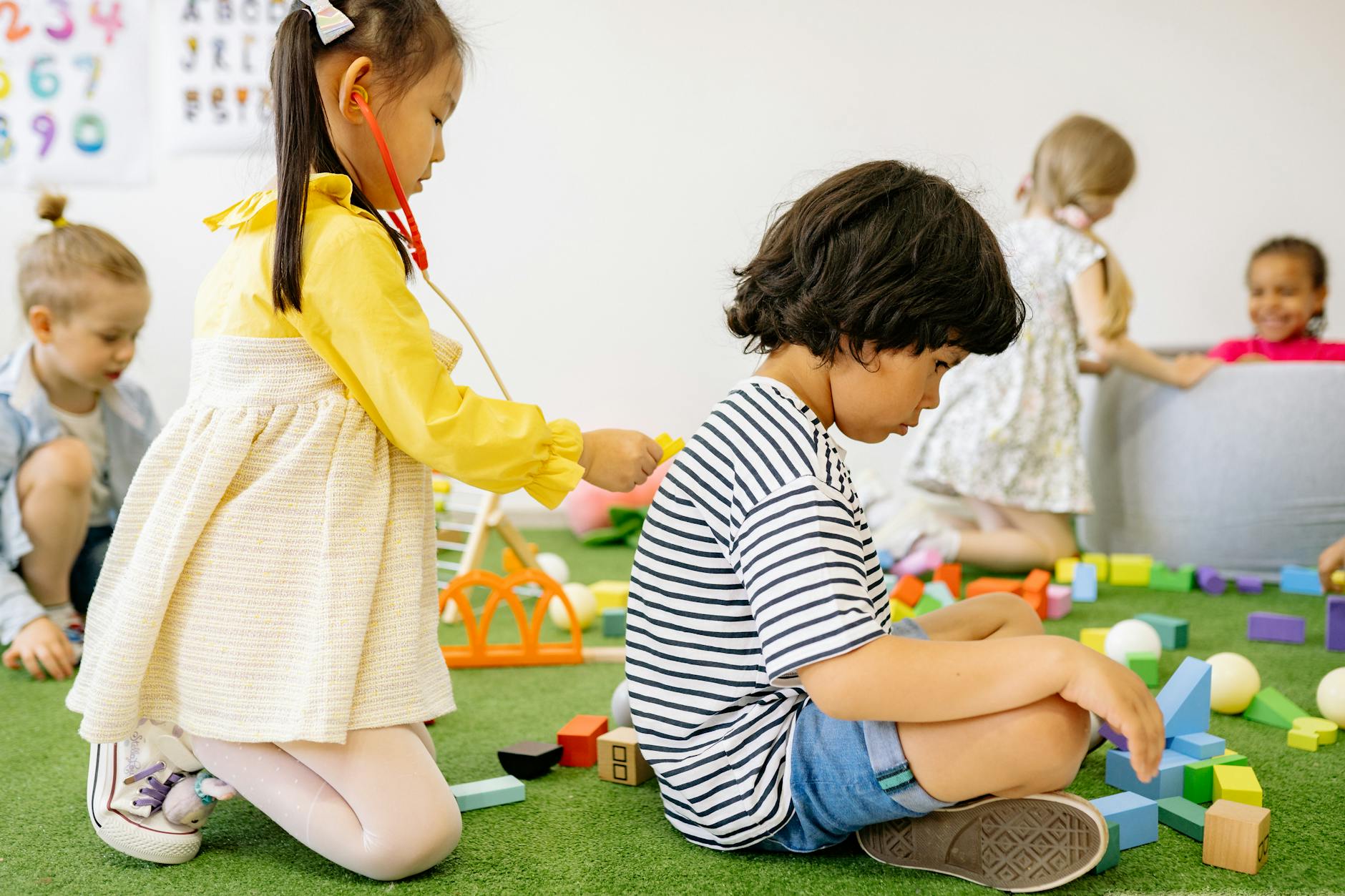
Understanding the Spectrum of Preschool Emotions
Preschoolers experience a full range of emotions, often with an intensity that can be overwhelming for them. They might go from ecstatic joy to deep frustration in a matter of minutes. Our role is to help them make sense of this internal landscape.
Navigating Big Feelings
Frustration, anger, sadness, fear, and even overwhelming happiness – these are all normal. The key is teaching them how to identify these feelings and express them in healthy ways. Instead of a full-blown tantrum, can they use words? Can they take a deep breath? This is where **self-regulation in children** starts to take root.
The Power of Observation and Empathy
When a friend is crying because their toy broke, can your child offer a comforting word or a hug? That's empathy in action. It's a crucial part of **preschool social emotional learning**, fostering connection and understanding. You might be surprised how quickly they can pick up on cues if we guide them.
Recognizing Their Own Cues
Does your child often get overwhelmed when they're tired or hungry? Helping them recognize these physical signals can be the first step in managing their emotional state before it escalates. This is a subtle but incredibly important aspect of **children's emotional growth**.
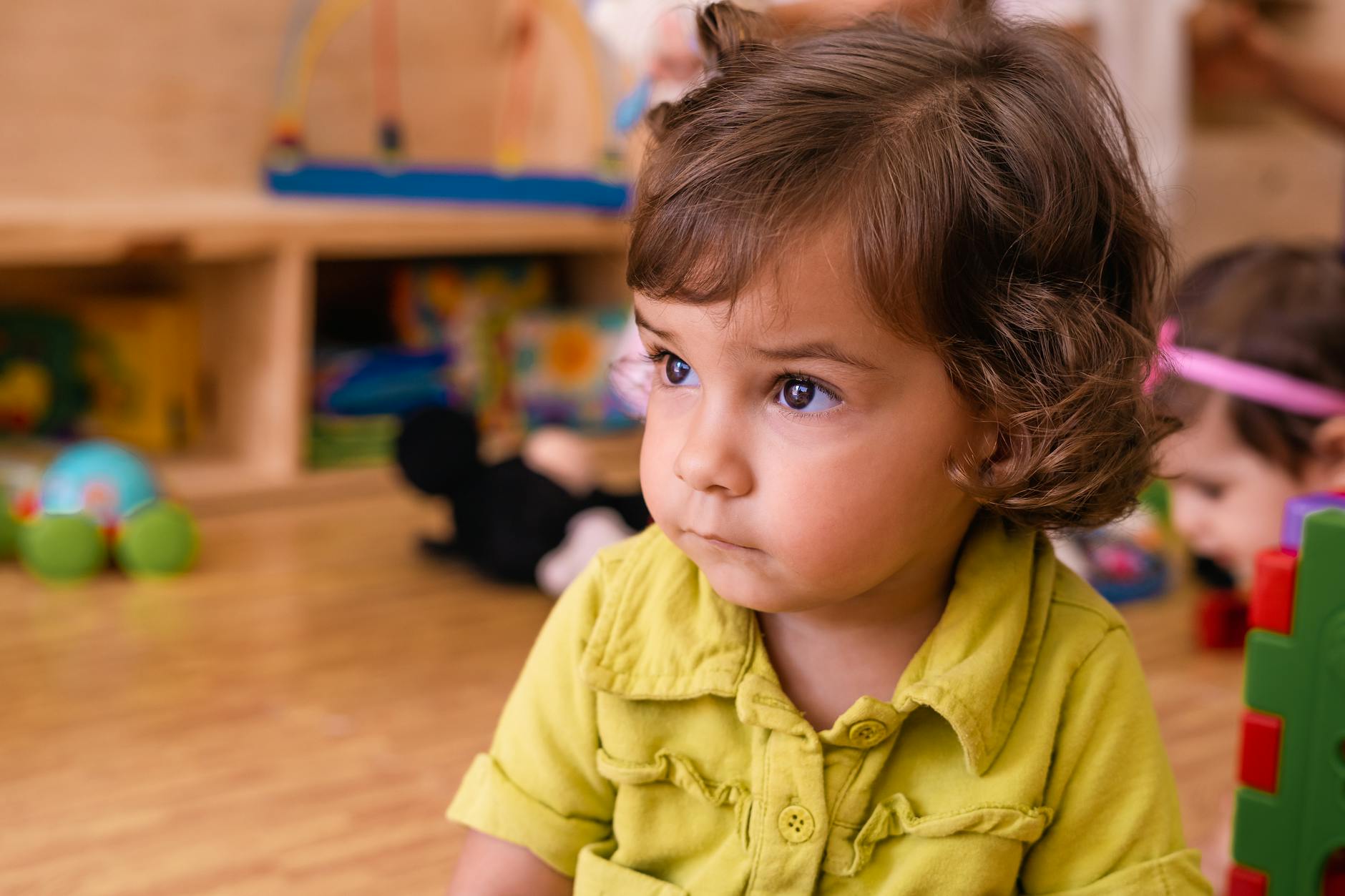
Strategies for Fostering Emotional Intelligence at Home and School
This isn't rocket science, but it does require intention and consistent effort. Here are some practical ways to boost **preschool emotional intelligence**.
Creating a Safe Space for Feelings
Talk About Emotions Openly
Make it a habit to name emotions. "You seem really frustrated right now because the blocks fell down." "I can see you're feeling sad that playtime is over." This normalizes feelings and gives children the vocabulary to express them.
Model Emotional Regulation
Children learn by watching us. When you're feeling stressed, take a moment to breathe and say, "Mommy is feeling a little overwhelmed right now, so I'm going to take a few deep breaths." This demonstrates healthy coping mechanisms.
Encouraging Social Skills Through Play
Structured Playtime
Games that involve turn-taking, sharing, and problem-solving are fantastic for **preschool social emotional learning**. Think simple board games or cooperative building activities.
Role-Playing Scenarios
Use dolls or stuffed animals to act out different emotional situations. This allows children to explore feelings and practice responses in a low-stakes environment. "Oh no, Teddy is sad because he misses his mommy. What can we do to make him feel better?"
Leveraging Everyday Moments
Outdoor Play Benefits
Don't underestimate the power of fresh air and movement. Running, climbing, and exploring outdoors can be incredibly cathartic for kids, helping them release pent-up energy and emotions. This is especially true with the shift to Boost Spring Child Energy: Play & Develop This Season, where outdoor activities can truly shine.
Storytelling and Books
Many children's books are designed to explore emotions and social situations. Reading these together and discussing the characters' feelings can be a powerful tool for **teaching empathy preschoolers**.
The Role of Self-Regulation in Preschool Emotional Intelligence
Self-regulation is the ability to manage one's emotions, behaviors, and impulses. It's a cornerstone of **preschool emotional intelligence** and is vital for a child's success in school and life.
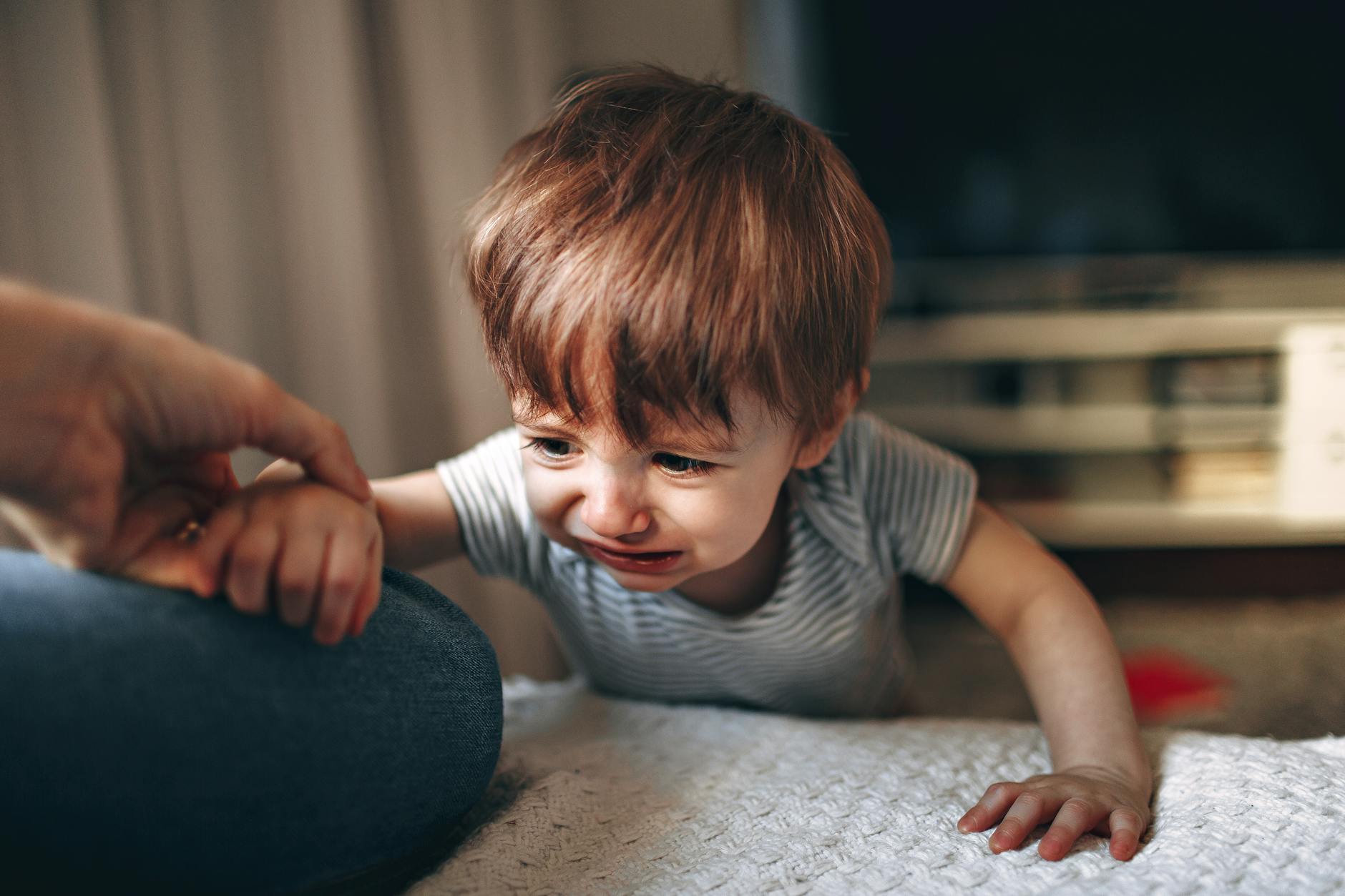
Understanding the "Why" Behind Meltdowns
When a child has a meltdown, it’s often a sign that their emotional regulation skills haven't caught up to the situation. This is particularly relevant as seasons change; you've probably noticed how Childhood Meltdowns: Spring Triggers & Expert Solutions can spike with new environmental factors. It's not defiance, but an overflow of big feelings they can't yet manage.
Strategies for Developing Self-Control
Mindfulness and Deep Breathing
Simple exercises like "smelling the flower and blowing out the candle" can teach children to calm their nervous systems. This is a practical skill for **self-regulation in children**.
Establishing Routines
Predictable routines provide a sense of security and help children anticipate what's coming next, reducing anxiety and the likelihood of emotional outbursts. This is a great way to foster independence, even during the winter with Toddler Independence Winter: Fun Indoor Activities.
Setting Clear Boundaries
Knowing what is expected of them helps children learn to manage their impulses. Consistent, calm boundaries are more effective than harsh punishments.
Building Resilience: A Key Component of Emotional Growth
Resilience is the ability to bounce back from challenges. It’s intrinsically linked to **preschool emotional intelligence** and is a skill we can actively cultivate.
Learning from Setbacks
When a child experiences disappointment, like not winning a game or a friend not wanting to play, it's an opportunity to teach them that it's okay to feel sad, but also that they can try again or find another solution. This is about **building resilience in young children**.
The Importance of a Growth Mindset
Encouraging effort over innate ability helps children see challenges as opportunities for learning, not as failures. "You worked really hard on that puzzle, even though it was tricky!" fosters this mindset.
Positive Coping Mechanisms
Helping children develop a toolbox of healthy ways to deal with stress – whether it's drawing, listening to music, or talking to a trusted adult – is crucial for their long-term well-being. This is a key aspect of **parenting emotional intelligence**.
Nurturing Preschool Emotional Intelligence Through Play and Connection
Ultimately, fostering **preschool emotional intelligence** is about creating a nurturing environment where children feel safe to explore their feelings and learn to navigate the social world. It's about connection, understanding, and consistent guidance.
The Role of Play in Social-Emotional Learning
Play is a child's work. Through play, they experiment with social roles, practice negotiation, and develop empathy. Think about the imaginative scenarios they create; these are rich grounds for **preschool social emotional learning**.
The Impact of Spring on Moods and Behavior
As the seasons change, so can children's moods and energy levels. The increased outdoor activity and new sensory experiences of spring can sometimes lead to more intense emotions, making skills like **self-regulation in children** even more critical. It's also a time when parents might need to consider factors like Spring Allergy Parenting: Guide for Kids' Moods & Health, which can indirectly affect emotional states.
Your Role as a Guide
You are their primary teacher in this domain. Your patience, your empathy, and your willingness to talk through feelings are paramount. This is where genuine **parenting emotional intelligence** shines.
It’s a journey, not a destination. There will be days filled with tears and frustration, but there will also be moments of incredible insight and connection. By focusing on **preschool emotional intelligence**, we're equipping our children with the tools they need to thrive, not just in preschool, but for their entire lives. And honestly, isn't that what we all want for them?