Fostering Child Independence: More Than Just Letting Go
There's a pervasive myth that fostering child independence simply means stepping back and letting kids do whatever they want. Honestly, that’s a recipe for chaos, not competence. True fostering child independence is a delicate dance of guidance, encouragement, and thoughtful scaffolding. It’s about equipping our children with the skills and confidence to navigate the world, not just abandon them to it. My years working with families have shown me time and again that this approach, while seemingly more work upfront, pays immense dividends in building resilient, capable individuals. It's a journey, and one that starts with understanding what true independence looks like at different stages.
The Foundation of Self-Reliance
Building self-reliance in children isn't about perfection; it's about progress. It starts with small, manageable steps that allow them to experience success and learn from their attempts. Think about it: a toddler learning to put on their own shoes isn't going to do it perfectly the first time, or even the tenth. But each attempt, with a little patient guidance, builds their confidence and motor skills. This is the bedrock of independent child development.
Age-Appropriate Expectations
One of the biggest pitfalls I see is parents expecting too much, too soon, or too little, too late. Understanding what’s developmentally appropriate for each age group is crucial. A preschooler can learn to dress themselves, help with simple chores, and make basic choices about their play. A teenager, on the other hand, should be capable of managing their homework, budgeting an allowance, and making more complex decisions about their social life.
Cultivating Autonomy in Early Years
Encouraging autonomy in toddlers might seem like a minor detail in the grand scheme of things, but I can’t stress enough how important these early experiences are. When a toddler is given a choice between two outfits or allowed to feed themselves (even if it's messy!), they’re learning that their preferences matter and that they have agency over their actions. This sense of control is fundamental.
The Power of Choice
Offering choices, even small ones, empowers children. For instance, instead of saying, "It's time to clean up," you could say, "Would you like to put away the blocks or the cars first?" This gives them a feeling of ownership over the task. These simple choices are the building blocks for bigger decisions later on.
Mastering Daily Routines
Allowing children to participate in daily routines fosters a sense of responsibility. Letting a preschooler help set the table, or a toddler attempt to put their toys in a bin, are valuable lessons. They learn that they can contribute and that their efforts are meaningful. This is a core part of teaching independence to kids.
Developing Essential Child Independence Skills
As children grow, the focus shifts to developing more complex child independence skills. This involves problem-solving, self-management, and taking initiative. It’s about teaching them *how* to do things, not just *what* to do.
Problem-Solving Prowess
When a child encounters a minor obstacle, resist the urge to solve it for them immediately. Instead, ask guiding questions: "What could you try next?" or "What happened when you tried that?" This encourages critical thinking and builds their capacity to overcome challenges independently.
Emotional Independence: A Crucial Component
I’ll be real with you, emotional independence is often overlooked, but it’s incredibly important. This doesn't mean children shouldn't experience or express emotions; it means they learn to manage those emotions without becoming overwhelmed or solely reliant on others for regulation. Teaching them to identify their feelings and find healthy coping mechanisms is a vital part of growing child independence.
Parental Support for Independence: The Balancing Act
Parenting for independence is a constant balancing act. It requires providing a safe environment where children can explore and take risks, while also offering consistent support and guidance. This is where the magic happens.
The Role of Scaffolding
Think of scaffolding like building blocks. You provide the initial support, but gradually remove pieces as the child becomes more proficient. For example, when teaching a child to tie their shoes, you might start by doing it for them, then do one knot while they do the other, and eventually let them try the whole thing with your verbal guidance. This gradual withdrawal of support is key to fostering child independence.
Creating Opportunities for Success
Look for everyday moments that offer a chance for your child to practice independence. This could be anything from letting them choose their own snack (within healthy options, of course) to allowing them to pack their own school bag. Every small success builds their confidence and reinforces their capability.
Fostering Independence in Children: Spring Growth Tips
The changing seasons offer fantastic opportunities for fostering child independence. Spring, with its warmer weather and longer days, is particularly ideal for outdoor exploration and skill-building. It’s a time of renewal, and that can extend to our children’s growing autonomy.
Outdoor Adventures as Learning Labs
The great outdoors is a natural classroom for developing child independence skills. Whether it’s a simple walk in the park or a more involved excursion, children can learn to navigate, make observations, and problem-solve in a less structured environment. For younger ones, Toddler Outdoor Independence: Fun Spring Play Ideas can be a great starting point, focusing on simple tasks like collecting leaves or choosing which path to take.
Spring Activities for Kids and Growing Independence
Spring activities for kids can be intentionally designed to promote independence. Think about setting up a small garden patch where they can decide what to plant and how to care for it. This teaches responsibility and allows for independent decision-making. For preschoolers, Preschooler Independence: Spring Outdoor Fun & Learning offers many avenues for them to explore and manage their own play.
Navigating Challenges in Fostering Child Independence
There will be stumbles. There will be messes. And yes, there will be moments when your instinct is to just do it yourself to save time or avoid frustration. This is where your resolve is tested.
Handling Mistakes and Setbacks
When a child makes a mistake, view it as a learning opportunity, not a failure. Instead of criticism, offer support. "That didn't quite work, did it? What do you think we can do differently next time?" This kind of gentle redirection is far more effective than punishment and helps build resilience. Research from the American Psychological Association research on fostering child independence consistently highlights the importance of a supportive, rather than punitive, approach to mistakes.
The Importance of Patience
This is perhaps the most challenging aspect for many parents, myself included at times. Growing child independence takes time. It requires us to slow down, resist the urge to rush, and allow our children the space to figure things out at their own pace. This one surprised me when I first started out; I thought more direct instruction was always better, but I learned that allowing for exploration and independent attempts, even if slower, leads to deeper learning.
Building Self-Reliance Through Everyday Tasks
Teaching independence to kids doesn't require grand gestures; it's woven into the fabric of daily life. These are the moments where true self-reliance is forged.
Chores as Skill-Building Opportunities
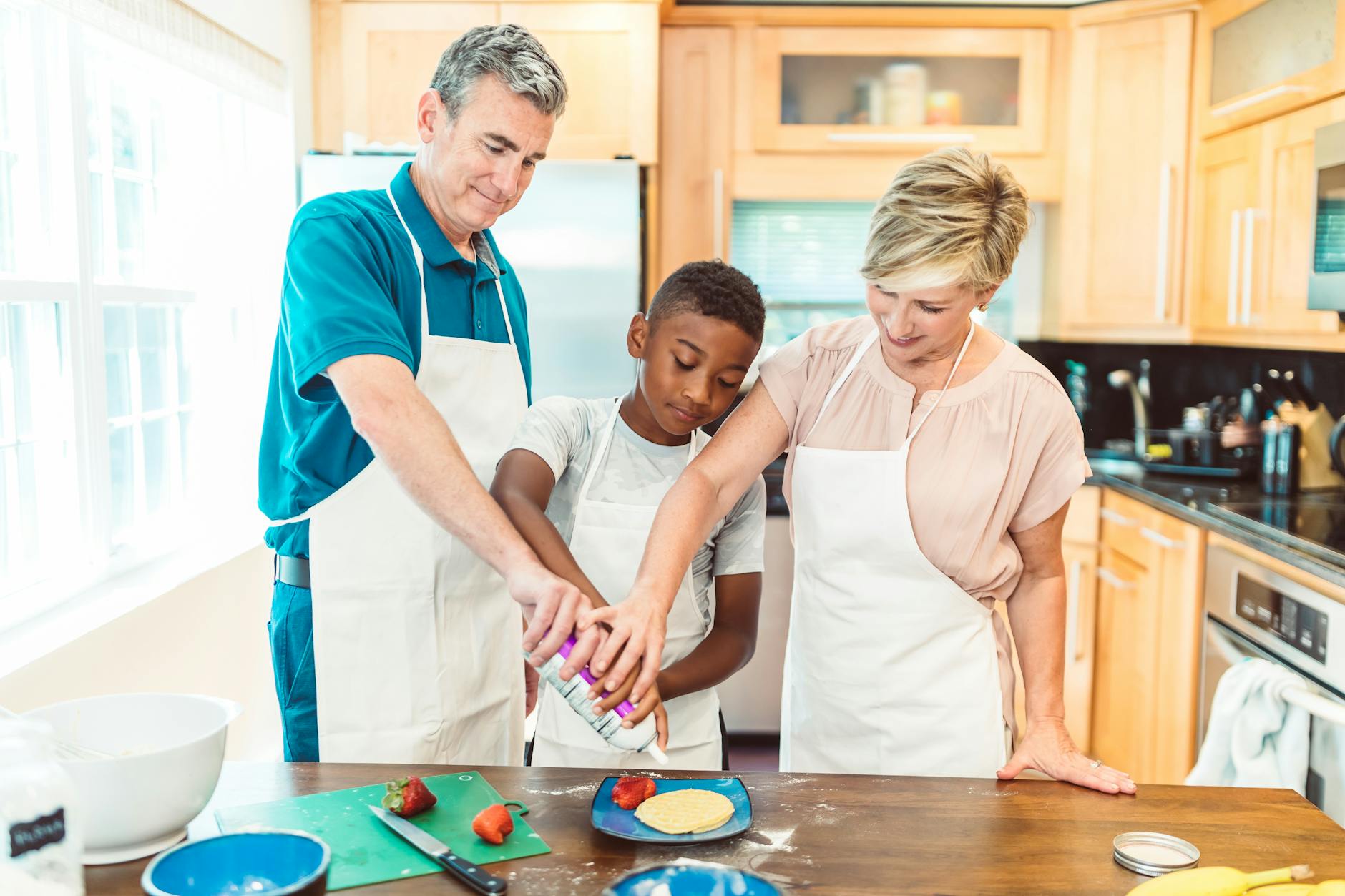
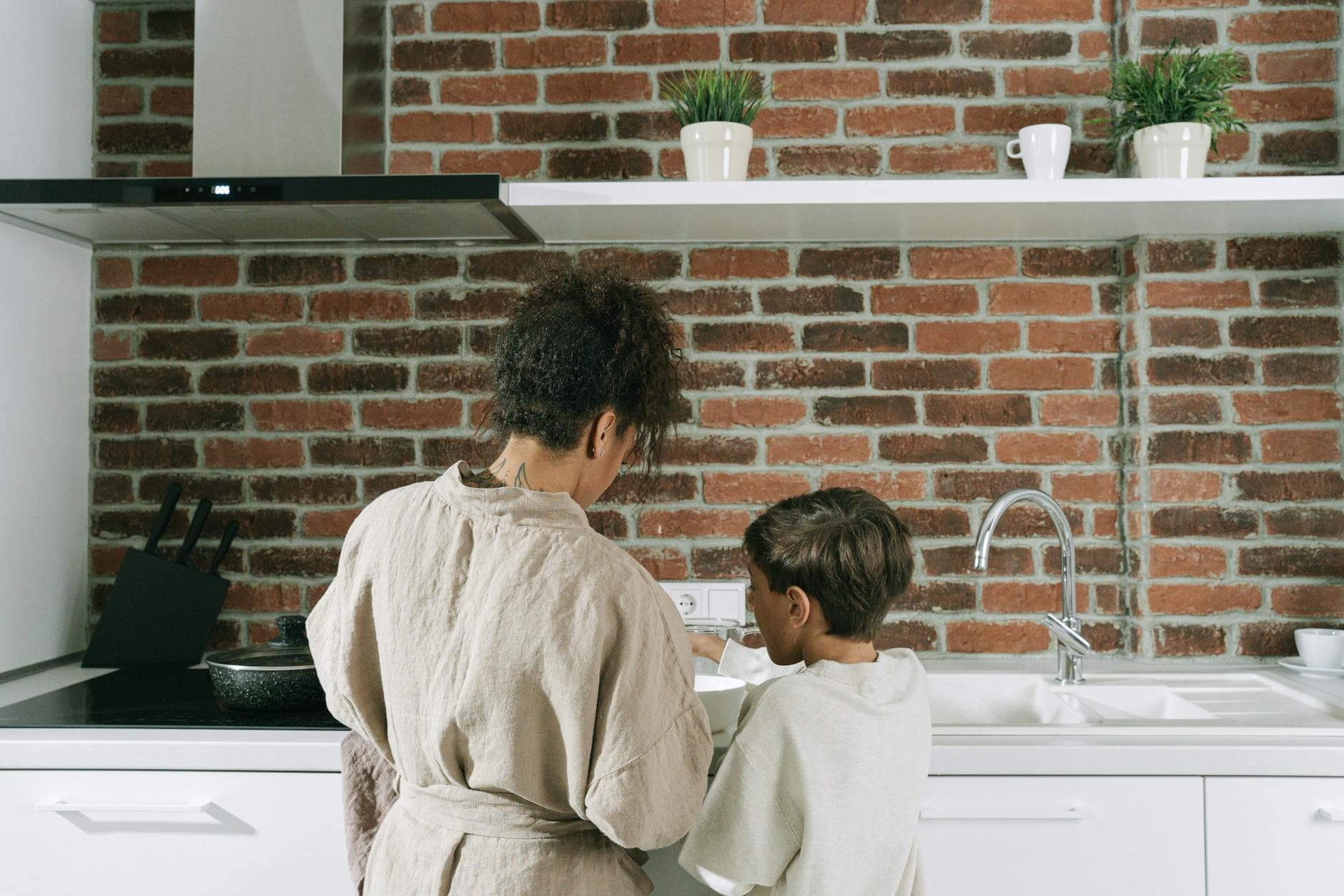
Assigning age-appropriate chores is a fantastic way to foster independence. A young child might be responsible for putting their toys away, while an older child could help with meal preparation or yard work. These tasks teach responsibility, competence, and a sense of contribution to the family unit. The principles outlined by The Gottman Institute research on fostering child independence often emphasize shared responsibilities and building a sense of partnership within the family.
Empowering Decision-Making
Beyond simple choices, gradually empower your child to make bigger decisions. This could involve planning their own birthday party activities, deciding on extracurriculars, or even managing a small portion of their allowance. This builds their capacity for responsible decision-making and a stronger sense of self.
The Long-Term Rewards of Fostering Child Independence
The effort you put into fostering child independence now will echo throughout your child's life. They will grow into adults who are more confident, capable, and resilient. They will be better equipped to handle the inevitable challenges life throws their way.
Confidence and Competence
When children are allowed to try, to succeed, and even to fail and try again, their belief in their own abilities grows exponentially. This self-efficacy is a powerful predictor of success in all areas of life. They learn that they are capable of tackling tasks and overcoming obstacles.
Resilience in the Face of Adversity
Children who have had ample opportunities to practice independence develop a stronger sense of resilience. They learn that setbacks are temporary and that they have the inner resources to bounce back. This is an invaluable life skill. As noted in Psychology Today research on fostering child independence, early experiences with autonomy strongly correlate with better coping mechanisms later in life.
Fostering child independence is one of the most profound gifts we can give our children. It's not about letting go entirely, but about guiding them to find their own wings. It’s about building a foundation of trust, competence, and self-belief that will serve them for a lifetime. So, embrace the small moments, be patient with the process, and watch your child blossom into the capable, independent individual they are meant to be.