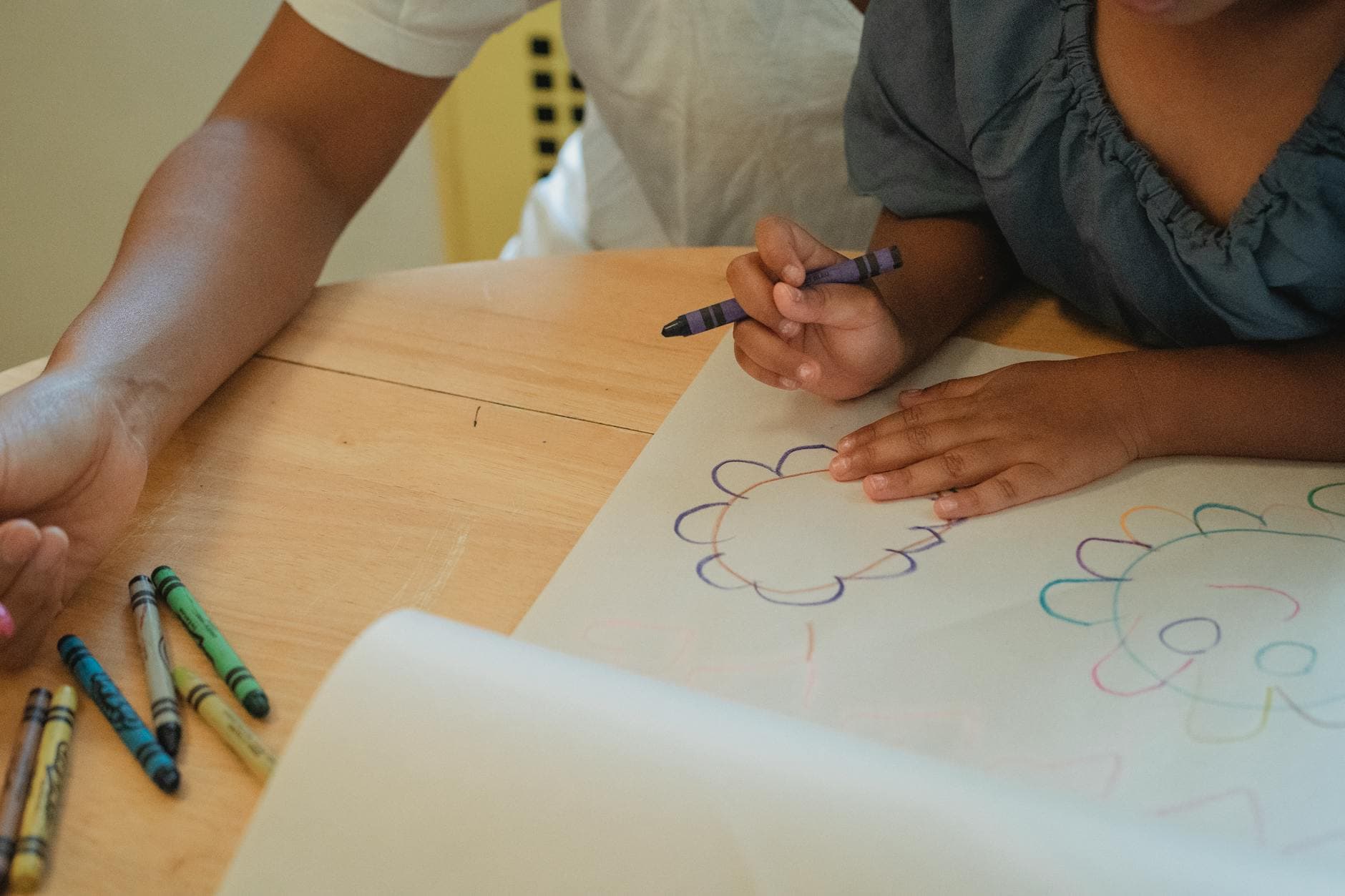
Most parents think of spring as just a time for lighter jackets and more playground visits. But honestly, it’s a missed opportunity if we don't leverage this season for deeper learning and connection with our preschoolers. The world outside literally bursts with life, offering a vibrant, ever-changing classroom for young minds. This is precisely why focusing on meaningful preschool spring activities is so crucial. It’s not just about fun; it’s about fostering observation, curiosity, and a genuine appreciation for the natural world.
Unlocking the Magic of Spring for Preschoolers
Spring is a season of awakening, and for preschoolers, this awakening can be profoundly educational. Think about the last time you saw a child’s eyes light up at the sight of a tiny sprout pushing through the soil or the first brave robin hopping across the lawn. These are moments of pure scientific discovery! My own children, when they were younger, would spend hours examining a ladybug they found on a leaf, their little faces full of wonder. It’s these organic moments that truly cement learning.
The Science of Spring Growth
This is where the magic truly happens. Observing spring growth preschool style isn't just about watching plants get bigger; it’s about understanding the fundamental processes of life. It’s about teaching them that with a little care and the right conditions, something small can become something magnificent. This hands-on experience translates into a deeper understanding of cause and effect, a critical cognitive skill.
From Seed to Sprout
Planting seeds is, without a doubt, one of the most impactful preschool spring activities. It’s a tangible representation of patience and the reward of nurturing. When children plant a seed, they are actively participating in a life cycle. They learn to water, to provide sunlight, and to wait. This simple act teaches them about the needs of living things and the concept of delayed gratification.
Buds, Blooms, and Beyond
Watching buds unfurl into flowers or seeing trees sprout new leaves offers a visual lesson in change. We can talk about how the sun feels warmer, how the days get longer, and how different animals come out after the winter. This is a natural way to introduce the idea of seasonal changes preschool.
Teaching Spring Changes Through Play
The shift from winter to spring provides a natural curriculum for teaching spring changes. The weather itself becomes a subject of study. We can move beyond simply saying "it's raining" to exploring *why* it rains, what clouds are, and how the temperature affects what we wear and do. This encourages critical thinking and observation skills.
Weather Wonders
Investigating weather changes for kids can be incredibly engaging. Think about setting up a simple rain gauge to measure rainfall, or observing cloud formations and discussing what they might mean. We can also talk about the difference between a chilly spring morning and a warm afternoon, linking it to the sun's position and strength. This is foundational spring science for preschoolers.
Animal Encounters
Spring is also a time when many animals become more active. Observing birds building nests, insects emerging from hibernation, or even watching tadpoles develop in a pond offers incredible learning opportunities. These encounters are perfect for preschool nature lessons.
Embracing Nature with Preschool Spring Activities
I’ll be real with you, sometimes the most profound learning happens when we simply get out of the four walls of the classroom or home and immerse ourselves in the natural world. Preschool spring activities that focus on nature tap into a child’s innate sense of wonder and discovery.
Nature Walks and Scavenger Hunts
Organizing nature walks is a fantastic way to encourage observing nature preschool children. Equip them with magnifying glasses and simple checklists of things to find: a smooth stone, a fuzzy leaf, a feather, a worm. This turns a simple walk into an exciting adventure and builds vocabulary. It’s also a wonderful way to foster toddler outdoor exploration.
Building Mini Habitats
Creating small habitats, like a worm farm or a terrarium, allows children to observe ecosystems up close. This is a more involved approach to spring nature lessons but yields incredible results in understanding interdependence and life cycles for kids.
Creative Expression: Spring Crafts for Preschoolers
Beyond the scientific and observational, spring is a time for vibrant colors and new beginnings, making it perfect for spring crafts for preschoolers. These activities allow children to express what they're seeing and feeling about the season.
Art from Nature
Collecting fallen leaves, twigs, and petals can be a precursor to creating nature collages. Children can glue these natural items onto paper to create pictures of flowers, animals, or anything their imagination conjures. This connects their outdoor exploration directly to their artistic expression.
Seasonal Art Projects
Think about painting with nature-inspired colors – bright greens, sunny yellows, sky blues. You can also make crafts that represent spring themes, like butterfly or bee puppets, or flower prints using painted vegetables like broccoli florets or cauliflower.
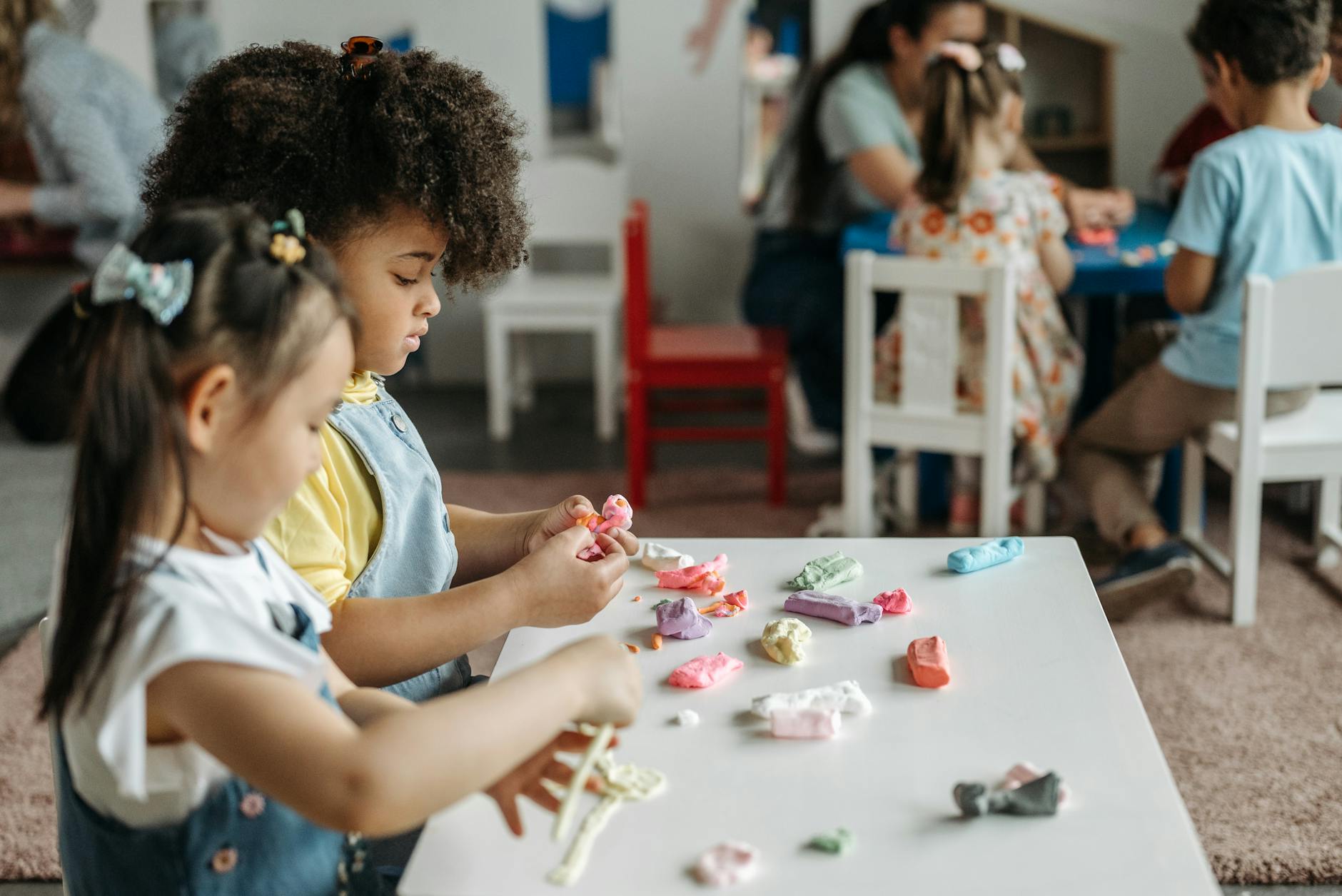
Preschool Spring Activities: A Deeper Dive
When we talk about preschool spring activities, it’s easy to get caught up in the immediate fun. But here's the thing: these activities, when approached with intention, can significantly impact a child's development. They build fine and gross motor skills, encourage problem-solving, and lay the groundwork for a lifelong love of learning. This is especially true when we integrate them with other developmental goals, like building child social skills.
Gardening Adventures for Little Hands
Preschool garden activities are more than just planting flowers. They are about responsibility, patience, and understanding the interconnectedness of nature. My own experience with a small preschool garden plot showed me how much pride children took in tending to their plants, and how they learned to share watering cans and discuss their progress. This is a concrete example of how fostering independence children can be achieved through simple, engaging tasks.
Planting the Seeds of Knowledge
Choosing easy-to-grow plants like sunflowers, marigolds, or radishes is key. Children can help dig, fill pots with soil, and gently place the seeds. The act of watering becomes a daily ritual, teaching consistency. This is a fantastic way to explore spring growth preschool concepts hands-on.
Harvesting and Tasting
If you're growing edible plants like lettuce or peas, the harvest becomes a celebratory event. Children get to taste the fruits (or vegetables!) of their labor, which is a powerful motivator and a great way to encourage healthy eating. This is a direct link to understanding the toddler outdoor activities that yield tangible rewards.
Exploring Life Cycles: A Spring Staple
Spring is the natural time to explore life cycles for kids. The emergence of butterflies, the hatching of chicks (if you have access to a farm or incubator), or the transformation of tadpoles into frogs are all incredible educational opportunities that fascinate young children.
From Caterpillar to Butterfly
Observing the metamorphosis of a caterpillar into a butterfly is a classic, and for good reason. It’s a clear, visual representation of change and transformation. Watching them eat, spin cocoons, and emerge as beautiful winged creatures captivates young minds and offers profound lessons. This is a core component of spring science for preschoolers.
The Pond’s Secrets
If you have access to a safe pond or can create a small habitat, observing tadpoles is another amazing way to explore life cycles. Watching them grow legs and lose their tails provides a dynamic, ever-changing science lesson. This ties directly into toddler outdoor exploration and the wonders it can reveal.
Understanding Weather and Seasons
The transition from winter to spring is a perfect time for seasonal changes preschool discussions. It’s a tangible way to teach children about the cyclical nature of the world around them. This can also lead to discussions about how weather changes for kids impacts their daily lives and the lives of plants and animals.
Seasonal Sorts
Activities like sorting pictures of things associated with each season (e.g., snowmen for winter, flowers for spring) can help children grasp the concept of distinct seasonal characteristics. This is a simple yet effective method for teaching spring changes.
Weather Journals
Encouraging children to draw or dictate what the weather is like each day can create a simple weather journal. This visual record helps them notice patterns and changes over time, reinforcing their understanding of seasonal changes preschool.
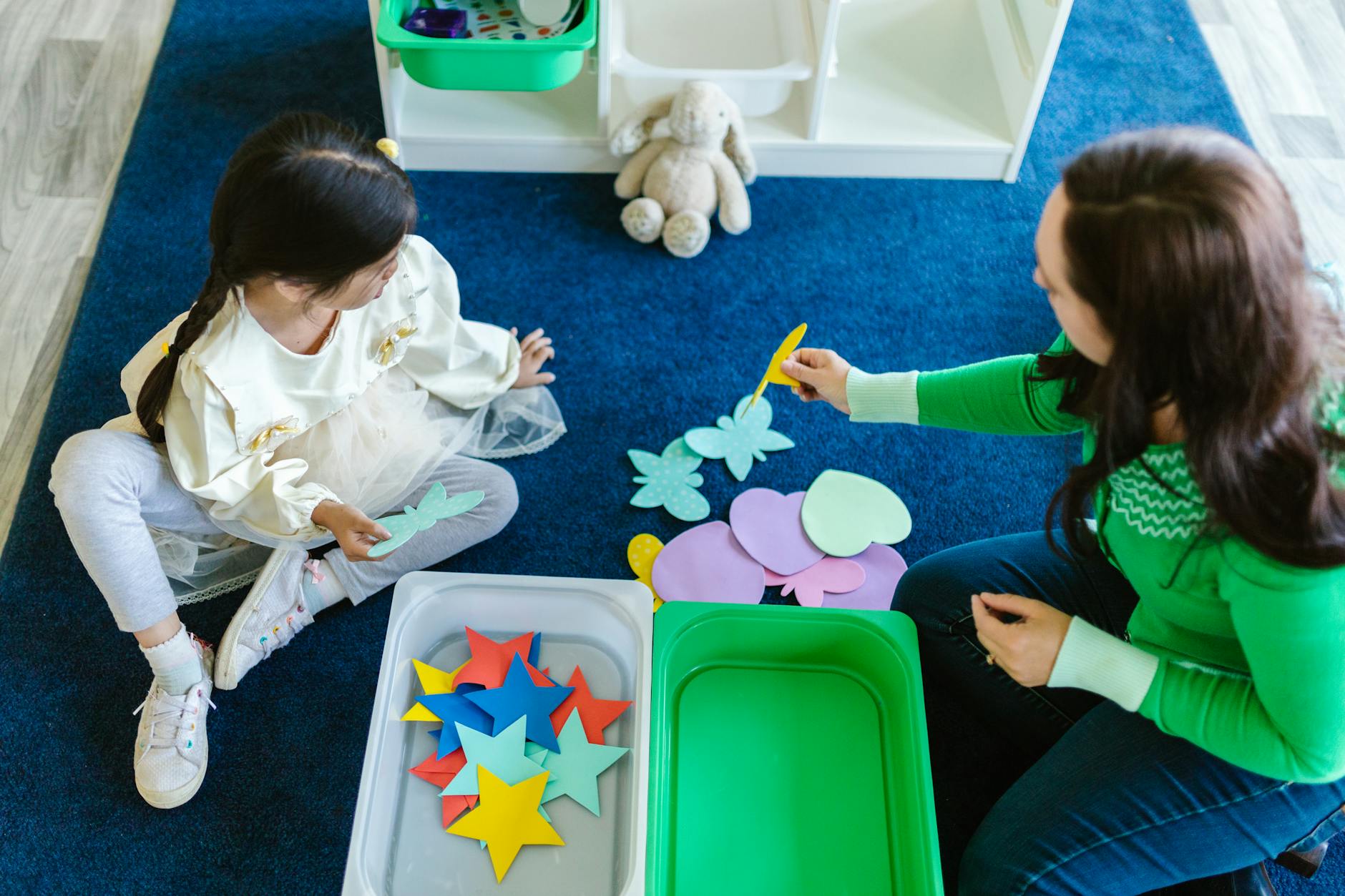
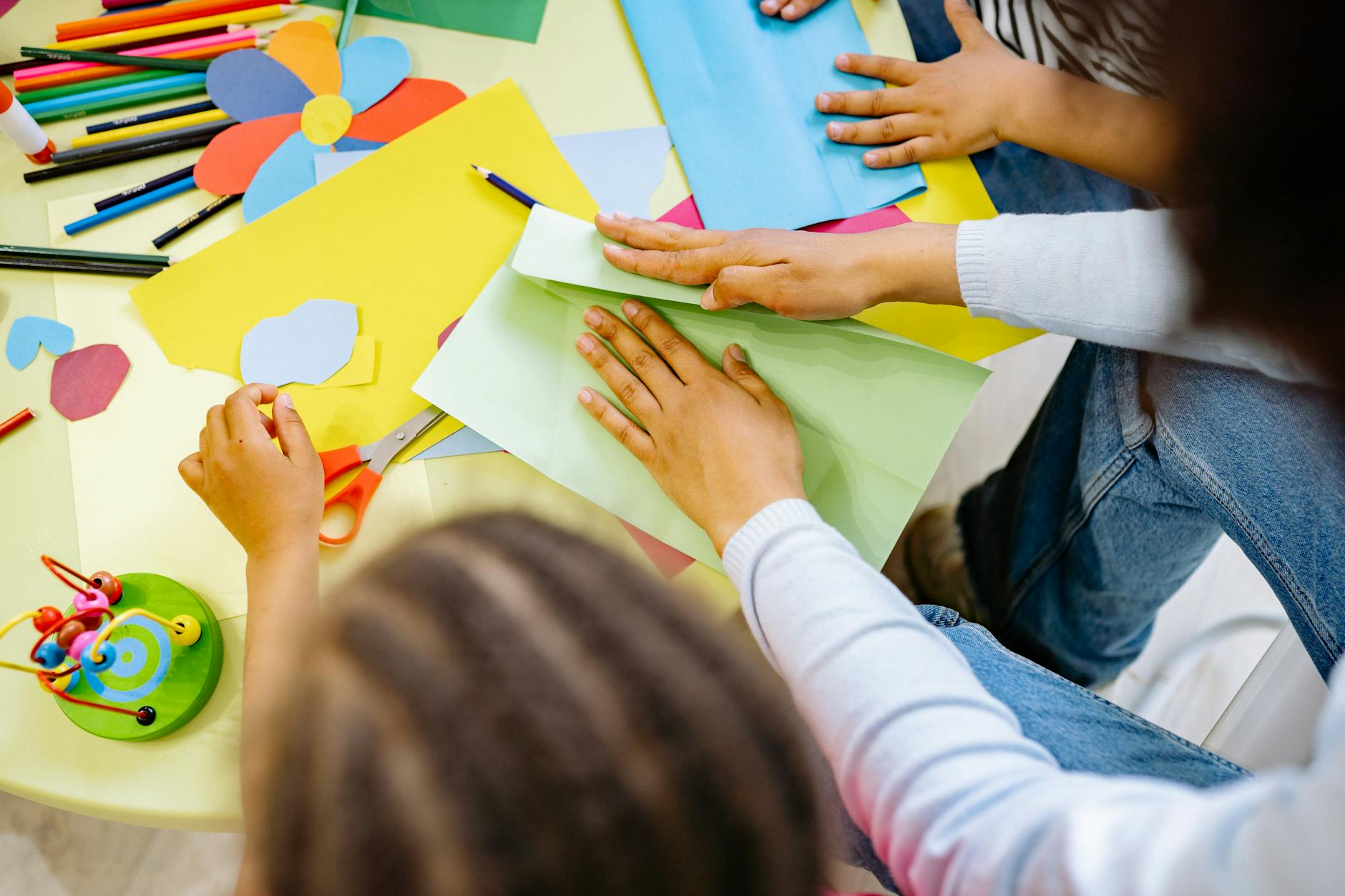
Making the Most of Springtime Learning
Ultimately, the goal of engaging preschoolers with preschool spring activities is to foster a sense of wonder and a love for learning that extends far beyond the spring season. It’s about creating experiences that are not only fun but also deeply enriching. Research from institutions like Psychology Today research on preschool spring activities consistently highlights the benefits of nature-based learning for cognitive and emotional development.
Connecting with Nature’s Rhythms
By immersing children in preschool nature lessons, we are helping them connect with the natural rhythms of the Earth. This connection can lead to a greater sense of peace, mindfulness, and environmental stewardship later in life. It’s about nurturing a relationship with the planet, not just learning facts about it.
The Importance of Observation
Encouraging observing nature preschool children means giving them the time and space to truly look, listen, and feel. It’s about asking open-ended questions like "What do you notice?" or "What do you think is happening here?" rather than providing all the answers. This cultivates critical thinking and problem-solving skills, skills that are vital for their future, and are often discussed in relation to topics like sibling rivalry causes as understanding others' perspectives.
Creative Expression and Spring Themes
The vibrant energy of spring naturally lends itself to creative expression. Spring themes for kids can inspire a multitude of art projects, storytelling, and dramatic play. This allows children to process their experiences and understandings in unique ways.
Artistic Interpretations
When children engage in spring crafts for preschoolers, they are not just making pretty things; they are translating their observations and feelings into a tangible form. This creative outlet is crucial for emotional development and self-expression.
Imaginative Play Outdoors
Outdoor play during spring, especially with activities like those found in toddler outdoor activities, often sparks imaginative scenarios. Children might pretend to be gardeners, explorers, or even the animals they’ve observed, building their storytelling and social skills. This kind of play is fundamental for developing robust child social skills.
The Lasting Impact of Seasonal Learning
The lessons learned through preschool spring activities are not fleeting. They build a foundation of curiosity, a respect for living things, and an understanding of the world that will serve children throughout their lives. As experts at The Gottman Institute research on preschool spring activities have noted, early experiences with nature and exploration can have significant long-term benefits for emotional well-being and resilience.
A Foundation for Scientific Inquiry
By engaging children in spring science for preschoolers, we are planting the seeds for future scientific inquiry. They learn to ask questions, make predictions, and observe outcomes, all essential components of the scientific method.
Cultivating Environmental Stewardship
When children learn to appreciate the natural world through preschool nature lessons and preschool garden activities, they are more likely to grow into adults who care for and protect the environment. This early connection is invaluable. For more on fostering positive development, resources from Healthline research on preschool spring activities often touch upon the importance of outdoor engagement for mental health.