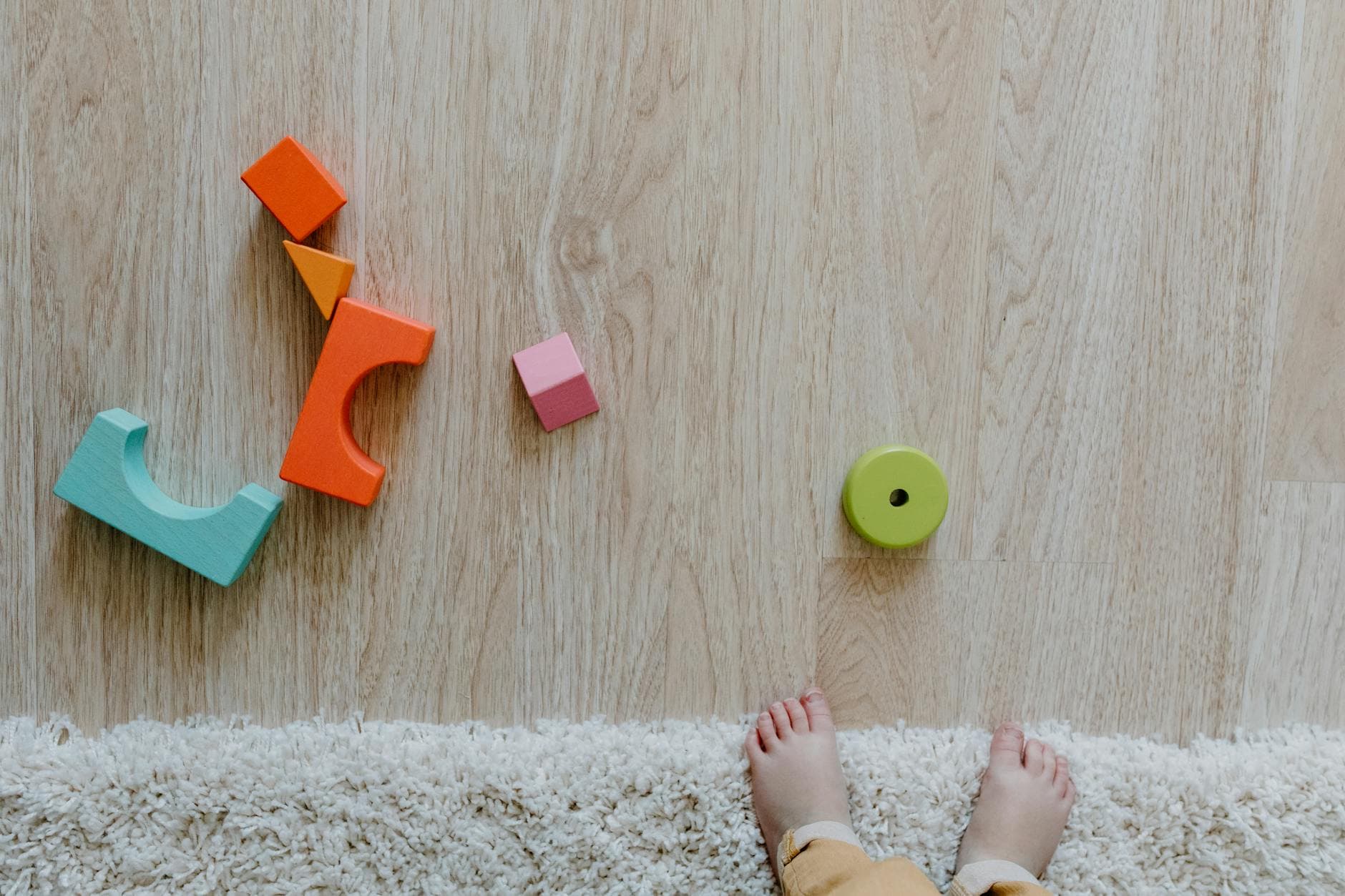
Have you ever watched a preschooler tackle a puzzle, their brow furrowed in concentration, only to beam with pride at their accomplishment? It's a tiny moment, but it’s HUGE. That spark, that burgeoning sense of "I can do it myself!" is the very essence of preschooler independence, and honestly, it’s one of the most thrilling aspects of early childhood development to witness and nurture.
The Magic of Doing It Themselves
Why Self-Reliance Matters So Much
This isn't just about a child learning to button their own coat (though that's a fantastic milestone!). Fostering independence in preschoolers is about building the foundational bricks of self-esteem, problem-solving skills, and a resilient spirit. When children are given opportunities to try, to fail a little, and to try again, they learn that their efforts have real outcomes. This is so much more than just task completion; it's about shaping a capable, confident human being. I’ve seen firsthand how a child who masters tying their shoelaces feels like they can conquer the world.
Beyond the Basics: What Independence Really Looks Like
Preschooler independence extends far beyond the physical. It's about making choices, expressing preferences, and navigating social interactions with a growing sense of agency. Think about the simple act of choosing which book to read at story time, or deciding which building block to add next to their magnificent tower. These small decisions, repeated daily, build a strong internal compass and a belief in their own judgment. It's a crucial part of early childhood development.
The Parent's Role: Guide, Not Dictator
Our role as parents and caregivers is to be the supportive scaffolding, not the rigid frame. We offer gentle guidance, provide safe environments for exploration, and celebrate effort as much as success. It’s about stepping back just enough to allow them the space to learn, while being present enough to catch them if they truly stumble. This delicate balance is key to fostering independence.
Cultivating Confidence Through Everyday Opportunities
The Power of Small Choices
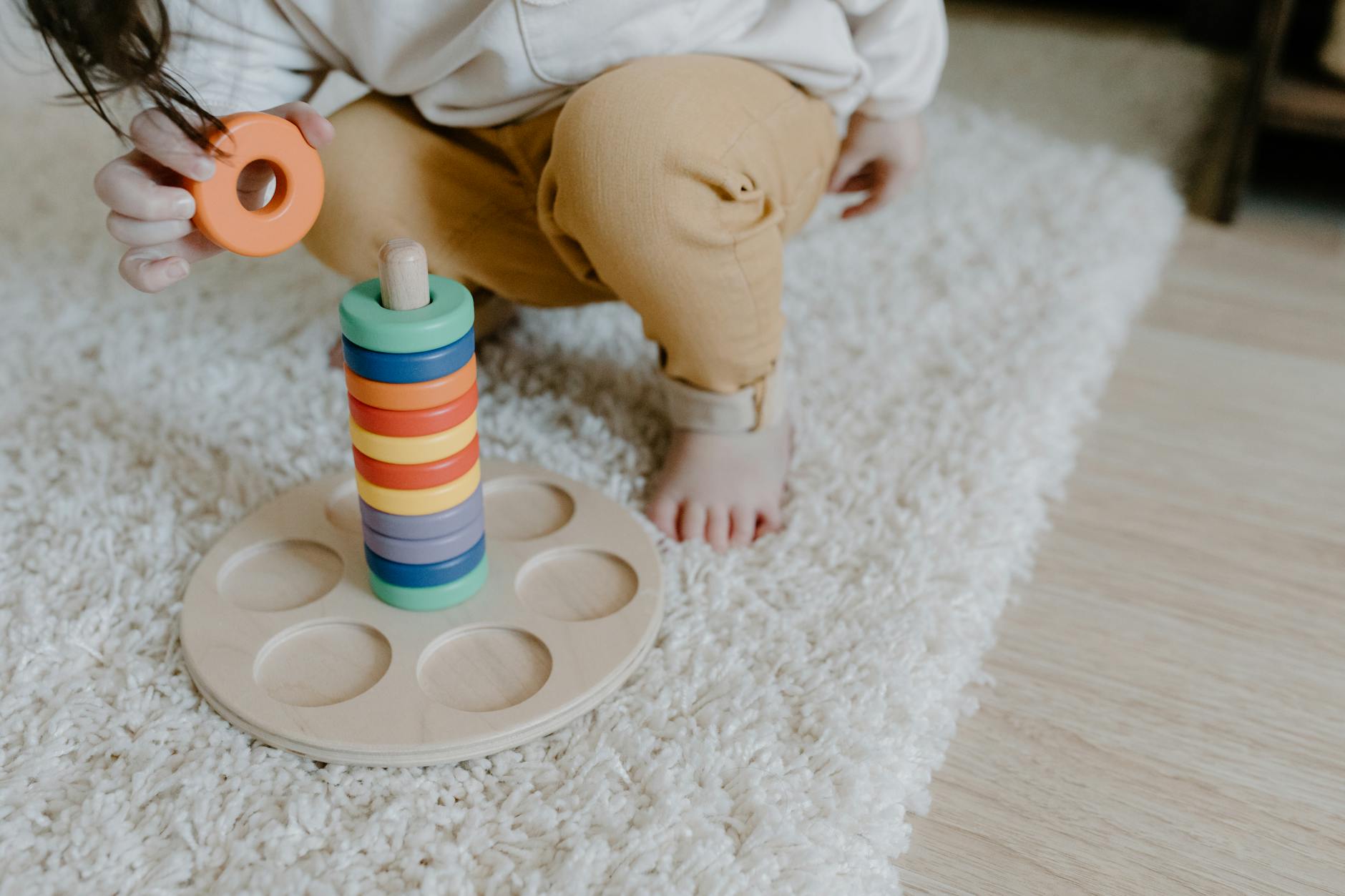
Giving preschoolers choices is a surprisingly effective way to build their confidence. It doesn't have to be monumental. Offering two healthy snack options, asking if they want to wear the blue shirt or the red one, or letting them choose the order of getting dressed can make a world of difference. These small acts of autonomy teach them that their preferences matter and that they have control over their immediate world. This is a cornerstone of encouraging autonomy.
Embracing the Mess: Learning Through Play
Here's the thing: independence often comes with a bit of mess. Whether it’s pouring their own drink (hello, spilled milk!) or attempting to spread peanut butter on toast (which might end up more on the table than the bread), these are learning opportunities. Resist the urge to jump in and fix everything immediately. Sometimes, letting them figure out how to wipe up a small spill themselves, or letting them try the spreading again, is far more valuable than a perfectly clean counter. It builds problem-solving skills and resilience.
Preschool Learning Activities That Foster Self-Reliance
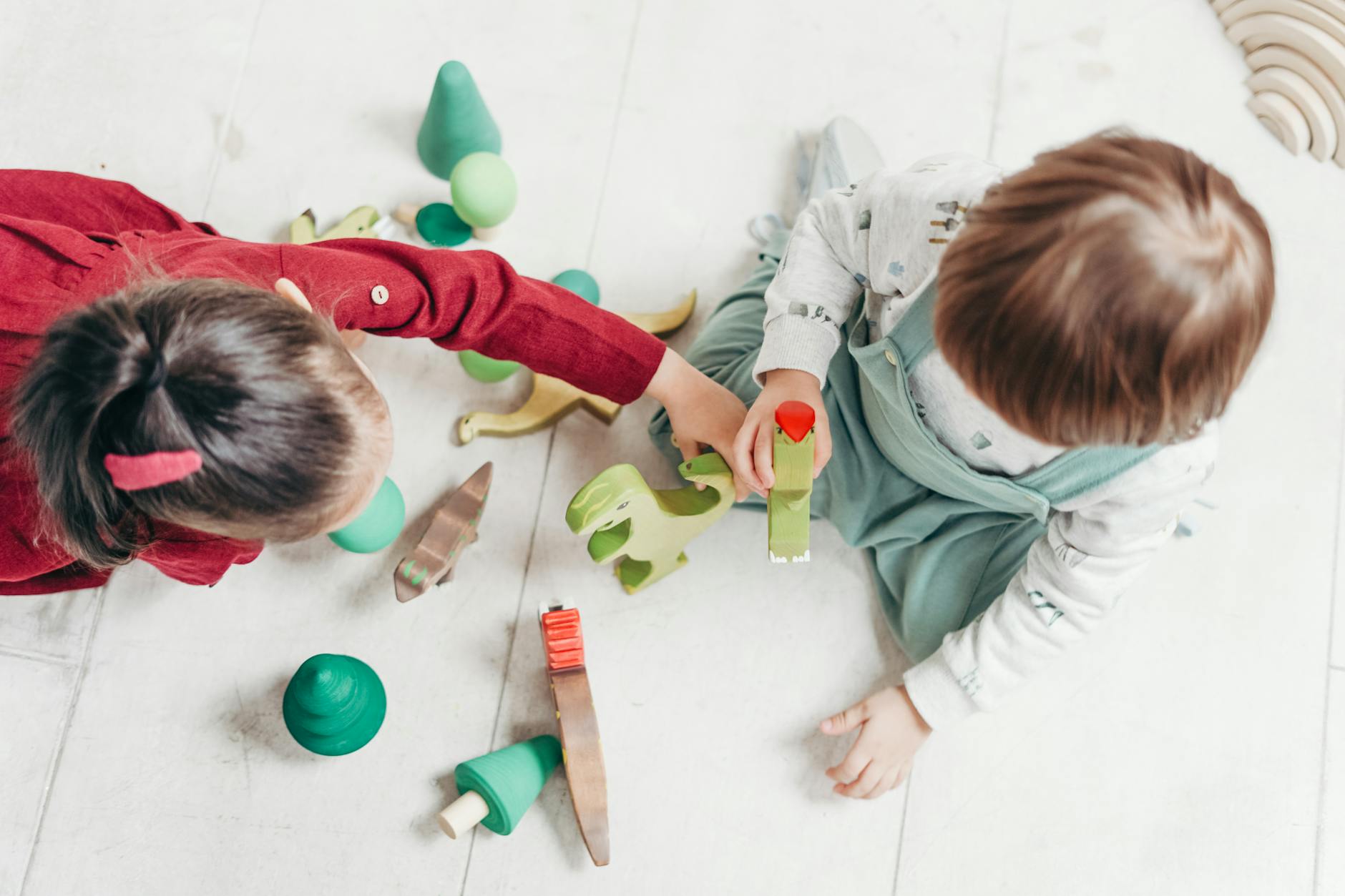
Think about everyday tasks you can adapt for little hands. Setting the table (plastic cutlery, of course!), helping to put away toys, or even simple food preparation like washing vegetables can be fantastic preschool learning activities that build independence. These aren't chores; they are opportunities to contribute and feel capable. The Montessori independence philosophy strongly advocates for this hands-on approach.
The Untamed Joy of Preschooler Outdoor Play
Nature as the Ultimate Classroom
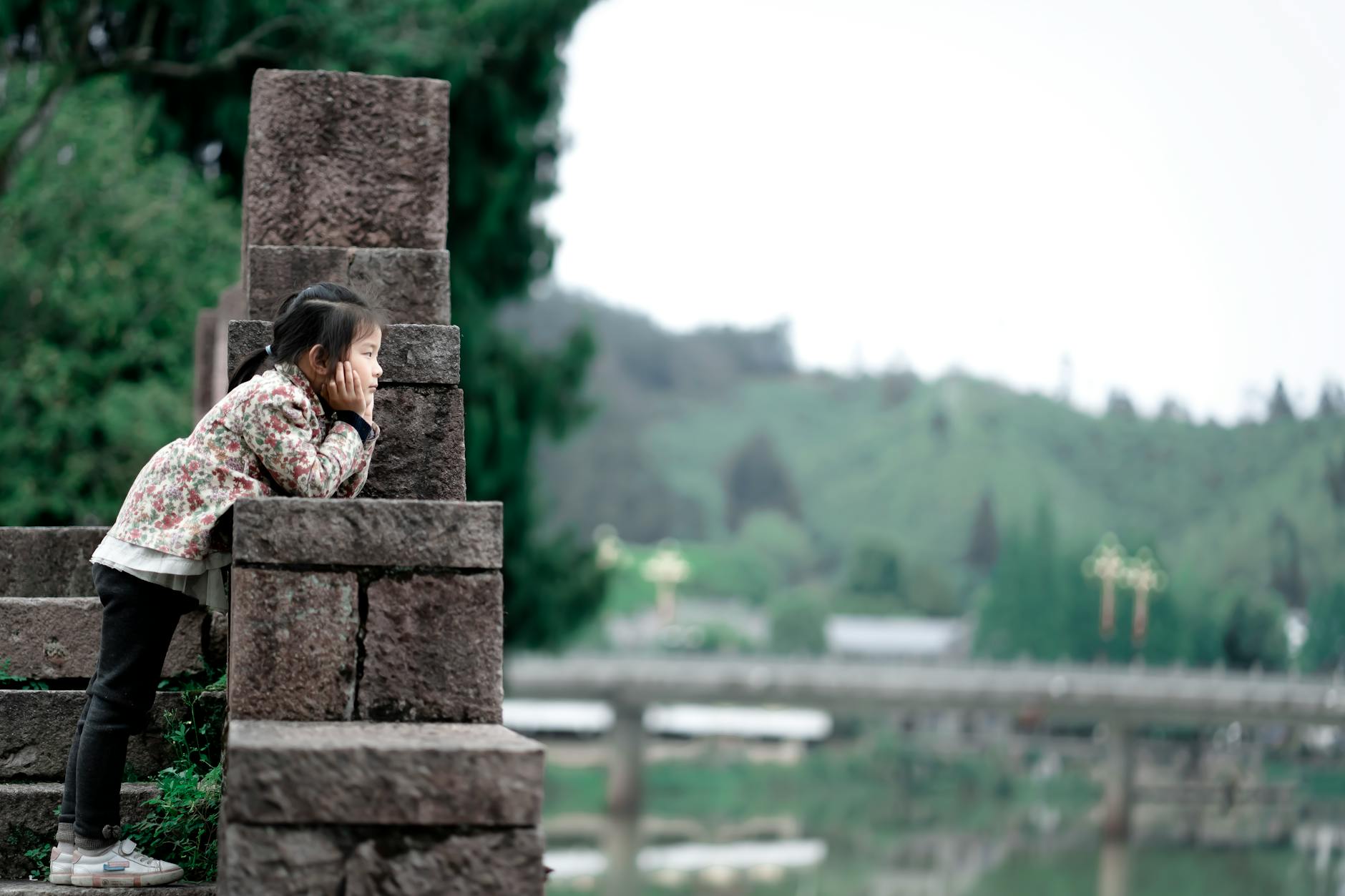
Oh, the outdoors! If you want to see preschooler independence blossom, take them outside. Nature is a magnificent, untamed space that naturally encourages exploration and self-discovery. Climbing a small hill, navigating uneven terrain, or deciding which interesting stick to collect – these are all acts of self-reliance. It’s a place where they can test their physical limits in a relatively safe environment, developing spatial awareness and problem-solving skills. This is where true nature exploration for kids shines.
Risk and Reward: Navigating the Wild
I’ll be real with you, allowing children some level of managed risk outdoors is vital for their development. It's not about letting them run into a busy street, of course. It's about letting them climb a little higher on the playground structure than they might have yesterday, or explore a patch of woods with you nearby. This teaches them to assess situations, understand their own capabilities, and build confidence in their physical abilities. The research from The Gottman Institute research on preschooler independence often highlights the importance of allowing children to experience a range of emotions and challenges, which outdoor play readily provides.
Toddler Outdoor Play and Beyond: Building Early Habits
The seeds of outdoor independence are often sown in toddlerhood. Continuing this with preschoolers means providing them with opportunities for free play, where they can direct their own adventures. Think about a simple backyard exploration or a visit to a local park. Allowing them to lead the way, to choose the game, or to decide how long they want to spend digging in the sandbox, nurtures that growing sense of self. You can find wonderful ideas in articles like "Toddler Outdoor Independence: Fun Spring Play Ideas" which can easily be adapted for preschoolers.
Navigating Challenges and Celebrating Successes
When "I Do It Myself!" Becomes a Battle Cry
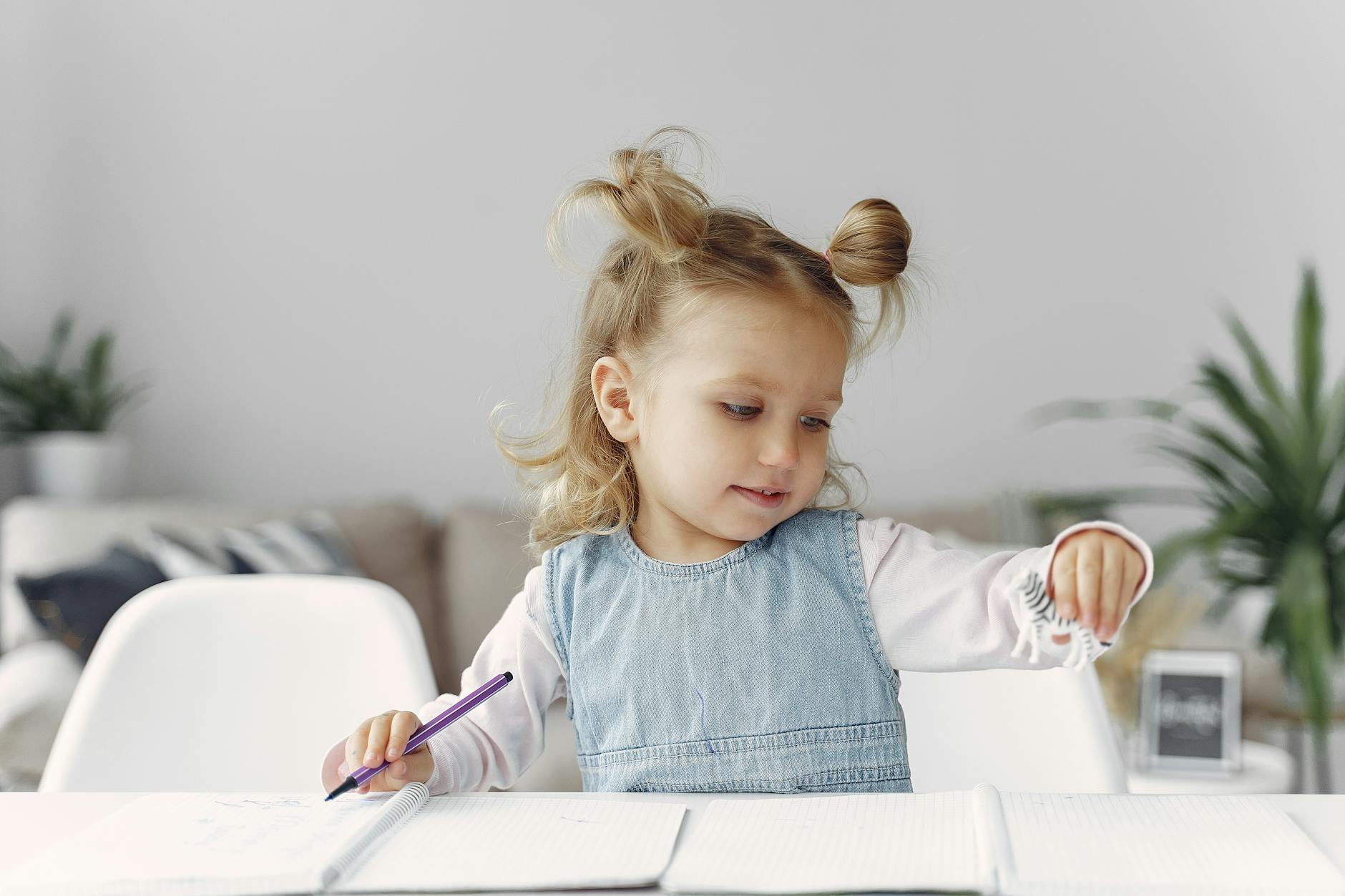
Sometimes, that desire for independence can manifest as a stubborn refusal to accept help. You might be trying to tie their shoes because you're running late, and they’re screaming, "No! I do it myself!" It’s frustrating, I know. The key here is often about timing and negotiation. Can they try for another minute? Can you help them with just one part? Recognizing these moments and finding a compromise that respects their growing autonomy while still moving forward is a skill in itself. This is a common hurdle when fostering independence.
The Importance of Patience and Positive Reinforcement
Building self-reliance in children is a marathon, not a sprint. It requires immense patience from us. Every attempt, every small victory, deserves acknowledgment. A simple "Wow, you put your cup on the table all by yourself!" can be incredibly powerful. Positive reinforcement, focusing on the effort and the achievement, reinforces their belief in their own capabilities and encourages them to keep trying. It’s about building confidence in preschoolers, one small step at a time.
Understanding Resistance: It's Often a Sign of Growth
When a preschooler pushes back against help, it’s often not defiance for defiance’s sake. It’s a signal that they are testing their boundaries and asserting their newfound abilities. They are saying, "Look at me! I can do this!" Understanding this developmental stage can help us respond with more empathy and less frustration. Research from Psychology Today research on preschooler independence often points to this push for autonomy as a healthy sign of cognitive and emotional growth.
The Long-Term Impact of Encouraging Autonomy
Preparing Them for the Big Wide World
The skills developed through fostering preschooler independence are not just for the playground. They are skills that will serve them throughout their lives. The ability to problem-solve, to persevere through challenges, to make informed decisions, and to have self-confidence are all directly linked to the opportunities they have to practice these things in their early years. It's about giving them the tools to navigate complex situations later on.
Building Resilience and Emotional Well-being
When children learn to manage their own tasks and solve their own small problems, they develop resilience. They learn that setbacks are not the end of the world and that they have the capacity to overcome them. This builds a strong foundation for emotional well-being. According to the National Alliance on Mental Illness research on preschooler independence, early experiences of self-efficacy are strongly correlated with positive mental health outcomes later in life. It’s about teaching them they can handle whatever life throws their way.
The Joy of Watching Them Soar
Ultimately, nurturing preschooler independence is one of the most rewarding aspects of parenting. It’s watching a child transform from someone who needs constant assistance to someone who confidently tackles challenges, expresses their ideas, and navigates their world with growing skill. This journey is filled with messy moments, delightful discoveries, and the profound joy of seeing your child truly begin to spread their wings. It’s a testament to their innate drive and our supportive guidance.