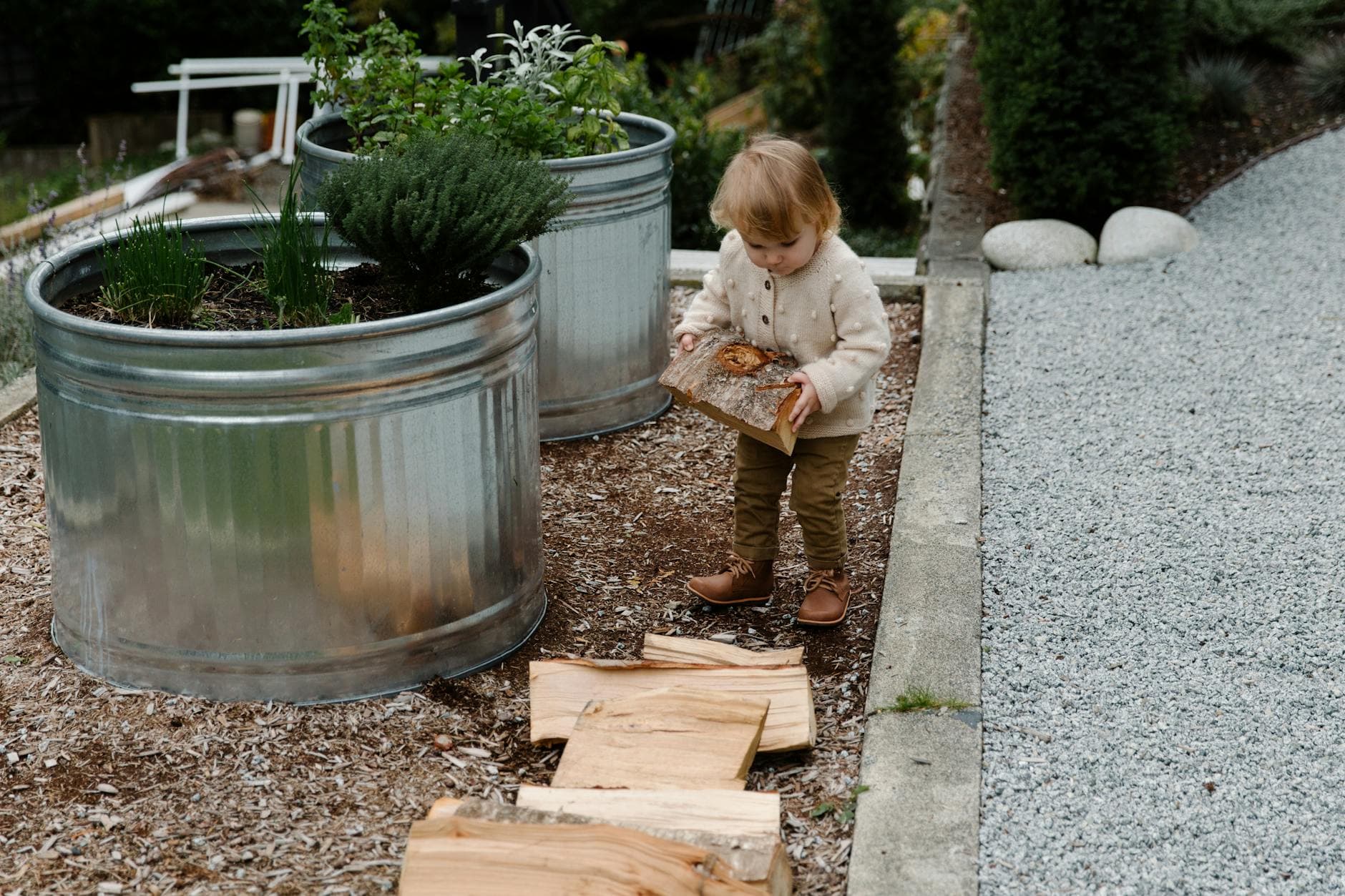
Unlocking Toddler Outdoor Independence: More Than Just Fresh Air
There's a common misconception that encouraging toddler outdoor independence is simply about letting them run wild in the backyard. It's a nice thought, but honestly, it misses the mark. True toddler outdoor independence isn't just about unsupervised exploration; it's about fostering a sense of capability, curiosity, and self-reliance in a safe and nurturing environment. It’s about equipping our little ones with the confidence to navigate their world, one wobbly step at a time, especially as the days get warmer and the world outside beckons. This is where the magic of spring outdoor toddler activities truly shines.
The Foundation of Fearlessness
You've probably noticed how toddlers are naturally drawn to the outdoors. It’s a sensory explosion for them – the feel of grass, the smell of damp earth, the sound of birds. Providing opportunities for them to engage with this environment is crucial for their development. It’s not just about physical activity; it’s about building foundational child independence skills.
Beyond the Sandbox: What Independence Really Looks Like
When we talk about toddler outdoor independence, we're talking about more than just letting them toddle around. We're talking about allowing them to make choices within safe boundaries. This could be choosing which path to follow on a short walk, deciding whether to pick up a fallen leaf or a smooth stone, or even attempting to climb a small, stable rock with your watchful eye. These small acts of self-direction are the building blocks for toddler self-reliance.
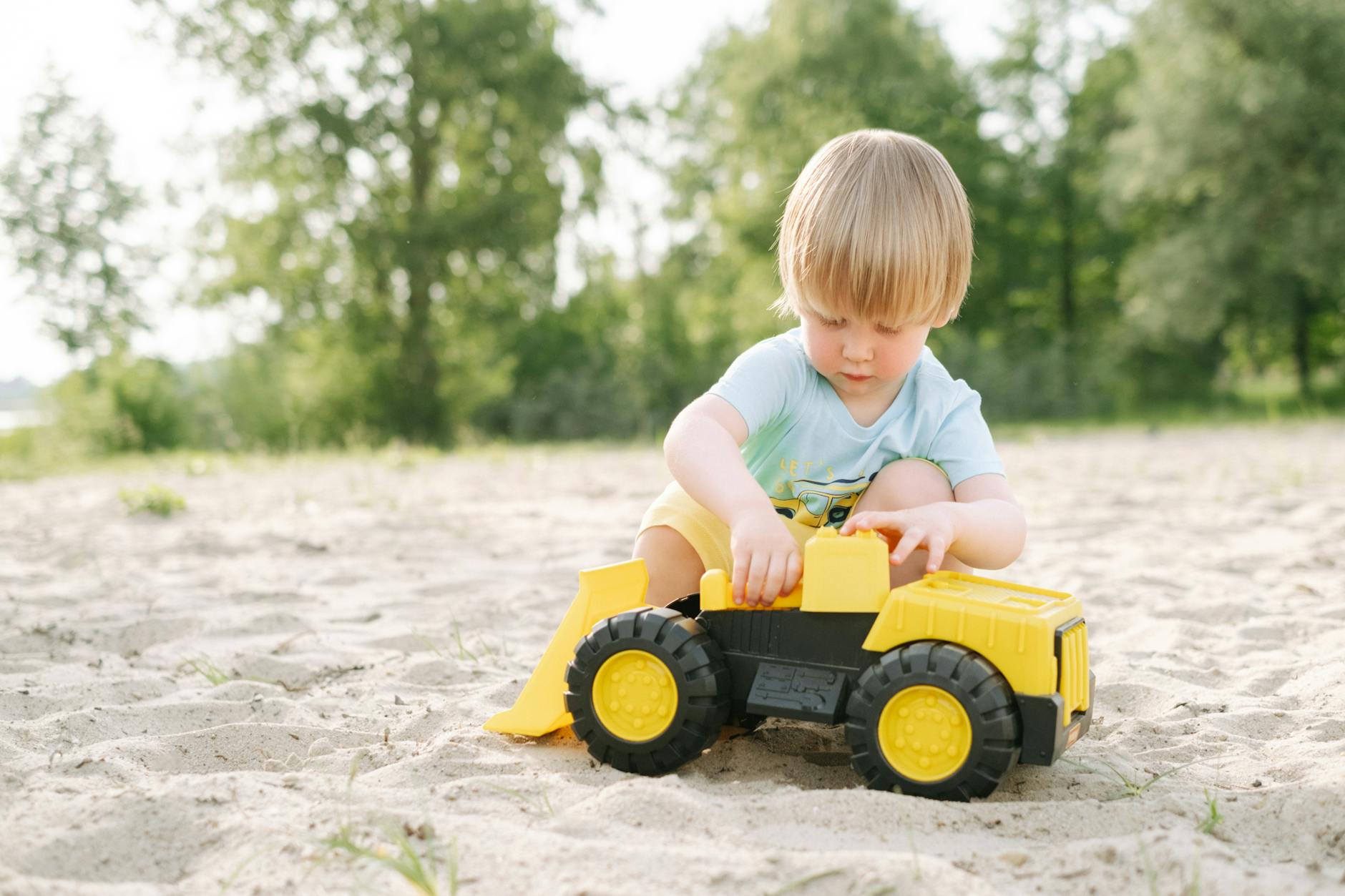
Spring: The Perfect Season for Growing Confidence
Spring is, without a doubt, the most exciting time for encouraging outdoor play. After a long winter, the world reawakens, and so do our children's senses. The fresh air, the burgeoning greenery, the warmer sun – it all provides a dynamic playground for exploration. This is the ideal backdrop for nurturing child development outdoor play.
Embracing the Elements
Spring outdoor toddler activities offer a unique set of sensory experiences. Think about the joy of splashing in puddles (with appropriate gear, of course!), the excitement of discovering a ladybug, or the simple pleasure of feeling the sun on their skin. These are moments that build resilience and a healthy respect for nature.
Activities That Spark Curiosity
Consider a simple nature scavenger hunt. You don't need elaborate lists; just a few prompts like "find something rough," "find something soft," or "find something yellow." This encourages observation and critical thinking, vital components of toddler learning through play. It’s about fostering that sense of wonder that is so inherent in young children.
Safety First, Always
While we're aiming for independence, safety is paramount. This means actively supervising, even when they seem engrossed in their own world. It means setting clear boundaries and teaching them what is and isn't safe. For instance, if you’re at a park, you might explain, "You can play on the grass here, but the path is for walking." Safe outdoor toddler play is about empowering them within a secure framework.
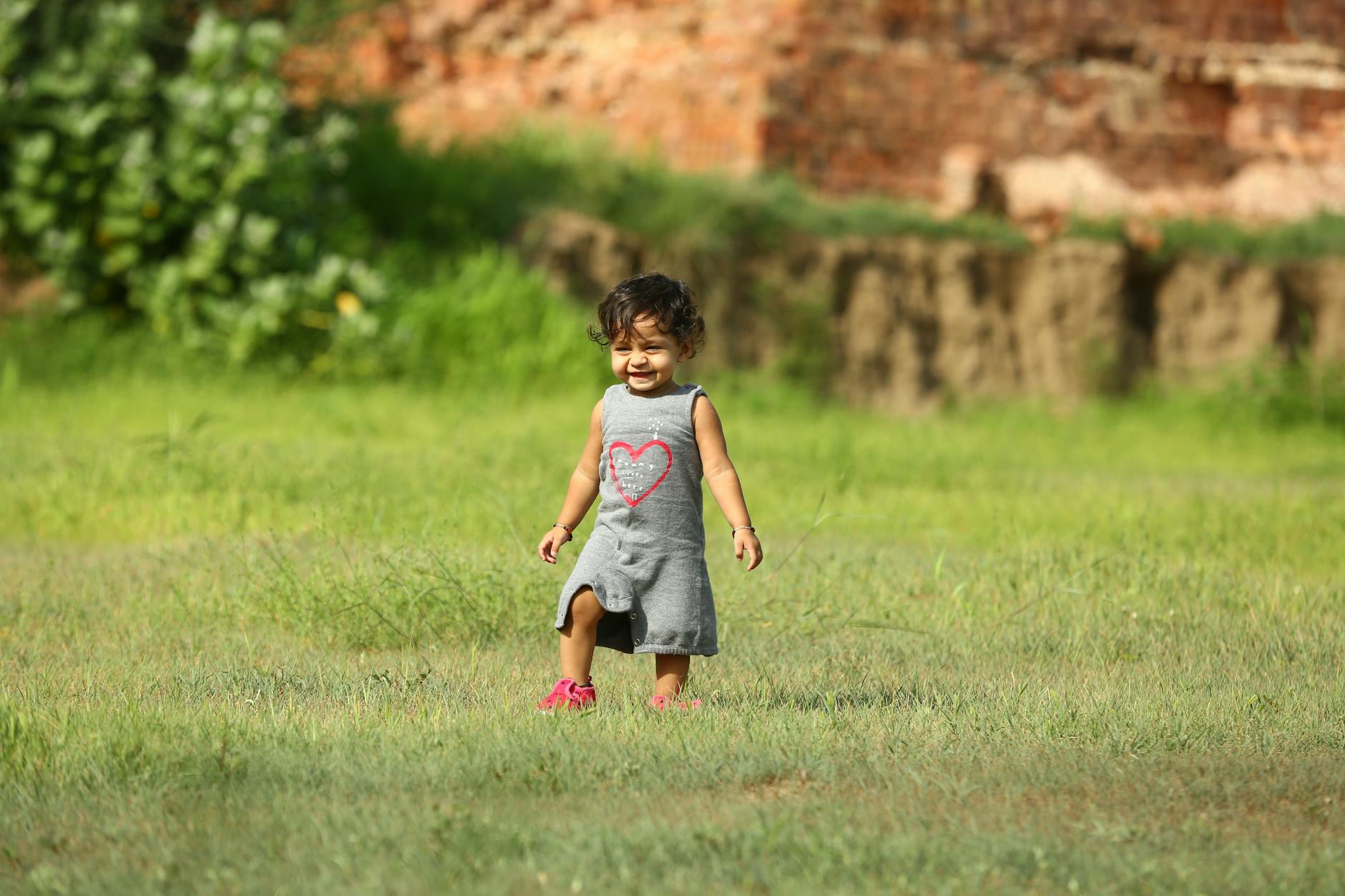
Fostering Toddler Autonomy Through Play
Encouraging toddler autonomy isn't about relinquishing control entirely; it's about strategically handing over small pieces of it. This builds their confidence and teaches them they are capable individuals.
The Power of Choice
Even simple choices can make a big difference. When you’re heading out, ask, "Do you want to wear your blue jacket or your red jacket?" Or, "Would you like to carry the little watering can or the big one?" These small decisions give them a sense of agency. This is a key aspect of encouraging toddler autonomy.
Independent Play Toddler: Letting Them Lead
Independent play toddler sessions, especially outdoors, are gold. Set them up with a few open-ended toys – a bucket and spade, some natural materials like sticks and stones, or even just a patch of interesting ground. Then, step back and observe. Resist the urge to direct their play too much. They might surprise you with their creativity! This allows them to explore at their own pace and on their own terms.
Nature's Classroom
Nature play for toddlers is unparalleled. The textures, smells, and sounds of the natural world are endlessly stimulating. A fallen log can become a balance beam, a pile of leaves a cozy fort. These experiences are not just fun; they are integral to their cognitive and physical development. Research from the National Alliance on Mental Illness research on toddler outdoor independence often highlights the mental health benefits of such free exploration.
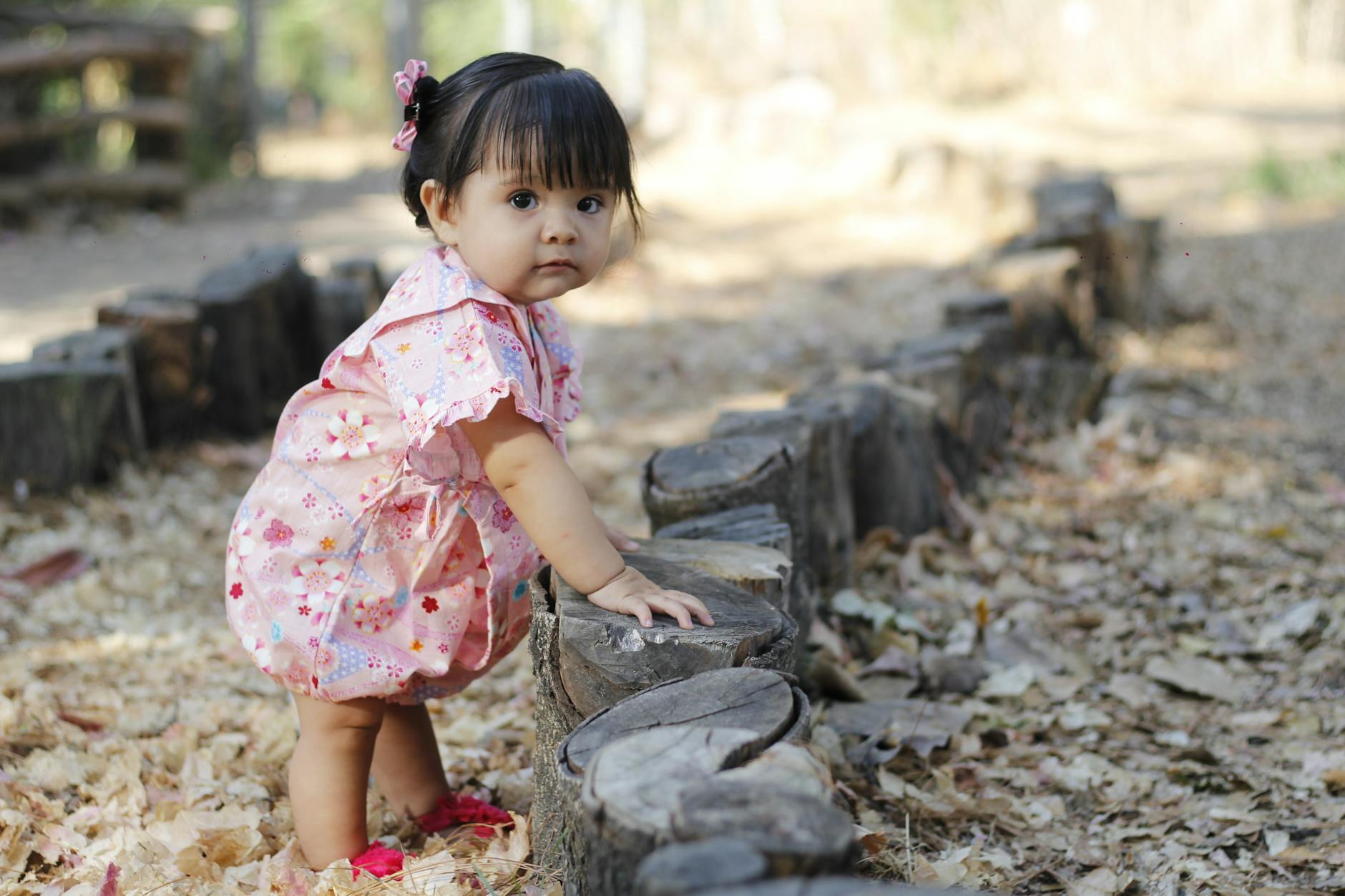
Building Confidence Toddlers: The Long-Term Impact
The skills children develop through toddler outdoor independence extend far beyond just playing in the garden. They are laying the groundwork for a lifetime of self-assurance and capability.
Learning Through Doing
When a toddler successfully navigates a small hill, or figures out how to scoop sand into a bucket, they're not just playing; they're learning. They're learning about cause and effect, about their own physical abilities, and about problem-solving. This is fundamental to child development outdoor play.
Resilience in the Face of Challenges
Outdoor play often involves minor setbacks – a dropped toy, a stumble, an inability to reach something. How a child (with gentle guidance) navigates these small challenges is crucial for building resilience. They learn that it’s okay to not get it right the first time and that persistence pays off. This is a critical part of building confidence toddlers.
Social Skills Bloom Outdoors
While we often focus on independent play, the outdoors also provides fantastic opportunities for social interaction. Even toddlers playing near each other are learning to share space, observe others, and perhaps even engage in parallel play that can evolve into cooperative play. For more structured social activities, consider exploring Social Skills Activities: Fun Spring Ideas for Kids.

Practical Tips for Encouraging Independence
So, how do you actively encourage this independence without feeling like you're just standing by? It’s about intentionality.
The "Safe Zone" Strategy
Designate a safe area where your toddler can explore with less direct intervention. This might be a fenced yard, a specific corner of a park, or even just a large blanket spread on the grass. Let them know, "This is your special exploring space today." This helps them feel secure while venturing out.
Observe and Intervene (Sparingly)
Your role is often that of a watchful observer. Let them try to figure things out. If they’re struggling with a toy or a task, pause before jumping in. Ask them, "What are you trying to do?" or "What could you try next?" Often, a little prompting is all they need. This is a delicate balance in parenting toddlers spring.
Embrace the Mess
Toddler outdoor independence often involves getting dirty. Mud pies, grass stains, and sticky hands are all part of the process. Unless it poses a genuine health risk, try to embrace the mess. It’s a sign of engaged, active play. For ideas on how to manage the clean-up, you might find insights in discussions about Toddler Outdoor Play: Fun Spring Activities for Little Ones.
Model Curiosity
Show your child how you engage with the outdoors. Point out interesting things, ask questions aloud, and demonstrate a sense of wonder. This modeling is powerful. They learn by watching you. This approach can also be beneficial during periods like Spring Break Kids: Easy Family Talk Secrets, where shared experiences foster connection.
The Long Game: Why This Matters
Fostering toddler outdoor independence is not just about a few fun spring afternoons. It's an investment in your child's future. It's about raising a child who is confident, capable, and curious about the world. The ability to explore, to make choices, and to learn from their own experiences are foundational skills that will serve them throughout their lives. Research from the National Institutes of Health research on toddler outdoor independence consistently shows the benefits of early autonomy for mental and emotional well-being.
Language and Cognitive Boosts
As they explore, toddlers are constantly encountering new words and concepts. Describing what they see – "Look at that big, green leaf!" or "The bird is singing a song!" – helps with their Toddler Language Development: Boost Skills This Spring. Their problem-solving skills also get a significant workout as they navigate physical challenges and figure out how things work.
Emotional Well-being
Giving toddlers the freedom to explore and make choices, even small ones, significantly impacts their emotional well-being. It reduces frustration, builds self-esteem, and helps them feel a sense of control over their environment. As noted by Healthline research on toddler outdoor independence, this can contribute to a more positive outlook and reduced anxiety.
So, this spring, as you step outside with your little one, remember that you're not just providing fresh air. You're providing an opportunity for growth, for discovery, and for the profound unfolding of their independent spirit. Embrace the wobbly steps, the curious questions, and the joyful messes. They are all part of the beautiful journey of a child learning to navigate their world, one outdoor adventure at a time.