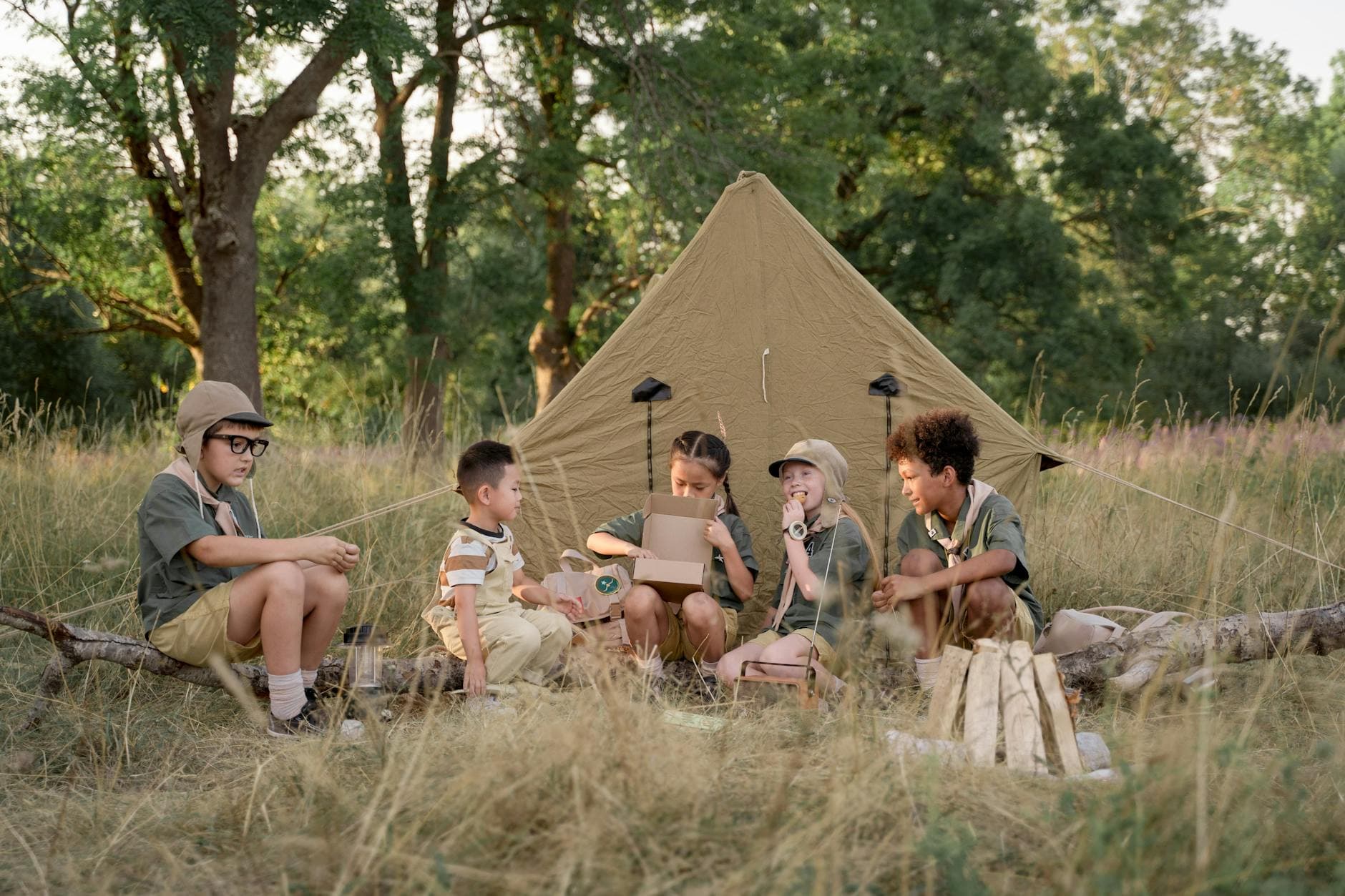
I remember the first time my daughter, Lily, was going to sleepaway camp. She was eight, and the idea of being away from home for a whole week felt like an insurmountable mountain. Her little face was a roadmap of worry: the downcast eyes, the bitten lip, the way she’d clutch my hand a little tighter whenever camp was mentioned. Lily’s experience, while unique to her, echoed what I’ve seen in hundreds of families. These are the classic signs of summer camp fears, and they’re completely normal.
Understanding the Roots of Summer Camp Fears
The Big Unknown
For many children, the core of their anxiety stems from the sheer unpredictability of camp. They don't know the people, the routines, or the environment. This lack of familiarity can trigger a primal sense of unease. Think about the last time you visited a completely new city without a map or any prior information – it's disorienting, right? For a child, that feeling is amplified.
Separation Anxiety: A Familiar Foe
Even in this day and age, separation anxiety remains a significant hurdle for many children, especially those who haven't spent extended periods away from their primary caregivers. It’s a natural developmental stage, and camp is often the first major test of their burgeoning independence. We see this play out in various Child Development Milestones: Boost Spring Growth Spurts, where a child’s ability to self-soothe and engage with the world independently takes center stage.
Past Experiences and Perceptions
Sometimes, a child's fears aren't entirely about the future. A negative experience at a day camp, a scary story heard from a friend, or even a dramatic movie scene can shape their perception of what camp might be like. These preconceived notions can be powerful drivers of child camp anxiety.
Talking to Kids About Camp: The Art of Open Communication
Creating a Safe Space for Worries
The most crucial step is to create an environment where your child feels safe to express their concerns without judgment. Don't dismiss their worries, even if they seem irrational to you. Instead, validate their feelings. Phrases like, "I hear you, and it sounds like you're feeling worried about X," can go a long way.
Proactive Conversations: What to Expect
Before camp even begins, start having conversations about what camp will be like. Use positive, but realistic, language. Talk about the fun activities, the new friends they might make, and the opportunities for learning new skills. This is where proactive Social Skills Playdates: Boost Child Development This Spring can be a great primer, helping kids get used to interacting with others outside their usual circle.
Sharing Your Own Camp Memories
If you went to camp as a child, share some of your positive experiences. Talk about a funny mishap, a campfire song you loved, or a counselor who made a difference. This personal connection can make camp feel less intimidating and more relatable.
Addressing Specific Concerns Head-On
When your child voices a specific fear – like being scared of the dark, not knowing how to swim, or being worried about making friends – address it directly. Brainstorm solutions together. For instance, if they're worried about making friends, you can practice some conversation starters or role-play scenarios. This empowers them and shows you're a team in tackling these challenges. This is also where understanding Preschool Playdate Ideas: Fun Spring Activities can help you frame social interactions positively.
Easing Camp Fears: Practical Strategies for Parents
Familiarization is Key
Reducing the "unknown" factor is paramount. If possible, visit the camp beforehand. Let your child explore the grounds, see their cabin, and meet some of the staff. Many camps offer open house days or orientation sessions specifically for this purpose. If a visit isn't feasible, pore over the camp's website together, looking at photos and videos. This visual exposure can significantly demystify the experience.
Packing with Purpose
Involve your child in the packing process. Let them choose some favorite items from home – a special stuffed animal, a cherished book, or a comfortable blanket. These familiar objects can act as anchors, providing a sense of security and comfort in a new environment. This is also a great time to reinforce the importance of Independent Outdoor Play: Boost Preschooler's Skills by packing appropriate gear for outdoor adventures.
The "Comfort Kit" Approach
Consider creating a small "comfort kit" together. This could include a handwritten note from you, a small, non-valuable trinket, or a list of things they love about home. The idea is to give them a tangible reminder of your love and support that they can access whenever they need it.
Building Independence at Home
Camp is a significant step in a child's journey toward independence. The more opportunities they have for independent play and problem-solving at home, the better equipped they'll be to handle camp. This might involve encouraging them to dress themselves, pack their own day bag for outings, or manage small chores. Practicing these skills, much like learning how to navigate Toddler Sharing Made Easy: Gentle Tips for Little Ones, builds confidence.
When Summer Camp Fears Signal Something More
Recognizing the Signs of Deeper Anxiety
While some nervousness is normal, persistent, overwhelming fear that interferes with daily life might indicate something more significant. Watch for extreme clinginess, frequent stomachaches or headaches, refusal to talk about camp, or significant changes in appetite or sleep patterns. These could be signs of more intense Child Development Milestones: Boost Spring Growth Spurts related to emotional regulation.
The Role of Separation Anxiety Disorder
In some cases, summer camp fears can be linked to Separation Anxiety Disorder (SAD). Children with SAD experience intense distress when separated from their attachment figures. If you suspect SAD, it’s essential to seek professional guidance. Organizations like the National Alliance on Mental Illness research on summer camp fears offer valuable resources and support for families dealing with anxiety disorders.
Seeking Professional Support
Don't hesitate to consult with your pediatrician, a school counselor, or a child therapist if you're concerned. They can provide personalized strategies and support to help your child navigate their anxieties. Research from institutions like the National Institutes of Health research on summer camp fears highlights the effectiveness of early intervention and therapeutic support for childhood anxiety.
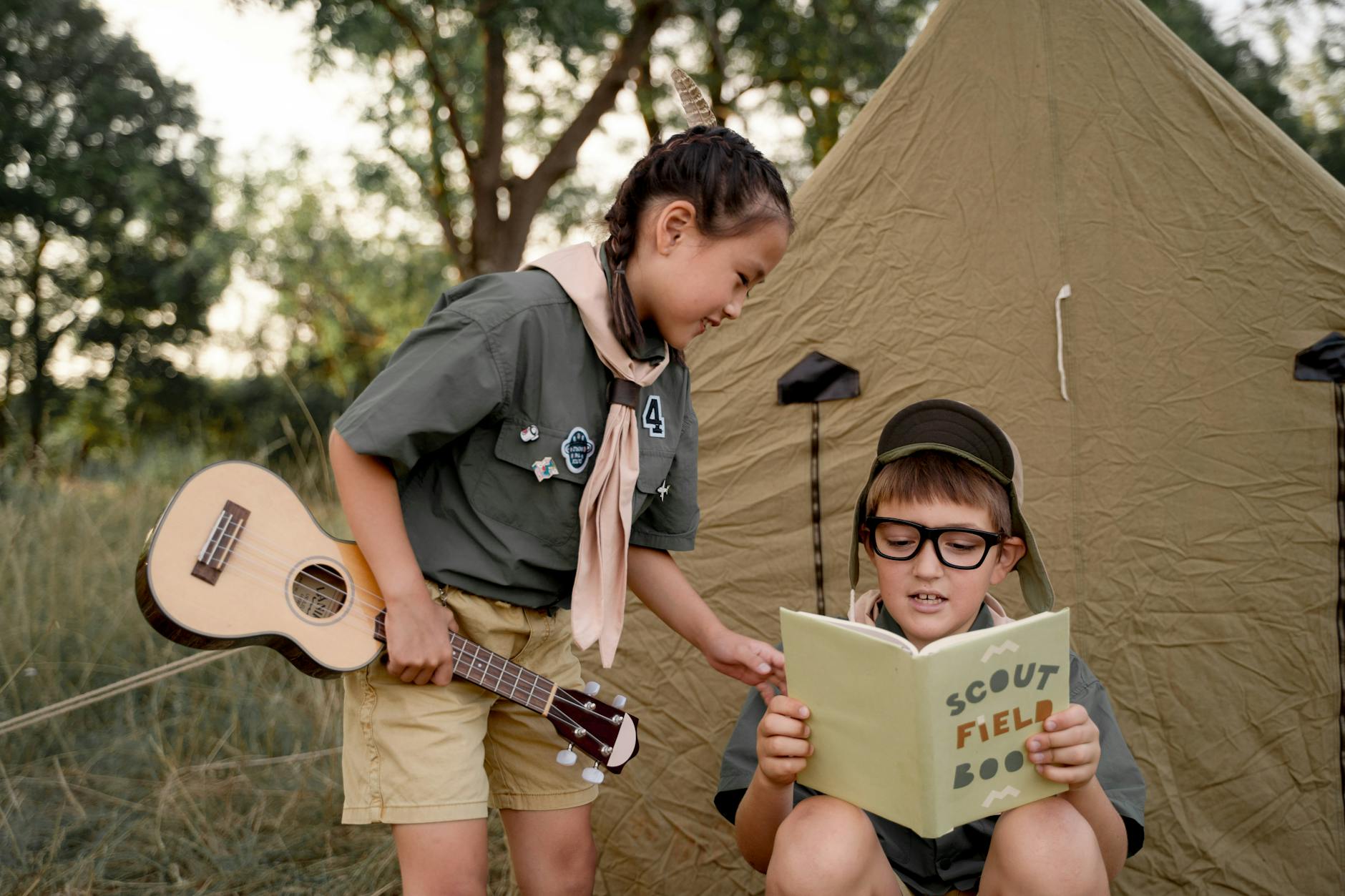
Building Resilience: The Long-Term Benefits of Overcoming Camp Fears
Camp as a Catalyst for Growth
Here's the thing: overcoming these fears isn't just about surviving camp; it's about building crucial life skills. Each challenge met, each new friendship forged, and each moment of independent problem-solving contributes to a child's growing sense of competence and self-efficacy. This resilience is invaluable, not just for future summer camps but for navigating the ups and downs of life, including potential Independent Outdoor Play: Boost Preschooler's Skills and even back to school fears.
Developing Social and Emotional Intelligence
Camp provides a unique environment for developing social and emotional intelligence. Children learn to negotiate conflicts, understand different perspectives, and manage their emotions in a group setting. These are the building blocks of healthy relationships and emotional well-being, as explored in Psychology Today research on summer camp fears.
The Joy of Accomplishment
The sense of accomplishment a child feels after a successful camp experience is profound. They realize they are capable of more than they thought. This boost in confidence can ripple through other areas of their life, making them more willing to try new things and face future challenges with a greater sense of optimism. It's a powerful lesson in believing in oneself.
Ultimately, those summer camp fears are a sign that your child is growing and stretching their wings. Your role isn't to eliminate the fear entirely – that's often impossible and not even entirely desirable, as a little bit of apprehension can be healthy – but to be their steady anchor, their trusted guide, and their biggest cheerleader as they venture into the great unknown. You've got this, and more importantly, they do too.