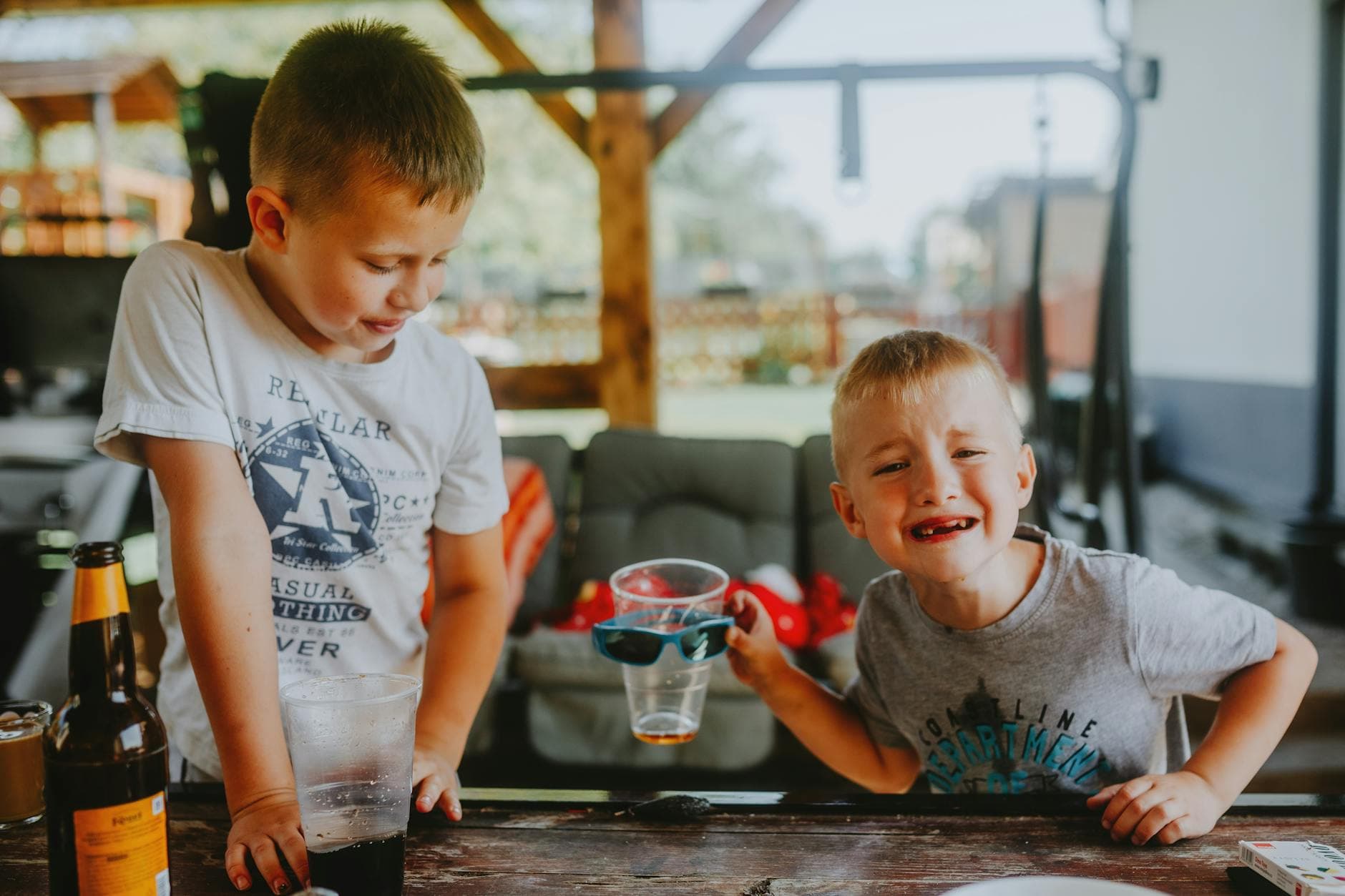
Have you ever watched a toddler clutch a beloved toy with white knuckles, their eyes wide with fierce possessiveness, and thought, "How on earth will they ever learn to share?" It's a scene as classic as a scraped knee or a spontaneous giggle, and it’s right at the heart of one of the biggest parenting puzzles: toddler sharing.
Honestly, the idea of teaching toddlers to share can feel like trying to herd tiny, opinionated cats. They're in that magical, yet often chaotic, developmental stage where understanding ownership is paramount. They *own* that truck. They *own* that teddy bear. And the very concept of giving it up, even for a moment, can feel like a monumental betrayal of their hard-won independence. But here's the thing: this struggle isn't a sign of bad parenting or a doomed child; it’s a fundamental part of early childhood development. Understanding this stage, and approaching it with patience and intention, is key to fostering those crucial early childhood sharing skills.
The Toddler Brain on "Mine!"
Understanding Possession
For a toddler, "mine" isn't just a word; it's a deeply ingrained concept. Their world is built on immediate experiences and concrete understanding. When they can see it, touch it, or play with it, it’s theirs. This isn't selfishness in the adult sense; it's a developmental necessity. They are learning about boundaries, about self, and about the tangible world around them. This foundational understanding of ownership is a necessary precursor to understanding the concept of sharing.
The Limits of Empathy
Empathy, the ability to understand and share the feelings of another, is still very much in its infancy during the toddler years. While they might offer a hug when you're crying, they often struggle to grasp that another child's distress over a toy is as significant as their own. This is why "sharing" often looks more like snatching or trading under duress at this age. Teaching empathy toddlers is a long game, and sharing is one of the arenas where it gets practiced, however imperfectly.
Emotional Regulation and Sharing
Let's be real: toddler tantrums over sharing are incredibly common. When a favorite toy is taken, their world can feel like it's ending. This intense emotional reaction is often a sign of underdeveloped emotional regulation toddler skills. They haven't yet learned the coping mechanisms to manage frustration, disappointment, or anger effectively. So, when we talk about teaching toddlers to share, we're also implicitly talking about supporting their journey toward better emotional control.
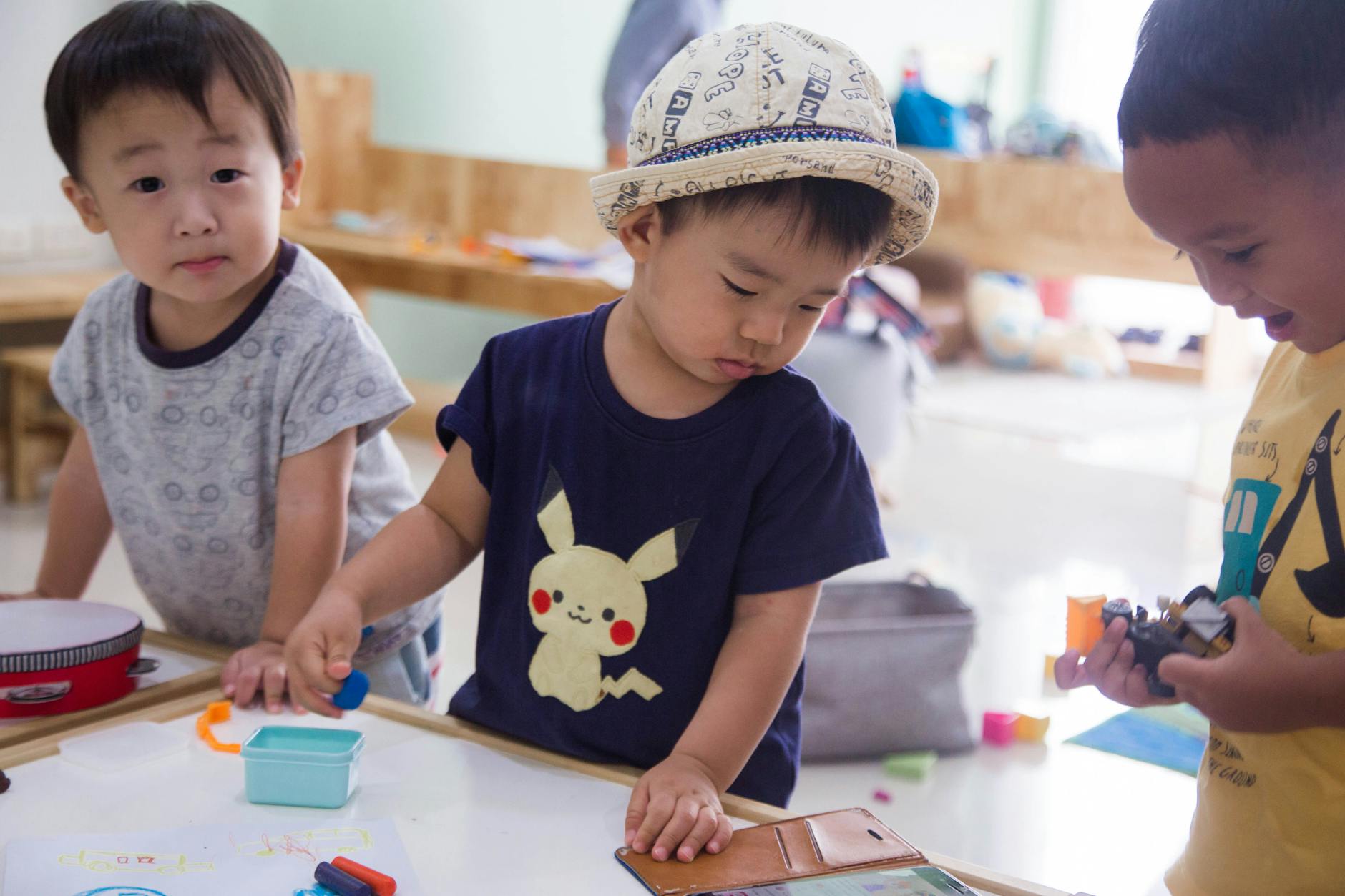
Strategies for Teaching Toddlers to Share
Modeling the Behavior
Children learn by watching. You are their primary role model. When you share your snacks, your time, or even your favorite comfy spot on the couch with others, you're demonstrating what sharing looks like in action. Be vocal about it, too. "Mommy is sharing her apple with Daddy," or "I'm sharing my book with you, sweetie." This makes the abstract concept of sharing concrete and observable.
Playing the Sharing Game
Here's a strategy that surprised me with its effectiveness: structured sharing games. Think simple turn-taking activities. Using a toy car, one person pushes it, then the other. Singing a song and passing a soft toy around. This isn't about forcing them to give up something they desperately want, but about experiencing the joy of shared activity and understanding that good things come back to them. These moments are building blocks for preschool sharing skills.
Using "When You're Done..."
Instead of demanding they hand over a toy, try a gentler approach. "When you're finished playing with the red truck, can [other child's name] have a turn?" This acknowledges their current ownership and provides a clear, albeit sometimes delayed, transition. It respects their right to finish their play while introducing the concept of another child’s turn. This is a core tenet of gentle parenting sharing practices.
The Power of the Timer
For those moments when a toy is particularly coveted, a visual timer can be a lifesaver. Set it for a short period, say 5 minutes. "You can play with the train for 5 minutes, and then it will be [other child's name]'s turn." This external, neutral tool helps manage expectations and reduces the emotional conflict. It's a concrete way to break down the concept of taking turns.
Narrating and Labeling
When you see instances of sharing happening, even small ones, point them out! "Wow, you gave Sarah a bite of your cracker! That was very kind of you." Or, if a child is hesitant to share, you can narrate their feelings: "You really love that car, don't you? It's hard to let someone else play with it when you're having so much fun." This validates their emotions while gently guiding them toward understanding the other person's perspective.
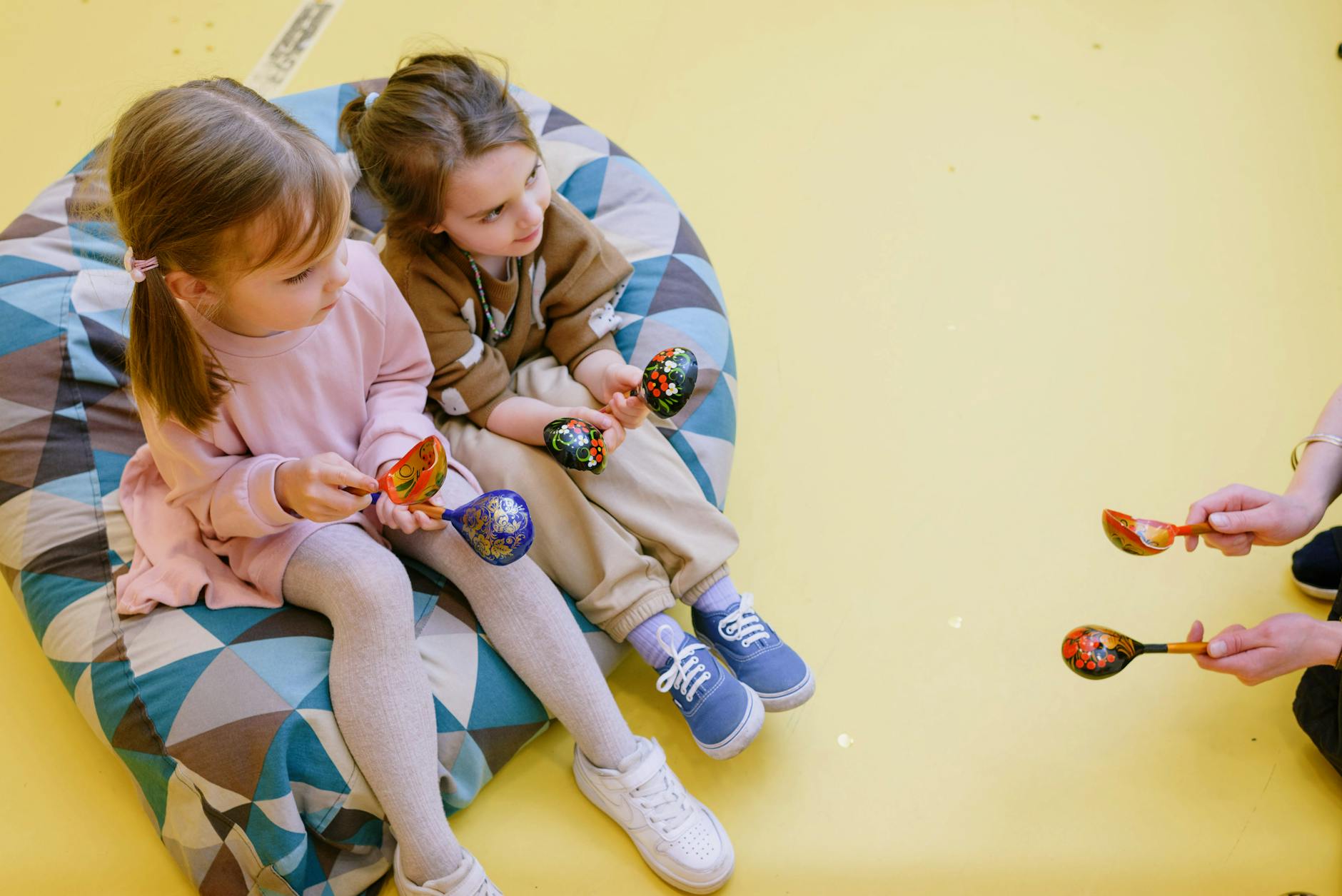
Navigating the Sharing Minefield
Playdate Sharing Tips
Playdates can be a breeding ground for sharing challenges. Before a playdate, talk to your child about the toys they might want to share and perhaps put away a few extra-special items that are too precious to risk. During the playdate, be present and observant. You might need to facilitate turn-taking, especially in the early stages. Think of yourself as a gentle mediator, not an enforcer. For more ideas on this, check out these Social Skills Playdates: Boost Child Development This Spring.
When Sharing Toys Toddler Becomes a Battle
Some toys are just harder to share than others. If you have duplicates of a highly coveted toy, it can significantly ease tensions. However, even with duplicates, sometimes there's a "favorite" one. In these instances, it's okay to acknowledge that some things are just very special and perhaps not ideal for group play until children are a bit older and have stronger sharing skills. Prioritizing toys that are naturally collaborative can also help.
The Role of Independent Play
It might seem counterintuitive, but fostering independent outdoor play can actually support sharing skills. When children have ample opportunity to explore and engage with their environment and toys on their own terms, they build confidence and a sense of self. This can paradoxically make them more willing to engage with others and share resources when the time comes. Discover more about Independent Outdoor Play: Boost Preschooler's Skills.
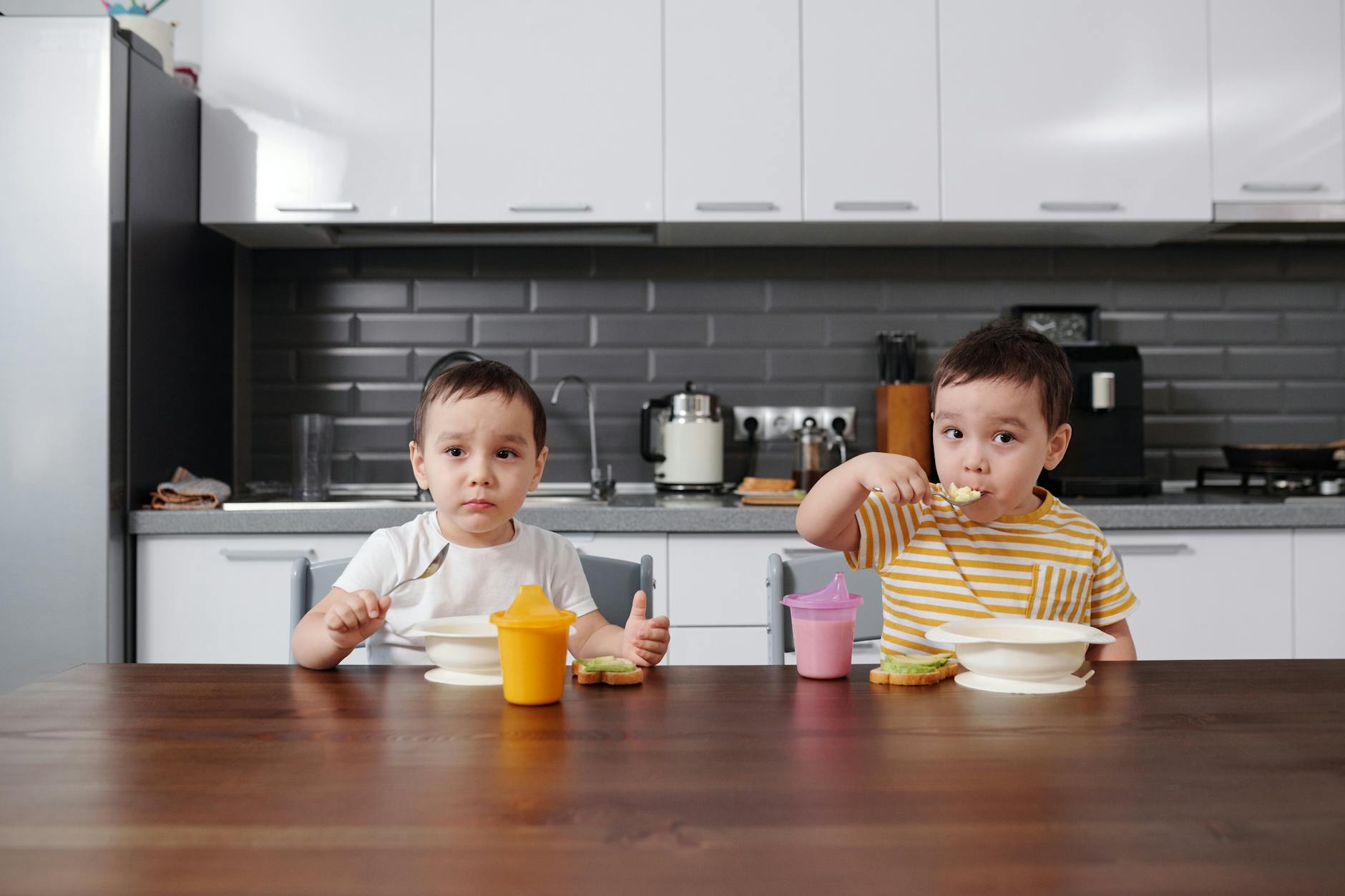
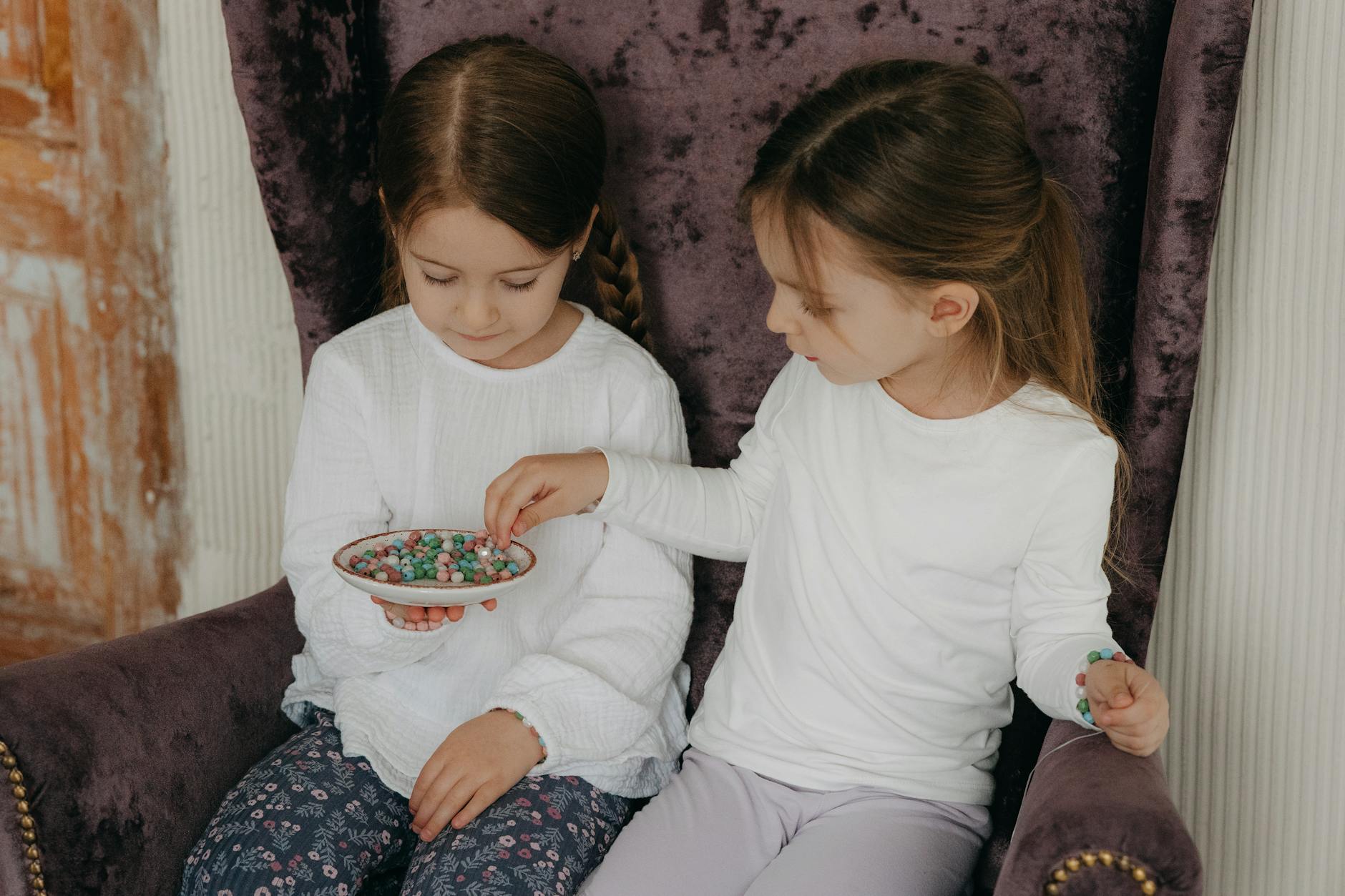
Beyond the Toy Box: The Deeper Meaning of Sharing
Teaching Empathy Toddlers
Sharing isn't just about objects; it's about connection. As toddlers begin to understand that sharing can make others happy, a flicker of empathy ignites. You can nurture this by talking about feelings. "When you shared your blocks, Maya smiled. She looked really happy!" This positive reinforcement connects the act of sharing with a positive social outcome, fostering the growth of emotional intelligence.
Building Social Skills
The ability to share is a cornerstone of social competence. It’s how children learn to navigate relationships, negotiate, and cooperate. Mastering sharing for toddlers is a crucial step toward developing the broader social skills needed for preschool and beyond. Think about how much smoother Preschool Playdate Ideas: Fun Spring Activities become when children have some foundational sharing skills!
The Long View of Child Development
Remember that child development milestones are not a race. What you're witnessing with toddler sharing is a snapshot of a much larger developmental journey. The National Alliance on Mental Illness research on toddler sharing, for example, highlights how early social interactions, even those marked by conflict, contribute to crucial brain development. This is a marathon, not a sprint, and every small step towards sharing is a victory. We are laying the groundwork for future social success, and understanding the nuances of Child Development Milestones: Boost Spring Growth Spurts helps us appreciate the process.
So, the next time you see that intense toddler grip on a toy, take a deep breath. It’s not a sign of future greed; it’s a sign of a developing mind at work. Approach it with patience, model the behavior you want to see, and celebrate every small victory. The journey of learning to share is a complex, sometimes messy, but ultimately rewarding adventure. It's about so much more than just toys; it's about building the foundations for connection, kindness, and a well-adjusted emotional life. And that, my friends, is truly fascinating.