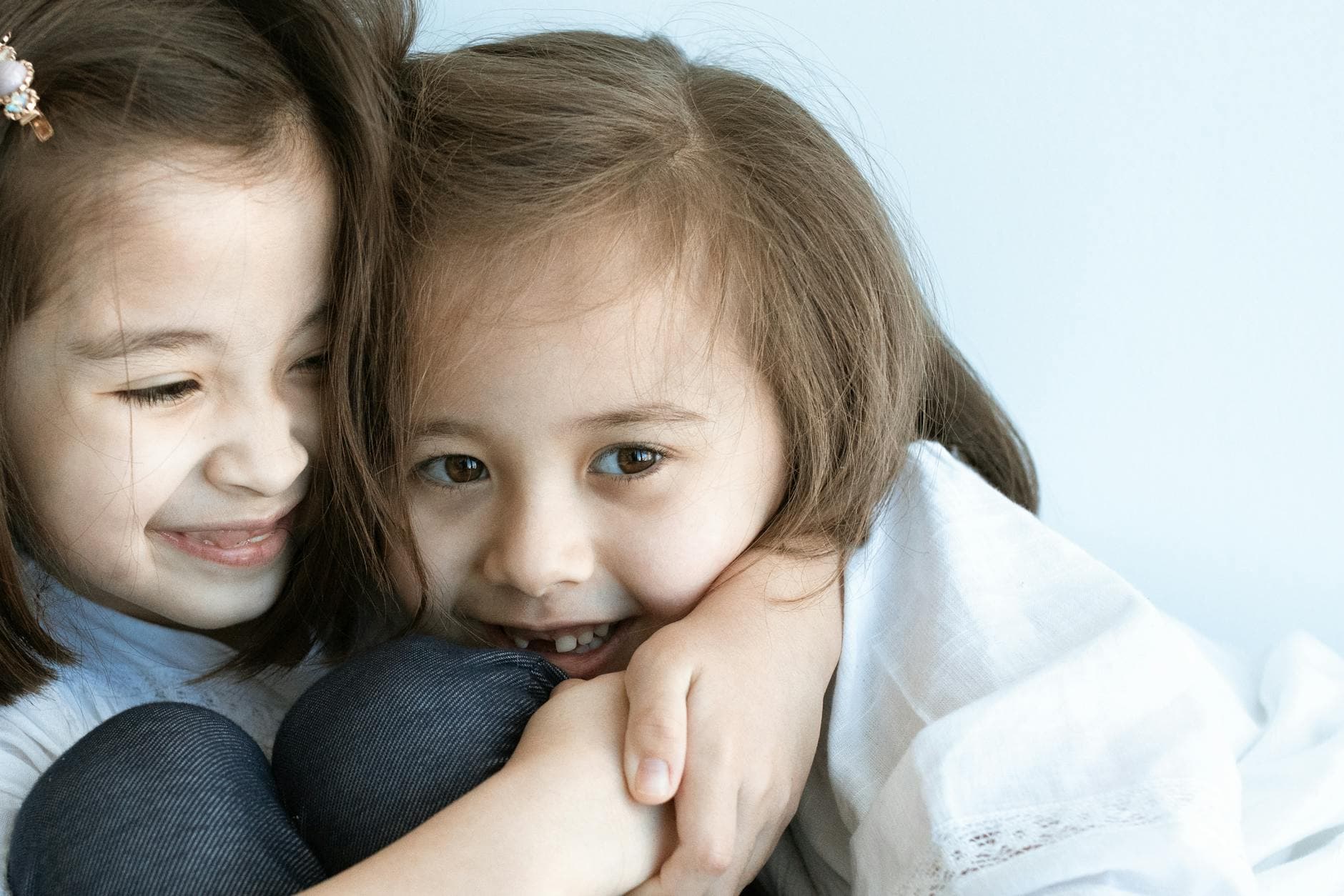
Understanding Sibling Rivalry: More Than Just Squabbles
Many people think sibling rivalry is just a minor annoyance, a phase that kids will outgrow with a bit of nagging from parents. Honestly, I used to think that way too. But the truth is, the sibling rivalry definition is far more nuanced and impactful on child development than a quick glance would suggest. It’s not just about who gets the bigger piece of cake or whose turn it is with the toy; it’s a complex dance of emotions, competition, and developing relationships that shapes our children in profound ways. Understanding what sibling rivalry truly means is the first, crucial step for any parent wanting to foster healthier family dynamics.
What Exactly Is Sibling Rivalry?
At its core, sibling rivalry refers to the competition, jealousy, and conflict that can arise between brothers and sisters. It’s a natural part of growing up in a family with multiple children, as siblings vie for parental attention, resources, and a sense of their own identity within the family unit. This competition can manifest in countless ways, from minor disagreements to full-blown shouting matches and physical altercations. While some level of conflict is expected, understanding the underlying dynamics is key to managing it effectively.
The Myth of Constant Conflict
A common misconception is that sibling rivalry means children are always fighting. While conflict is a prominent feature, it's not the whole story. Sibling relationships are also built on love, support, and deep bonds. The rivalry often ebbs and flows, influenced by age, temperament, and external factors. It's important to recognize that even in periods of high conflict, a strong foundation for positive sibling relationships can still be built. The goal isn't to eliminate all disagreement, but to guide children through it constructively.
Defining Sibling Rivalry: A Deeper Look
So, what is sibling rivalry? It's the ongoing tension and friction between siblings, fueled by a desire for parental approval, individual recognition, and a sense of fairness. This often involves feelings of jealousy when one sibling perceives the other as receiving preferential treatment or having advantages. It's about navigating shared space, limited resources (both material and emotional), and the complex process of establishing one's own place in the family hierarchy. The sibling rivalry definition encompasses both overt behaviors like arguing and covert feelings like resentment.
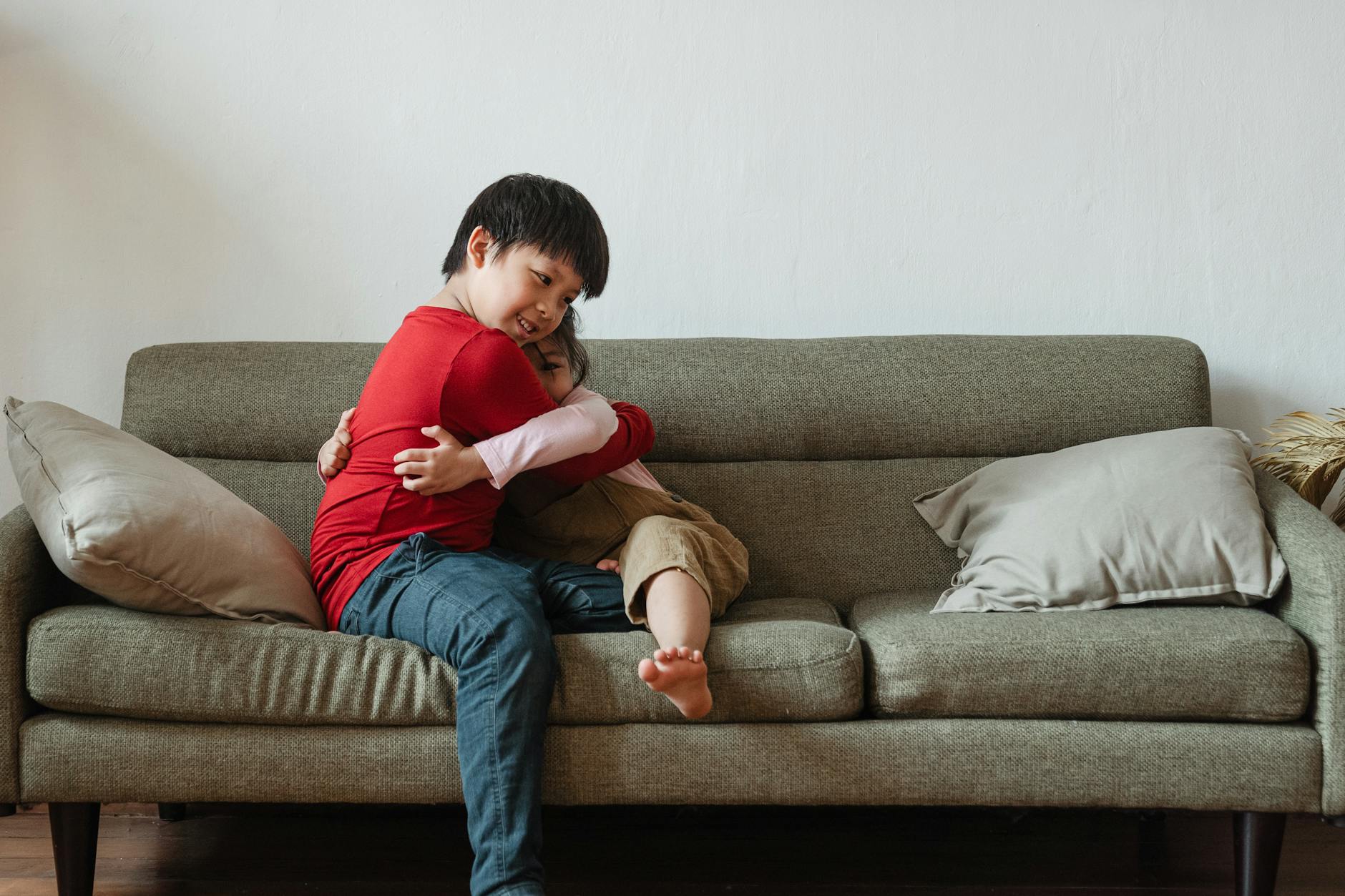
The Roots of Sibling Competition
To truly grasp the sibling rivalry definition, we need to dig into its origins. It's rarely a case of one child being "bad" and the other being "good." Instead, a confluence of factors contributes to this dynamic. These aren't excuses for poor behavior, but rather insights into the developmental stages and emotional landscapes our children are navigating.
The Quest for Parental Attention
Children, especially younger ones, often see parental attention as a finite resource. If one child feels they are getting more, or if a new baby arrives, the existing child can feel their "share" of love and attention is diminishing. This can trigger competitive behaviors. They might act out to regain focus, or try to excel in areas where they believe they can impress their parents more than their sibling. This is a fundamental aspect of the sibling rivalry meaning.
Developing Individuality and Identity
As children grow, they naturally seek to establish their own identities separate from their family. This can lead to them differentiating themselves from their siblings, sometimes through direct opposition or by excelling in different areas. If one child is artistic, the other might focus on sports, and while this can be healthy, it can also create a sense of competition if not managed with encouragement for both. This child development sibling competition is a vital part of growing up.
Perceptions of Fairness
What feels fair to a child is often very different from what an adult considers fair. They might perceive their sibling getting a slightly larger cookie, or being allowed to stay up 15 minutes later, as a grave injustice. These perceived slights can fuel resentment and lead to arguments. This perception of unfairness is a major driver of sibling conflict and is central to the sibling rivalry definition.
Temperament and Personality Differences
Just like adults, children have unique temperaments. An introverted child might clash with an extroverted sibling, or a highly sensitive child might be easily provoked by a more boisterous one. These inherent differences can exacerbate tensions. It's not about blame; it's about recognizing that different personalities interact in different ways, and sometimes those interactions are friction-filled.
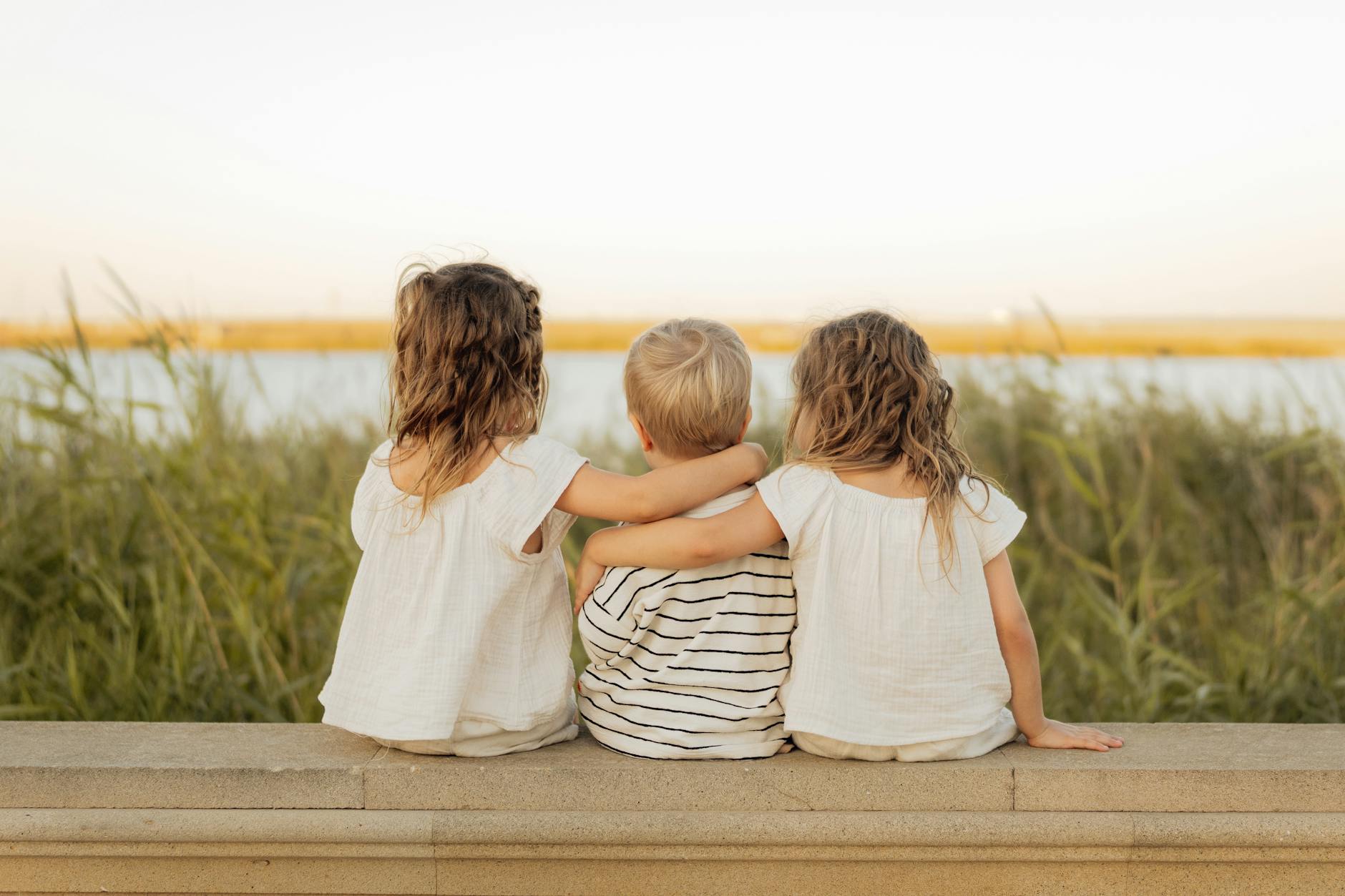
The Impact of Sibling Rivalry on Development
Understanding the sibling rivalry definition is critical because it has a tangible impact on a child's development. It's not just a superficial squabble; it shapes social skills, emotional intelligence, and even self-esteem.
Building Social Skills Through Conflict
While it might seem counterintuitive, navigating sibling conflict can actually help children develop crucial social skills. They learn to negotiate, compromise, and problem-solve. They experience consequences for their actions and learn to articulate their needs and feelings, albeit sometimes messily. This is where the real-world practice for later social interactions occurs. The Gottman Institute research on sibling rivalry definition often highlights these developmental benefits.
Emotional Intelligence and Empathy
Experiencing and witnessing sibling jealousy can be a powerful teacher of emotional intelligence. Children learn to recognize different emotions in themselves and their siblings. With guidance, they can begin to develop empathy, understanding how their actions affect others. This is a long-term benefit that extends far beyond childhood. It’s an essential part of a healthy family dynamic.
Identity Formation and Self-Esteem
The constant comparison and competition inherent in sibling rivalry can sometimes negatively impact a child's self-esteem. If a child consistently feels "less than" their sibling, they may develop insecurities. Conversely, overcoming challenges in sibling relationships can build resilience and a stronger sense of self. It’s a delicate balance that parents must help them strike.
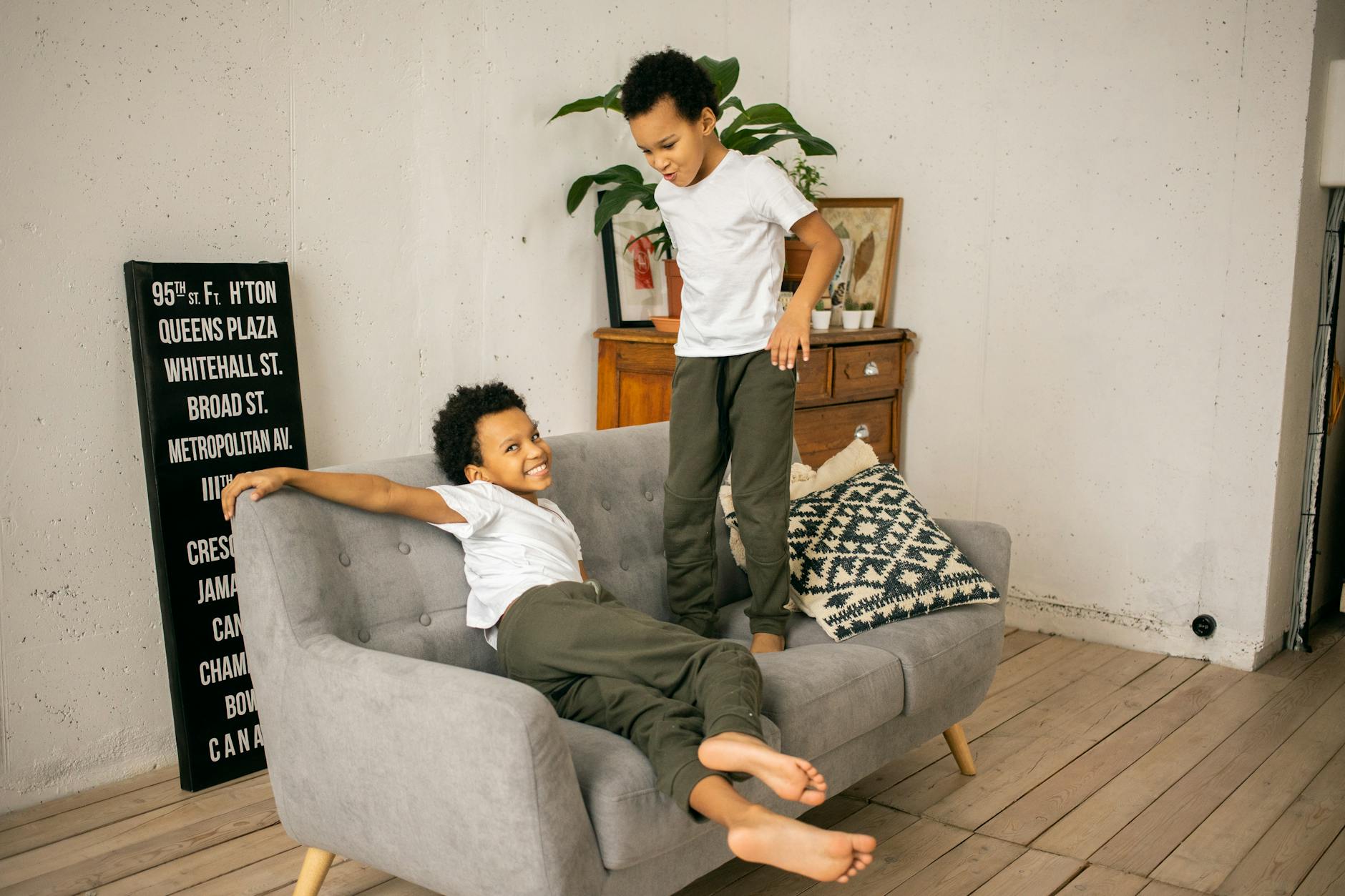
When Does Sibling Rivalry Become a Problem?
While some level of sibling conflict is normal and even beneficial, there are times when it crosses a line into problematic territory. Recognizing these signs is key to intervening effectively and seeking support if needed.
Excessive Aggression and Bullying
If sibling interactions consistently involve physical aggression, severe emotional abuse, or bullying, it’s a serious concern. This goes beyond typical arguments and can have lasting psychological effects on the targeted child. National Institutes of Health research on sibling rivalry definition often points to these extreme cases as needing professional intervention.
Extreme Jealousy and Resentment
When jealousy becomes all-consuming, leading to persistent resentment and an inability to express positive feelings towards a sibling, it can be damaging. This might look like a child actively sabotaging their sibling's efforts or expressing constant negativity. Psychology Today research on sibling rivalry definition frequently discusses the impact of unchecked sibling jealousy.
Impact on Family Harmony
If sibling rivalry is so intense that it creates a constant atmosphere of tension and fear within the household, it’s a problem. This can affect the well-being of all family members, including parents, and disrupt overall family routines. Think about the impact on family routines with kids when constant conflict is the norm.
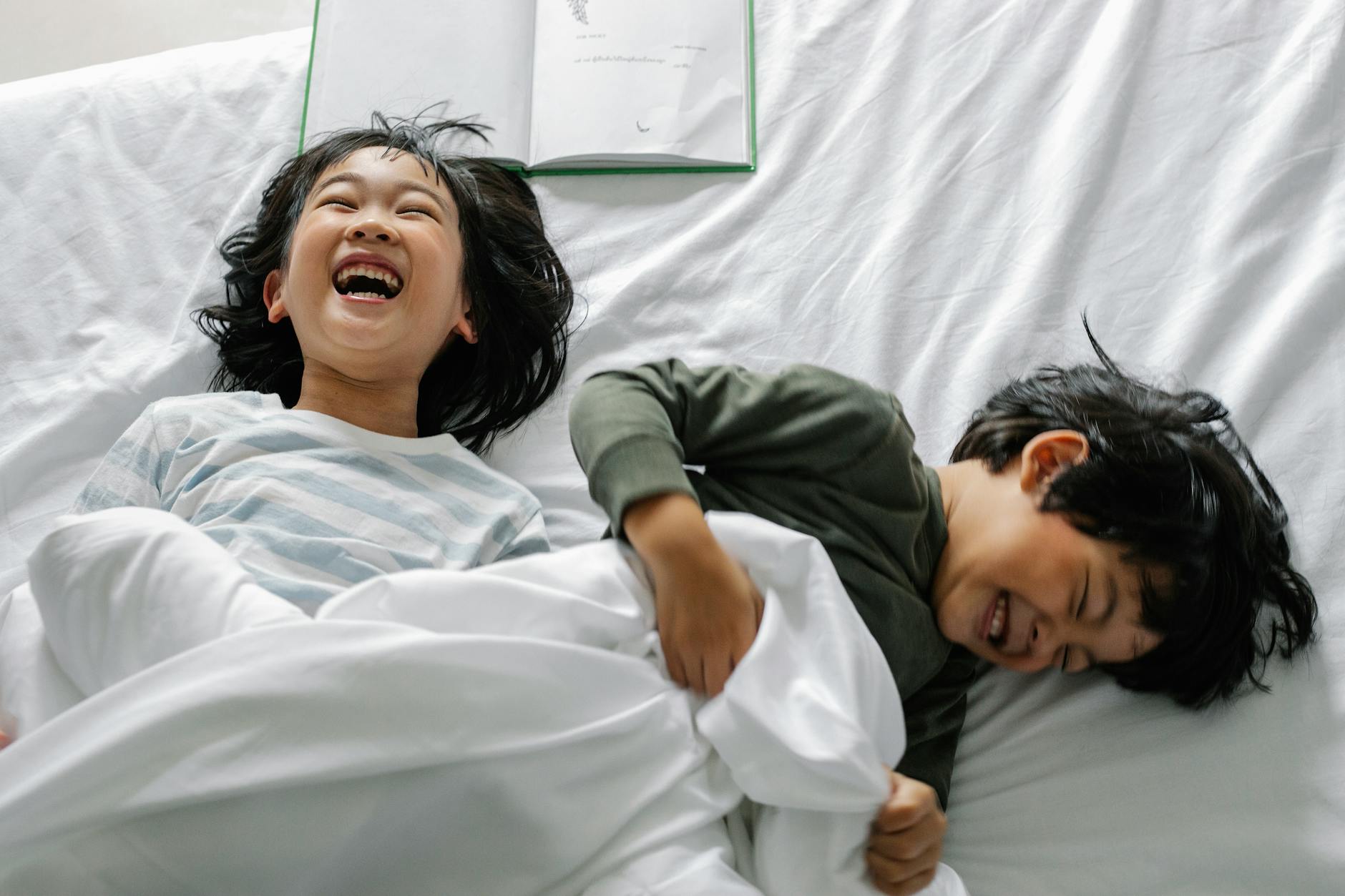
Navigating the Challenges: How to Manage Sibling Rivalry
So, how do we, as parents, move beyond just defining sibling rivalry to actively managing it? It's an ongoing process, not a quick fix, but there are strategies that make a real difference. These are the practical, no-nonsense steps I've found most effective.
Fostering Individual Time and Attention
One of the most powerful tools is ensuring each child receives dedicated, one-on-one time with parents. This doesn't have to be elaborate; even 15-20 minutes of focused attention each day can significantly reduce a child's need to compete for your gaze. This reinforces their value and security. It’s about quality, not quantity.
Teaching Conflict Resolution Skills
Instead of just stepping in to stop fights, teach your children *how* to resolve them. Help them identify their feelings, express them calmly, and brainstorm solutions together. Role-playing different scenarios can be incredibly effective. This is a core component of sibling rivalry tips.
Promoting Cooperation Over Competition
Create opportunities for siblings to work together towards a common goal. This could be a family project, a shared chore, or even a game where they win or lose as a team. Focusing on shared successes builds positive bonds and reduces the emphasis on individual victories.
Setting Clear Boundaries and Consequences
While fostering understanding is important, it’s also crucial to set clear boundaries about acceptable behavior. When those boundaries are crossed, consistent and fair consequences are necessary. This teaches accountability. The sibling rivalry definition doesn't excuse harmful behavior.
Encouraging Empathy and Understanding
Help children see things from their sibling's perspective. Ask questions like, "How do you think your brother felt when that happened?" or "What could you do to make your sister feel better?" This builds emotional intelligence and strengthens their relationships.
Beyond the Definition: Building Lasting Bonds
The sibling rivalry definition is just the starting point. What truly matters is how we guide our children through these inevitable challenges. It’s about recognizing that the rough-and-tumble of sibling relationships, when nurtured, can forge the strongest and most enduring bonds a person will ever have. By understanding the roots of their competition, acknowledging its impact, and actively teaching them how to navigate conflict, we equip our children with skills that will serve them throughout their lives. This journey, though sometimes exhausting, is one of the most rewarding aspects of parenting. It’s about shaping not just individuals, but a cohesive, loving family unit. Think about the joy of seeing your children, years from now, supporting each other through life's ups and downs, a testament to the foundation you helped build amidst the squabbles.