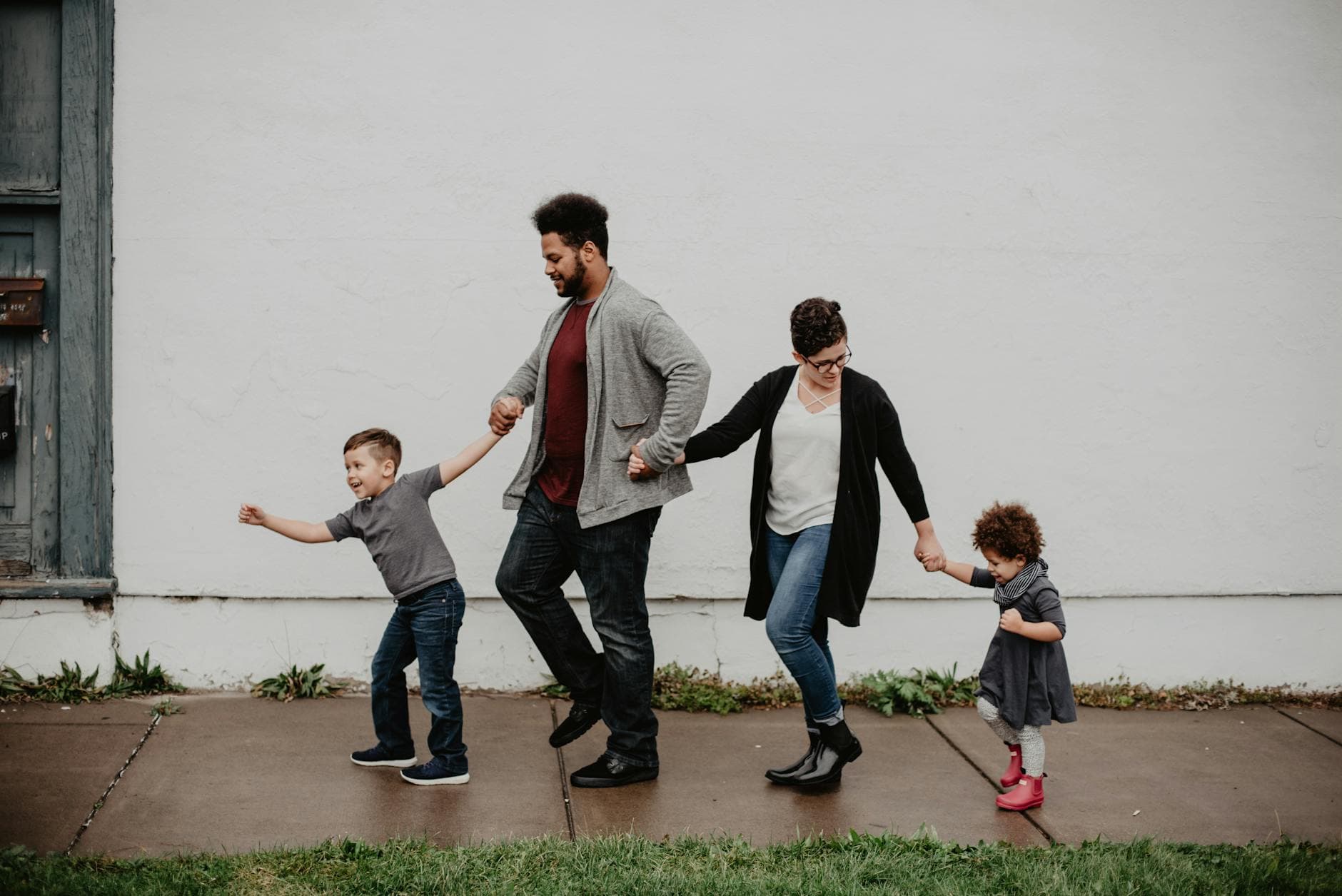
What if your mornings didn't have to be a chaotic scramble, and evenings felt less like a race against the clock and more like a gentle winding down? Imagine a home where kids know what to expect, where tasks get done without constant nagging, and where there's actually time for connection. This isn't a fantasy; it's the power of well-established family routines with kids.
The Unseen Pillars: Why Routines Matter for Kids
You've probably noticed it yourself: kids thrive on predictability. It's not about stifling their spontaneity; it's about building a secure foundation that allows their creativity and independence to flourish. When children understand the rhythm of the day, they feel safer, more in control, and less anxious. This predictability is a cornerstone of healthy child development routines.
Building Blocks of Security
Think about it from a child's perspective. The world can feel big and overwhelming. Knowing that after breakfast comes playtime, then lunch, then nap (or quiet time), and so on, provides a mental map. This internal compass helps them navigate their day with confidence. It reduces the need for constant redirection and minimizes meltdowns born from uncertainty.
Fostering Independence
Contrary to what some might think, routines don't make kids passive. They actually empower them. When a child knows the steps involved in getting dressed or packing their school bag, they can do it themselves. This builds self-efficacy and a sense of accomplishment. We'll touch on how to encourage this further, especially with activities like Toddler Independence Activities for Spring Exploration.
Boosting Emotional Well-being
Predictable patterns can significantly impact a child's emotional regulation. When they anticipate transitions, they're often better equipped to handle them. This translates to fewer power struggles and a more peaceful home environment. Research from sources like National Institutes of Health research on family routines with kids consistently points to the benefits for mental health.

Establishing Family Routines With Kids: The Practical Steps
Okay, so we know why routines are great. But how do you actually implement them without turning your home into a military operation? It’s a balancing act, for sure. The key is to involve your kids in the process and keep it flexible.
The Family Meeting Approach
Before you even start writing down schedules, have a family meeting. Yes, even with younger children. Explain what routines are and why they’re helpful. Ask for their input. What do they find challenging about the current flow of the day? What would make mornings easier for them? This collaborative approach is vital for fostering buy-in and making the routines feel like a shared effort, not a dictatorial decree.
Mapping Out the Day (and Week)
Start with the non-negotiables: wake-up times, meal times, bedtime. Then, sprinkle in the predictable activities. This could be a specific chore day, a designated reading time, or a family game night. Don't overschedule. Leave room for spontaneity and downtime. For example, a simple morning routine might look like this:
- Wake up
- Use the potty/toilet
- Brush teeth
- Get dressed
- Eat breakfast
- Pack backpack/lunch (if applicable)
- Playtime or screen time before leaving
This is where discussing family routines becomes essential. Every family is different, and what works for one might not work for another. It's about creating a framework that suits your unique needs and your children's ages and temperaments.
Visual Aids for Younger Children
For preschoolers and younger elementary kids, visual schedules are a game-changer. Use pictures or simple drawings to represent each step of the routine. They can then move the picture or check it off as they complete each task. This makes the abstract concept of a schedule concrete and empowers them to follow along independently.
Navigating the Seasons: Spring Family Routines
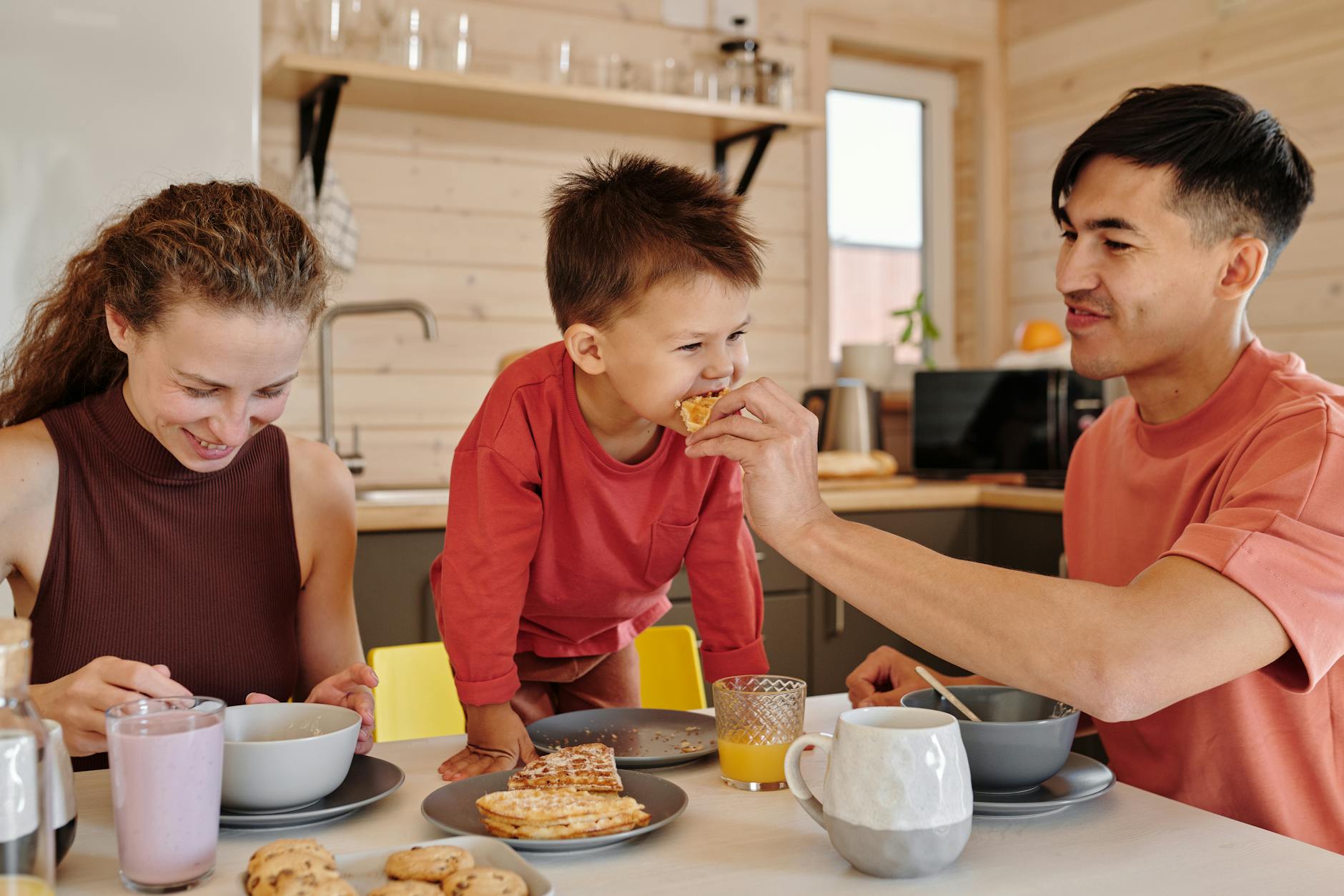
As the seasons change, so too should our family routines with kids. Spring, with its longer days and renewed energy, offers a fantastic opportunity to refresh and adapt. This is a perfect time to incorporate more outdoor activities and explore new habits.
Embracing Outdoor Play
Spring is synonymous with getting outside. Consider establishing a "nature time" routine. This could be a daily walk in the park, a weekly visit to a local trail, or simply dedicated time in the backyard for exploration. This aligns perfectly with Preschool Nature Activities: Spark Spring Curiosity! and helps children connect with the natural world.
Seasonal Chores and Responsibilities
Spring cleaning isn't just for adults. Involve the kids in age-appropriate tasks like helping to tidy up the yard, planting a small garden, or organizing outdoor toys. Managing household chores with kids can become a routine that teaches responsibility and teamwork. Even young toddlers can help "water" plants with a spray bottle or put toys back in their designated bins.
Adjusting Bedtimes and Wake-ups
With daylight savings and the general urge to be outside longer, you might need to adjust bedtime routines. Be mindful of how these changes affect your children. A gradual shift is often better than an abrupt one. Perhaps introduce a "quiet reading time" before bed that can extend slightly as the evenings get lighter.
The Art of Communication with Children About Routines
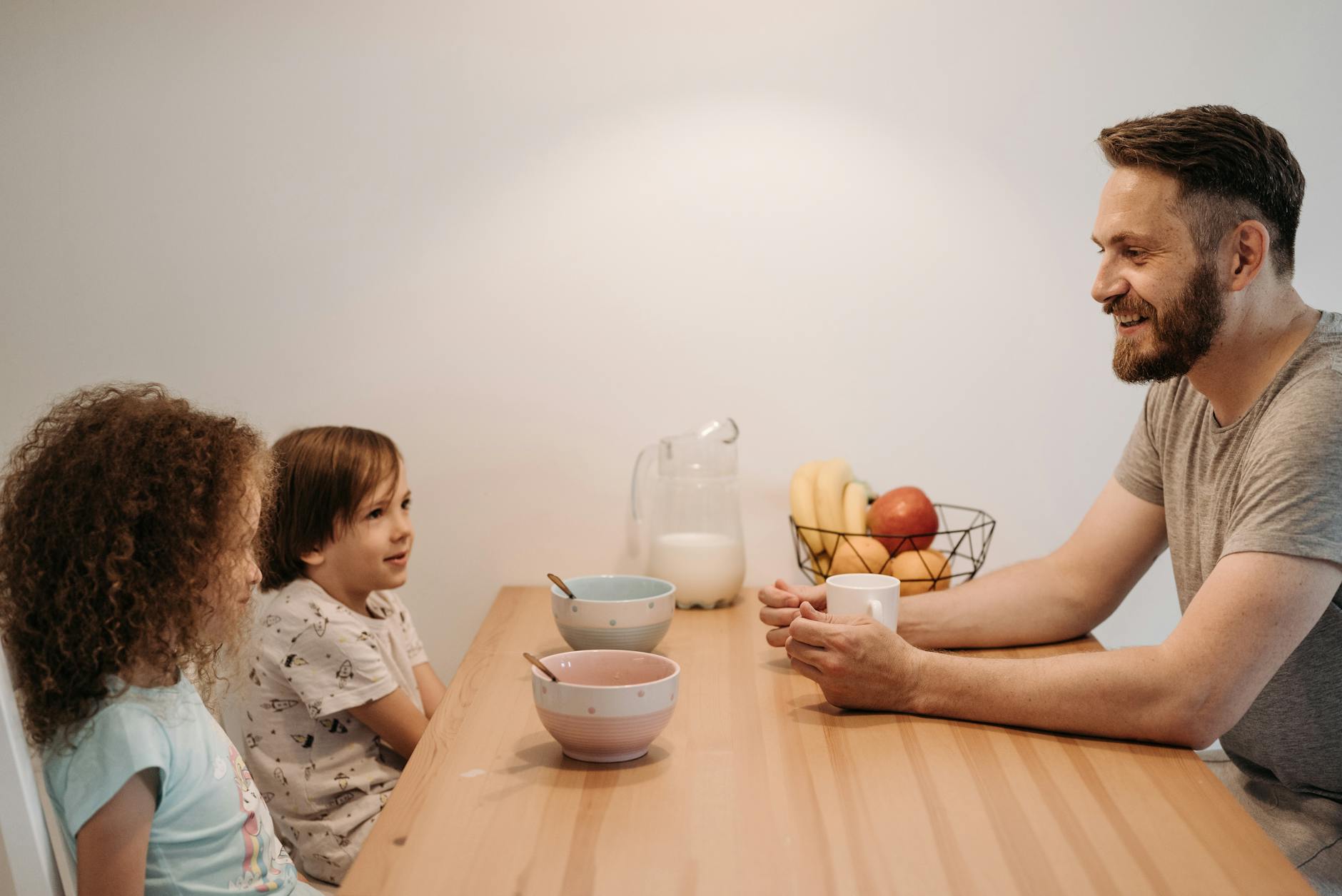
Here's the thing about routines: they only work if everyone is on board, or at least understands them. This is where communication with children becomes paramount. It's not about barking orders; it's about explaining the 'why' and listening to their feedback.
Setting Expectations Clearly
Be explicit about what you expect. Instead of saying, "Clean your room," try, "When you're done playing with your blocks, please put them back in the bin, and then put your books on the shelf." Breaking down tasks makes them less daunting and easier to follow. Setting expectations for kids is an ongoing conversation, not a one-time lecture.
Active Listening and Feedback
When your child expresses frustration with a routine, listen. Are they feeling rushed? Are they bored? Sometimes, a small tweak can make a big difference. For instance, if the morning routine is consistently a battle, perhaps they need five extra minutes to ease into the day, or maybe the order of tasks needs a slight adjustment. This kind of open dialogue is a key element of positive parenting strategies.
Positive Reinforcement
Acknowledge and praise effort and adherence to routines. "I love how you remembered to put your dirty clothes in the hamper without me asking!" or "You did such a great job getting your shoes on all by yourself today!" Positive reinforcement goes a long way in solidifying kid family routines.
When Routines Go Awry: Flexibility is Key
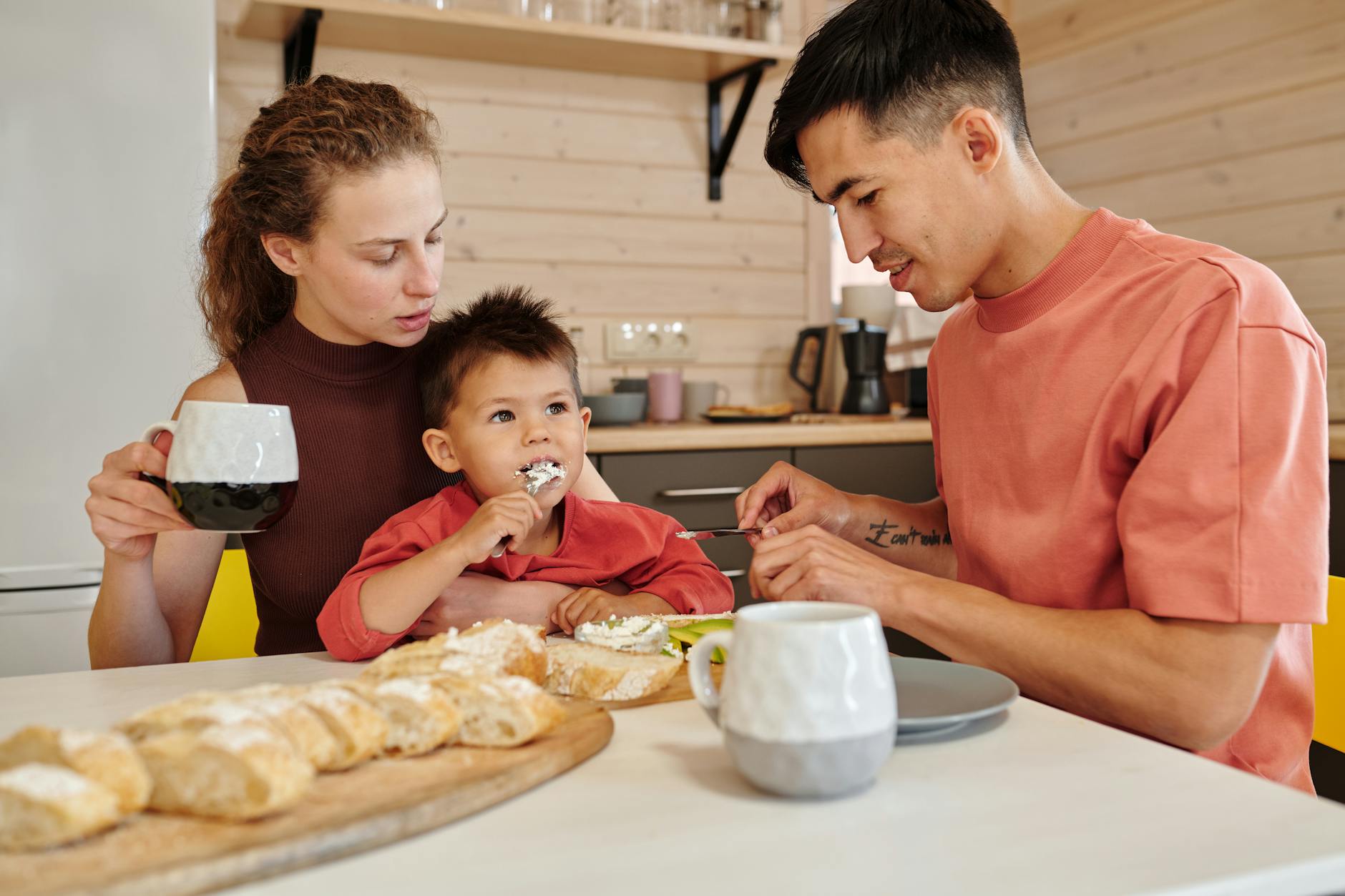
Life happens. Sickness strikes, unexpected visitors arrive, or sometimes, a child just has a "off" day. This is where the "flexibility" part of family routines with kids comes in. A rigid routine is brittle; a flexible one bends and adapts.
The "Good Enough" Routine
Don't aim for perfection. Aim for "good enough." If one day the bedtime story is shorter or the tidying up is less thorough, that's okay. The overall pattern is what matters. Forcing a routine when it's clearly not working will only create more stress for everyone. I'll be real with you, I used to think every single step had to be perfect. That led to so much frustration!
Re-evaluating and Adjusting
Periodically, perhaps monthly or quarterly, take a moment to re-evaluate your routines. Are they still serving their purpose? Are they creating more work than they save? This is a great time to revisit your family meetings and discuss what's working and what isn't. Sometimes, a routine that worked wonderfully for a 5-year-old might need a complete overhaul when they turn 7.
Incorporating Spontaneity
Routines provide the structure, but spontaneity provides the joy. Schedule in "free choice" time or "adventure days" where the usual rules can be bent. This keeps things from feeling monotonous. Think about how you can weave in seasonal family activities that are fun and unexpected, like a spontaneous picnic in the park on a sunny afternoon.
Creating Lasting Habits: Beyond Just Daily Schedules
Ultimately, the goal of implementing family routines with kids is to foster healthy habits that last a lifetime. These aren't just about getting through the day; they're about building character, responsibility, and a strong family connection.
The Power of Consistency
Consistency is king when it comes to establishing routines. Even when it’s tough, sticking to the general framework helps children internalize the patterns. This consistency is what transforms a daily task into a deeply ingrained habit. It’s the bedrock of effective parenting tips for routines.
Teaching Life Skills Through Routines
From meal prep to tidying up, routines are a fantastic way to teach essential life skills. When kids are involved in managing household chores with kids, they learn about contributing to a shared living space. They learn about time management, organization, and the satisfaction of completing a task. These are skills that will serve them well long after they leave your home. Consider how activities like Preschool Social Skills: Outdoor Activities to Boost Them can be integrated into a weekly routine, fostering cooperation and communication.
The Long-Term Impact
The predictability and structure offered by well-designed family routines with kids contribute to improved academic performance, better social skills, and enhanced emotional well-being. The data supports this. As noted by Psychology Today research on family routines with kids, consistent routines are linked to positive outcomes across multiple domains of child development. It’s an investment in their future, and honestly, in your own peace of mind, too.
So, take a deep breath. Start small. Pick one routine to focus on this week. Maybe it's a smoother morning, a more organized after-school hour, or a peaceful bedtime. Remember, it’s a journey, not a destination. And the most important ingredient? Your consistent, loving presence, guiding them through the rhythm of life together.