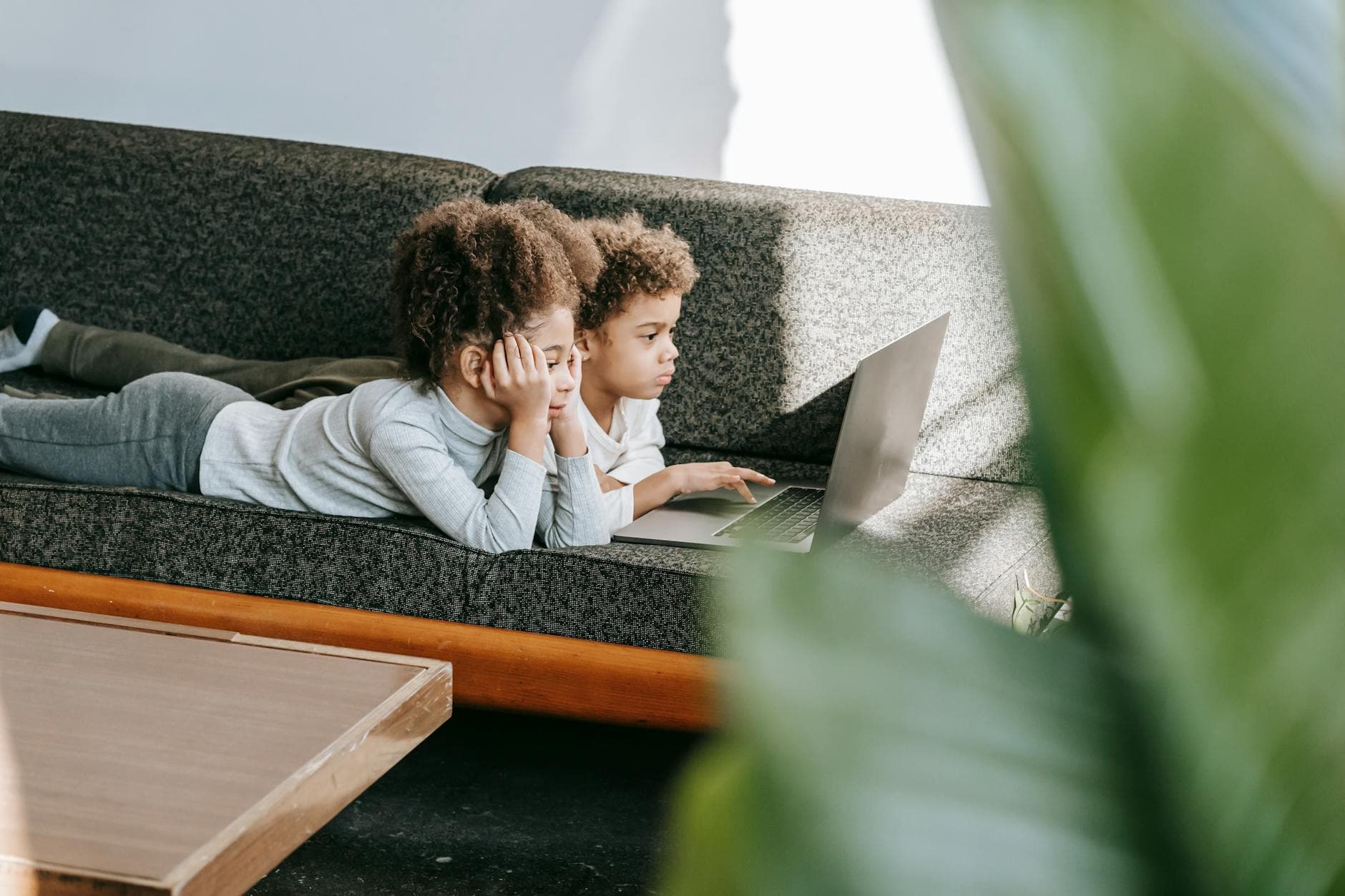
Sibling Rivalry: My Biggest Parenting Oopsie
Honestly, I used to think sibling rivalry was just… a thing. Like gravity or Mondays. You just endured it, maybe threw a few well-timed distractions their way, and hoped for the best. I got it wrong. I thought my job was to be the referee, constantly stepping in to stop the squabbles, mete out punishments, and declare winners and losers. It was exhausting, and frankly, it didn't work. The fighting just morphed, became sneakier. It took me years to realize that my approach was actually fueling the fire. The real magic happens when you shift from referee to coach, equipping your kids with the skills they need to navigate their own conflicts. So, if you're drowning in a sea of "he hit me!" and "she looked at me!", know that there are genuinely effective sibling rivalry tips out there, and you're not alone in this.
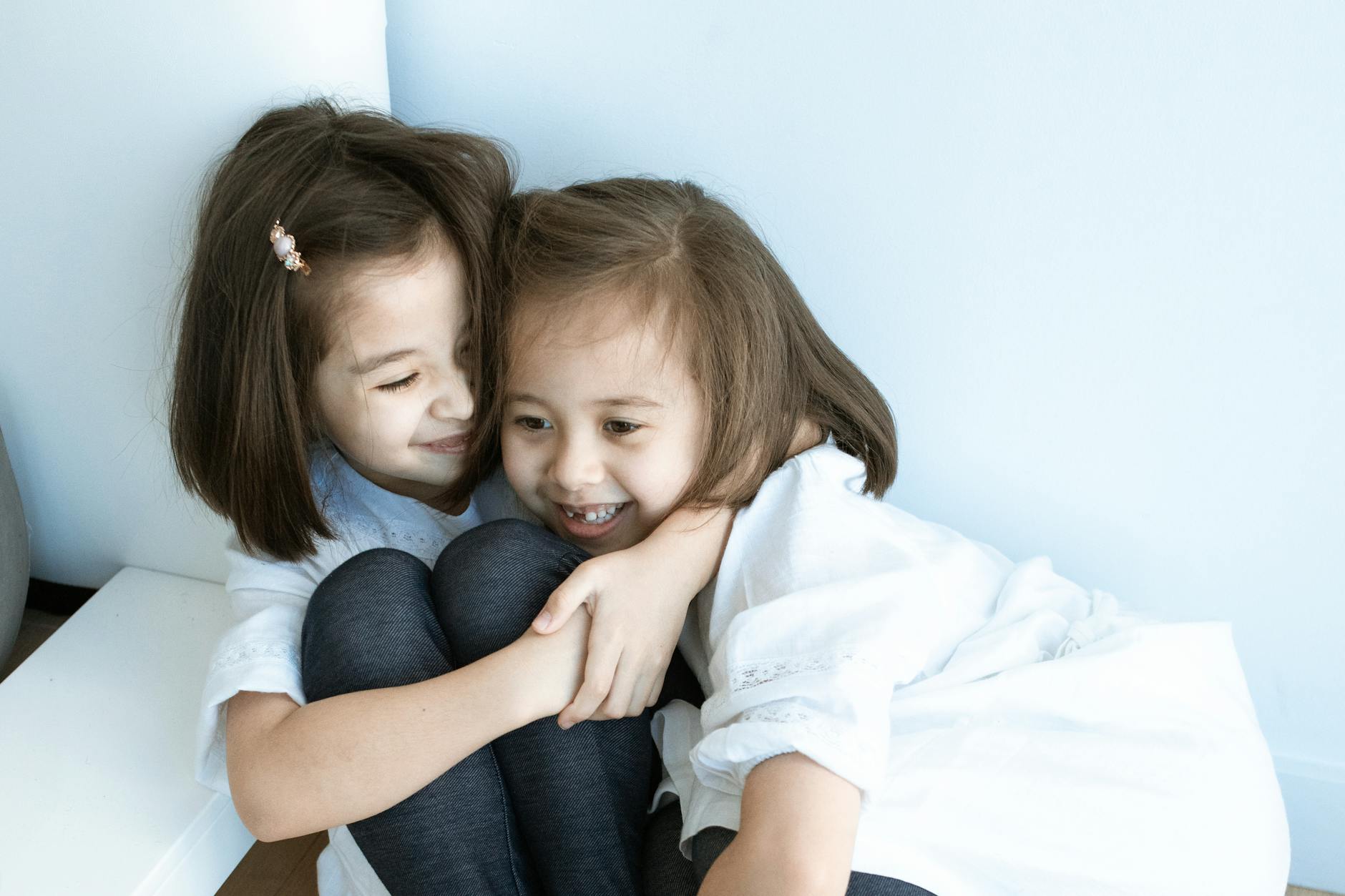
Understanding the Roots of Sibling Squabbles
It's easy to get caught up in the immediate chaos of sibling fighting, but taking a step back to understand *why* it’s happening is crucial. It's rarely about one child being inherently "bad" and the other a saint.
The Developmental Dance
Toddlers and Sharing Woes
Think about toddlers. Their world is very "mine!" and "me!". Sharing is a concept they're just beginning to grasp, and even then, it's a monumental effort. When a younger sibling enters the picture, the older one might feel their world is shrinking, their needs overlooked. This can manifest as possessiveness or outright aggression. This is why understanding Toddler Playdate Skills: Spring Etiquette for Little Ones is so important; those early lessons in negotiation and turn-taking, even in a play setting, lay groundwork.
Preschoolers and Identity
Preschoolers are developing their sense of self, and often, siblings become a mirror or a foil. They might compete for attention, for parental approval, or even for the same toys. Their developing communication skills mean arguments can escalate quickly from a disagreement to a full-blown meltdown.
Competition for Resources
Attention is Gold
This is huge. Every child, at every age, needs to feel seen and valued by their parents. When one child perceives the other is getting more attention, it breeds resentment. This can be positive attention, like praise for a good report card, or negative attention, like scolding for misbehavior. Sometimes, kids will even act out to get *any* attention, even if it's negative.
Territory and Toys
Possessions and personal space are also big battlegrounds. Older siblings might feel their privacy is invaded by a younger, more boisterous sibling. Younger siblings might covet the "cooler" toys their older sibling has. This is a normal part of childhood dynamics, but it needs guidance.
Effective Sibling Rivalry Tips: Shifting Your Parenting Gear
Okay, so we know *why* it happens. Now, let's talk about what you can actually *do*. My biggest revelation was moving away from reactive parenting and towards proactive skill-building.
Fostering Individual Identity
Celebrate Uniqueness
Make a conscious effort to see and celebrate each child for who they are, not just as "the older one" or "the younger one." What are their unique strengths, interests, and quirks? Spend one-on-one time with each child, focusing on their individual passions. This helps them feel secure in their own identity and less reliant on comparing themselves to their sibling.
Private Time for Each Child
This is non-negotiable. Even if it's just 15 minutes a day, carve out dedicated, uninterrupted time with each child. Let them choose the activity. This isn't about lavish outings; it's about showing them they are a priority. This can be anything from reading a book together to playing a quick game of cards.
Encouraging Cooperation, Not Competition
Teamwork Makes the Dream Work
Frame activities as opportunities for them to work together. Can they help set the table? Can they work on a puzzle together? Can they help prepare ingredients for a meal? When they succeed as a team, acknowledge their collective effort. This builds positive associations with working with their sibling.
Shared Responsibilities
Assign chores or tasks that require them to collaborate. For instance, maybe they both need to tidy up a shared play area. When they have a common goal, they're more likely to set aside their differences to achieve it. This is a core part of Family Routines with Kids: Springtime Tips; establishing shared responsibilities within a routine makes life smoother for everyone.
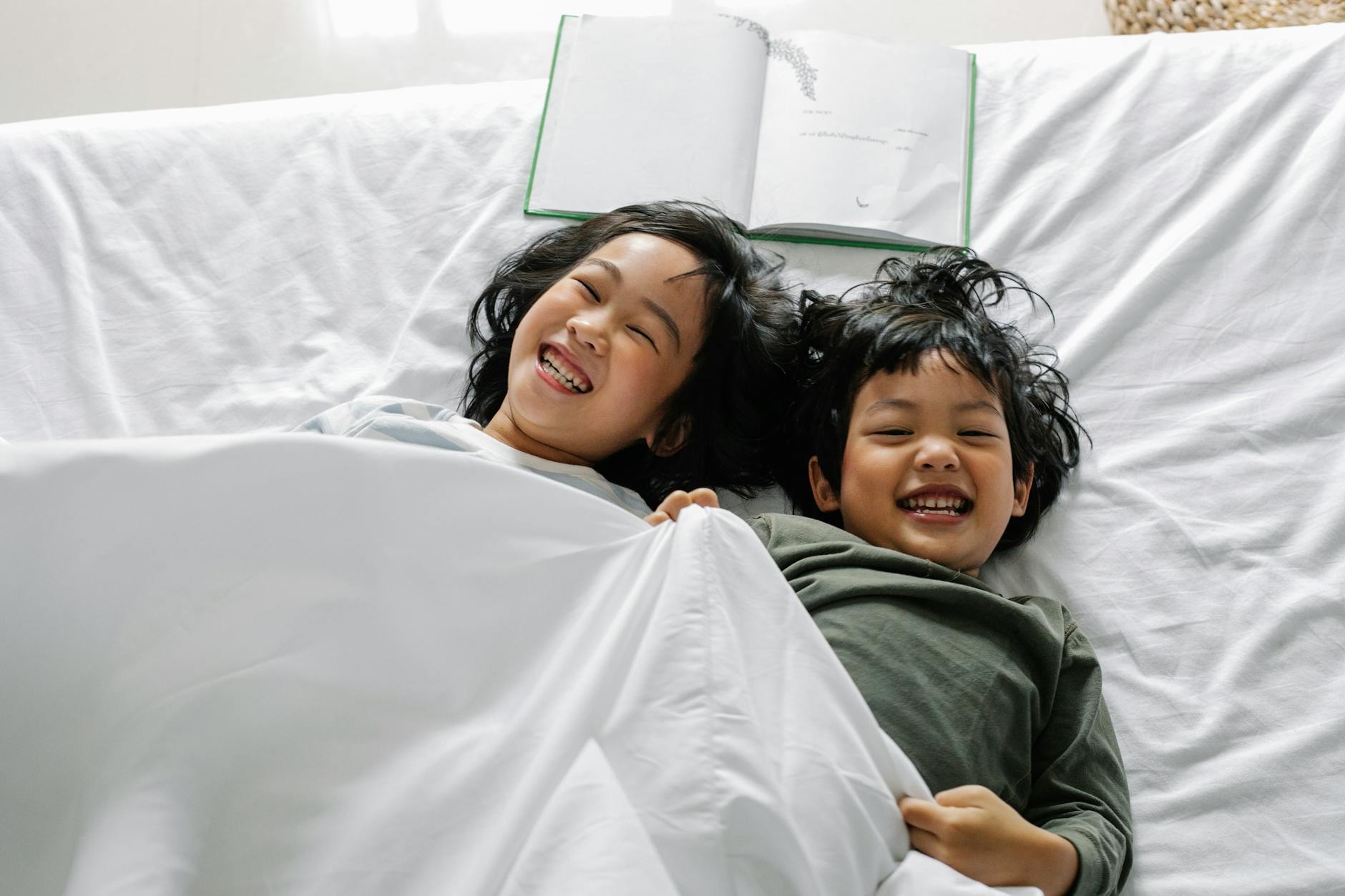
Managing Sibling Rivalry: The Art of Intervention
When the inevitable conflict arises, your response makes a huge difference. It's about teaching them how to navigate, not just stopping the immediate fight.
When to Step In and When to Let Them Be
The "Watch and Wait" Strategy
Honestly, you don't need to intervene in every single disagreement. Sometimes, kids need to work through minor conflicts themselves. Observe from a distance. Are they just arguing over a toy, or is it escalating into physical aggression or name-calling? If it's minor, let them try to resolve it.
Recognizing Escalation Points
Know your children's triggers. If you see a situation brewing, like two kids reaching for the same coveted toy, you might step in *before* it explodes. This isn't about solving it for them, but gently redirecting or offering a solution. For example, "I see you both want the blue car. How about one of you plays with it for five minutes while the other finds a different car, and then you can swap?"
Teaching Conflict Resolution Skills
The "I Feel" Statement Workshop
This is gold. Teach your children how to express their feelings without attacking the other person. Instead of "You're being mean!", teach them "I feel sad when you take my toy without asking." Practice this yourself, using "I feel" statements when you're frustrated.
Brainstorming Solutions Together
When a conflict does arise, and you've stepped in, don't just dictate a solution. Ask them: "What do you think would be a fair way to solve this?" Guide them to brainstorm options. This empowers them and teaches them that they have agency in resolving issues. This is a key part of Healthline research on sibling rivalry tips, which often emphasizes teaching coping mechanisms.
Modeling Calm Communication
How do you handle disagreements with your partner or friends? Your children are watching. If you yell and storm off, they'll learn to do the same. Model respectful communication, even when you're upset. Take deep breaths, state your needs clearly, and listen to the other person's perspective.
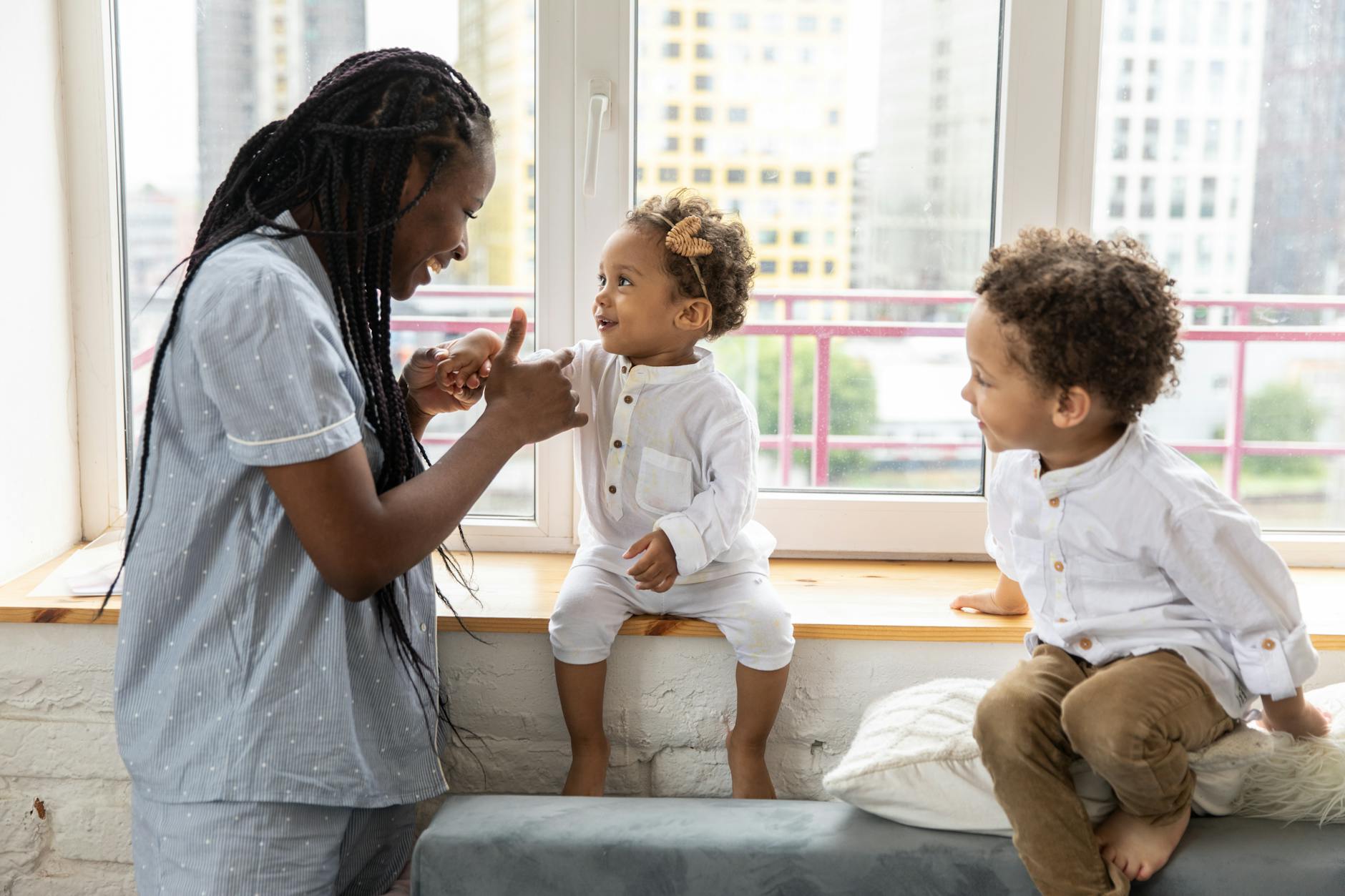
The Unexpected Angle: Sibling Rivalry as a Growth Opportunity
Here's the thing that surprised me the most: sibling rivalry, while challenging, is actually one of the most incredible opportunities for growth your children will have. It's a real-world training ground for social skills.
Developing Empathy and Perspective-Taking
Walking in Their Shoes
When siblings learn to understand each other's feelings and viewpoints, they develop empathy. This often happens naturally through repeated interactions, especially when guided by parents. Hearing "I feel hurt when you say that" from a sibling is often more impactful than hearing it from an adult.
Negotiation and Compromise Practice
Life is full of negotiations. From deciding where to eat dinner to workplace politics, the ability to compromise is essential. Sibling relationships are a constant, low-stakes environment to practice these skills. They learn that sometimes you get your way, sometimes they do, and often, you meet somewhere in the middle. Research from organizations like the National Alliance on Mental Illness research on sibling rivalry tips highlights the long-term benefits of strong sibling bonds built on understanding.
Building Resilience and Independence
Learning to Bounce Back
Not every interaction with a sibling will be positive. Children learn to navigate disappointment, frustration, and even mild betrayal. This builds resilience, the ability to bounce back from setbacks. They learn that the world isn't always fair, but they can still cope.
Problem-Solving Without Constant Adult Help
When you step back and allow them to resolve minor conflicts, you're fostering independence. They learn to trust their own judgment and develop problem-solving muscles. This is invaluable as they grow and face more complex challenges outside the home. The National Institutes of Health research on sibling rivalry tips often points to the development of self-efficacy as a key outcome.
Practical Sibling Rivalry Strategies for Daily Life
Let's get down to the nitty-gritty. These are some concrete sibling rivalry strategies that have made a tangible difference in our home.
Creating a Positive Family Environment
Family Fun Nights
Dedicate time for family activities that everyone enjoys. Board games, movie nights, or even just cooking together can create positive memories and strengthen bonds. Make sure these are truly fun, not a chore disguised as an activity.
Positive Reinforcement
Catch them being good, especially when they're interacting positively with their sibling. Acknowledge and praise specific behaviors: "I love how you shared your crayons with Leo without being asked," or "It was so kind of you to help Maya clean up that mess."
Setting Clear Boundaries and Expectations
No-Go Zones for Behavior
There are certain behaviors that are simply not acceptable, like hitting, biting, or constant name-calling. Clearly define these boundaries and the consequences for crossing them. Consistency is key here.
Fairness vs. Sameness
Understand that fairness doesn't always mean giving each child the exact same thing. It means giving them what they *need*. An older child might need more independence, while a younger child might need more supervision. Explain this difference to them.
The Power of Routine
Establishing clear daily routines can reduce a lot of friction. Knowing what to expect – when it's time to wake up, eat, play, and wind down – can minimize power struggles and create a sense of predictability. This is where Family Routines with Kids: Springtime Tips can be a lifesaver.
When to Seek Outside Help
Most sibling rivalry is normal. However, there are times when it signals something deeper.
Signs Your Sibling Rivalry Might Need Extra Support
Constant, Intense Fighting
If the fighting is relentless, physically violent, or emotionally damaging on a daily basis, it's worth exploring further. This isn't just occasional squabbling; it's a pervasive atmosphere of hostility.
Significant Behavioral Changes
Are your children experiencing significant changes in mood, sleep, appetite, or school performance? These can be indicators that the sibling dynamic is causing undue stress.
One Child is Constantly Bullied or Terrified
If one child consistently lives in fear of their sibling, or is regularly subjected to bullying, this is not healthy rivalry. It's a sign of an imbalance of power that needs addressing.
Professional Support Options
Family Counseling
A family therapist can help identify the underlying issues and provide tools for better communication and conflict resolution for the whole family.
Individual Therapy for Children
Sometimes, one or both children may benefit from individual therapy to process their feelings and develop coping strategies.
Sibling rivalry can feel like a constant battle, but by shifting your perspective and focusing on equipping your children with essential life skills, you can transform those conflicts into opportunities for growth. It's a journey, not a destination, and every small step you take towards fostering understanding and cooperation makes a world of difference.