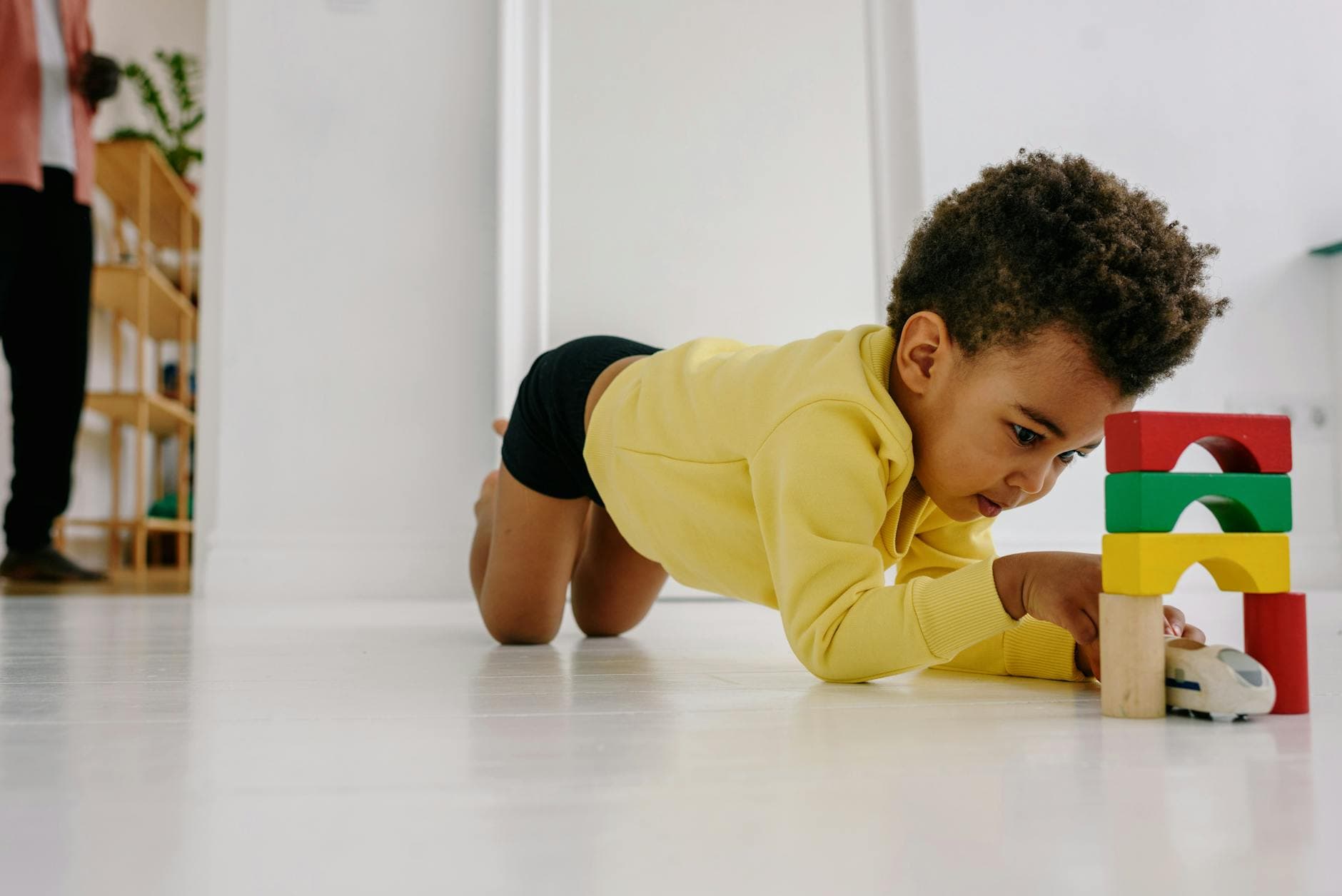
What if I told you that those sometimes chaotic, often sticky, and occasionally tear-filled toddler gatherings are actually miniature marvels of early childhood development? What if those moments of tentative toy-sharing (or outright toy-guarding!) are laying the groundwork for friendships that could last a lifetime? It’s a thought that sparks a certain kind of joy, isn't it? Because when we talk about toddler playdate skills, we're not just talking about surviving an afternoon with another family. We're talking about cultivating empathy, negotiation, and the very foundations of social intelligence. It’s utterly fascinating!
The Unfolding Magic of Toddler Playdate Skills
Why Playdates Matter More Than You Think
Honestly, I used to think playdates were just a way to keep my little one occupied. A free babysitting service, almost. But the more I observed, the more I witnessed these incredible, messy, and deeply human interactions unfold. It's during these seemingly simple encounters that toddlers begin to grasp the complex dance of human connection. They learn that their actions have consequences, that others have feelings, and that sometimes, the best way to play is together.
This isn't just my anecdotal experience, either. The early years are a critical window for early childhood social development. Research consistently shows that positive social interactions during toddlerhood set the stage for later emotional well-being and academic success. Think about it: learning to take turns with a coveted red truck or offering a comforting pat to a sad friend are monumental achievements in a two-year-old's world.
Navigating the Toddler Social Scene
So, what exactly are these crucial toddler playdate skills? They're a blend of innate capabilities and learned behaviors. We're talking about the ability to initiate interaction, to understand and respond to cues from peers, and yes, to manage those inevitable bumps in the road. These skills don't appear out of thin air; they are nurtured, modeled, and practiced. And that’s where we, as parents, come in.
It’s about fostering an environment where these skills can blossom. It’s about understanding that a toddler playdate isn't always going to be smooth sailing. There will be moments of conflict, moments of shyness, and moments of pure, unadulterated joy. Embracing the full spectrum of this experience is key to helping our children develop robust toddler friendship skills.
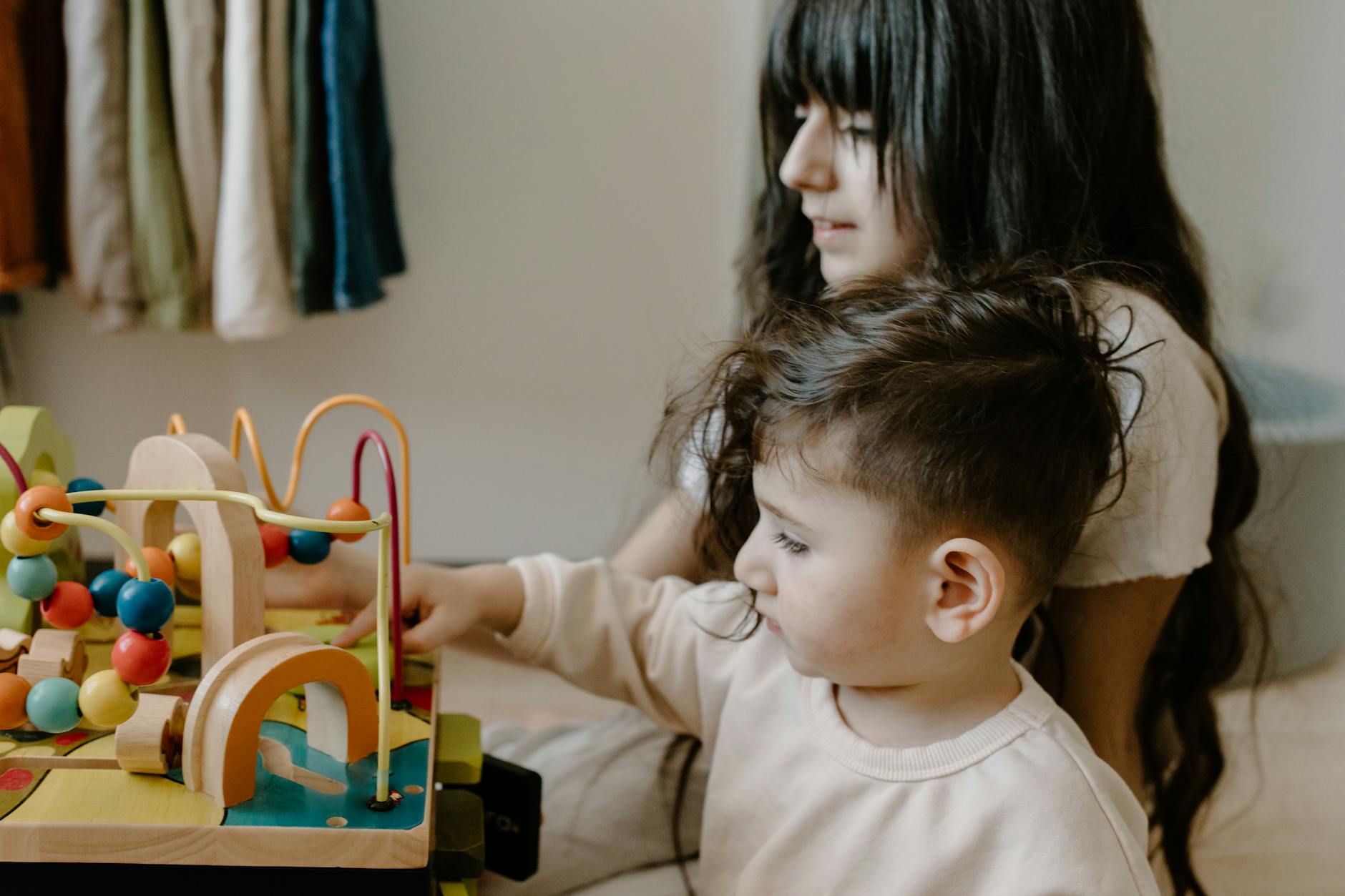
Decoding Toddler Playdate Etiquette
The Art of Sharing (and Not Sharing)
Ah, sharing. The word that strikes fear into the hearts of many parents. How do you teach toddler sharing toys without turning into a constant mediator? Here's the truth: toddlers are inherently egocentric. It's not defiance; it's development! Their sense of ownership is strong, and the concept of "yours" and "mine" is still being solidified. So, expecting perfect sharing from the get-go is unrealistic.
Instead, focus on introducing the *idea* of sharing. You can do this by modeling. "I'm going to share my apple slices with you, Daddy," or "Mommy is going to share her book with you." During a playdate, instead of forcing a toy exchange, try facilitating it. "Leo, Sarah really likes your blue car. Maybe you could let her have a turn when you’re finished?" This frames it as a choice and a temporary arrangement, which is much more palatable for a toddler.
Teaching toddler sharing is a marathon, not a sprint. Celebrate small victories, like a child offering a toy without prompting, or even just tolerating another child playing with their favorite item. The Gottman Institute research on toddler playdate skills often highlights the importance of scaffolding these early social interactions.
Navigating Friendships and Feelings
Beyond toys, playdates are a crucial arena for learning about friendships. This involves understanding that friends can have different ideas about how to play. One child might want to build a tower, while another wants to knock it down. This is where playdate behavior becomes a fascinating study in negotiation and compromise, even at this young age.
We can help by labeling emotions. "You look sad because Leo took the truck. It's okay to feel sad." Or, "You're so happy that Maya wants to play with you!" This emotional literacy is a cornerstone of strong social skills. It helps children understand themselves and others better, which is fundamental for developing healthy relationships. This is a key aspect of preschool social skills that begin to form here.
The Host and Guest Dynamic
Even at this early stage, there are subtle nuances of playdate etiquette toddlers can begin to absorb. For the host, it's about offering a few special toys but also having some "group" toys that are less precious. For the guest, it's about respecting the host's space and belongings. You can set the stage for this by having a brief chat before the playdate: "We're going to Emma's house today. Remember, we use our walking feet inside, and we ask before we touch someone else's toys."
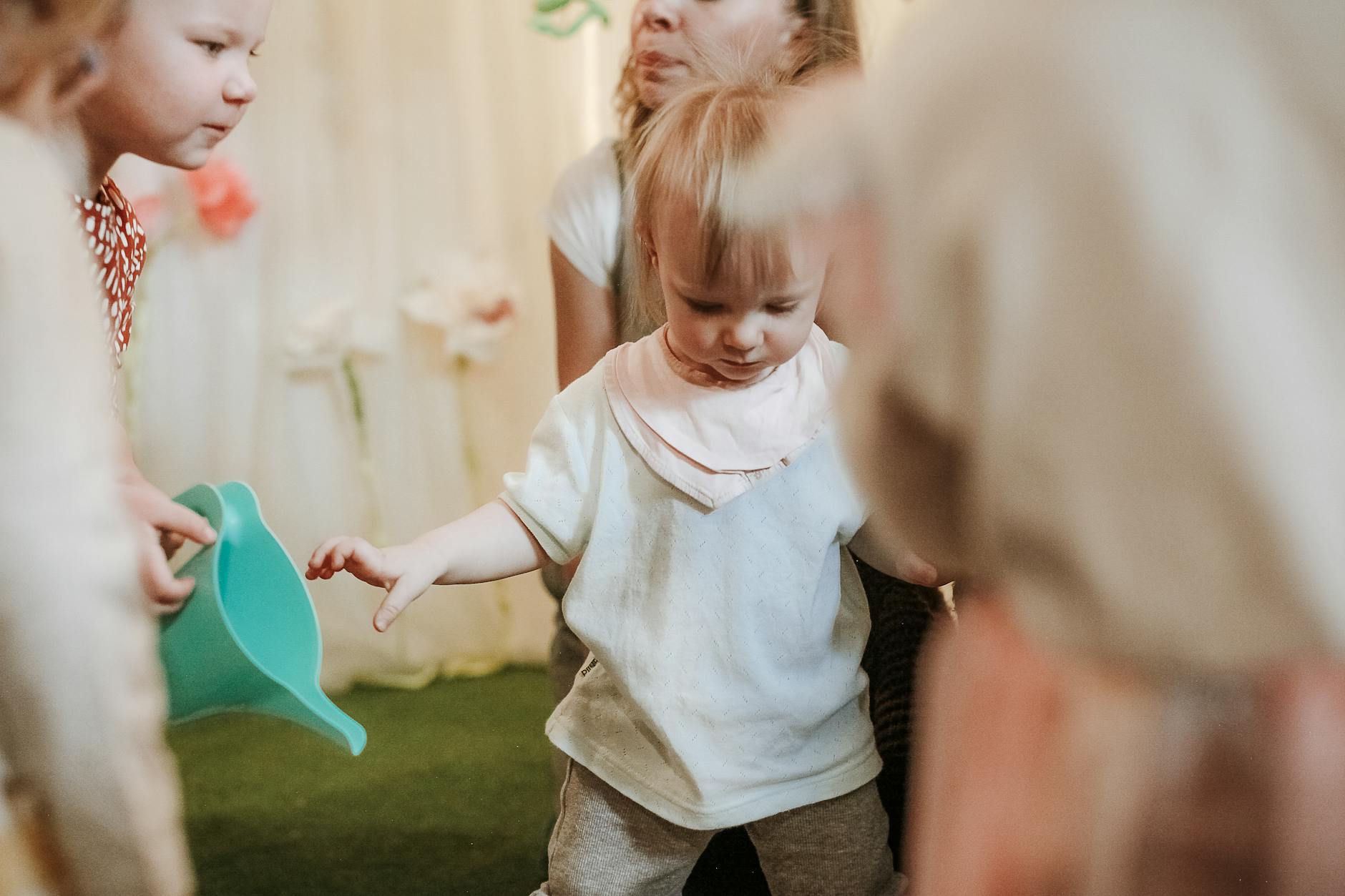
Mastering the Art of the Toddler Playdate
Setting the Stage for Success
Here's the thing about toddler playdates: preparation is key, but flexibility is paramount. Before the playdate, consider the number of children. For younger toddlers, one-on-one playdates are often much easier to manage than larger groups. Think about the environment, too. Is it safe? Are there enough engaging toys to go around, or at least enough variety to spark different interests?
When you're planning your spring playdates, consider outdoor spaces. Fresh air can work wonders for regulating energy levels and reducing potential conflicts. You might find that a park setting provides more room for exploration and less pressure on specific toys, aligning with ideas for Toddler Outdoor Independence: Fun Spring Play Ideas. Offering opportunities for Toddler Independence Activities for Spring Exploration can also make a huge difference.
The Role of the Adult: Scaffolding, Not Controlling
This is what nobody tells you about parenting playdates: you are not just an attendee; you are an architect of the social experience. Your job is to be present, observant, and ready to step in *only* when necessary. Resist the urge to jump in at the first sign of a squabble. Often, toddlers can resolve minor conflicts themselves, which is a valuable learning experience.
When intervention is needed, keep it brief and focused on teaching. "Let's take a deep breath. What can we do to solve this problem?" Prompting them to find solutions, rather than dictating them, builds problem-solving skills. This guidance is crucial for developing strong social skills for toddlers. Healthline research on toddler playdate skills often emphasizes the importance of adult presence without over-involvement.
Managing Meltdowns and Moving On
Managing toddler tantrums during a playdate is a reality. It’s not a reflection of your parenting failure, but a sign that your child is overwhelmed or has reached their limit. Have a plan for what to do. Sometimes, a brief cool-down period in a separate, quiet space can help. Sometimes, it means ending the playdate a little early.
The goal isn't to prevent all negative emotions, but to help children learn to cope with them. When a tantrum subsides, revisit the situation gently. "That was a tough moment. We can try again later when we're feeling calm." This teaches resilience and emotional regulation, essential components of toddler playdate skills.
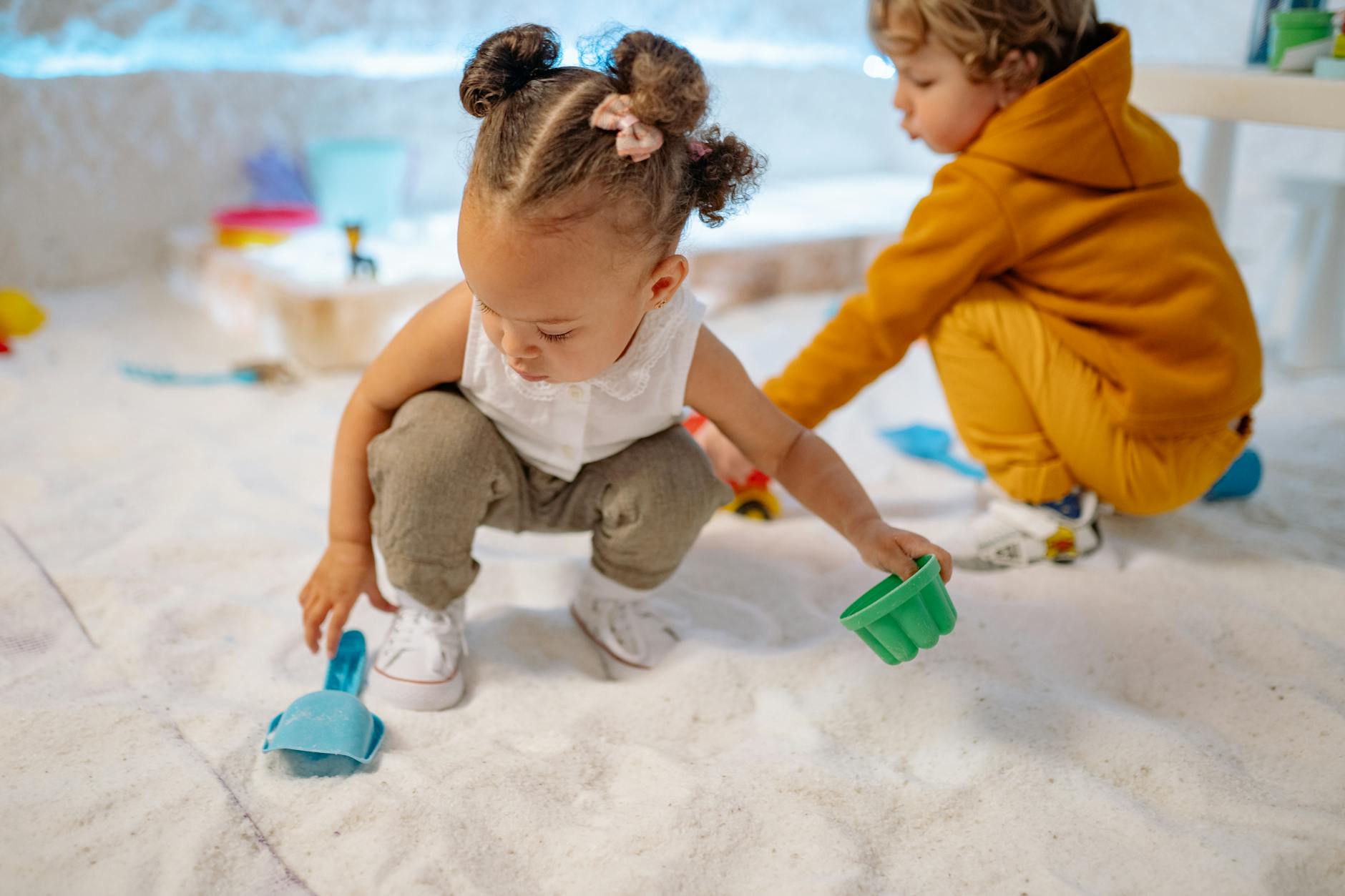
Beyond the Playdate: Lasting Social Skills
Building Bridges to Friendship
Every successful (and even challenging!) playdate contributes to a child's developing understanding of social dynamics. They learn who they enjoy playing with, what kinds of games they like, and how to navigate different personalities. These aren't just fleeting interactions; they're the building blocks of genuine connection.
Think about the long-term impact. Children who have positive experiences with toddler playdate skills are more likely to develop confidence in social situations as they grow. They become more adept at making friends, resolving conflicts, and understanding social cues. This foundation is vital for everything from playground interactions to later schoolyard dynamics. The work you do now in fostering these early playdate etiquette toddlers will pay dividends.
The Parent's Role in Nurturing Growth
As parents, we are the primary models for our children. How we interact with others, how we handle disagreements, and how we show empathy all influence our children's understanding of social behavior. Being mindful of your own interactions during playdates can be incredibly instructive. Psychology Today research on toddler playdate skills often points to parental modeling as a significant factor.
It's also about celebrating progress. Notice when your child shares, when they comfort a friend, or when they invite someone to play. A simple "I saw you share your blocks with Leo, that was very kind!" reinforces the desired behavior more effectively than any lecture. This positive reinforcement is a powerful tool in shaping their toddler friendship skills.
Looking Ahead: The Joy of Connection
So, the next time you’re bracing yourself for a toddler playdate, remember the incredible potential held within those hours. You are not just overseeing playtime; you are facilitating profound learning experiences. You are guiding your child through the intricate, beautiful, and sometimes messy world of human connection. Embrace the chaos, celebrate the small wins, and watch as those nascent toddler playdate skills blossom into the rich tapestry of childhood friendships. It’s a journey worth every sticky hand and every shared giggle.