
What if you could navigate those explosive toddler moments with more calm, more understanding, and maybe even a little bit of grace? Imagine a world where a dropped cookie doesn't automatically trigger a two-hour meltdown, or where sharing a toy doesn't feel like a personal attack. This isn't about making your toddler perfectly behaved (let's be real, that's not happening!). It's about fostering their ability to handle big feelings, which is the heart of **toddler emotional regulation**.
It’s easy to feel overwhelmed when your little one is in the throes of a tantrum. You're probably thinking, "How do I even begin to help them with this?" I get it. I've been there, standing in the grocery store aisle, wondering if I should just abandon the cart and run. But here’s the thing: this stage, while challenging, is absolutely foundational for their future well-being. It’s where they start building the incredible toolkit of **toddler coping skills**.
The Toddler Brain: A Work in Progress
Think about it. A toddler's brain is still incredibly underdeveloped, especially the prefrontal cortex, the part responsible for impulse control and rational thought. They are literally wired to feel things intensely and react immediately.
Why They Feel So Much
Little ones experience the world with a raw, unfiltered intensity. A scraped knee isn't just a physical pain; it can be a full-blown emotional crisis. Their capacity to process and manage these big emotions is like a tiny seedling trying to grow in a hurricane.
The Role of the Amygdala
The amygdala, the brain's "fight or flight" center, is fully operational in toddlers. It's constantly scanning for threats and reacting. The logical part of their brain, which could say, "Hey, it's okay, Mom will fix it," isn't quite up to speed yet. This is why understanding the biology behind **toddler emotional regulation** is so crucial.

Navigating the Winter Blues and Toddler Tantrums
Winter can be a particularly tricky time for **parenting toddlers winter**. Shorter days, less outdoor play, and a general sense of being cooped up can amplify frustration. This is where **winter toddler tantrums** can really ramp up.
The Impact of Seasonal Changes
When the weather keeps us indoors, opportunities for natural energy release diminish. This can lead to a buildup of pent-up energy and emotions. It's not just about the cold; it's about the shift in routine and environment.
Recognizing the Signs
Before a full-blown meltdown, you might notice earlier signs: increased clinginess, fussiness, difficulty settling down, or a shorter fuse. Being attuned to these subtle cues can help you intervene before things escalate. This is part of developing your own **toddler behavior management** strategies.
Helping Your Toddler Manage Anger and Frustration
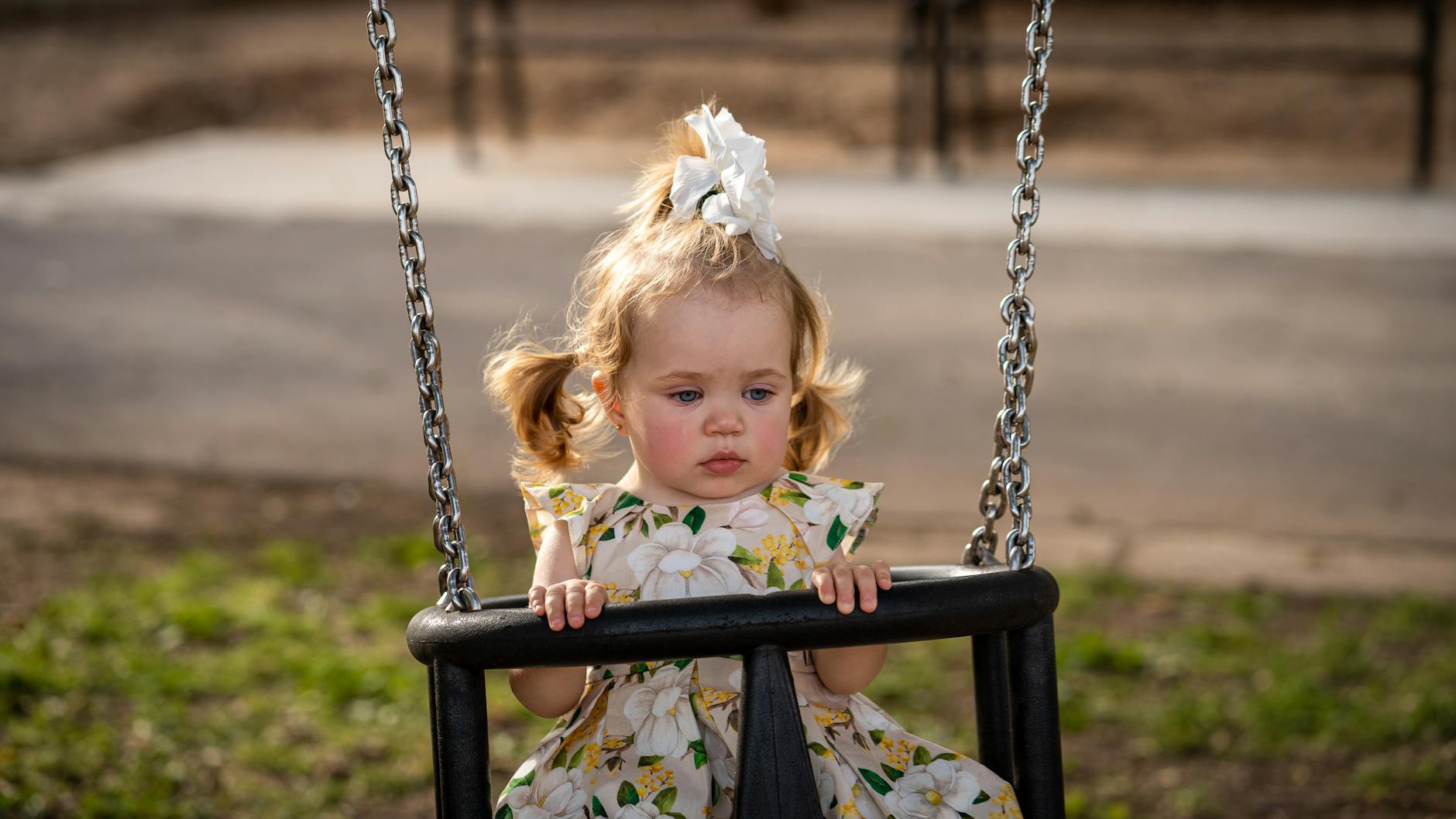
It's natural to want to shield your child from negative emotions, but that’s not how emotional development works. Our job isn't to prevent anger or frustration, but to teach them how to navigate it. This is the essence of **help toddler manage anger**.
It's Okay to Be Angry
The first step is validating their feelings. Instead of saying, "Don't be mad," try, "I see you're really angry right now because your tower fell down." This shows them you understand and accept their emotion, which is incredibly powerful.
Teaching Them What to Do
Once their feelings are acknowledged, you can gently introduce coping mechanisms. This might be taking deep breaths together, squeezing a soft toy, or even just having a good stomp of their feet. These are the building blocks of **teaching self-control toddlers**.
Concrete Example: The Lego Tower Incident
Let's say your toddler spent twenty minutes building a magnificent Lego tower, only for it to tumble down. Their face crumples, and the wails begin. Instead of immediately trying to rebuild it or scolding them for being upset, you could say, "Oh no, your amazing tower fell! That must feel so frustrating. You worked so hard on it." Then, when they've calmed a little, you might suggest, "When you feel that big frustration, we can take three big dragon breaths together. Or we can stomp our feet like a dinosaur. What do you think?" This approach helps them connect the feeling with a strategy, a vital part of **early childhood emotional skills**.

Building Toddler Coping Skills: Strategies That Work
Developing **toddler coping skills** is a marathon, not a sprint. It requires patience, consistency, and a whole lot of empathy.
The Power of Modeling
Children learn by watching us. When you're feeling stressed or frustrated, how do you handle it? Do you yell at the traffic? Do you sigh dramatically? Or do you take a deep breath, maybe put on some music, and find a constructive way to deal with it? Your own **emotional development toddlers** are mirroring.
Creating a Safe Space for Feelings
Your home should be a place where all emotions are welcome, even the messy ones. This doesn't mean letting your toddler run wild, but it means creating an environment where they feel safe to express themselves without judgment. This is where **parental emotional support for spring growth spurts** becomes a year-round necessity.
Introducing Calming Strategies
Think of these as their personal "chill-out" tools.
- Deep Breathing: Practice blowing out pretend candles or making "bubbles" with their breath.
- Sensory Play: Play-Doh, water tables, or sensory bins can be incredibly grounding.
- Movement: Dancing, jumping on a mini-trampoline, or going for a brisk walk can release tension.
- Quiet Time: Sometimes, just a few minutes of quiet reading or looking at books can help reset their system.
These are all effective **calming strategies for toddlers**.
Managing Toddler Meltdowns: It’s Not About Control, It’s About Connection
When a meltdown hits, it feels like all your well-laid plans go out the window. The key to **managing toddler meltdowns** isn't to stop them in their tracks, but to help your child through them.
Stay Calm (As Much As Possible!)
This is the hardest part, I know. But your calm presence is a lifeline for your dysregulated child. If you're spiraling, they will too. Take a deep breath yourself, even if it's just a silent one.
Validate, Validate, Validate
Even if the reason for the meltdown seems trivial to you, it's huge to them. "I know you're really upset that we have to leave the park. It's so fun here." This simple act of validation can often diffuse the intensity.
Offer Choices When Possible
Once the storm has passed, or even during a lull, offering a small choice can help them regain a sense of control. "Do you want to walk to the car holding my hand, or do you want me to carry you?"
Fostering Toddler Frustration Tolerance
Building **toddler frustration tolerance** is a gradual process. It means allowing them to experience minor setbacks and helping them work through them.
The "Just Right" Challenge
Don't always jump in to solve every problem. Sometimes, a slightly challenging puzzle or a toy that requires a bit of effort is exactly what they need. Let them struggle for a moment before offering gentle guidance. This is where **early childhood emotional skills** really start to solidify.
Breaking Down Tasks
For more complex activities, break them down into smaller, manageable steps. This makes the overall task feel less daunting and increases their chances of success.
Praise Effort, Not Just Outcome
Celebrate their persistence. "Wow, you kept trying to put that block on, even though it was tricky! That's amazing!" This reinforces the value of effort.
Winter Activities and Emotional Well-being
Don't let the cold weather be an excuse for inactivity. Engaging in **toddler spring activities** can be adapted for winter, and there are plenty of other ways to keep those little bodies and minds busy.
Indoor Movement Fun
Create an indoor obstacle course, have a dance party, or play 'Simon Says.' These activities help burn energy and reduce the likelihood of pent-up frustration. You might even find some inspiration in school closure activities when you need fresh ideas.
Creative Exploration
Painting, drawing, play-doh, and building with blocks are fantastic for emotional expression and focus. They also provide opportunities for problem-solving.
Cozy Connection Time
Reading books together, singing songs, or simply cuddling on the couch fosters connection and security. This quality time is vital for their emotional well-being, especially during the shorter days. Think about the importance of parental emotional support during these times.
The Long Game: Why This Matters
Mastering **toddler emotional regulation** is one of the most important gifts we can give our children. It's the foundation for healthy relationships, resilience in the face of adversity, and overall mental well-being. The work you're doing now, even on the toughest days, is shaping their future capacity to manage stress, navigate challenges, and build a fulfilling life. It’s a journey, and you're doing great. The research from places like Psychology Today research on toddler emotional regulation and The Gottman Institute research on toddler emotional regulation consistently highlights the long-term benefits of these early skills. Remember, every small step you take to guide your toddler through their big feelings is a monumental stride in their development.