
There's a common myth that school breaks are just a free-for-all vacation, a total escape from structure. Honestly, that couldn't be further from the truth. The school break transition, whether it's heading into summer or coming back from it, is a critical period for children's emotional and developmental well-being. It's not just about packing away the textbooks or pulling them out; it's about navigating significant shifts in routine, social interaction, and expectations. And as parents, we're right there in the thick of it, often feeling the whiplash just as much as our kids do.
The Summer Break Transition: More Than Just Sunshine
Summer break is often painted as this idyllic, endless expanse of freedom. But for kids, and for us as parents, it’s a massive shift. The carefully constructed routines of the school year – wake-up times, mealtimes, homework, bedtime – often dissolve. This can be liberating, sure, but it can also breed a sense of aimlessness and, believe it or not, anxiety.
Embracing the Unstructured (with a Plan)
Here's the thing: kids thrive on predictability, even when they fight it. Summer break doesn't have to mean zero structure. It's about finding a new rhythm. Think about establishing some loose anchors for the day. Maybe it's a consistent breakfast time, a block for reading or creative play, and a clear end to screen time. This isn't about rigid scheduling; it's about providing a gentle framework that prevents that feeling of being adrift.
Managing Summer Boredom: A Creative Opportunity
Boredom is often seen as a negative, but I truly believe it's a breeding ground for creativity. When kids are forced to entertain themselves, they tap into resources they might not otherwise access. However, managing summer boredom effectively means offering a variety of options. This could involve art supplies readily available, books stacked by their bed, or even just a designated "boredom jar" filled with simple activity ideas. We don't want them staring blankly at a wall for three months, right?
Summer to School Transition: The Big Re-Entry
As summer wanes, the whispers of "back to school" start to loom. This is where the real work of the school break transition begins. The shift from lazy mornings to early alarms can be jarring. You've probably noticed how much harder it is to get them out of bed in August than it was in June. This is entirely normal, but it requires intentional effort to smooth over.

Easing Back into the School Year Routine
The most effective strategy for a smooth transition back to school is preparation. Don't wait until the night before the first day to start. This is where summer break preparation truly pays off, even if that preparation is done in the last few weeks of summer itself.
The Gradual Clock Shift
My biggest tip here? Start adjusting sleep schedules about a week to ten days before school starts. Even shifting bedtime and wake-up times by 15-30 minutes each day makes a huge difference. It’s a small change, but it prevents that shock to their system on the actual first day. I used to think waiting until the last minute was fine, but I learned quickly that gradual changes are far more effective for child routine changes.
Reconnecting with School-Year Habits
Beyond sleep, think about other school-year habits. If your child has a long commute, start practicing that morning routine. If they pack a lunch, do a few practice runs. It helps to re-establish the muscle memory of what a school day looks and feels like. This also gives you a chance to identify any potential roadblocks before they become major issues.
Open Communication About School Break Transition
Talk about it. Don't shy away from the fact that school is starting again. Ask your child what they're excited about and what they're nervous about. Sometimes, just voicing those feelings can alleviate a lot of the underlying anxiety. For some children, the thought of returning to school can trigger significant child anxiety school break, and open communication is key to addressing it.
Navigating Child Anxiety During Transitions
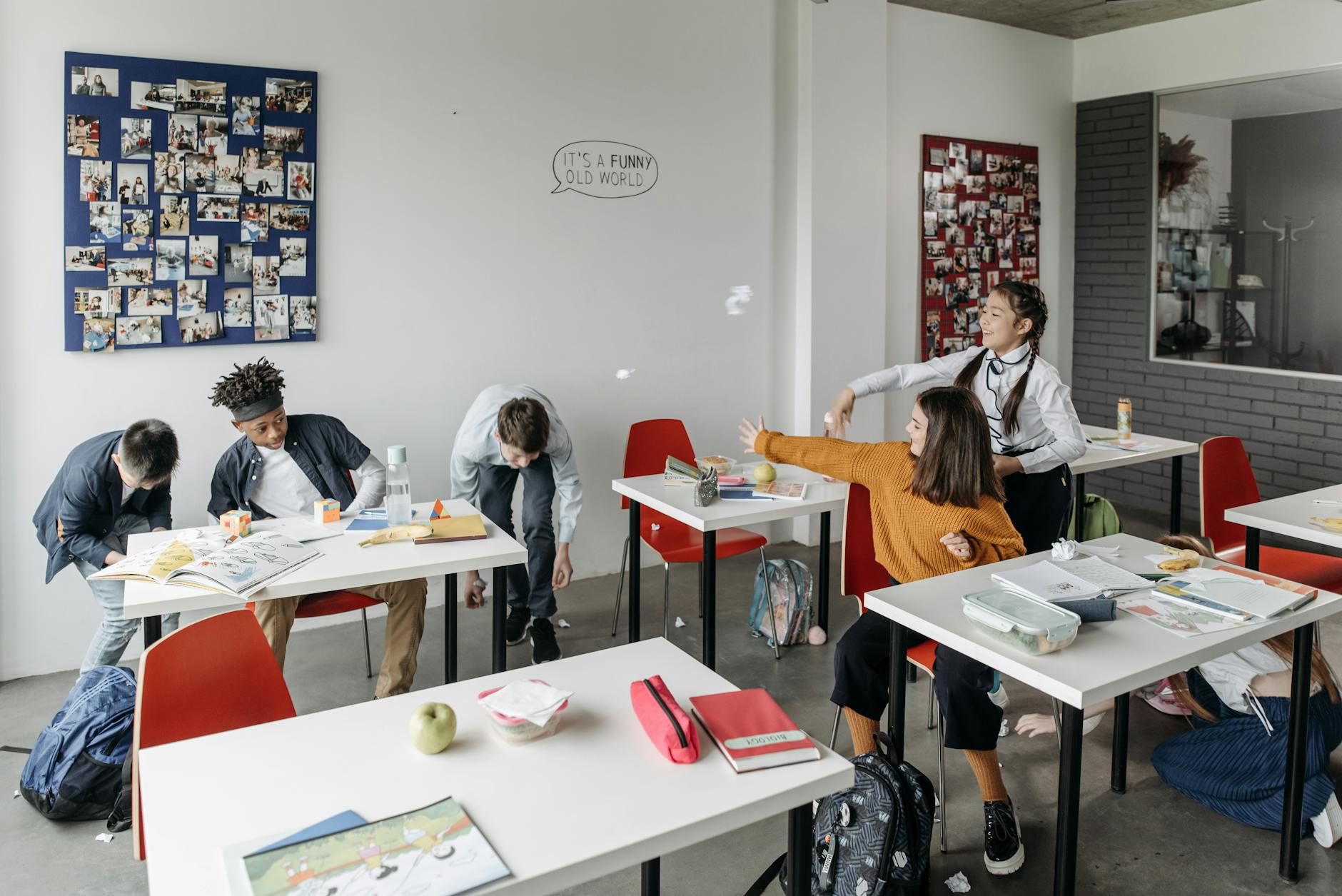
It's easy to underestimate the emotional impact of these shifts. For many children, the school break transition can bring on anxiety. This isn't about them being dramatic; it's a genuine response to change.
Identifying the Signs of Anxiety
What does this anxiety look like? It can manifest as clinginess, irritability, difficulty sleeping, changes in appetite, or even physical complaints like stomachaches. You might see them becoming unusually quiet or withdrawn, or conversely, more argumentative than usual. Recognizing these signals is the first step in helping your child cope.
Strategies for Building Emotional Resilience
Building emotional resilience in children is an ongoing process, not a one-time fix. During transition periods, focus on validating their feelings. Phrases like, "I understand you're feeling nervous about starting school again, and that's okay," can be incredibly powerful. Encourage problem-solving together. If they're worried about a specific aspect of school, brainstorm solutions as a team. This empowers them and reinforces their ability to handle challenges, much like building emotional resilience children face during other seasonal shifts.
Seeking Support When Needed
If your child's anxiety seems overwhelming or persistent, don't hesitate to seek professional help. Therapists specializing in child development can provide invaluable tools and strategies. Sometimes, a little extra support can make all the difference in helping your child navigate these significant life changes. Resources from organizations like the National Alliance on Mental Illness research on school break transition can also offer guidance.

The Role of Family Summer Plans
How we approach parenting summer vacation sets the stage for the entire year. It’s not just about filling time; it's about creating memories and fostering connection, which can act as a buffer during times of change.
Creating Shared Family Experiences
Intentional family time, whether it's a big vacation or just a weekend camping trip, builds a strong sense of security and belonging. These shared experiences create a reservoir of positive memories that children can draw upon when facing new challenges. Even simple things, like dedicated family game nights or cooking together, can reinforce those bonds.
Balancing Structure and Spontaneity
The best family summer plans strike a balance. While some structure is good, allowing for spontaneous adventures and downtime is equally important. This mirrors the ideal approach to child routine changes – providing anchors without stifling freedom. A rigid schedule can feel more stressful than relaxing, especially during a break.
Preparing for the Next Chapter Together
Involve your children in the planning for the end of summer and the return to school. Ask them what they'd like to do in those last few weeks of summer. What are they looking forward to about school? This collaborative approach makes the transition feel less like something happening *to* them and more like something they are actively participating in.
Establishing Routines for Kids: The Foundation for Success
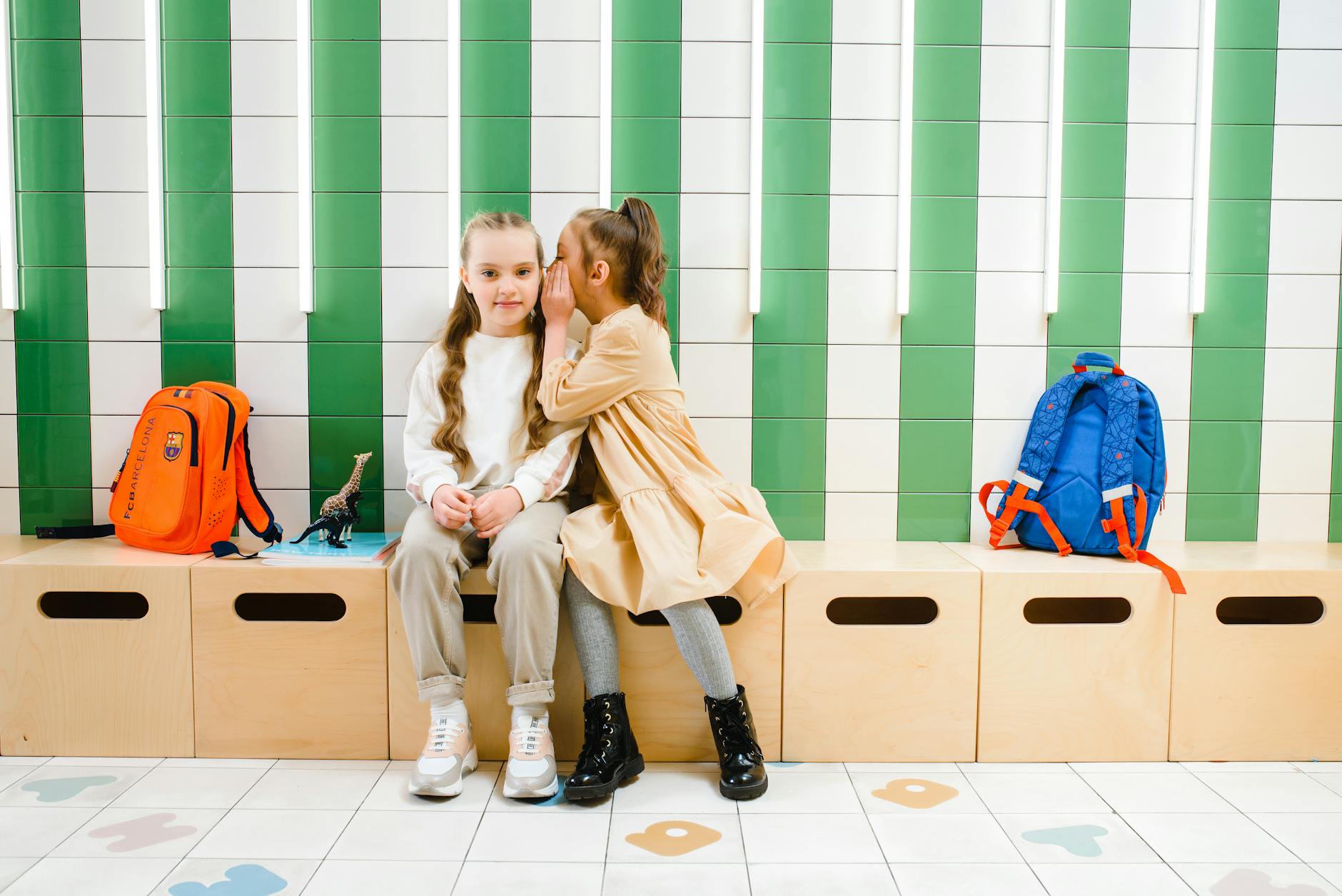
Ultimately, the success of any school break transition hinges on the ability to re-establish routines. This is a foundational aspect of establishing routines for kids that extends far beyond the school year.
The Power of Predictability
Children learn to anticipate what comes next when routines are in place. This predictability reduces uncertainty and fosters a sense of control. Think about how you feel when your own day is thrown into chaos – it's unsettling. Kids experience that too, perhaps even more acutely. Having a clear morning routine, a consistent bedtime, and regular meal times are non-negotiable building blocks.
Flexibility Within Structure
It's important to remember that routines don't have to be rigid. Life happens. There will be sick days, unexpected visitors, and spontaneous outings. The goal is to have a reliable framework that you can return to, not a prison sentence of scheduled activities. A flexible routine allows for adaptability while still providing that essential sense of order.
Consistency is Key
This is where parents often struggle. Consistency is paramount. If bedtime is supposed to be at 8:00 PM, it needs to be at 8:00 PM most nights, not 8:00 PM one night and 10:00 PM the next. This consistency is what helps children internalize the rhythm and build healthy habits. This applies to everything from sleep to screen time limits. For example, setting a clear limit of 1 hour of screen time after homework is completed for the day is more effective than a constantly shifting rule.
Back to School Tips: A Practical Checklist
Getting ready for school after a break requires a thoughtful approach. These back to school tips are designed to make the process as smooth as possible for both you and your child.
Gear Up and Get Organized
The practicalities matter. Ensure school supplies are ready, clothes fit, and backpacks are organized. Going through these items together can be a good way to talk about the upcoming school year. It's a tangible step that signals the end of the break and the beginning of something new.
Reviewing School Expectations
If possible, revisit school rules, expectations, and even the school's website. Reminding your child of the general structure and what's expected can ease apprehension. For younger children, looking at pictures of their classroom or teacher can be very reassuring.
Focus on the Positives
Highlight the exciting aspects of returning to school: seeing friends, learning new things, participating in favorite activities. Frame it as an opportunity for growth and connection. While acknowledging any worries is important, the overall narrative should lean towards the positive potential of the school year. This focus helps build anticipation and reduces the dread associated with change, contributing to overall school year readiness.
Navigating the school break transition is a marathon, not a sprint. It requires patience, understanding, and a willingness to adapt. By focusing on gradual adjustments, open communication, and consistent routines, we can help our children not just survive these shifts, but truly thrive through them. It's about equipping them with the skills to handle change, a lesson that will serve them far beyond the classroom.