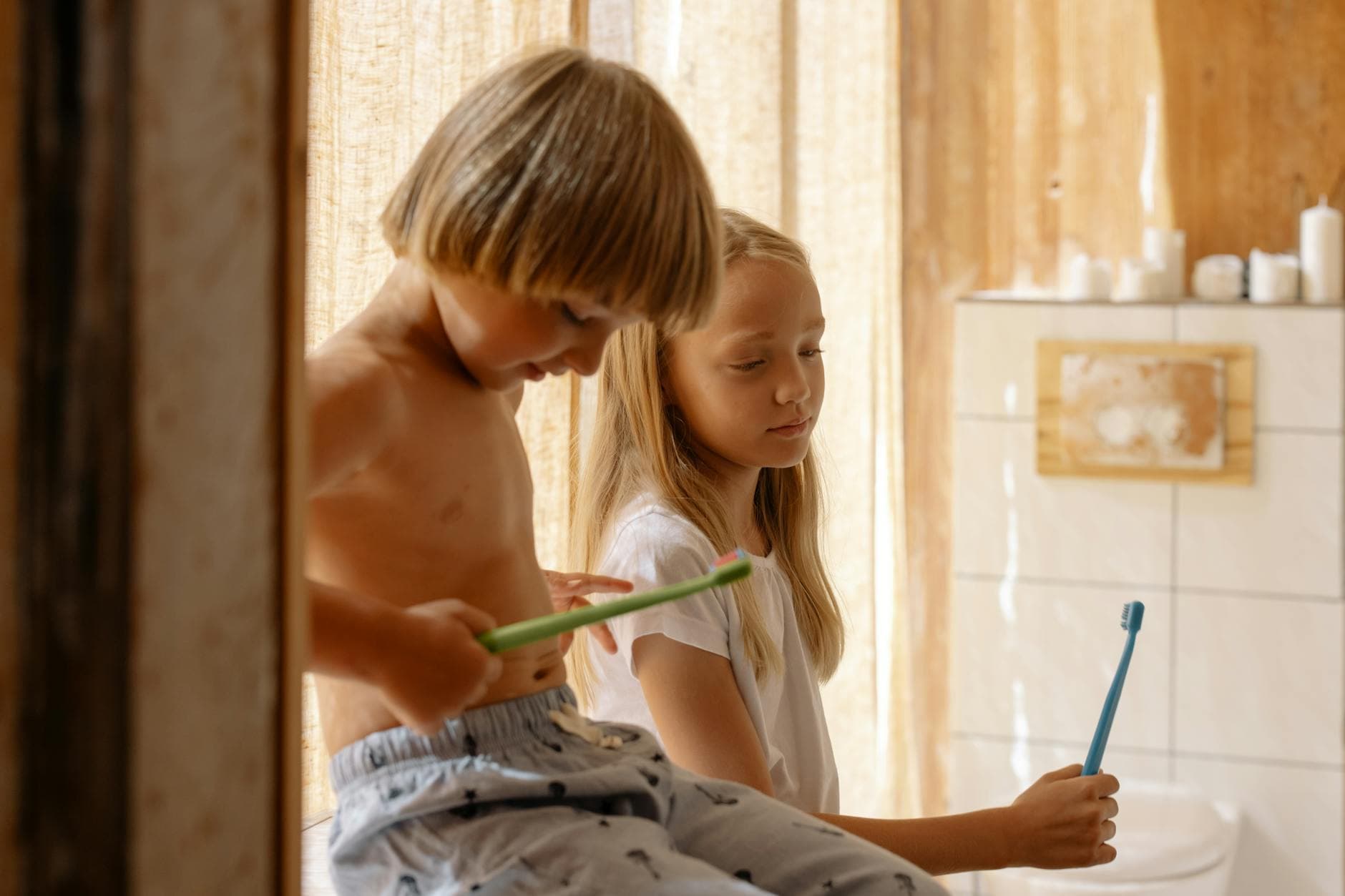
What if the constant bickering, the snatched toys, and the dramatic pronouncements of "I hate you!" weren't just normal childhood annoyances, but actually intricate dance steps in a much larger, fascinating drama? It's a question that tugs at the heart of anyone who's ever navigated the complex world of family dynamics. Understanding the sibling rivalry causes is key to untangling these knots.
The Deep Roots of Sibling Rivalry
Sibling rivalry is a concept many of us are familiar with, but what exactly is it? At its core, a sibling rivalry definition often points to the competition and conflict that exists between brothers and sisters. It’s not just about occasional squabbles; it’s a persistent undercurrent that can shape personalities and relationships for years to come. This isn't some modern invention; it's as old as families themselves.
Innate Competition for Resources
Think about it: from the moment a new baby arrives, the established order shifts. Suddenly, there's a tiny human demanding attention, time, and resources that were once exclusively theirs. This can trigger a primal sense of competition, even in the youngest of children. It's a natural response to a perceived threat to their place in the family hierarchy.
Parental Attention: The Ultimate Prize
Here's the thing: children, especially younger ones, often perceive love and attention as a finite resource. If one child gets more praise, more hugs, or even just more of your focused gaze, the other child can feel deprived. This isn't about fairness in an adult sense; it's about a child's immediate, emotional need to feel seen and valued. I'll be real with you, as a parent, it's incredibly hard to distribute attention perfectly evenly, and kids are masters at spotting any perceived imbalance.
Unmet Needs and Insecurities
Sometimes, sibling rivalry flares up because one child is struggling with something else entirely. Perhaps they're feeling insecure at school, or they're going through a developmental phase that makes them more demanding. The sibling becomes an easy target for their frustration, a convenient outlet for emotions they can't otherwise express. This one surprised me when I first started really digging into child development sibling dynamics; it’s not always about the sibling themselves.
Developmental Stages and Sibling Dynamics
The nature of sibling rivalry shifts dramatically as children grow. What looks like a full-blown war in the toddler years might morph into eye-rolls and passive aggression in the teenage years. Understanding these transitions is crucial for parents trying to manage the chaos.
Sibling Rivalry in Toddlers: The Battle for Basic Needs
For toddlers, life is very immediate. Their world revolves around their own needs and desires. When a sibling enters the picture, or even just wants the same bright red ball, it can feel like a personal affront. The sibling rivalry signs in toddlers are often overt: pushing, hitting, yelling, and tantrums. They haven't yet developed the sophisticated emotional regulation or communication skills to handle these feelings constructively. It's a time of intense possessiveness and learning about boundaries, often learned through conflict.
Sibling Rivalry in Teens: The Quest for Individuality
As children become teenagers, the rivalry often becomes more about establishing their own identities and asserting independence. Competition might shift from toys to grades, popularity, or parental approval. The desire for autonomy can clash with family expectations, and siblings might find themselves on opposing sides of arguments, or constantly comparing themselves to each other. This is where the sibling rivalry tips become less about stopping fights and more about fostering mutual respect and understanding.
The Impact of Age Gap Sibling Rivalry
The age gap sibling rivalry can present unique challenges. A much older sibling might feel burdened by a younger one, or resentful of the attention they receive. Conversely, a younger sibling might feel overshadowed or constantly teased by an older, more capable sibling. The developmental stages are so different that their needs and perspectives can be worlds apart, leading to misunderstandings and conflict.
External Factors Fueling the Fire
While internal family dynamics are a huge part of sibling rivalry, external pressures and environmental factors can significantly amplify the conflict.
Stressful Life Events
Major life changes – a move, a divorce, a parent's job loss, or even the introduction of a new pet – can destabilize a family and increase sibling tension. When the home environment feels less secure, children may cling more tightly to their parents or lash out at their siblings. It’s a way of expressing the underlying anxiety they feel.
Societal and Cultural Influences
We live in a highly competitive society. From academic pressures to social media comparisons, children are constantly bombarded with messages about achievement and success. This can seep into sibling relationships, fostering a sense of constant comparison and a drive to "win" in their parents' eyes. This is something that American Psychological Association research on sibling rivalry causes has highlighted, showing how broader societal pressures can manifest within the home.
Parenting Styles and Their Role
This is a big one, and honestly, one of the most impactful. How parents respond to sibling conflict can either escalate or de-escalate it. Favoritism, even unintentional, is a potent fuel for rivalry. Inconsistent discipline or a tendency to always take sides can leave children feeling resentful and unheard. Conversely, teaching conflict resolution skills and fostering a sense of team within the family can build stronger bonds. You might be wondering about managing sibling conflict – and your own approach is central to that.
Competition Between Siblings: A Deeper Look
The idea of competition between siblings isn't always negative; it can drive growth and learning. However, when it becomes unhealthy, it can lead to resentment and a breakdown in the relationship. It's about the *quality* of the competition. Is it a race to be the best, or a shared endeavor to improve? The distinction is crucial for understanding sibling rivalry causes.
Unpacking Specific Causes
Let's get down to the nitty-gritty. What are some of the most common triggers that parents observe?
Perceived Unfairness
This is a classic. One child gets a new toy, and the other doesn't. One gets to stay up later, and the other has to go to bed. Even if parents believe the situation is fair, children's perception is what matters. They feel the injustice keenly, and this often leads to conflict. Psychology Today research on sibling rivalry causes often points to this perception as a primary driver.
Disagreements Over Possessions
Toys, clothes, even the TV remote – disagreements over who gets what are a constant source of friction. This is particularly true when children are in similar developmental stages and have overlapping interests. Teaching children about sharing and compromise is vital, but it's a skill that takes time and practice.
Personality Clashes
Sometimes, it's as simple as two personalities that just don't mesh well. One child might be boisterous and outgoing, while the other is quiet and introverted. These differences can lead to misunderstandings and irritation, even when there's no underlying malice. It's like living with a roommate who has a completely different operating system.
Jealousy and Insecurity
Parenting sibling jealousy is a delicate act. When one child feels their sibling is getting more attention, praise, or privileges, jealousy can fester. This is often rooted in their own feelings of insecurity or inadequacy. They might act out to get attention, even negative attention, simply to feel acknowledged.
Beyond the Bickering: Building Harmony
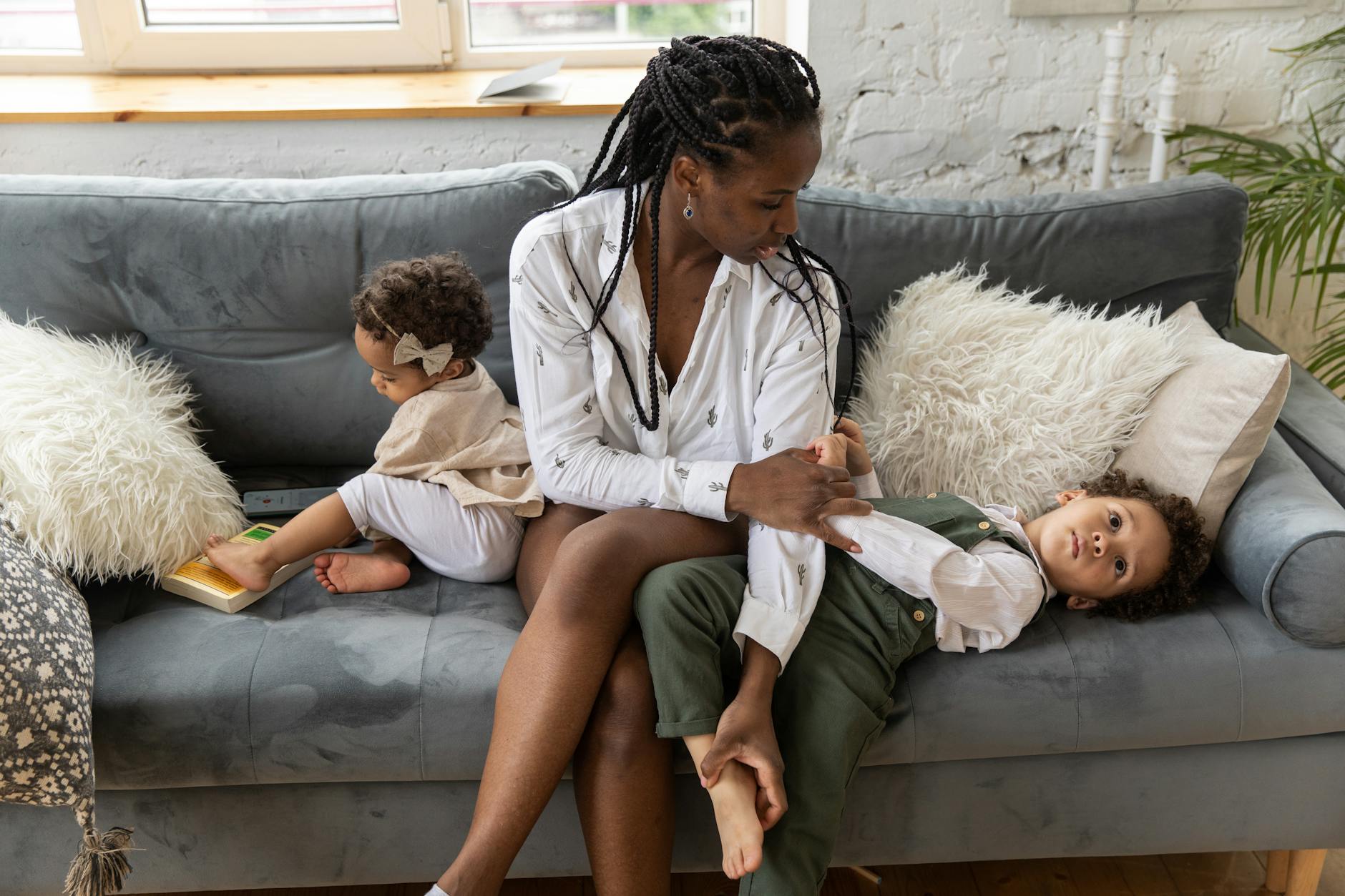
So, we've explored the myriad of sibling rivalry causes. The good news? It's not an insurmountable problem. Understanding these roots is the first, most powerful step towards fostering healthier relationships.
The Role of Parents in Managing Sibling Conflict
Parents are the conductors of this symphony. Your reactions, your strategies, and your modeling of behavior make a monumental difference. Instead of just punishing fighting, focus on teaching problem-solving. Encourage empathy and understanding between siblings. It’s about building a foundation of respect, not just enforcing rules. For practical advice, you can find many sibling rivalry tips that focus on proactive strategies.
Fostering a Sense of Teamwork
Instead of seeing siblings as rivals, help them see each other as teammates. Encourage collaborative play and shared responsibilities. When they work together towards a common goal, like building an epic fort or planning a family game night, they learn to appreciate each other's strengths and rely on one another. This is especially important when dealing with step sibling rivalry, where building new family bonds takes conscious effort.
Validating Feelings, Not Just Actions
It’s easy to jump on a child for hitting or yelling. But what if you first acknowledged their underlying emotion? "I see you're really angry because your brother took your toy." Validating their feelings, even if their *actions* were wrong, can help them feel heard and understood, making them more receptive to finding a solution. Healthline research on sibling rivalry causes often emphasizes the importance of emotional validation.
Ultimately, sibling rivalry is a complex tapestry woven from innate drives, developmental stages, environmental influences, and our own parenting. It’s a natural part of growing up, a challenging but ultimately rewarding journey. By understanding the profound sibling rivalry causes, we can move from simply managing conflict to actively cultivating strong, lasting sibling bonds. And that, my friends, is a beautiful thing to witness.