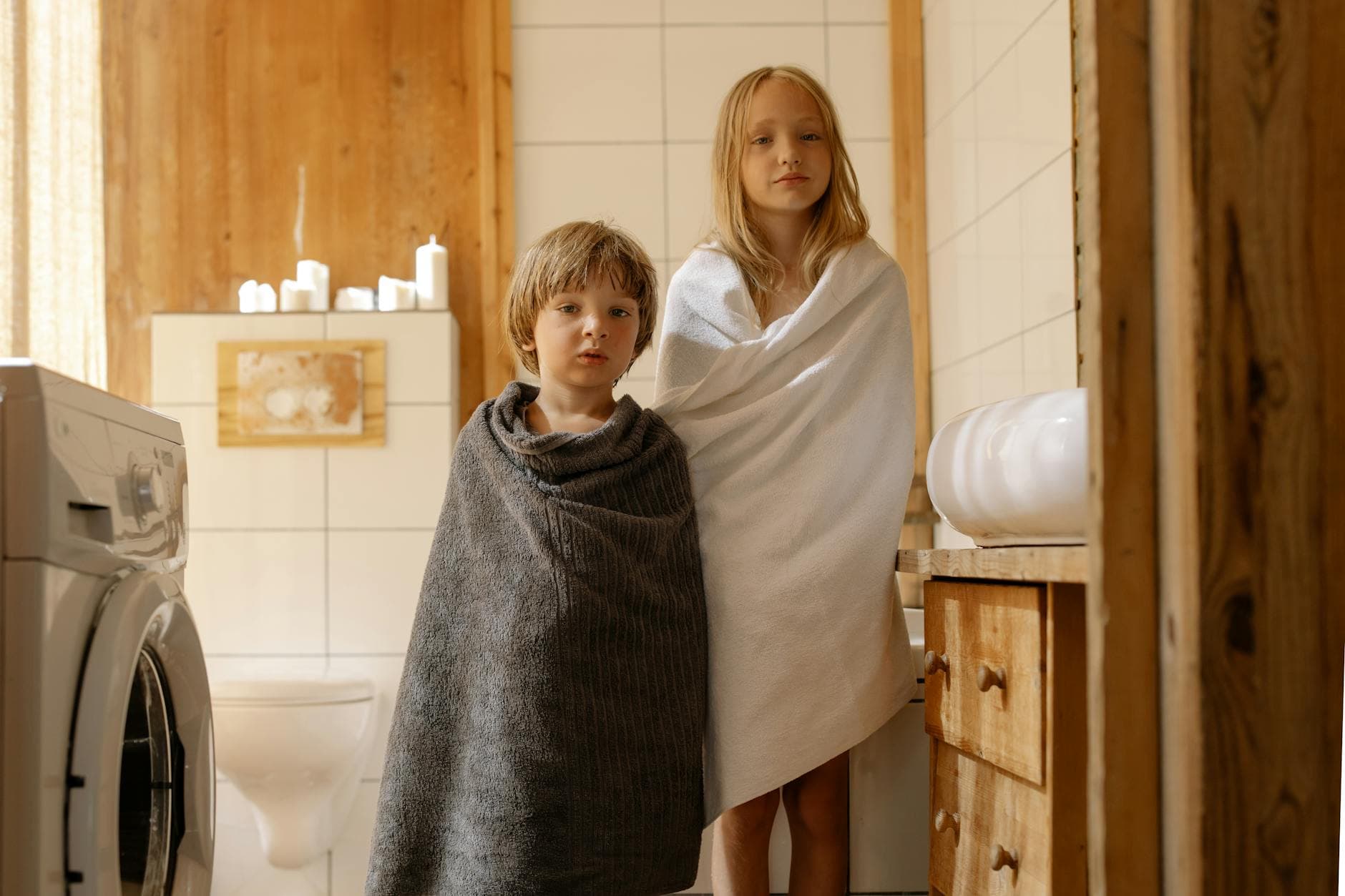
What if your home, once a sanctuary of sibling harmony, suddenly felt like a battleground? Imagine the quiet hum of daily life replaced by the sharp sting of whispered insults, the slammed doors, the palpable tension that hangs in the air. This isn't just a hypothetical scenario for many families navigating the complex waters of blended families. This is the reality of **step sibling rivalry**, a phenomenon that can catch even the most seasoned parents off guard. It's a fascinating, often heartbreaking, and profoundly human challenge, and I've been absolutely captivated by the intricacies of it.
The Blended Family Tightrope: Understanding Step Sibling Rivalry
This isn't about simply saying "they're not real siblings." Oh no, it's far more nuanced. We're talking about children who, through no fault of their own, are suddenly thrust into a new family dynamic, a new hierarchy, and often, a new set of expectations. The emergence of **step sibling rivalry** is a natural, albeit uncomfortable, part of this adjustment process. It’s a complex dance of loyalty, belonging, and identity.
The Foundation of Conflict: Unpacking the Roots
I'll be real with you, the initial shock of a new sibling, especially one from a previous relationship, can trigger a cascade of emotions. For children, their world has already been shaken by divorce or separation; a new addition can feel like another seismic shift.
Shifting Loyalties and Belonging
Think about it: a child might feel their parent's attention is being diverted. They might worry that their place in the family is being challenged. This isn't about being selfish; it's about a deep-seated need for security and affirmation. This is where the seeds of **rivalry between step siblings** are often sown.
Past Hurts and Present Fears
The history of the blended family itself plays a massive role. If parents have unresolved issues from previous relationships, these can seep into the sibling dynamic. Children are incredibly perceptive; they absorb the unspoken anxieties and resentments.
When Worlds Collide: Navigating the Initial Stages
The early days of a blended family are often a whirlwind. Parents are trying to blend not just households, but also parenting styles, traditions, and personalities. It's a monumental task.
The "Us vs. Them" Mentality
This is a common pattern. Children might naturally gravitate towards their biological parent and their biological siblings, creating an unspoken "us vs. them" dynamic. It’s a coping mechanism, a way to maintain a sense of familiarity and control in a changing environment.
Unmet Expectations and Perceived Injustices
Parents might hope for instant bonding, for a seamless transition. Children, however, might be experiencing a range of emotions from grief to anger to confusion. When their internal experience doesn't match the external hope, that's a breeding ground for **step sibling conflict**.
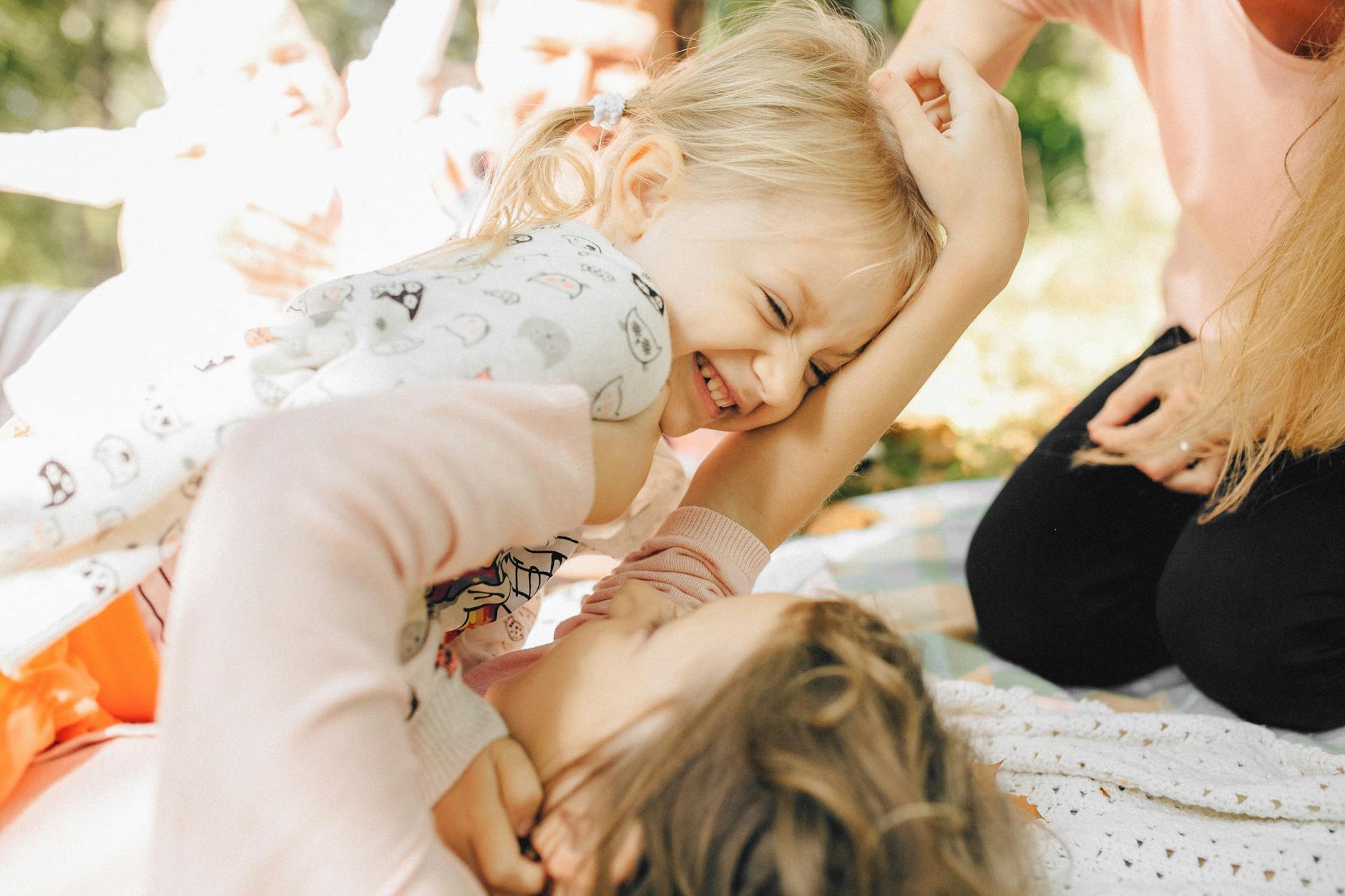
The Psychology Behind the Scuffles: Why Step Siblings Clash
It's easy to dismiss **step sibling rivalry** as just kids being kids. But there's a deeper psychological landscape at play. Understanding these underlying motivations is key to effectively managing these issues.
The Quest for Parental Attention and Affection
This one surprised me. While we often think of sibling rivalry as about toys or who gets the last cookie, in blended families, the competition can be for something much more fundamental: a parent's undivided attention and affection.
The Scarcity Principle in Parenting
When a parent's time and energy are stretched thin between multiple children, especially with the added complexities of co-parenting challenges, children can perceive attention as a limited resource. This perceived scarcity fuels the competition.
Testing Boundaries and Seeking Reassurance
Sometimes, conflict isn't just about aggression; it's a way for children to test the boundaries of their new family structure and seek reassurance that they are still loved and important. This is particularly true when dealing with **sibling jealousy blended family** dynamics.
Identity Formation in a New Landscape
A child's sense of self is deeply intertwined with their family. When that family structure changes, their identity can feel upended.
The Struggle for Individuality
Step siblings might feel pressure to conform to new family norms or, conversely, to maintain their distinct individuality. This can lead to friction as they assert their unique identities.
Navigating "Half-Sibling" or "Step-Sibling" Labels
The very language we use can create divisions. While some children embrace these labels, others may feel them as a constant reminder of their "otherness," contributing to **step sibling conflict**.
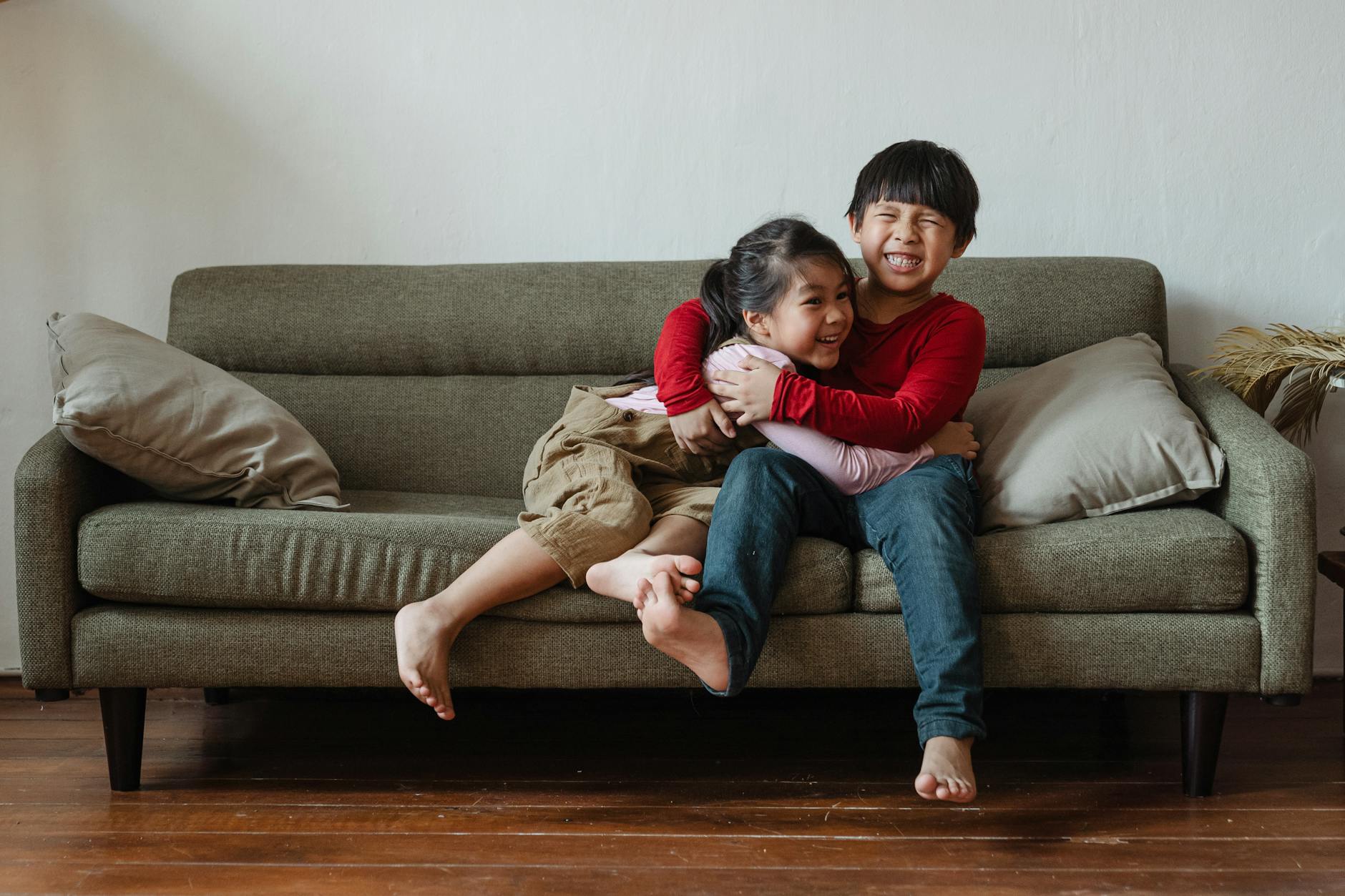
Strategies for Soothing the Storm: Managing Stepfamily Relationships
Here's the thing: **dealing with step sibling issues** isn't about eliminating all conflict. It's about equipping families with the tools to navigate it constructively.
Creating a Unified Family Front
Parents must present a united front. This doesn't mean agreeing on everything, but rather agreeing on the core values and rules of the household.
Consistent Rules and Consequences
When rules are applied inconsistently, children will exploit the loopholes. This breeds resentment and further fuels **step sibling rivalry**. Think about the last time you saw a child try to play parents against each other; it's a classic tactic.
Open Communication Channels
Encourage an environment where all children feel safe to express their feelings without fear of judgment or dismissal. This is crucial for **managing stepfamily relationships**.
Fostering Positive Interactions and Bonds
It's not all about conflict resolution; it's also about actively building positive connections.
Scheduled Family Fun Time
This is non-negotiable. Dedicate time for activities that the whole family can enjoy together. This could be anything from a board game night to a shared meal. For younger children, you might even explore toddler sensory play outdoors or preschool outdoor learning adventures.
Encouraging Shared Interests
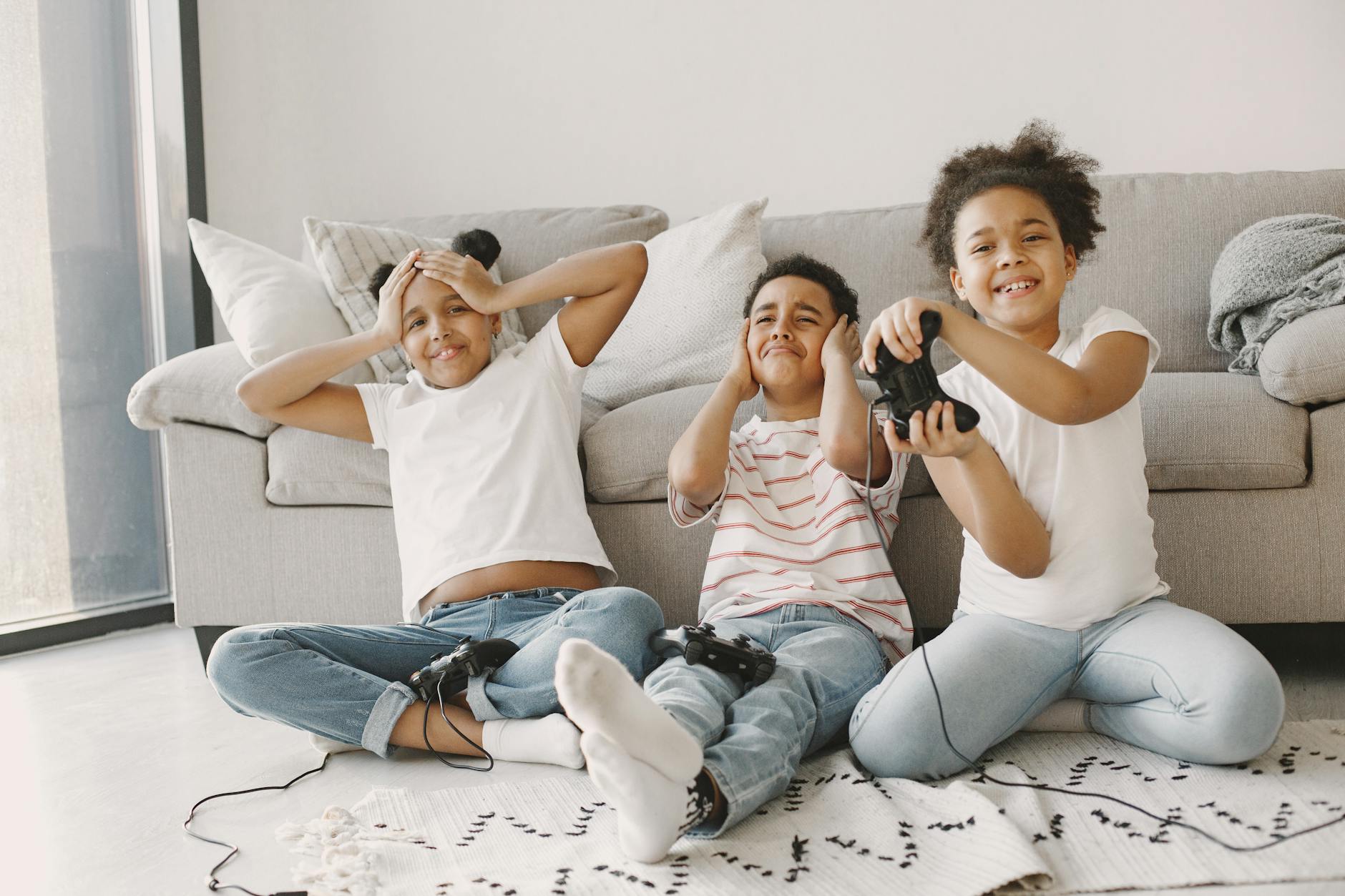
Help children discover common ground. Do they both love a particular sport? A certain video game? A type of music? Nurturing these shared interests can be a powerful way to build **sibling bonding**.
The Power of "New" Traditions
Creating new family traditions, separate from those of the previous families, can help solidify the new family unit. This is a key aspect of **blended family adjustment**.
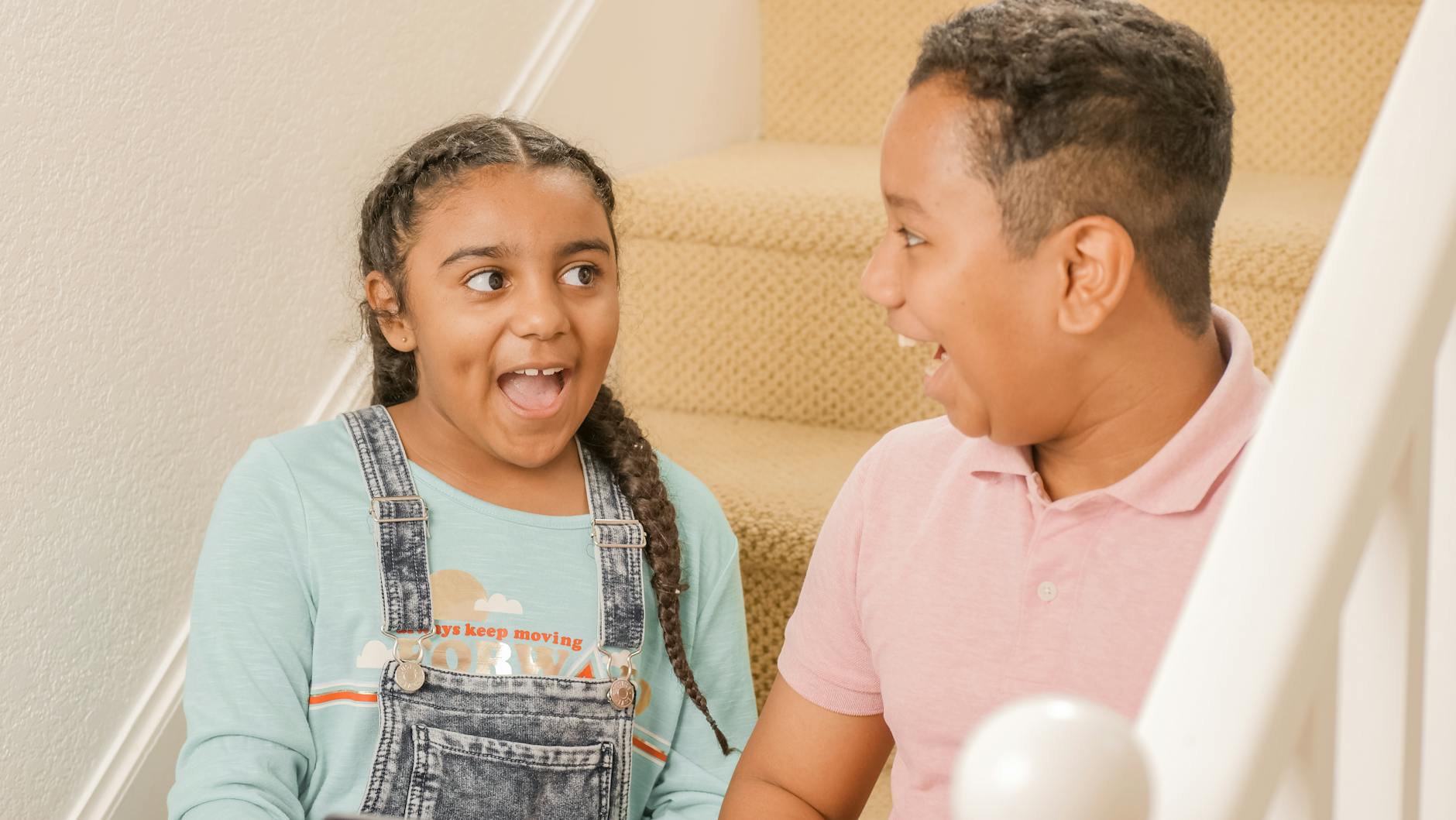
A Real-Life Scenario: The Case of the Shared Bedroom
Let me tell you about the Miller family. Sarah, a single mom with an 8-year-old daughter, Emily, married Mark, a widower with a 9-year-old son, Alex. When Emily and Alex had to share a bedroom, the **step sibling rivalry** ignited. Emily, used to her own space and quiet time, felt invaded. Alex, accustomed to a bit more boisterous play, often disrupted Emily's routines. Their parents tried everything: separate desks, designated toy areas, even a visual divider down the middle of the room.
The Turning Point: A Shared Project
The breakthrough came when Mark suggested they work on a large Lego castle together. Initially, there was resistance. Alex wanted to build a spaceship, Emily a fairy house. But Mark gently guided them, emphasizing teamwork. They had to negotiate, compromise, and communicate. Slowly, the castle took shape, and with it, a fragile understanding. They discovered that working together, even on something as simple as a Lego project, could be more rewarding than fighting. This experience, I believe, is a perfect example of how to improve **step sibling relationships**.
Expert Insights: What the Research Says
The National Alliance on Mental Illness research on step sibling rivalry highlights the importance of patience and understanding. They note that **blended family dynamics** are inherently complex and require a period of adjustment for all involved. Similarly, the National Institutes of Health research on step sibling rivalry points to the significant impact of parental attitudes and behaviors on sibling relationships. Psychology Today research on step sibling rivalry often emphasizes the need for clear communication and the establishment of new family norms.
The Role of Parental Mediation
Parents are the conductors of this orchestra. Their ability to mediate disputes fairly, to validate each child's feelings, and to set appropriate boundaries is paramount. This is where **co-parenting challenges** can either exacerbate or alleviate the situation.
Long-Term Outlook: Building Lasting Bonds
It's not always easy, and there will be ups and downs. But with consistent effort, empathy, and a commitment to building a strong family unit, the intense **rivalry between step siblings** can gradually soften, paving the way for genuine connection and even deep love. These **tips for blended families** are not quick fixes, but rather a roadmap for sustained success.
The journey of blending families is a marathon, not a sprint. The **step sibling rivalry** you might be experiencing is a sign that significant changes are underway, and that your children are working through them in their own ways. By approaching these challenges with intention, understanding, and a whole lot of love, you can transform potential conflict into a foundation for a strong, resilient, and loving blended family. It’s about creating a space where everyone feels seen, heard, and valued, not just as individuals, but as part of a new, united whole.