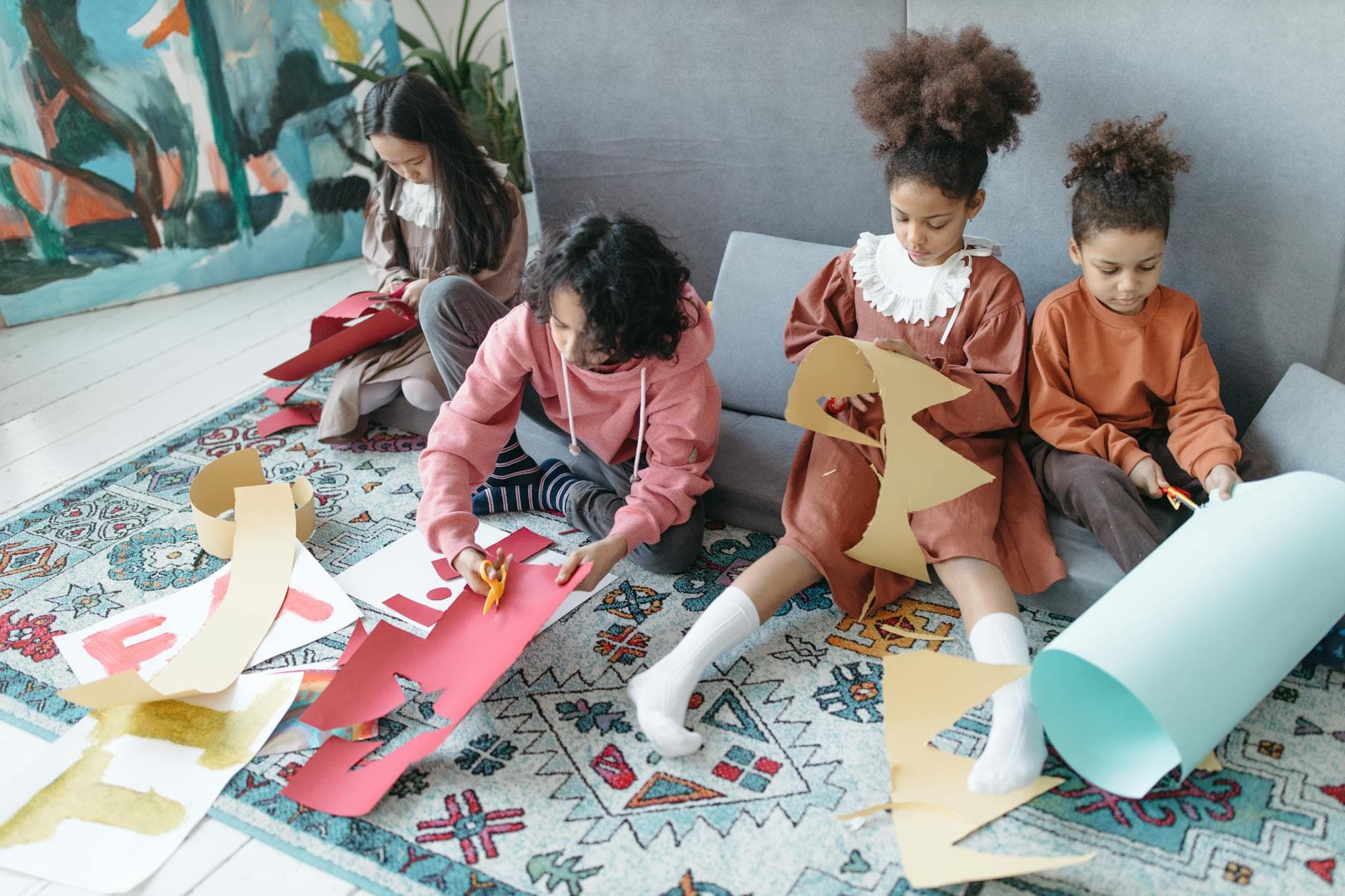
I remember one particularly challenging afternoon when my youngest, Leo, then about five, had a complete meltdown after a playdate. He’d spent an hour with a friend, but instead of connecting, they’d ended up arguing over who got to be the "captain" of their imaginary spaceship. It was a classic case of needing to build some stronger social skills activities. It’s moments like these that remind us how crucial it is to actively nurture our children's ability to navigate the social world. This isn't just about making playtime smoother; it’s about laying the foundation for empathy, cooperation, and genuine connection throughout their lives.
Why Nurturing Child Social Skills Matters
More Than Just Playmates
You see, child social skills aren't just learned by osmosis. They are built, brick by brick, through practice, guidance, and intentional experiences. When kids learn how to share, how to take turns, how to read social cues, and how to express their feelings constructively, they're not just becoming better playmates. They're developing the building blocks for healthy relationships, self-confidence, and emotional resilience. It’s a fundamental part of their overall child development.
The Ripple Effect
Think about the last time you felt truly connected to someone. That feeling of understanding, of being heard, of belonging – that’s what we want for our children. When kids struggle with social interaction games, they can become withdrawn, anxious, or even aggressive. Conversely, when they’re equipped with strong social skills, they tend to be happier, more engaged, and better able to handle the inevitable bumps in the road. The American Psychological Association research on social skills activities consistently highlights these positive outcomes.
A Lifelong Advantage
Honestly, these skills are a lifelong advantage. From schoolyard friendships to future workplace collaborations, the ability to connect with others is paramount. It’s why I’m so passionate about helping parents and caregivers find effective ways to support their children's social development activities.
Getting Started with Social Skills Activities
The Power of Play-Based Learning
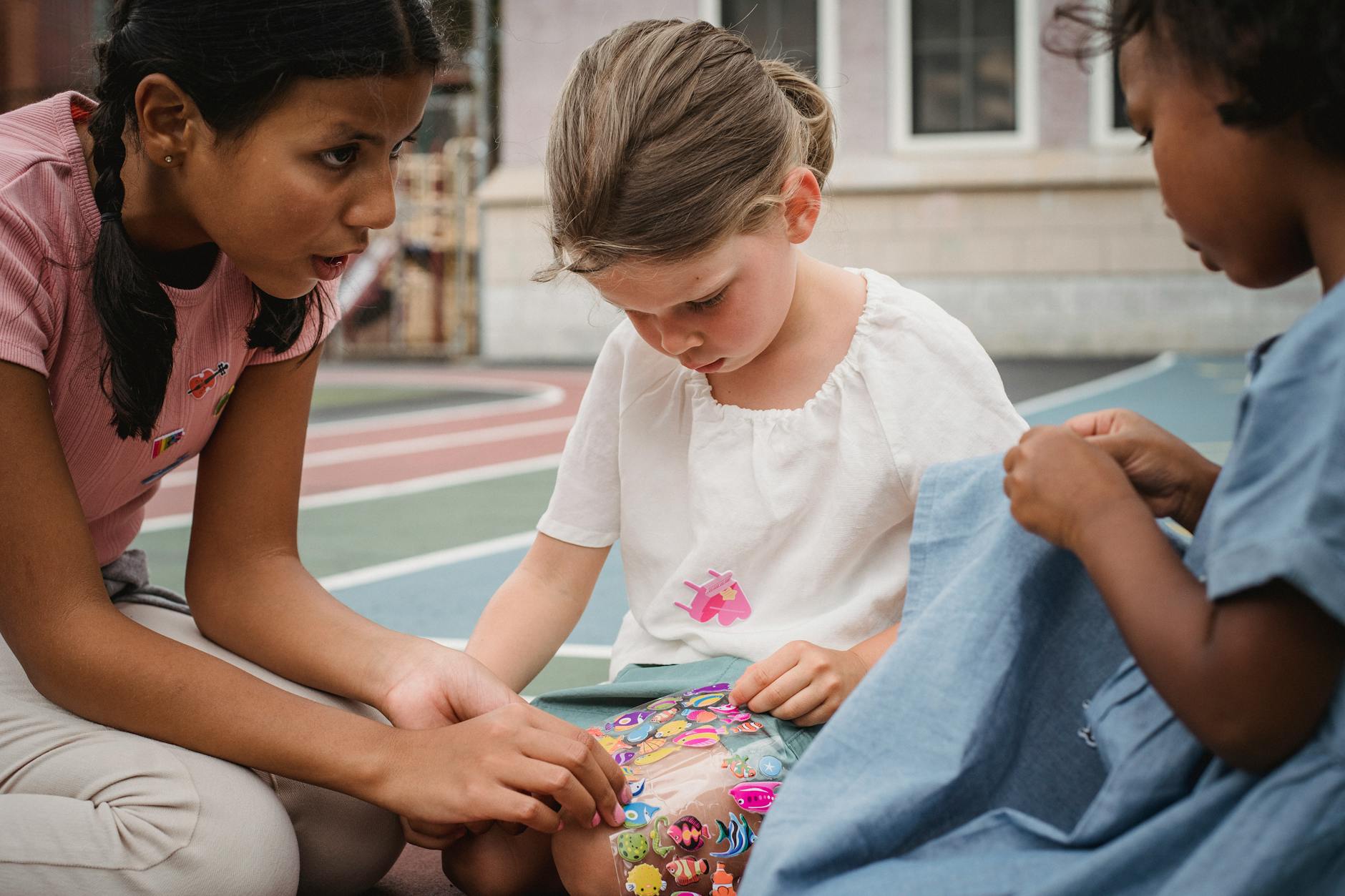
Here's the thing: kids learn best through play. They’re naturally inclined to explore, experiment, and interact when they're having fun. This is where play-based learning truly shines for developing social skills. It allows them to practice negotiation, problem-solving, and empathy in a low-stakes environment. Think about it – a simple game of tag requires cooperation and understanding of rules. A shared building block tower demands compromise.
Observing and Guiding
Your role isn't to hover and dictate every interaction, but to observe and gently guide. Watch how your child interacts. Are they dominating the play? Are they struggling to join in? Are they having trouble expressing their needs without yelling? These observations are your cues for what specific social skills activities might be most beneficial. This is where you can step in with targeted strategies.
Creating Opportunities
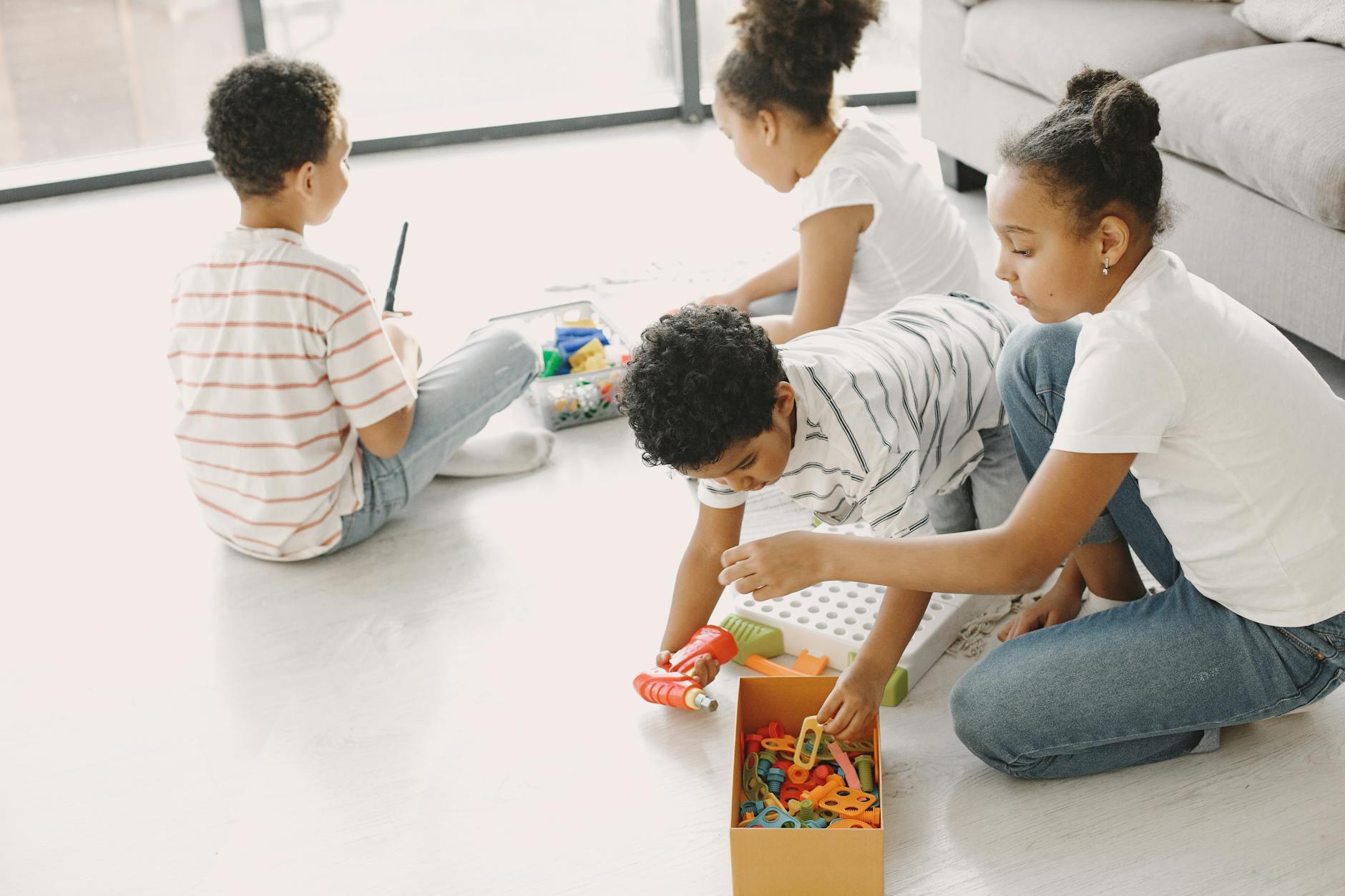
It’s also about creating the right opportunities. Sometimes, just having a dedicated time for social interaction games can make a world of difference. This might be a structured playdate, a visit to a park, or even just setting aside time for family board games. The key is intention. You're not just letting things happen; you're facilitating growth.
Fun and Effective Social Skills Activities for All Ages
For the Little Ones (Toddlers & Preschoolers)
Building Blocks of Friendship
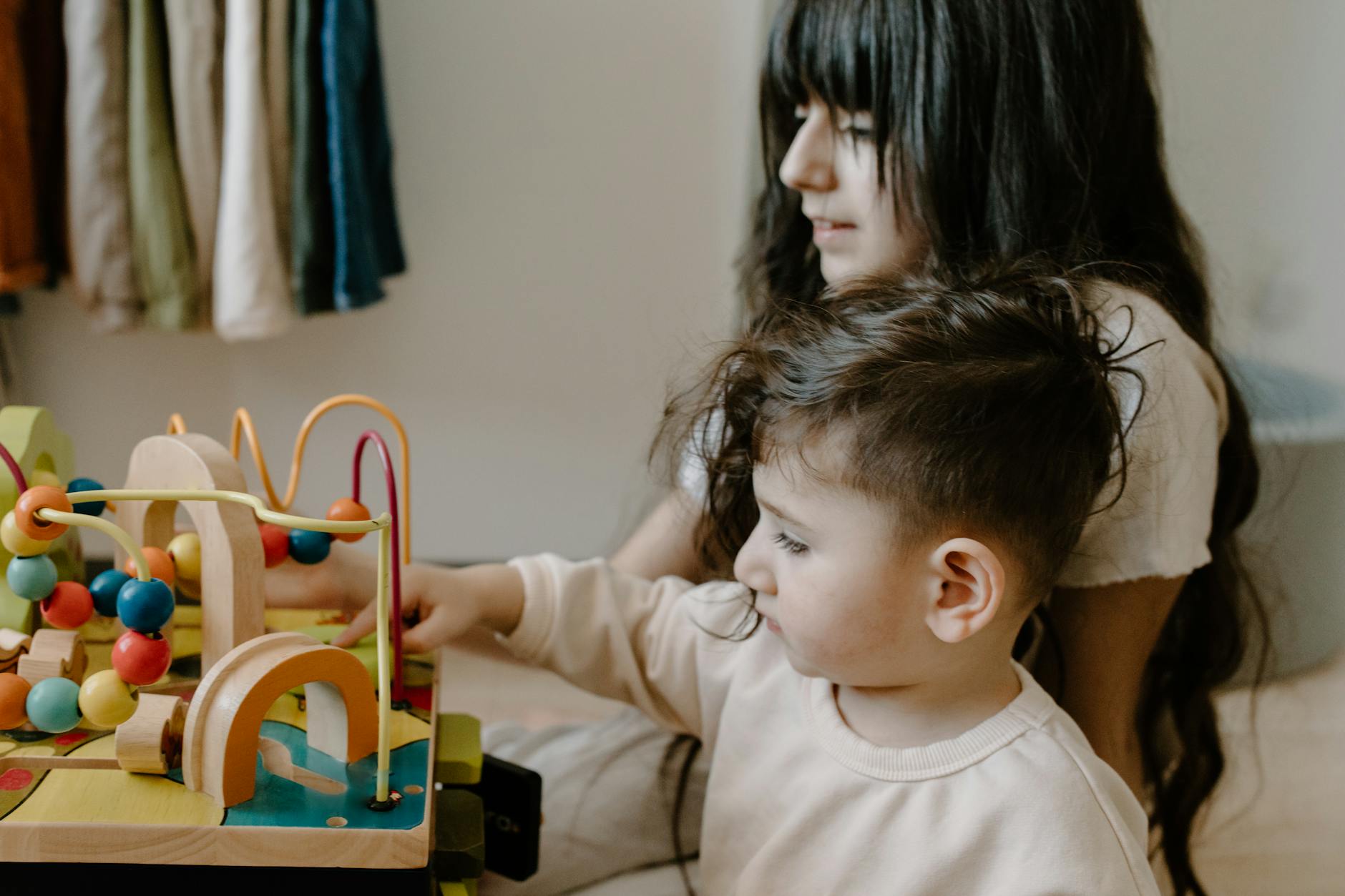
Toddler social development is all about exploration and early interaction. For toddlers, simple parallel play can evolve into more interactive play with a little encouragement. Activities like shared sensory bins, where they can explore textures together, or simple turn-taking games with soft toys are fantastic. You can also introduce simple songs with actions that require them to copy each other, fostering a sense of shared experience.
Preschool Social Skills: The Art of Sharing
Preschoolers are ready for more complex interactions. Games that involve simple rules and turn-taking are excellent. Think about board games with very few pieces, or even just taking turns rolling a ball back and forth. Introducing puppets can be a wonderful way to model social scenarios and practice expressing feelings. For instance, one puppet can be sad because it can’t have a toy, and another can offer to share. This is a great way to boost preschool emotional intelligence. You can also explore Preschool Emotional Intelligence: Spring Play for Kids for more ideas.
Springtime Social Fun
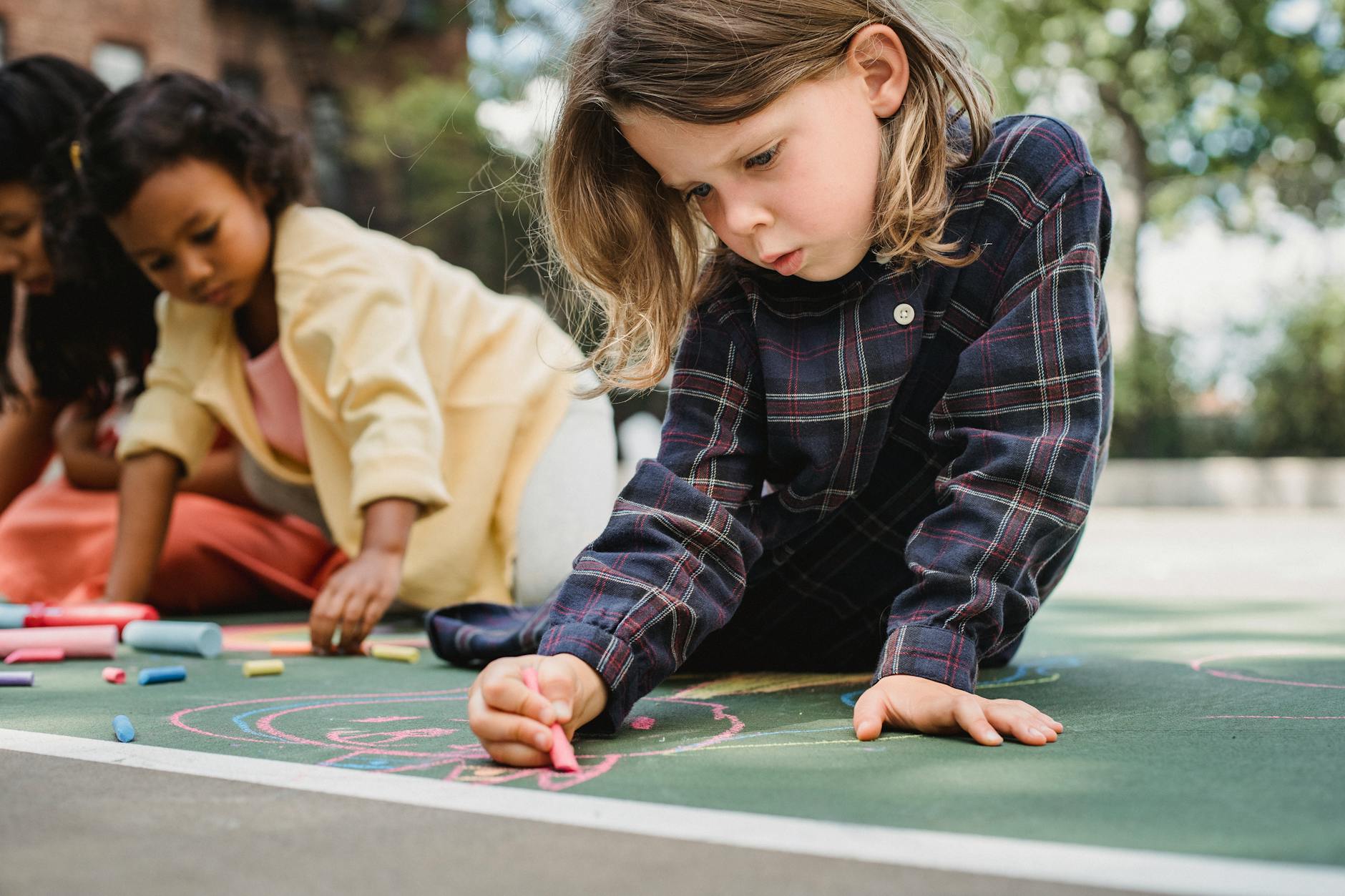
As spring arrives, so do new opportunities for social interaction. Outdoor play is fantastic for this. Think about simple spring social activities like a scavenger hunt in the park where children have to work together to find clues, or a group art project using natural materials like leaves and twigs. These activities encourage collaboration and communication naturally. For toddlers bursting with energy, exploring Toddler Spring Energy: Beat Meltdowns & Boost Fun can provide great outdoor outlets.
For Elementary-Aged Children
Cooperative Games Galore
Elementary school is when kids really start to understand the nuances of friendship. Cooperative board games are a goldmine for developing child social skills. Games where everyone wins or loses together teach teamwork and shared responsibility. Examples include "Outfoxed!" or "Forbidden Island." These games require strategic thinking and communication to succeed.
Role-Playing Scenarios
This age group can engage in more sophisticated role-playing. Set up scenarios where they have to solve a problem together, like planning a pretend party or figuring out how to help a character in a story. This allows them to practice empathy, negotiation, and perspective-taking. You can even use a timer for certain tasks to introduce the concept of working within constraints.
Building Friendships Through Shared Interests
Encourage participation in group activities based on their interests. Whether it's a sports team, a drama club, or a coding class, shared passions are a natural catalyst for building friendships. These environments provide structured opportunities for social interaction games and developing a sense of belonging. Psychology Today research on social skills activities often points to the benefits of shared hobbies.
Activities for Specific Social Skills
The Art of Conversation
Teaching kids how to start and maintain conversations can be surprisingly challenging. Try "conversation starters" at the dinner table. You can ask questions like, "What was the funniest thing that happened today?" or "If you could invent anything, what would it be?" This encourages them to think and articulate their thoughts. You can also practice active listening by having them repeat what you said to ensure understanding.
Empathy Builders
Empathy is understanding and sharing the feelings of another. Reading books that explore different emotions and characters' perspectives is a powerful tool. Discussing the characters' feelings and why they might be acting a certain way helps children develop this crucial skill. Role-playing scenarios where they have to imagine themselves in someone else's shoes is also incredibly effective. This is a cornerstone of emotional intelligence for kids.
Conflict Resolution Skills
Conflict is inevitable, but how children handle it is what matters. Teach them simple steps: 1. Calm down. 2. Say what the problem is using "I" statements (e.g., "I felt frustrated when you took the toy"). 3. Listen to the other person's side. 4. Brainstorm solutions together. Practicing these steps during minor disagreements can prevent larger blow-ups. The National Institutes of Health research on social skills activities often emphasizes the importance of teaching these coping mechanisms.
When to Seek Extra Support
Recognizing the Signs
While most children develop social skills with time and practice, there are times when additional support might be beneficial. If you notice persistent difficulties like extreme shyness, aggression, frequent social isolation, or significant trouble making or keeping friends, it’s worth paying attention. These could be indicators that a child needs more tailored strategies.
The Role of Professionals
Don't hesitate to reach out to your child's pediatrician, school counselor, or a child therapist. They can offer expert guidance, conduct assessments, and recommend specific interventions. Sometimes, a child might benefit from social skills groups led by trained professionals. These groups provide a safe and structured environment for practicing social interaction games and receiving targeted feedback.
Your Continued Support
Even with professional help, your ongoing support at home is invaluable. Continue to model good social behavior, create opportunities for practice, and offer encouragement. Remember that building strong social skills is a marathon, not a sprint. Every small step forward is a victory. For toddlers who might be struggling with transitions or energy, exploring resources like Toddler Independence Winter: Fun Indoor Activities or Toddler Spring Break: Safe & Fun Adventures Await! can offer practical strategies for managing their behavior and fostering positive interactions.
Ultimately, fostering strong social skills in children is one of the most rewarding investments we can make in their future. It’s about equipping them with the tools they need to build meaningful connections, navigate challenges with confidence, and lead fulfilling lives. So, keep playing, keep guiding, and celebrate every little social success along the way.