The Spring Surge: Understanding Toddler Spring Energy
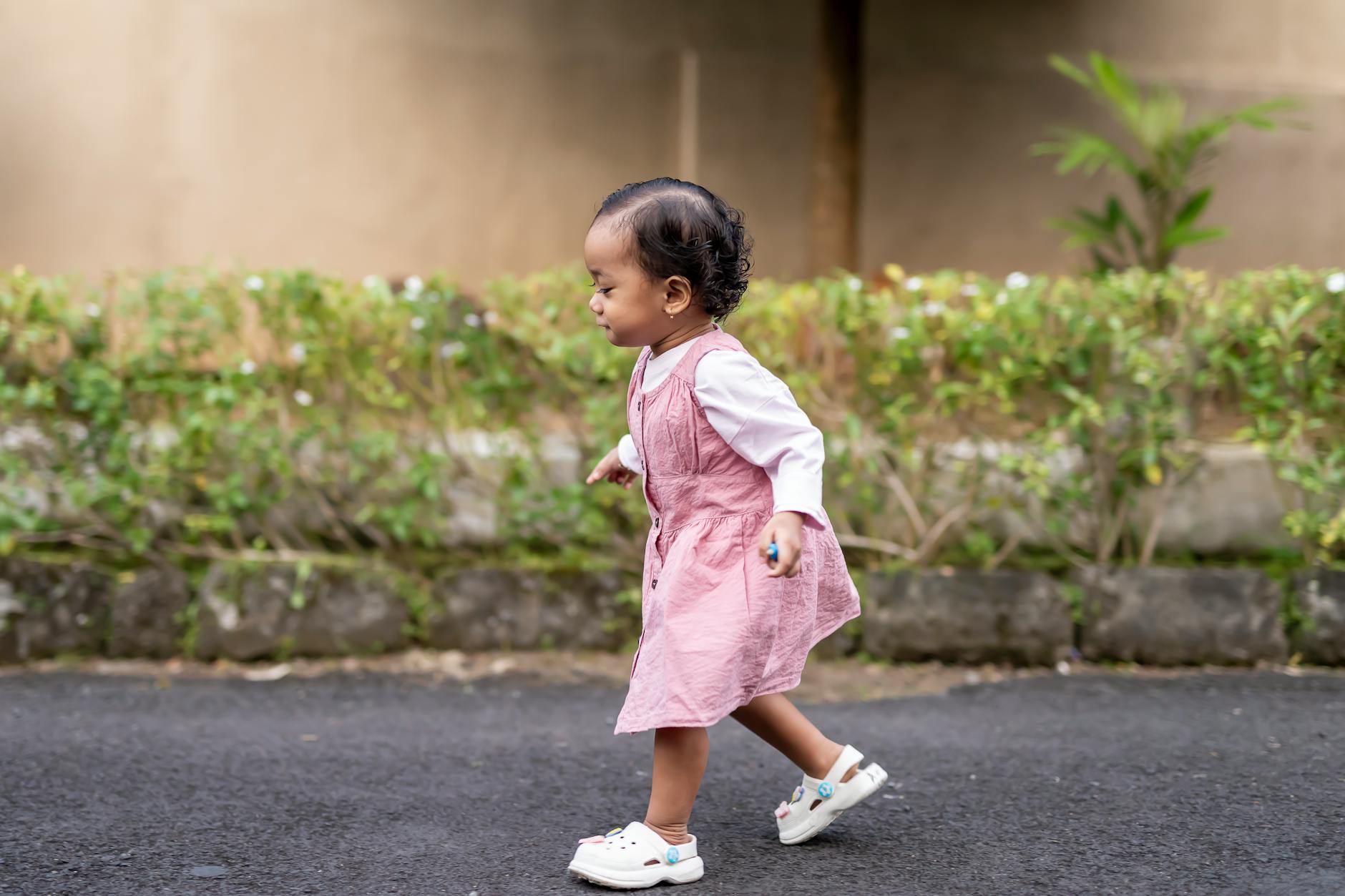
There's this idea, right? That spring is just this magical time when toddlers suddenly become angels, all sunshine and sweetness because the weather's nicer. Honestly, I used to kind of buy into it. But if you’re in the trenches with a little one, you’ve probably noticed that’s not quite the whole story. What we often see isn't just "nicer weather energy" but a complex surge of **toddler spring energy** that can be both exhilarating and, let's be real, utterly exhausting. It’s like they’ve been hibernating all winter and suddenly have a triple-shot espresso coursing through their tiny veins.
This isn't just about being able to get outside more. It’s a deeper shift. Think about the child development spring brings – longer days, more sensory input, a natural pull towards exploration. It’s a powerful combination, and for toddlers, who are still figuring out how to manage big feelings and impulses, it can be a recipe for… well, a lot.
The Unseen Drivers of Toddler Spring Energy
It’s easy to point to the sunshine and call it a day, but there’s more going on under the surface. Understanding these drivers is key to actually managing the energy, not just being swept away by it.
Seasonal Rhythms and Biological Clocks
Did you know that even toddlers' internal clocks are influenced by light? The increased daylight hours in spring can actually signal to their bodies that it’s time to be more active. It’s a biological imperative, really. This isn't a conscious choice; it's their system responding to environmental cues. Research from places like the American Psychological Association research on toddler spring energy touches on how environmental factors can influence mood and activity levels.
The Great Outdoors: More Than Just Fresh Air
When the weather breaks, we all want to be outside, and toddlers are no exception. But it's not just about escaping the house. Outdoor environments offer a wealth of new sensory experiences – the smell of damp earth, the feel of grass, the sound of birds, the sight of new buds. This constant stream of new information is stimulating and exciting, fueling that spring energy. It’s a massive uptick in sensory input compared to a winter spent mostly indoors.
Breaking Free from Winter Routines
Winter often means more structured indoor play, more screen time, and perhaps a more predictable, sometimes slower, pace. Spring represents a break from that. The ability to run, jump, and explore more freely unleashes pent-up energy. This shift in routine itself can be a huge catalyst for increased activity and a feeling of boundless possibility.
When Energy Boils Over: Managing Toddler Meltdowns
This is where the rubber meets the road, isn't it? That incredible surge of **toddler spring energy** doesn't always translate into smooth sailing. More often, it means more opportunities for things to go sideways. You’ve probably noticed how a seemingly small thing can trigger a full-blown meltdown when they’re already running on high alert.
The Overstimulation Tightrope
More stimulation, more sensory input, more freedom – it sounds great, but for a toddler, it can quickly become too much. Imagine trying to process a constant barrage of new sights, sounds, and smells while also trying to navigate your own burgeoning independence. It’s a recipe for **toddler overstimulation**. When they hit their limit, it doesn't usually manifest as a polite request for a break; it’s a full-blown emotional explosion. This is a core aspect of childhood meltdowns: spring triggers & expert solutions.
The Tantrum Spring Connection
You might be wondering if there’s a specific link between spring and more intense outbursts. I think there absolutely is. The increased opportunities for outdoor play, while wonderful, also mean more potential triggers. A dropped ice cream cone on a sunny park bench can feel like the end of the world when you’re already buzzing with energy and haven’t quite mastered the art of disappointment. Dealing with **toddler tantrums spring** can feel like navigating a minefield. It’s why understanding how to manage these outbursts is so crucial.
The Independence Factor: Testing Boundaries
Spring also often coincides with a renewed push for independence. Toddlers want to do things *their* way, explore *their* way, and make *their* own choices. When their desire for autonomy clashes with the reality of what’s safe or possible, or when they’re simply too tired or overstimulated to regulate themselves, meltdowns are almost inevitable. This is a natural part of toddler independence winter: fun indoor activities, but it gets amplified when they have more freedom to test those boundaries outdoors.
Strategies for Harnessing Toddler Spring Energy
So, how do we actually *do* this? How do we channel this incredible spring energy into something positive, rather than just bracing for impact? It’s about intentionality and understanding.
Structured Playgrounds for Boundless Energy
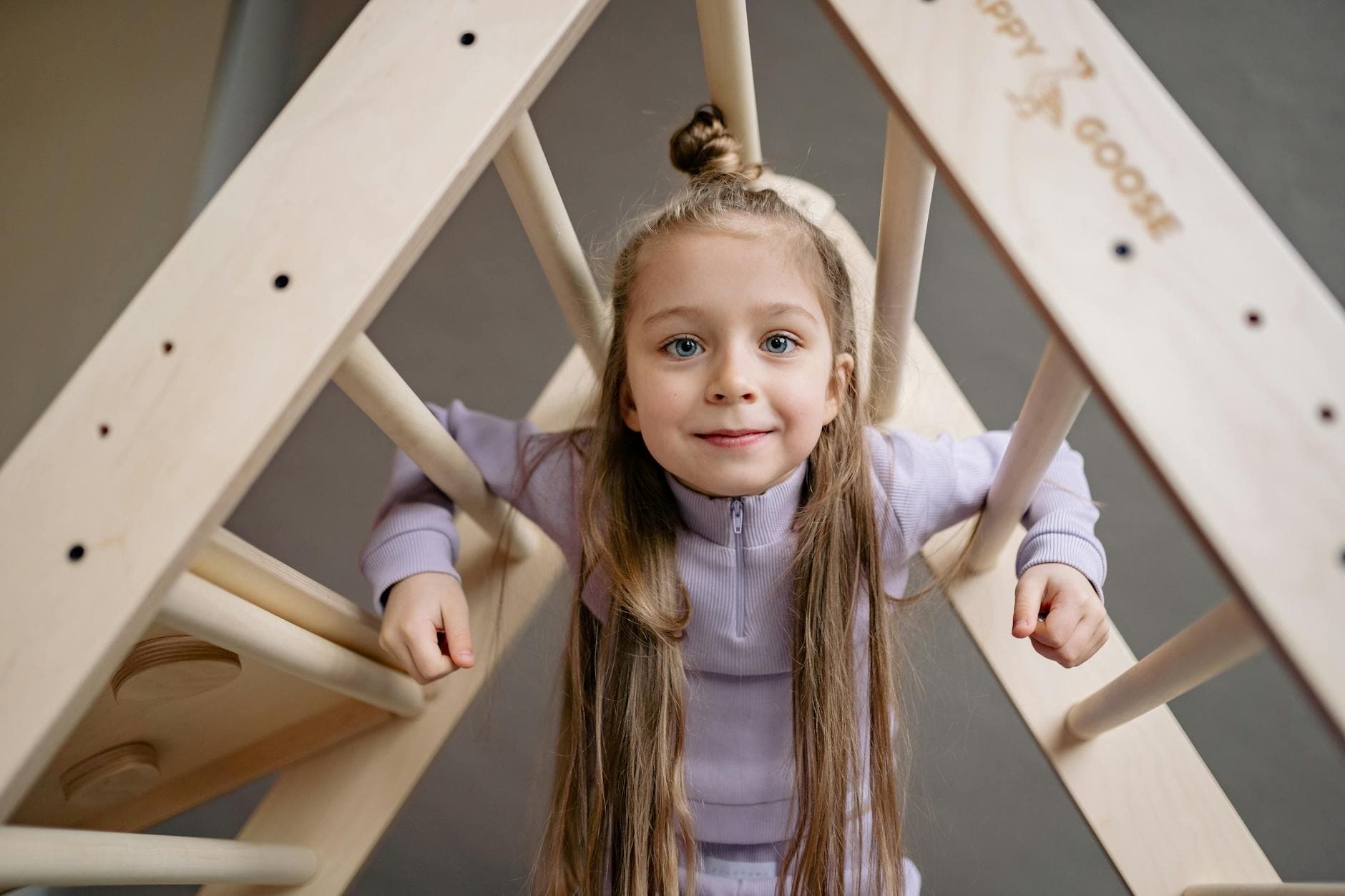
Simply letting them loose might seem like the obvious answer, but sometimes structure is what helps contain the chaos. Think about planned activities that allow for big movements but also have a clear beginning and end. A game of "follow the leader" in the park, a scavenger hunt for specific colored leaves, or even a simple obstacle course you set up in the backyard can provide direction for their energy. This is where proactive toddler energy management comes in.
Embrace the Mess: Outdoor Toddler Play
One of the best things you can do is lean into the outdoor experience. Let them get muddy. Let them splash in puddles (within reason!). Let them dig in the dirt. These sensory experiences are not only fun but also incredibly grounding for toddlers. Gardening, for example, is a fantastic way to engage their senses and teach them about growth. Projects like those found in kids spring gardening: fun projects for growth & renewal can be wonderfully engaging and calming.
The Power of Predictable Transitions
Just because the weather is more unpredictable doesn't mean your routines have to be. Having clear signals for transitions – like a song before snack time, or a specific phrase before heading indoors – can help toddlers manage the shift from high-energy play to quieter activities. This predictability is a lifeline for them when their internal world feels a bit chaotic.
When Less is More: Navigating Toddler Overstimulation
This one surprised me when I first started reading more deeply into Psychology Today research on toddler spring energy. We often think more activity is always better, but for toddlers, too much of a good thing can be detrimental.
Recognizing the Warning Signs
Before the full meltdown happens, there are often subtle cues. They might become more clingy, start whining, have trouble following directions, or become easily frustrated. Learning to spot these early signs of **toddler overstimulation** is crucial. It’s your cue to intervene *before* the dam breaks. Think about the last time your toddler started getting really agitated in a busy place; that was likely a sign.
Creating Calm Zones and Downtime
Even with all the excitement of spring, ensuring there’s dedicated quiet time is essential. This might mean a specific "calm down corner" in the house with soft pillows and books, or simply ensuring there are periods of the day with minimal stimulation. It’s not about punishing them for being energetic; it’s about providing them with the tools to regulate themselves. This is also a key component of fostering preschool emotional intelligence: spring play for kids.
The Art of the Strategic Retreat
Sometimes, the best strategy is to simply remove your toddler from the overwhelming situation. If a park is too crowded, or a playdate is getting too rowdy, it’s okay to pack up and go home. This isn't a failure; it's a smart parenting move that prioritizes your child's well-being. Don't feel guilty about it; you're teaching them valuable lessons about self-care and recognizing their own limits.
Seasonal Toddler Behavior: A Holistic View
It’s easy to get caught up in the day-to-day chaos of **toddler spring energy**, but taking a step back to see the bigger picture is important. This seasonal behavior is part of a larger developmental arc.
The Spring Growth Spurt: Beyond Physical
Spring is a time of growth and renewal in nature, and it often mirrors a period of significant growth for toddlers, too. They’re not just getting taller; they’re developing new skills, understanding more complex emotions, and expanding their world. This developmental leap can be both exciting and challenging, contributing to their energetic and sometimes volatile behavior. National Alliance on Mental Illness research on toddler spring energy sometimes highlights how developmental stages interact with environmental factors.
Building Resilience Through Challenges
Honestly, dealing with **toddler tantrums spring** and the general intensity of this energy surge is part of building resilience – for both of you. Every time you navigate a meltdown successfully, every time you help your child regulate their emotions, you're teaching them invaluable life skills. And every time you manage your own stress and patience, you’re building your own resilience as a parent.
Looking Ahead: Summer and Beyond
The intensity of **toddler spring energy** doesn't just vanish with the arrival of summer. It often morphs. Summer brings its own set of challenges and joys, but the skills you build now – in understanding their energy, managing their emotions, and creating supportive environments – will serve you well. Think of spring as the intense training ground for the summer adventures ahead.
The **toddler spring energy** phenomenon is real, and it’s a beautiful, messy, and sometimes overwhelming part of early childhood. It’s a sign of health, of growth, and of a world opening up. By understanding the underlying causes, recognizing the signs of overstimulation, and implementing thoughtful strategies, you can move from simply surviving this season to truly thriving in it, fostering not just their energy, but their emotional intelligence and their love for the world around them.