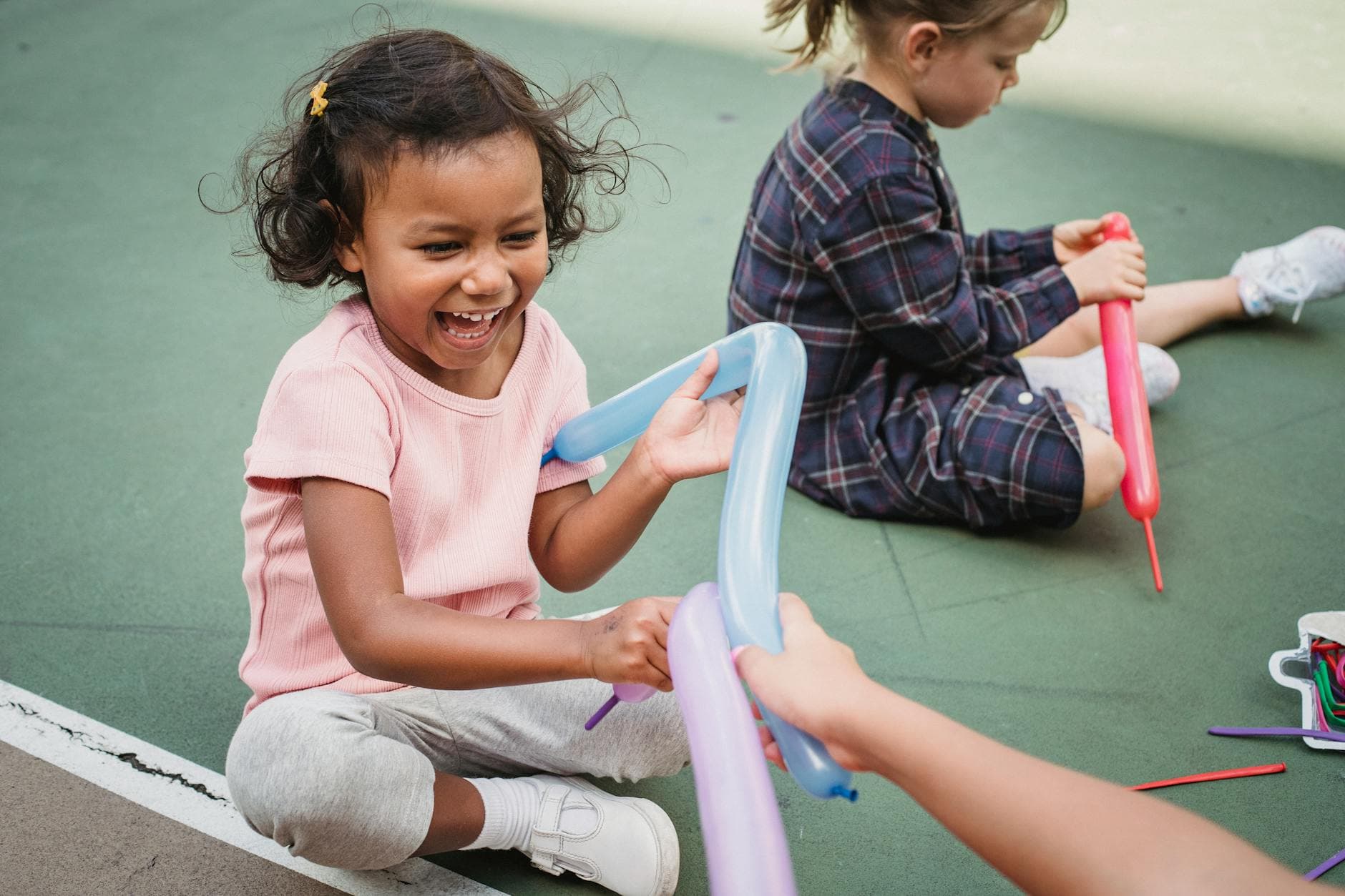
The Great Outdoors: Your Preschooler's Ultimate Classroom
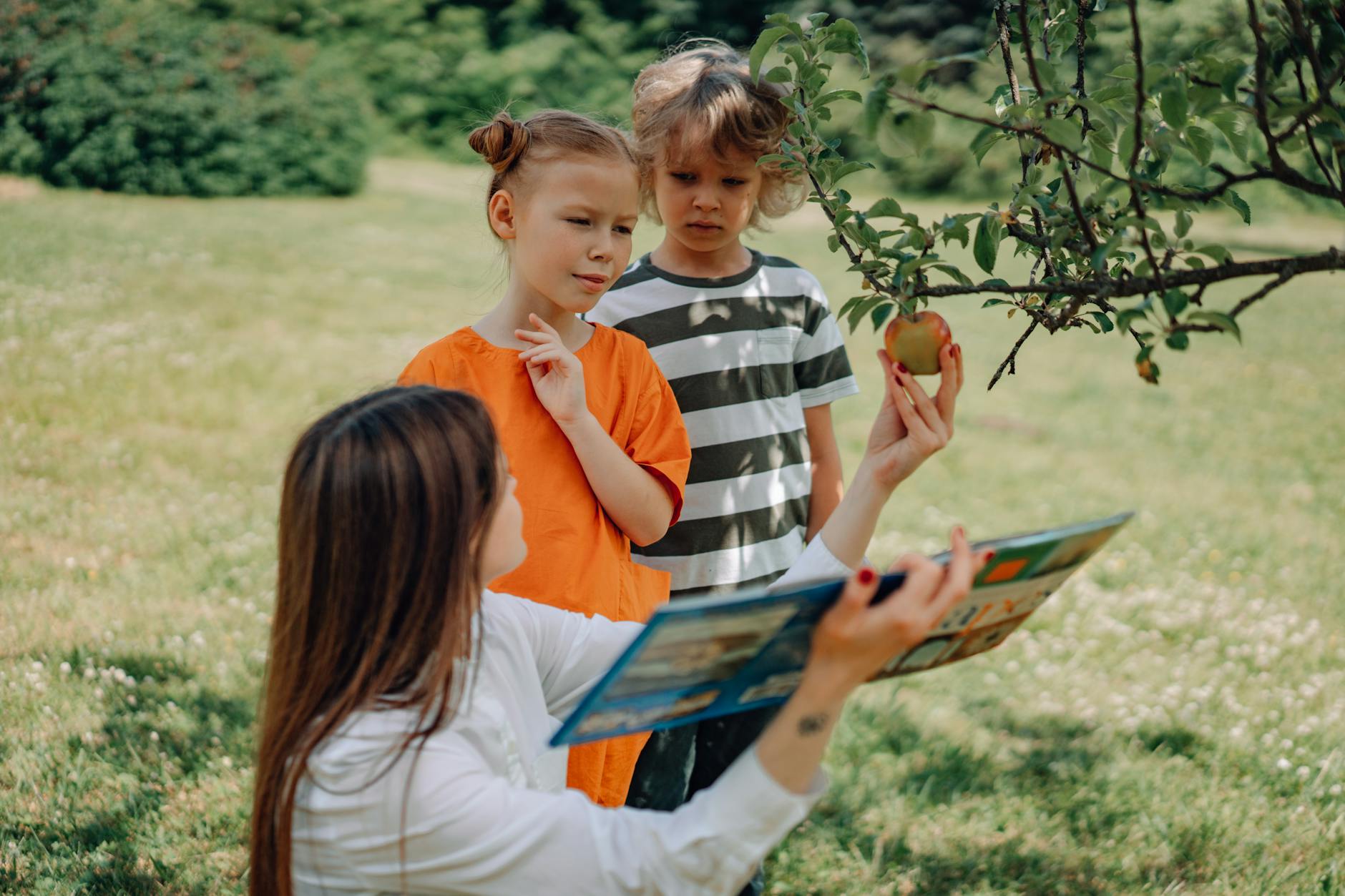
What if I told you that the most powerful, engaging, and transformative learning environment for your preschooler isn't behind four walls, but under an open sky? Imagine a place where giggles echo through rustling leaves, where tiny hands explore the rough bark of a tree, and where a simple puddle becomes a universe of discovery. This isn't a fantasy; it's the reality of effective **preschool outdoor learning**. I've seen it firsthand, time and time again. The magic that happens when we let children lead their own adventures in nature is simply profound. It’s about more than just fresh air; it’s about fostering a lifelong love of learning, building resilience, and nurturing a deep connection with the world around them.
Why the Shift to Outdoor Learning?
For too long, we've confined early childhood education to structured indoor settings. While these have their place, we’ve often overlooked the immense benefits of stepping outside. The benefits are so clear, so compelling, that it’s hard to ignore them once you see the impact.
The Untapped Potential of Nature
Nature isn't just a backdrop; it's a dynamic, multi-sensory classroom. Think about the sheer volume of learning opportunities presented by a single patch of forest or a simple garden. The textures, smells, sounds, and sights offer a richer, more complex learning experience than most manufactured toys can provide. This kind of immersive learning is crucial for developing well-rounded individuals.
Beyond the ABCs: Holistic Development
Preschool outdoor learning goes far beyond academic milestones. It’s a powerful tool for developing gross and fine motor skills as children climb, run, and manipulate natural materials. Social-emotional growth flourishes as they navigate shared discoveries and challenges. And cognitive development? It’s happening constantly, organically, as they problem-solve, observe cause and effect, and ask endless questions.
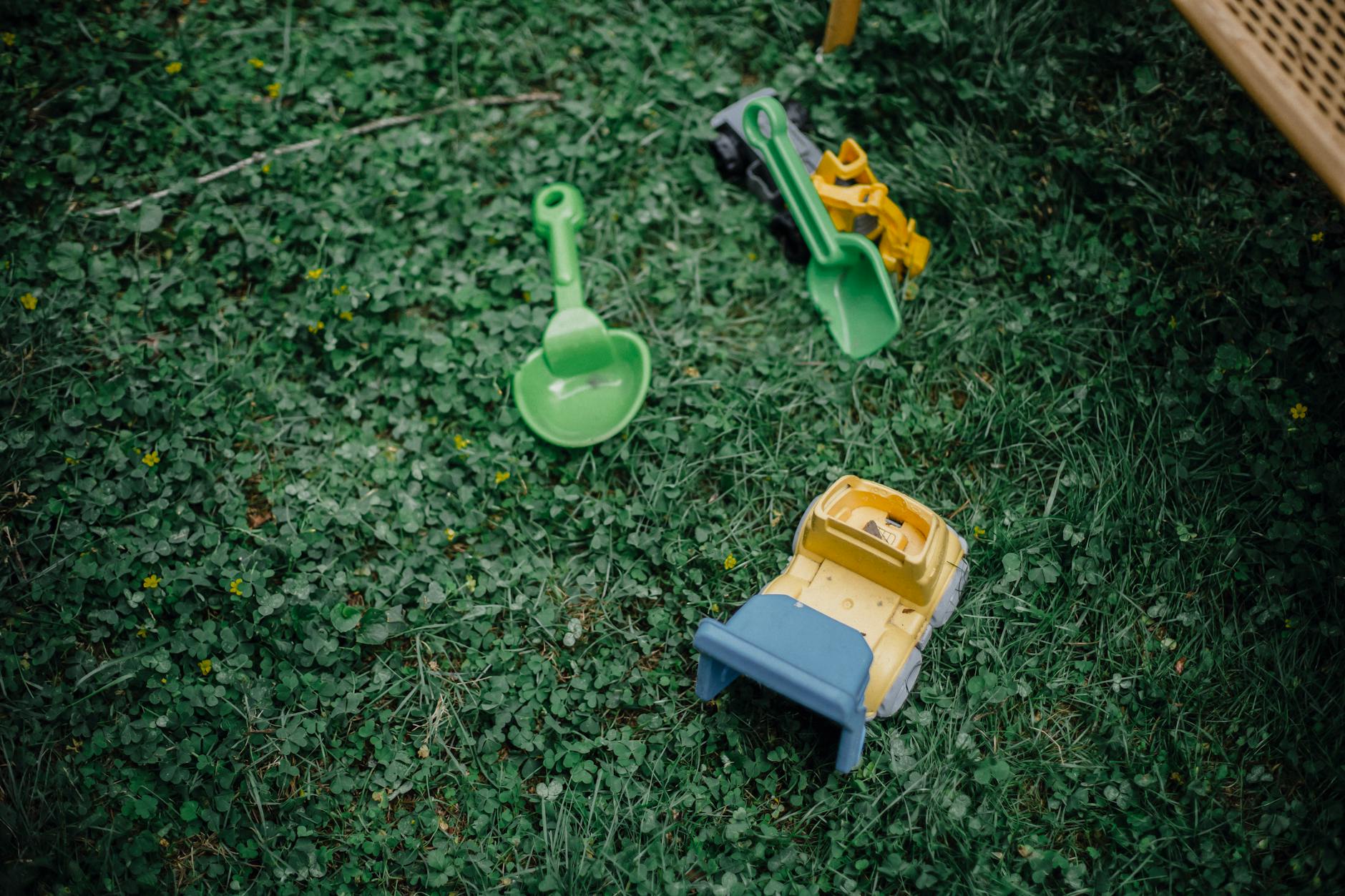
Fostering Curiosity Through Nature Play
This is where the real excitement begins. When children are given the freedom to explore outdoors, their natural curiosity ignites. It’s not about us dictating what they should learn, but about creating an environment where they *want* to learn. This is the heart of fostering curiosity preschool style.
The Spark of Inquiry
A bug crawling across a leaf, a feather found on the ground, the way water flows downhill – these are the catalysts for a child’s innate desire to understand. When we embrace nature play preschool settings, we provide an endless supply of these "teachable moments." I’ll be real with you, some of the most profound learning I’ve witnessed happened when a child was completely absorbed in examining a ladybug, not during a structured lesson.
Encouraging Questions, Not Just Answers
Our role as educators and parents isn't to have all the answers, but to encourage the questions. When a child asks "Why is the sky blue?" or "How does a seed grow?", our response should be less about a definitive lecture and more about guiding them to find out. This might involve suggesting they observe clouds for a week, or planting a bean seed together to watch it sprout. It’s about empowering them to become lifelong learners.
Sensory Exploration: A Springtime Bonanza
Spring outdoor activities for preschoolers are particularly rich in sensory experiences. The squish of mud between toes, the scent of blooming flowers, the sound of rain on leaves, the sight of vibrant new growth – these all contribute to a child’s understanding of the world. Toddler sensory play, especially when it taps into these natural elements, is incredibly beneficial. Think about the simple joy of playing with water and mud, or collecting smooth stones and rough bark.
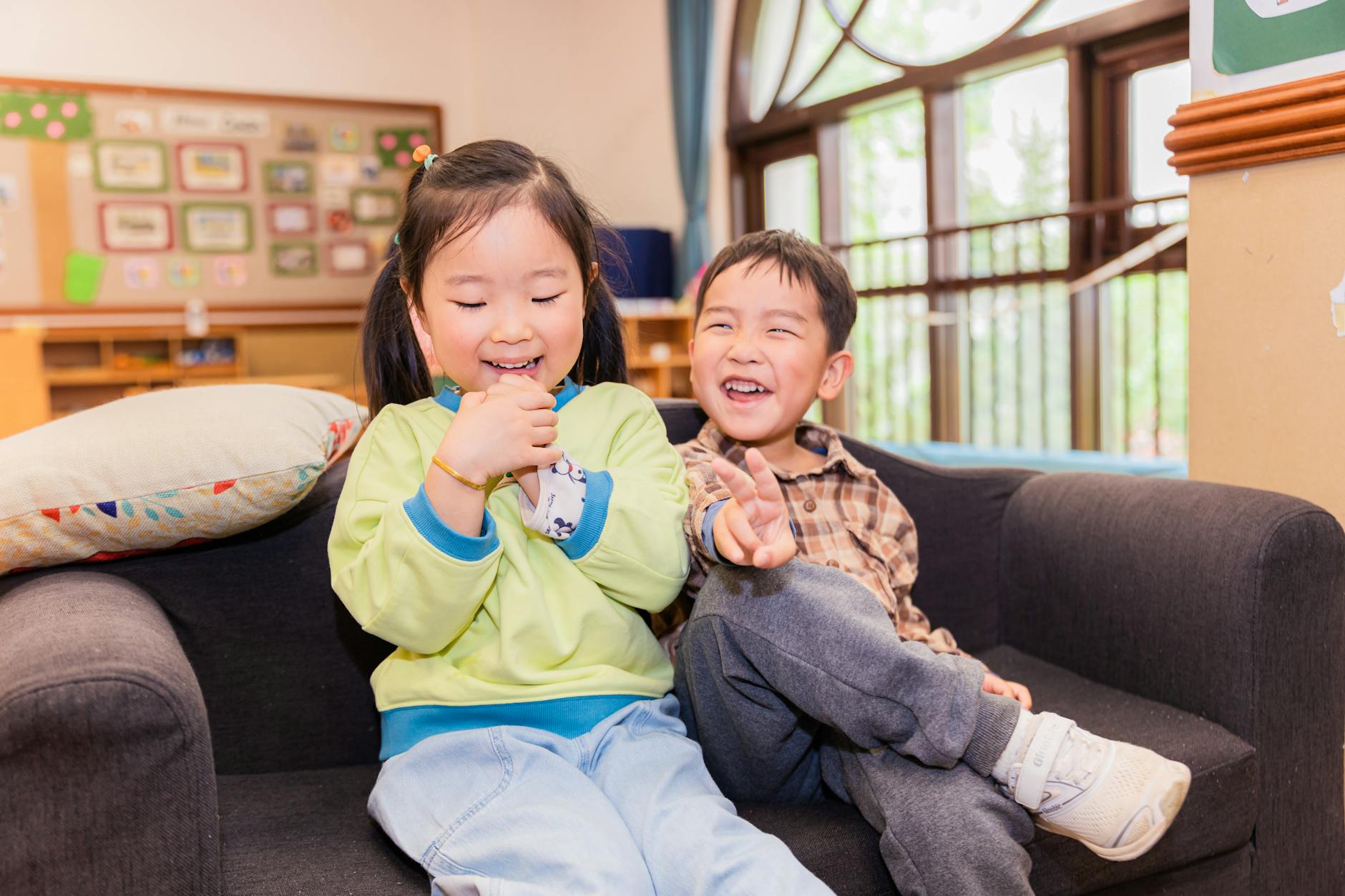
Preschool Nature Exploration: Every Day is an Adventure
We need to reframe how we think about outdoor time. It’s not just a break from learning; it *is* the learning. Preschool nature exploration is about turning the everyday into an extraordinary adventure.
The Evolving Landscape
One of the most beautiful aspects of nature is its constant change. Spring outdoor activities preschool programs can leverage this beautifully. The emergence of tiny buds, the return of birds, the longer days – these are all opportunities for observation and discussion. You can track the growth of a specific plant over weeks, noting the changes. This teaches patience and the cycles of life.
From Puddles to Planets: Scale and Wonder
Don't underestimate the learning potential of a simple puddle! For a young child, it's a miniature ocean, a place to test buoyancy with sticks, or a mirror reflecting the sky. This ability to see the grand in the small, and the small in the grand, is fundamental to developing a sense of wonder. This is a core element of early childhood outdoor education.
Child Development Outdoors: A Powerful Connection
The research is increasingly clear: spending time in nature is vital for child development outdoors. Studies from organizations like the National Alliance on Mental Illness research on preschool outdoor learning highlight its positive impact on mood and behavior. Likewise, National Institutes of Health research on preschool outdoor learning points to benefits for physical health and cognitive function. It’s not just good for them; it’s essential.
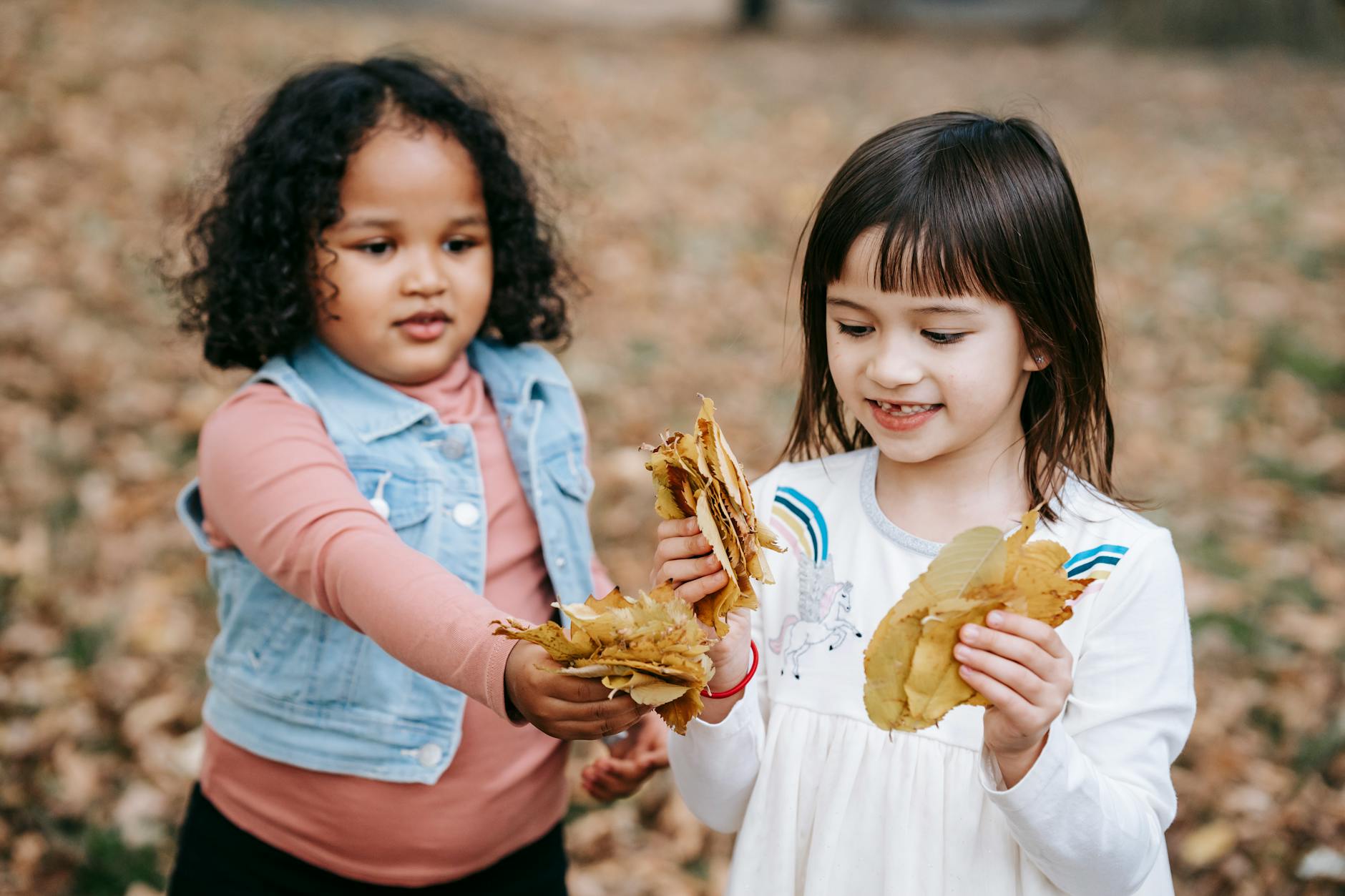
Springtime Learning for Toddlers and Beyond
While we’re focusing on preschoolers, let's not forget our younger adventurers. Springtime learning for toddlers is just as impactful, and can be adapted to their developmental stages.
The Joy of Discovery, Unscripted
For toddlers, it’s all about immediate sensory input and exploration. A patch of soft grass, a gentle breeze, the chirping of birds – these are their first introductions to the outdoor world. Encouraging curiosity in children at this age means providing safe opportunities for them to touch, feel, and experience. You might be surprised how much a simple dandelion can captivate a toddler.
Building Essential Skills Through Play
Preschooler spring activities can be designed to build on these early explorations. Think about scavenger hunts for different colored leaves, or building simple shelters with sticks. These activities, while fun, are secretly building critical thinking, problem-solving, and fine motor skills. This is also where you can start introducing concepts of sharing and cooperation, perhaps by bringing in some friends for a playdate, where preschool playdate etiquette becomes a natural lesson.
Sensory Adventures for Little Ones
When it comes to toddler sensory play, spring offers a goldmine. Setting up a simple water table with natural items, or creating a "mud kitchen" where toddlers can mix soil, water, and leaves, provides hours of engaging, messy fun. These experiences are crucial for their sensory development and understanding of the physical world.
Navigating the Challenges of Outdoor Learning
Now, I'll be real with you. Embracing preschool outdoor learning isn't always sunshine and rainbows. There are practicalities to consider, and sometimes, it feels easier to stay inside. But the rewards far outweigh the effort.
Weathering the Storm (Literally and Figuratively)
The biggest hurdle for many is weather. Rain, wind, or a chill in the air can seem like reasons to cancel outdoor plans. However, with the right gear and a positive attitude, even less-than-perfect weather can be a fantastic learning opportunity. Puddle jumping, for example, is a classic spring outdoor activity preschool children adore. Embracing the elements teaches resilience and adaptability.
Safety First, Always
Safety is paramount, of course. This means proper supervision, understanding potential hazards (like poisonous plants or slippery surfaces), and ensuring children are dressed appropriately for the conditions. It’s about being prepared, not fearful. Making sure you have a good understanding of toddler playdate skills, even when outdoors, can help manage group dynamics and ensure everyone stays safe and happy.
Making it a Routine, Not a Novelty
The true power of preschool outdoor learning comes from consistency. Making it a regular part of the week, rather than an occasional treat, embeds it into the children's rhythm. This is where establishing family routines with kids that include outdoor time becomes so beneficial, both at home and in educational settings. It becomes a natural, expected part of their day.
The Lasting Impact of Childhood Outdoor Adventures
When we talk about childhood outdoor adventures, we're talking about building memories and shaping character. These experiences, rich with sensory input and opportunities for independent exploration, leave an indelible mark on a child. They learn to trust their instincts, to be resourceful, and to appreciate the beauty and complexity of the natural world. This isn’t just about having fun; it’s about laying the foundation for healthy emotional and mental well-being, as supported by Healthline research on preschool outdoor learning.
Cultivating a Deep Connection to Nature
Children who spend ample time outdoors develop a profound respect and connection to the environment. This connection is crucial for fostering future environmental stewards. They learn to observe, to care, and to understand their place within the larger ecosystem.
The Gift of Resilience and Confidence
Navigating uneven terrain, climbing a small hill, or figuring out how to build a dam in a stream all build a child’s confidence and resilience. They learn that they are capable, that they can overcome challenges, and that mistakes are simply part of the learning process. This is invaluable for their overall development.
A Foundation for Lifelong Learning
Ultimately, preschool outdoor learning is about igniting a passion for discovery that lasts a lifetime. The curiosity sparked by a ladybug, the problem-solving learned from a tricky climb, the wonder inspired by a vast sky – these experiences shape how a child approaches learning and the world for years to come. It’s about giving them the tools and the desire to keep exploring, keep questioning, and keep growing. So, let's embrace the outdoors, not as an alternative to learning, but as its most vibrant and essential form.