
What if your teen came home one day, eyes downcast, and confessed they felt like they just didn't fit in? What if the unspoken rules of their social world felt like a minefield, and every step was fraught with the potential for missteps that echoed in their head for days? This is the landscape of teen social pressure, a force as potent as any academic challenge or extracurricular demand.
The Unseen Weight of Teen Social Pressure
It’s more than just wanting to have friends; it’s about belonging, about acceptance, and about shaping an identity in a world that’s constantly telling them who they *should* be. Parenting teens navigating this can feel like trying to steer a ship through a hurricane. You see the storm, you feel the sway, but sometimes you can't quite grasp the forces at play. This isn't about a single instance, but the cumulative effect of countless tiny interactions, observations, and perceived expectations.
The Constant Comparison Game
Social media, for all its connective potential, has amplified this tenfold. Teens are bombarded with curated highlight reels of their peers' lives, leading to a relentless cycle of comparison. They see the parties they weren't invited to, the inside jokes they don't get, the seemingly effortless popularity of others. This can fuel feelings of inadequacy and a desperate need to conform.
The Desire to Be Liked
At its core, much of teen social pressure stems from a fundamental human need to be accepted and liked. For teenagers, whose identities are still forming, this need can be particularly acute. They’re trying to figure out who they are, and feedback from their peers plays a massive role in that process.
Spring Teen Pressure: A Shifting Season
Think about the transition from a more structured school year to the looser days of spring and summer. Suddenly, there’s more unstructured time, more opportunities for social events, and often, more pressure to participate. This "spring teen pressure" can be particularly intense as plans shift and social circles expand or contract. It’s a time when friendships can solidify or fracture, and the stakes can feel incredibly high.

Navigating the Minefield: What Parents Can Do
As parents, we often feel helpless watching our teens wrestle with these social dynamics. We want to protect them, but we also know they need to learn to navigate these waters themselves. The key isn't to shield them entirely, but to equip them with the tools and confidence to handle the inevitable bumps and bruises.
Open Dialogue is Your Superpower
This might sound obvious, but honestly, just talking is huge. Create a safe space where your teen feels comfortable sharing their anxieties without judgment. Ask open-ended questions about their day, their friends, and how they're feeling. Sometimes, just voicing their worries out loud can lessen their power. You might be surprised by what they share if you simply listen without immediately trying to fix it. For instance, my own daughter once spent weeks agonizing over a group chat where she felt excluded. Simply by asking her to walk me through it, and then letting her vent, she started to see the situation more clearly herself.
Asking the Right Questions
Instead of "How was school?", try "What was the funniest thing that happened today?" or "Did you learn anything interesting?" These prompt more detailed responses and can open doors to discussions about social interactions.
Active Listening Techniques
Nodding, making eye contact, and reflecting back what you hear ("So, it sounds like you're feeling frustrated because...") shows you're engaged and truly trying to understand.
Building Resilience: The Long Game
Resilience isn't something kids are born with; it's built. Helping teens develop strong coping mechanisms for when social situations don't go their way is crucial. This is where focusing on internal validation over external approval comes into play. When they can find satisfaction in their own efforts and values, the sting of peer disapproval lessens.
Encouraging Self-Advocacy
Teach them how to politely say "no" to things that make them uncomfortable, and how to stand up for themselves or others when they see something wrong. This is a vital part of kid resilience spring transition.
Celebrating Effort, Not Just Outcome
Praise their hard work, their determination, and their willingness to try, regardless of whether they "win" or are the most popular. This helps them understand that their worth isn't tied to external social metrics.
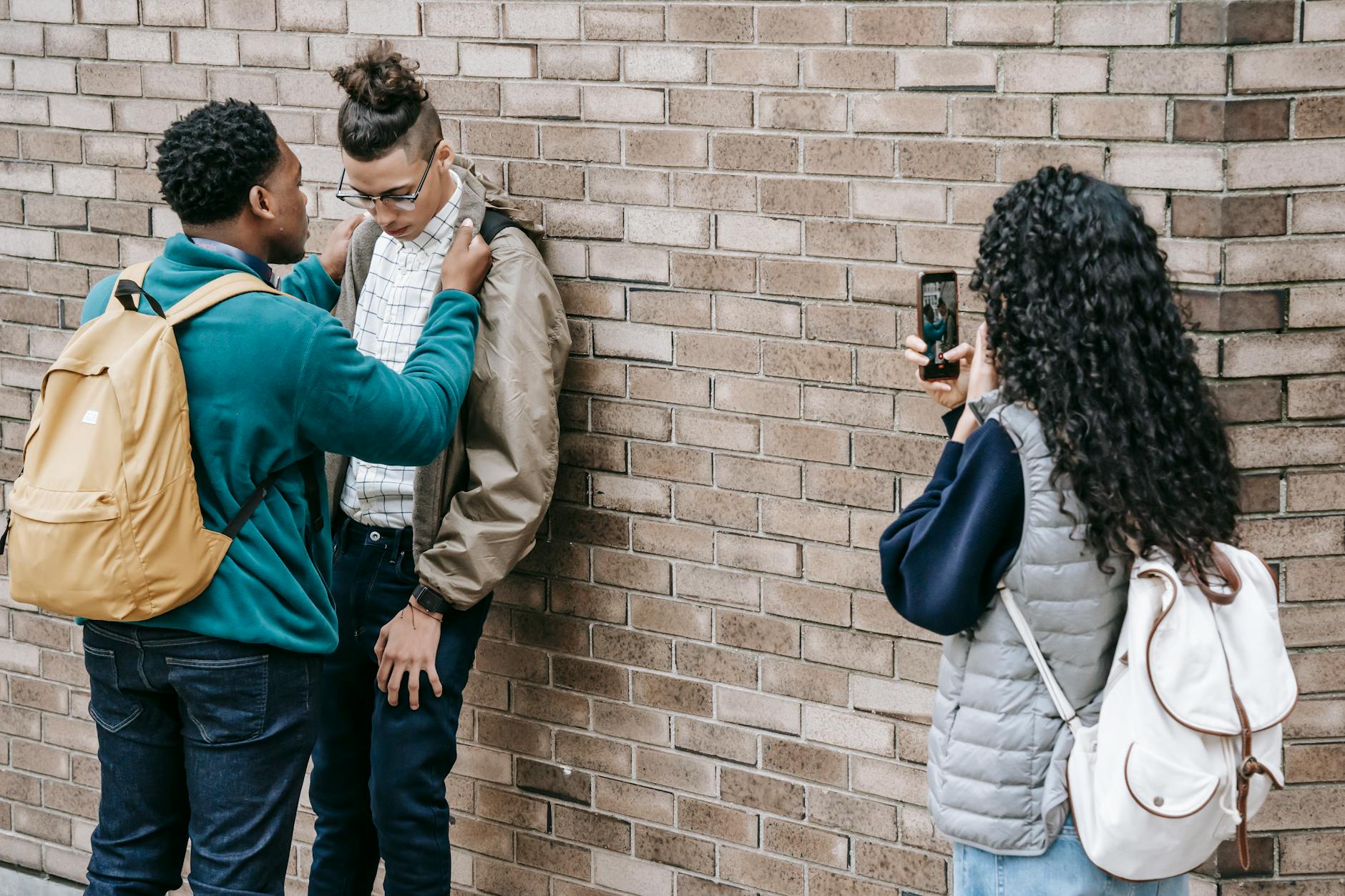
Understanding Teen Peer Pressure
Teen peer pressure isn't always overt. It's often subtle, a quiet nudge towards a certain behavior, fashion choice, or even an attitude. It can manifest in wanting to try substances, engage in risky behaviors, or simply adopt a certain persona to fit in. Understanding the nuances of kids cope change is also important here, as navigating social shifts is a big part of growing up.
Positive vs. Negative Peer Influence
It’s important to remember that peer pressure isn't inherently bad. Positive peer influence can encourage good habits, academic pursuits, and healthy social engagement. Think about friends who motivate each other to study for a test or join a volunteer group. The challenge lies in helping teens discern between the two.
Identifying Red Flags
Are their friends pressuring them to do things that go against their values? Do they seem anxious or stressed after spending time with certain people? These are signals to pay attention to.
Fostering Healthy Friendships
Encourage relationships with peers who are kind, respectful, and supportive of your teen's authentic self. Quality over quantity is key.
The Role of Social Media in Peer Pressure
I'll be real with you, the impact of social media on teen social anxiety is a massive factor. The constant need for likes, comments, and validation can create an environment where teens feel compelled to present a certain image, even if it's not true to who they are. This is a significant part of navigating teen social life today.
Setting Digital Boundaries
Work with your teen to establish healthy limits around screen time and social media use. This includes discussions about what they share online and who they interact with. The Gottman Institute research on The Gottman Institute research on teen social pressure often highlights the importance of these digital boundaries.
Critical Media Consumption
Teach them to question what they see online. Help them understand that most of what’s posted is a carefully constructed facade, not a reflection of reality.

Helping Teens with Friends and Social Anxiety
Sometimes, the pressure to fit in can lead to significant teen social anxiety, making even simple interactions feel overwhelming. As parents, our goal is to help them build the teen social skills they need to feel more confident and capable.
Empowering Them to Choose
Give your teen agency in their social life. While setting expectations is important, allow them to make choices about who they spend time with and what activities they participate in. This builds their confidence and sense of self.
Setting Boundaries with Teens (and For Them)
This is a tricky one. You need to set appropriate limits, especially around safety and well-being, but also allow them room to learn from their own decisions. Preschool boundaries outdoors, while for a younger age, still teaches the fundamental concept of limits and safety.
Teaching Assertiveness Skills
Role-playing can be incredibly effective. Practice scenarios where your teen might feel pressured, and help them rehearse assertive responses. This is a key component of helping teens with friends.
Addressing Teen Dating Pressure
As teens get older, the social pressure can extend into dating. The desire to have a boyfriend or girlfriend can be intense, fueled by media portrayals and peer experiences. This "teen dating pressure" requires open communication and a focus on healthy relationships.
Defining Healthy Relationships
Talk about what constitutes a respectful and loving relationship, emphasizing mutual trust, communication, and shared values. This is where Healthline research on Healthline research on teen social pressure can offer valuable insights.
Respecting Their Pace
Let your teen know that there’s no timeline for dating. It’s okay if they’re not interested, or if they want to wait. Their teen emotional well-being should always be the priority.

Fostering a Supportive Environment
Ultimately, the best way to combat the negative effects of parenting teens social pressure is to create an environment at home where your teen feels loved, accepted, and understood for who they are. This is the bedrock upon which they can build their social confidence.
Unconditional Love and Acceptance
Let your teen know that your love for them isn't conditional on their social success or popularity. They need to feel safe to be themselves, flaws and all.
The Power of Family Connection
Prioritize family time and create traditions that strengthen your bond. A strong family unit can be a powerful buffer against external social pressures. Think about the summer learning activities you might do together that build connection.
Encouraging Authentic Self-Expression
Support your teen's interests and passions, even if they're not "cool" or popular. When they have outlets for genuine self-expression, they are less likely to feel the need to conform to fit in.
Celebrating Uniqueness
Help them see their quirks and individuality not as flaws, but as strengths that make them special. This is a crucial aspect of teach empathy preschoolers, as understanding and valuing differences starts early.
Navigating teen social pressure is a marathon, not a sprint. There will be ups and downs, successes and stumbles. But by fostering open communication, building resilience, and offering unwavering support, you can help your teen develop the inner strength to thrive, even when the social world feels overwhelming. It’s about equipping them with a compass, not just a map, so they can find their own way.