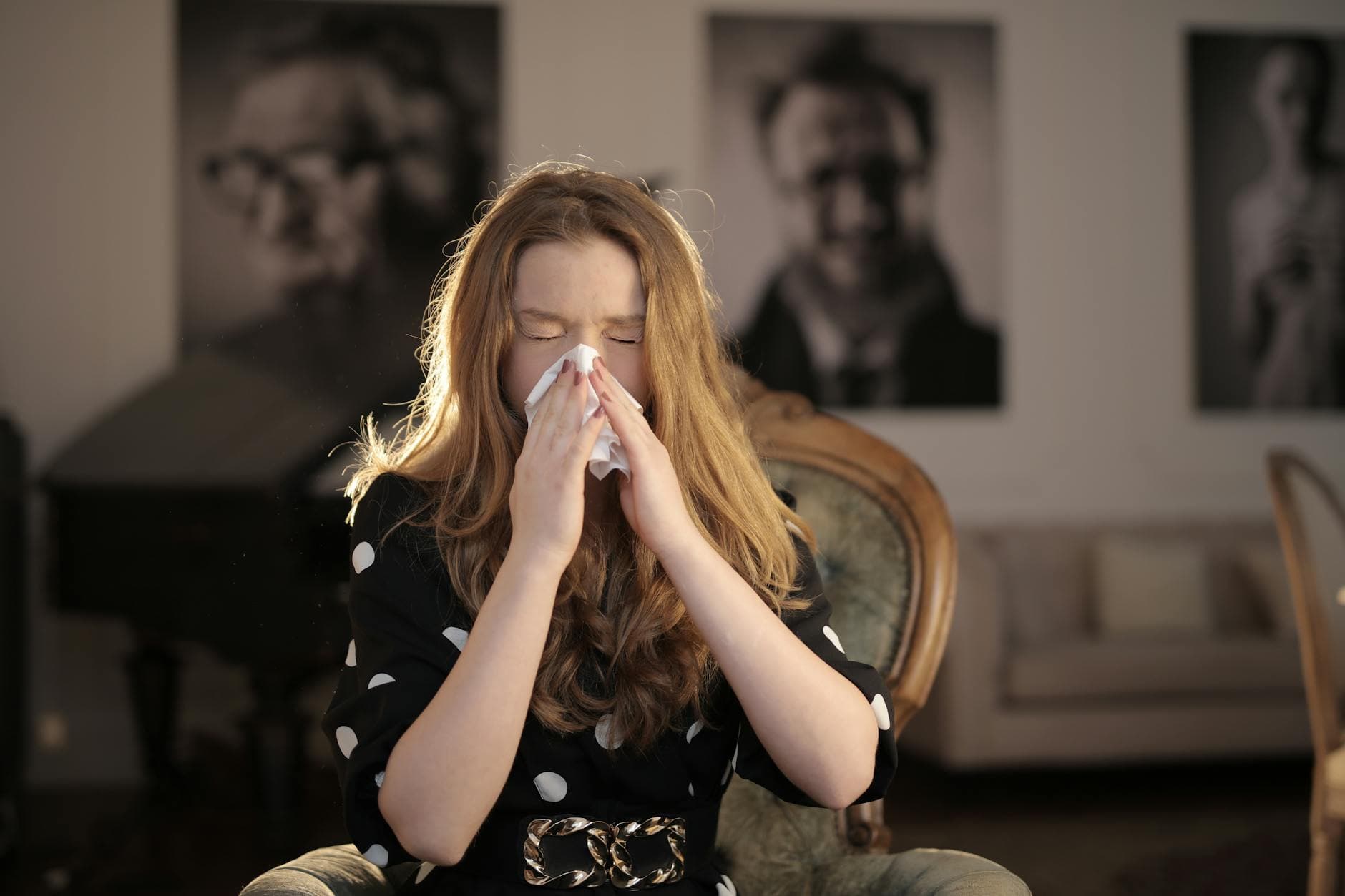
You know that feeling? The one where the sun finally starts peeking out, the birds are chirping, and suddenly your teenager is a walking storm cloud? Yeah, I've been there. My own daughter, bless her heart, used to transform from a relatively pleasant human into a grumpy, snotty mess every April. It took me a while, and a lot of bewildered conversations, to realize it wasn't just "teen angst." It was teen spring allergies, and they were wreaking havoc on more than just her sinuses.
The Sneaky Saboteur: Understanding Teen Spring Allergies
More Than Just a Sneeze
It’s easy to dismiss those sniffles and itchy eyes as just a minor annoyance. But when you’re a teenager, and your body is already a rollercoaster of hormones and emotional shifts, allergies can feel like the universe is specifically targeting you. Pollen, mold spores, dust mites – they’re all out there, ready to wage war on your system. For teens, this can manifest in ways that go way beyond the typical sneezing fit.
The Physical Toll
Let's break down the physical stuff first, because it’s the most obvious. We're talking about the classic spring allergy symptoms: itchy, watery eyes that make reading or staring at a screen a nightmare. Then there’s the constant runny or stuffy nose, making it hard to breathe and sleep. Add in sore throats, coughing, and general fatigue, and you’ve got a recipe for a miserable teen. This physical discomfort can directly impact their ability to concentrate in school, enjoy hobbies, or even just feel like themselves.
The Hidden Impact on Mood
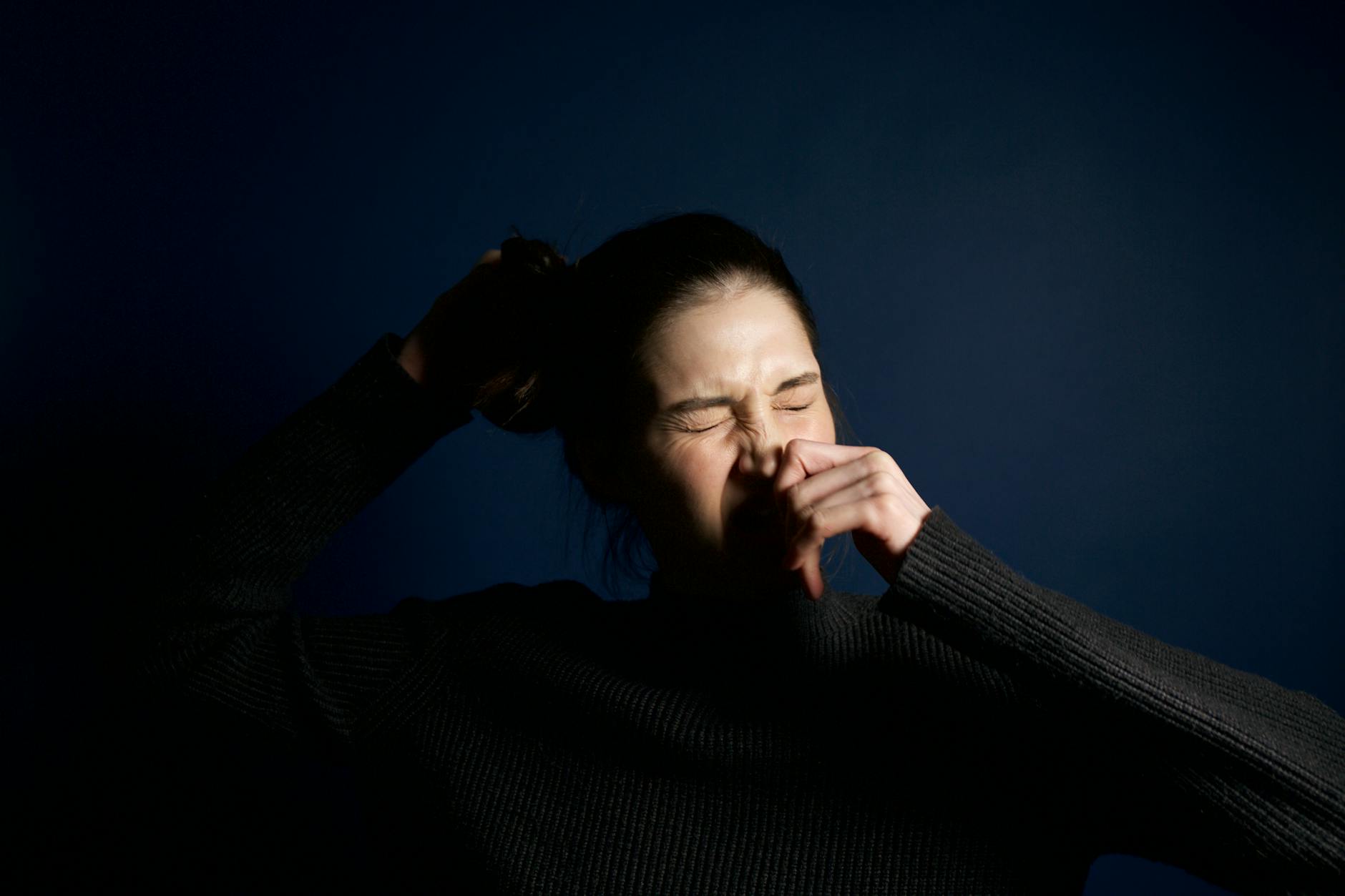
Here's the thing that often gets overlooked: how allergies affect teen mood. When you’re not sleeping well because your nose is blocked, or you’re constantly feeling itchy and uncomfortable, your patience wears thin. This is where we start seeing teen allergy mood swings. That generally easy-going teen can suddenly become incredibly irritable, snapping at siblings or parents over the smallest things. It’s like their internal "fuse" gets shorter.
When Allergies Meet Adolescence: The Mood Connection
The Link Between Allergies and Teen Irritability
Think about the last time you had a terrible night's sleep or felt really unwell. Were you in the best mood? Probably not. Now, imagine that feeling amplified by the hormonal changes of adolescence. Allergies can significantly contribute to seasonal allergies teen irritability. The constant physical discomfort and lack of quality sleep disrupt the delicate balance of brain chemistry and emotional regulation that teens are already navigating. It’s not just them being difficult; their bodies are literally fighting an internal battle.
Are Allergies Causing Teen Depression?
This is a big one, and honestly, it surprised me how much research points to a connection. While allergies aren't the sole cause of allergies and teen depression, they can certainly be a significant contributing factor. Chronic discomfort, sleep deprivation, and the inability to participate fully in social activities can all lead to feelings of sadness, isolation, and hopelessness. If a teen is already struggling with mental health, the added burden of severe allergies can push them over the edge. It’s crucial for parents and caregivers to recognize that these physical symptoms can have a profound impact on teen mental health allergies.
How Allergies Affect Teen Mood
The mechanism isn't entirely clear-cut, but experts suggest that the inflammatory responses triggered by allergies can affect neurotransmitters in the brain, like serotonin and dopamine, which are crucial for mood regulation. Add to that the sheer exhaustion from battling constant symptoms, and you've got a perfect storm for emotional distress. This is why understanding how allergies affect teen mood is so vital for providing the right support.

Spotting the Signs: Beyond the Sneezes and Itches
Recognizing Subtle Behavioral Changes
You might be wondering, "How do I know if it's allergies or just typical teen behavior?" It's a fair question. Look for patterns. Are these mood swings or irritability happening specifically during allergy season? Are they accompanied by physical symptoms, even mild ones? Sometimes, a teen might not even realize they're feeling unwell; they just feel "off." Increased withdrawal, decreased interest in activities they usually enjoy, more frequent arguments, or a general lack of motivation can all be red flags. These are often subtle indicators of teen emotional changes spring.
The Impact on Social Life and Academics
When you're battling teen spring allergies, it’s tough to be social. Who wants to go to a party when your eyes are red and puffy, and you’re afraid you’ll sneeze every five minutes? This can lead to social isolation, which, as we know, is a major trigger for mental health issues. Academically, the struggle is just as real. Difficulty concentrating, fatigue, and missed school days due to severe symptoms can make it incredibly hard for teens to keep up. Preparing for exams when you can barely breathe is not an easy feat.
When to Seek Professional Help
If you notice a significant and persistent change in your teen's mood or behavior that seems linked to allergy season, it's time to talk to a doctor. They can rule out other conditions and discuss treatment options. Don't hesitate to seek help from a pediatrician or an allergist. It’s also wise to consult with a mental health professional if you suspect allergies and teen depression are at play. Addressing both the physical and emotional aspects is key for holistic teen health spring.
Taking Control: Managing Teen Spring Allergies and Mood
The Power of Allergy Relief for Teens
The good news is, you don't have to just suffer through it. There are many effective strategies for allergy relief for teens. Over-the-counter antihistamines, nasal sprays, and eye drops can provide significant relief. Your doctor might also recommend prescription medications or even allergy shots (immunotherapy) for more severe cases. Making sure your teen has access to these treatments is the first step in regaining control over their physical well-being, which directly impacts their emotional state.
Creating an Allergy-Friendly Environment
Simple changes at home can make a big difference. Keeping windows closed during peak pollen times, using air purifiers with HEPA filters, and showering after spending time outdoors can help reduce exposure. Regular cleaning, especially vacuuming with a HEPA filter and dusting, is also crucial. These steps help minimize the allergens in their immediate environment, leading to fewer physical symptoms and, consequently, fewer mood disruptions. This is part of effective parenting teens with allergies.
Strategies for Managing Mood Swings
Beyond medical treatments, there are lifestyle adjustments that can help manage mood. Ensuring your teen gets enough quality sleep is paramount. This is where tips on Winter Sleep Children can be adapted for spring. Encouraging a balanced diet, regular physical activity (even gentle walks outdoors when pollen counts are low), and stress-reducing techniques like mindfulness or deep breathing can also be incredibly beneficial. Remember, supporting their physical health is a direct pathway to supporting their mental and emotional health.
A Word to Parents: Navigating the Spring Season Together
Empathy is Your Superpower
I'll be real with you: this can be a frustrating time for parents. You want your teen to enjoy the beautiful spring weather, and it’s hard to see them struggling. But remember, they're going through a lot. Approaching the situation with empathy and understanding can make all the difference. Instead of getting angry about the mood swings, try to acknowledge their discomfort. "I see you're having a tough time with your allergies today. How can I help?" can go a long way.
Encourage Outdoor Play (Strategically!)
While it might seem counterintuitive, limiting outdoor time entirely isn't the answer. The Outdoor Play Benefits are huge for teen development, offering stress relief and fresh air. The key is to be strategic. Check pollen counts, go out during lower-pollen times (often later in the day or after rain), and ensure they take their allergy medication beforehand. Maybe a brisk walk in the park is better than a long hike on a high-pollen day. Think about how you prepared kids for spring transitions with Preparing Kids for Spring Transition: Smooth Routine Shifts; similar planning applies here.
The Bigger Picture: Teen Mental Health and Allergies
It's easy to get caught up in the day-to-day battles, but it's important to remember the bigger picture. Unmanaged allergies can have a lasting impact on a teen's well-being, affecting their social development, academic performance, and overall mental health. Resources from organizations like the Healthline research on teen spring allergies and the American Psychological Association research on teen spring allergies highlight the interconnectedness of physical and mental health. Ignoring the physical can inadvertently worsen emotional struggles, so addressing teen spring allergies head-on is a crucial step in supporting your teen's overall health and happiness.
So, this spring, when you notice those tell-tale signs – the sneezing, the sniffles, and yes, even the grumpy outbursts – take a deep breath. It might just be those sneaky teen spring allergies at play. By understanding the connection between physical discomfort and emotional well-being, you can equip yourself and your teen with the tools and support they need to navigate this season, not just surviving it, but truly thriving. It’s about seeing the whole picture and offering a hand to help them through it, one sneeze and one smile at a time.