What if you could bottle the magic of your toddler's first words, not just to cherish them, but to actively nurture them into clear, confident communication? Imagine the wonder of watching their world expand with every new phrase, every question, every shared story. This isn't just about cute babbling; it's about the intricate, fascinating journey of toddler language development, a process that lays the foundation for their entire future.
The Toddler Language Boom: What's Really Happening
This stage, roughly between ages 1 and 3, is an explosion. You've seen it, haven't you? One day it's "mama" and "dada," and the next, they're stringing together two, then three, words. It’s a remarkable period of rapid growth, and understanding the milestones can ease a lot of parental anxiety. Language development toddlers experience is more than just vocabulary acquisition; it’s about understanding social cues, expressing needs, and building connections.
From Babble to Sentences: The Big Picture
Think about it: your little one’s brain is a sponge, soaking up sounds, patterns, and meanings. They’re learning not just *what* words mean, but *how* to use them in context. This early language skills development is a complex dance between comprehension and expression. They might understand far more than they can say, which can be frustrating for them, but it’s a crucial part of the process.
Understanding Toddler Speech Milestones
It’s easy to get caught up in comparing your child to others, but developmental milestones are guides, not rigid rules. Generally, by 18 months, many toddlers have a vocabulary of around 10-20 words and can follow simple directions. By two years old, that number can jump to 50-100 words, and they’re often using two-word phrases like "more juice" or "daddy go." By three, they’re typically speaking in three-word sentences and asking questions. Remember, these are averages; some kids hit them earlier, some later. The key is consistent progress.

Creating a Language-Rich Environment: Your Role
Here's the thing: you are your child’s first and most important teacher. The environment you create at home plays a monumental role in their child language acquisition. It’s not about formal lessons; it’s about the everyday interactions, the conversations you have, and the way you respond to their attempts at communication. This is where the magic truly happens.
Talking with Toddlers: More Than Just Words
This might sound obvious, but actively talking *with* your toddler, not just *at* them, is paramount. Narrate your day. "Mommy is washing the dishes," or "Look at the big, red truck!" When they babble or point, respond with enthusiasm and label what they’re interested in. Even if they can’t repeat the word yet, they’re hearing it and associating it with the object or action. This is how vocabulary building toddlers happens organically.
The Power of Play in Language Development
Play is a toddler’s work, and it’s also a powerful tool for language development. Engage in pretend play, use different voices for characters, and incorporate lots of descriptive language. Singing songs, doing fingerplays, and playing simple games like peek-a-boo all encourage listening skills, turn-taking, and the use of new words. For instance, during a tea party, you can say, "This is a yummy cookie," or "Let's pour some pretend milk." This approach to toddler language development makes learning fun and engaging.

Reading: A Lifelong Gift for Language
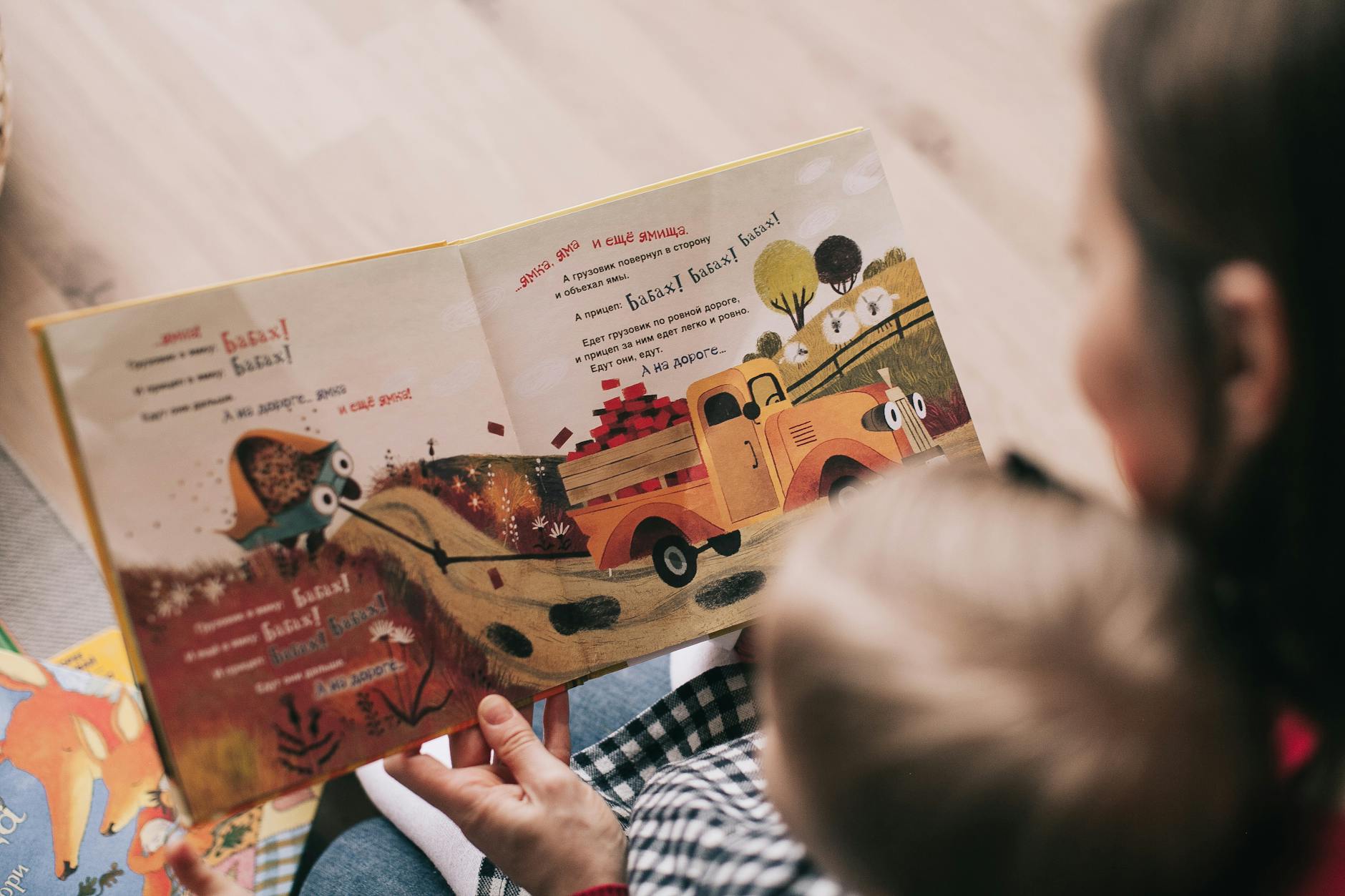
You’ve probably heard it a million times, but reading to toddlers is one of the most impactful things you can do. It’s not just about the stories; it’s about the rhythm of language, the new vocabulary, and the exposure to sentence structures they might not hear in everyday conversation. Make it interactive. Ask questions: "What do you think will happen next?" Point to pictures and name objects.
Choosing the Right Books
For younger toddlers, sturdy board books with bright, clear pictures and simple, repetitive text are wonderful. As they grow, you can move to picture books with more complex stories. Don't be afraid to reread favorites; repetition is key for learning. The sheer volume of words they hear from books, combined with your explanations, significantly boosts their early language skills.
Making Reading a Routine
Establishing a consistent reading routine, perhaps before naptime or bedtime, creates a positive association with books. Even 10-15 minutes a day can make a significant difference. This consistent exposure is a cornerstone of effective toddler language development.
Navigating Challenges: Signs of Speech Delay and What to Do
It’s natural to worry. You might be wondering if your child is on track. While every child develops differently, there are some signs of speech delay toddler parents should be aware of. If your child isn't babbling by 12 months, doesn't seem to understand simple requests by 15 months, or has a very limited vocabulary and isn't combining words by 24 months, it might be worth a conversation with your pediatrician.
When to Seek Professional Advice
Don't hesitate to voice your concerns. Pediatricians and early intervention specialists are there to help. They can assess your child’s development and provide guidance or recommend further evaluation if needed. Early intervention is incredibly effective in supporting children who need a little extra help with their language development. The National Institutes of Health research on toddler language development highlights the importance of early identification.
Supporting Your Child at Home
If a delay is identified, or even if you're just looking for ways to boost their progress, there are many supportive strategies. Focus on encouraging communication attempts, expanding on their utterances (if they say "dog," you say "Yes, a big, brown dog!"), and creating opportunities for interaction. This is also a great time to explore resources from organizations like the American Psychological Association research on toddler language development, which offers insights into communication patterns.
Encouraging Toddler Communication Beyond Words
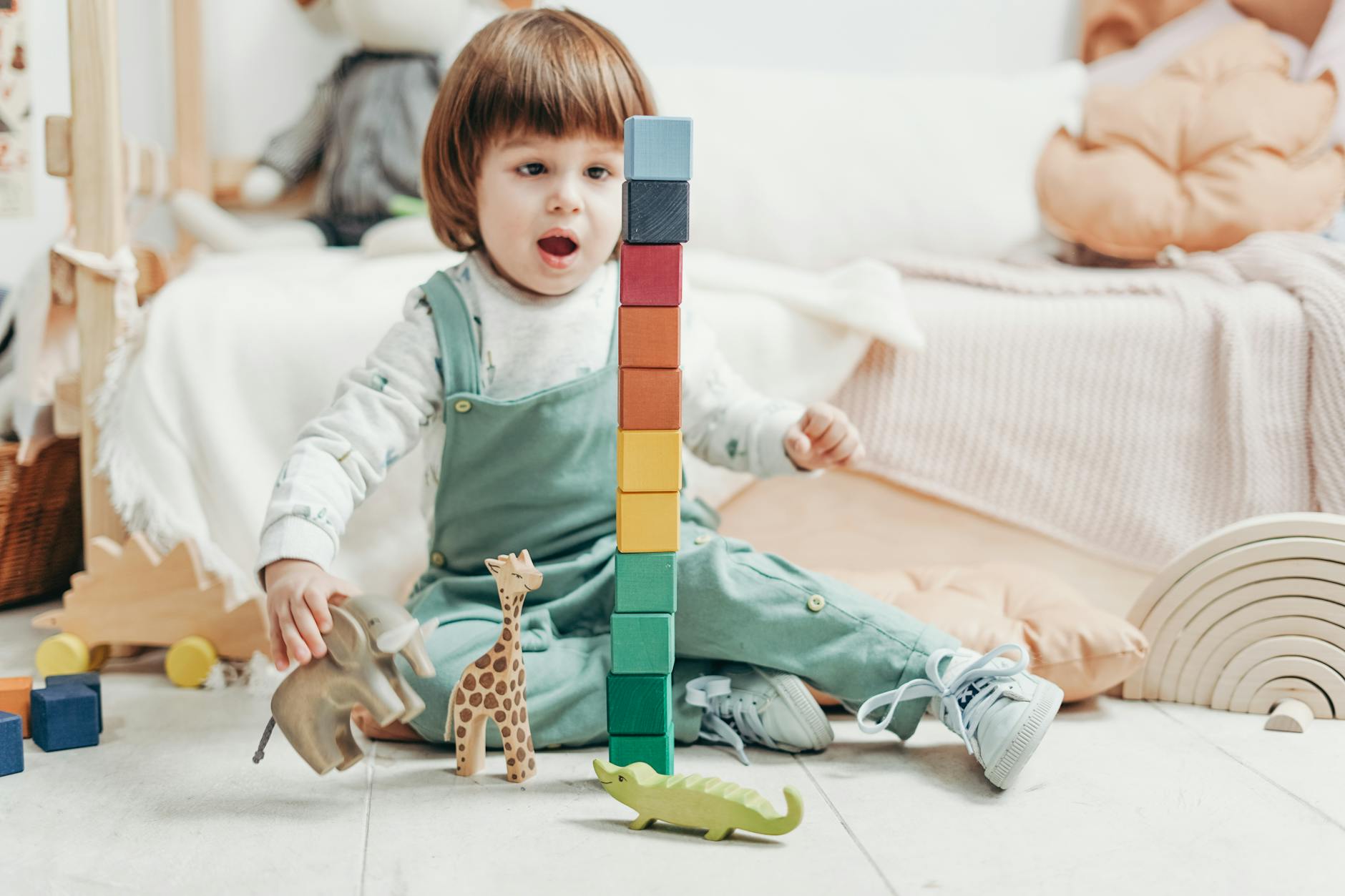
Communication isn't solely about spoken words. Toddlers use gestures, facial expressions, and vocalizations to communicate long before they form sentences. Recognizing and responding to these non-verbal cues is a vital part of encouraging toddler communication.
The Importance of Gestures and Eye Contact
When your toddler points to a toy, they are communicating a desire. Acknowledge it. "You want the ball?" This validates their attempt and models language. Similarly, encouraging eye contact during conversations helps them connect and understand that communication is a two-way street. This is a fundamental aspect of The Gottman Institute research on toddler language development, which often touches on relational communication.
Responding to Their Efforts
When your toddler tries to tell you something, even if it's unclear, respond with patience and a genuine desire to understand. "Tell me more!" or "What are you trying to show me?" This positive reinforcement encourages them to keep trying and builds their confidence. This approach is key for parenting toddler language effectively. You might even notice how these skills tie into developing Preschool Emotional Intelligence: Spring Play for Kids, as communication is so closely linked to understanding feelings.
Making Language Fun: Activities and Strategies
Parenting toddler language doesn't have to feel like work. In fact, the most effective strategies are often disguised as play. Think about how much energy toddlers have, especially during the spring. Harnessing that Toddler Spring Energy: Beat Meltdowns & Boost Fun can also be a pathway to better communication.
Sensory Play and Language
Activities like playing with playdough, water tables, or sand encourage descriptive language. "The playdough is squishy," or "The water is cold." Introduce new vocabulary related to the textures, colors, and actions involved. Outdoor play is especially beneficial, offering a wealth of new sights and sounds to talk about. Consider Toddler Outdoor Play: Fun Spring Activities for Little Ones for inspiration.
Incorporating Music and Rhyme
Music is a fantastic tool for language development. Songs with repetitive lyrics, actions, and predictable patterns help toddlers learn new words and phrases. Rhymes and silly songs encourage them to play with sounds and develop phonological awareness, which is crucial for later reading skills. Fun spring break activities can also be infused with language-rich moments, like describing the new flowers you see on a Toddler Spring Break: Safe & Fun Adventures Await!
The journey of toddler language development is one of the most rewarding aspects of parenting. It’s a continuous process of discovery, connection, and growth. By creating a supportive, language-rich environment and engaging your child in meaningful interactions, you’re not just helping them speak; you’re helping them understand the world and their place in it. And that, honestly, is a beautiful thing to witness. Remember to celebrate every word, every sentence, and every step of their unique journey. It's also important to foster their ability to connect with others, which is why focusing on Social Skills Activities: Fun Spring Ideas for Kids can be so beneficial at this age.